Expert Advice
Travel Guides & Tips
Clear, honest answers to the travel questions you're actually searching for — from river cruises to resort picks to saving money with a travel advisor.
Explore by Destination
Destination Guides
In-depth guides for every destination we specialize in — what to know, what most people get wrong, and how to get the most out of your trip.
Browse city and regional guides →North America
16 destinations
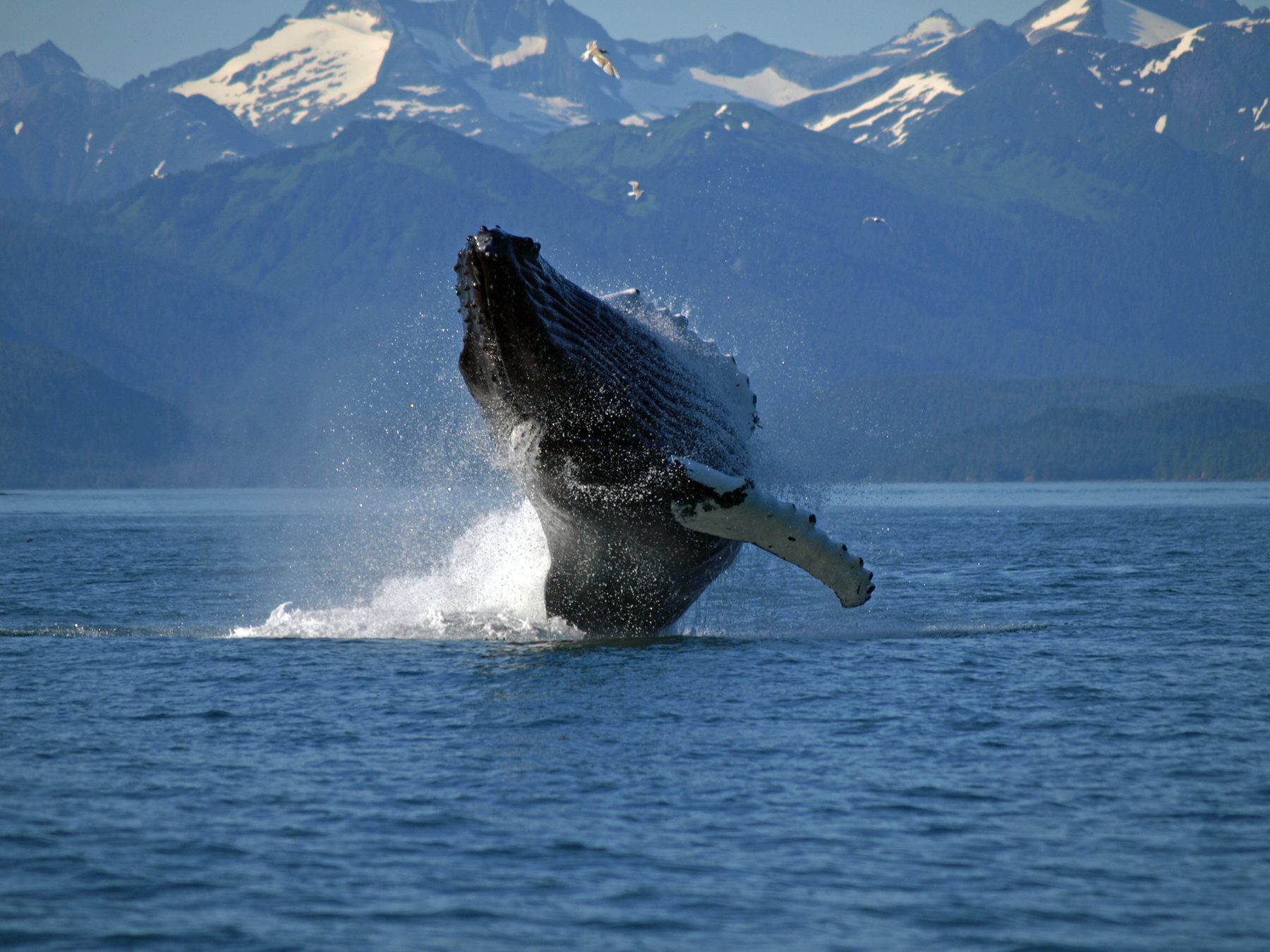
Alaska is several trips inside one state. Southeast fjords and ports, Denali and the Interior, Anchorage and the Kenai Peninsula, rail corridors, wildlife, glaciers, and expedition access require different logistics. The strongest plan starts with cruise, land, or a deliberate combination—then protects enough time for the route to work.
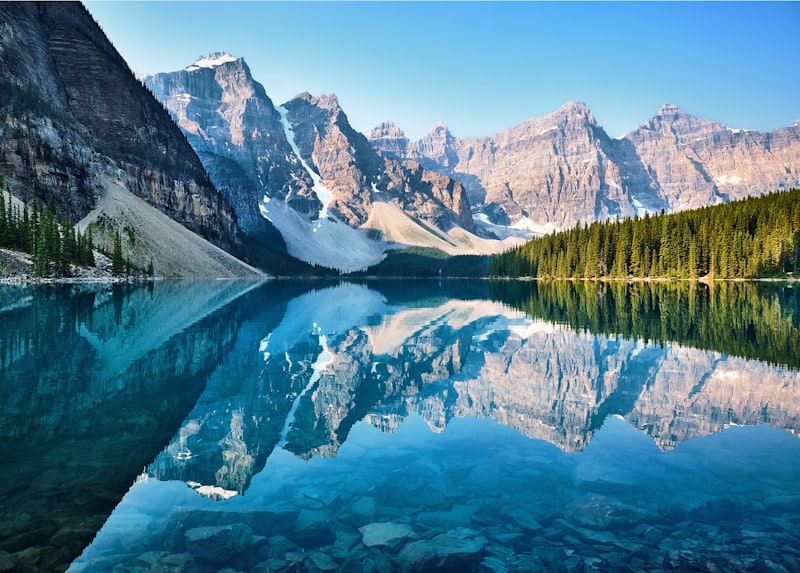
Canada rewards a clear regional point of view: mountain scale in the Rockies, Pacific energy in British Columbia, French-influenced culture in Quebec, or a longer rail story. The strongest itinerary gives one Canada enough time to feel complete.
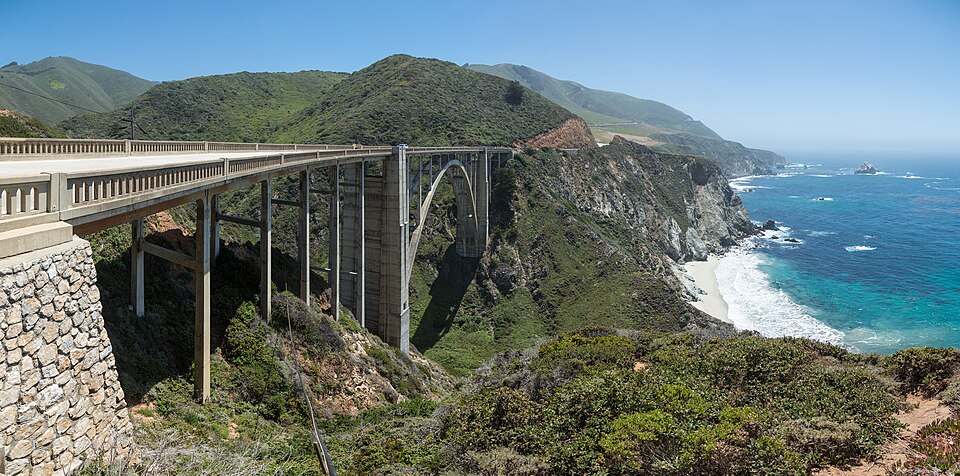
California is not a list of famous cities. The right trip chooses a geographic spine—Northern California, Highway 1, Southern California, or the national parks—and gives each stop a distinct purpose. This guide helps you decide what belongs together, what needs more time, and what should wait for another journey.
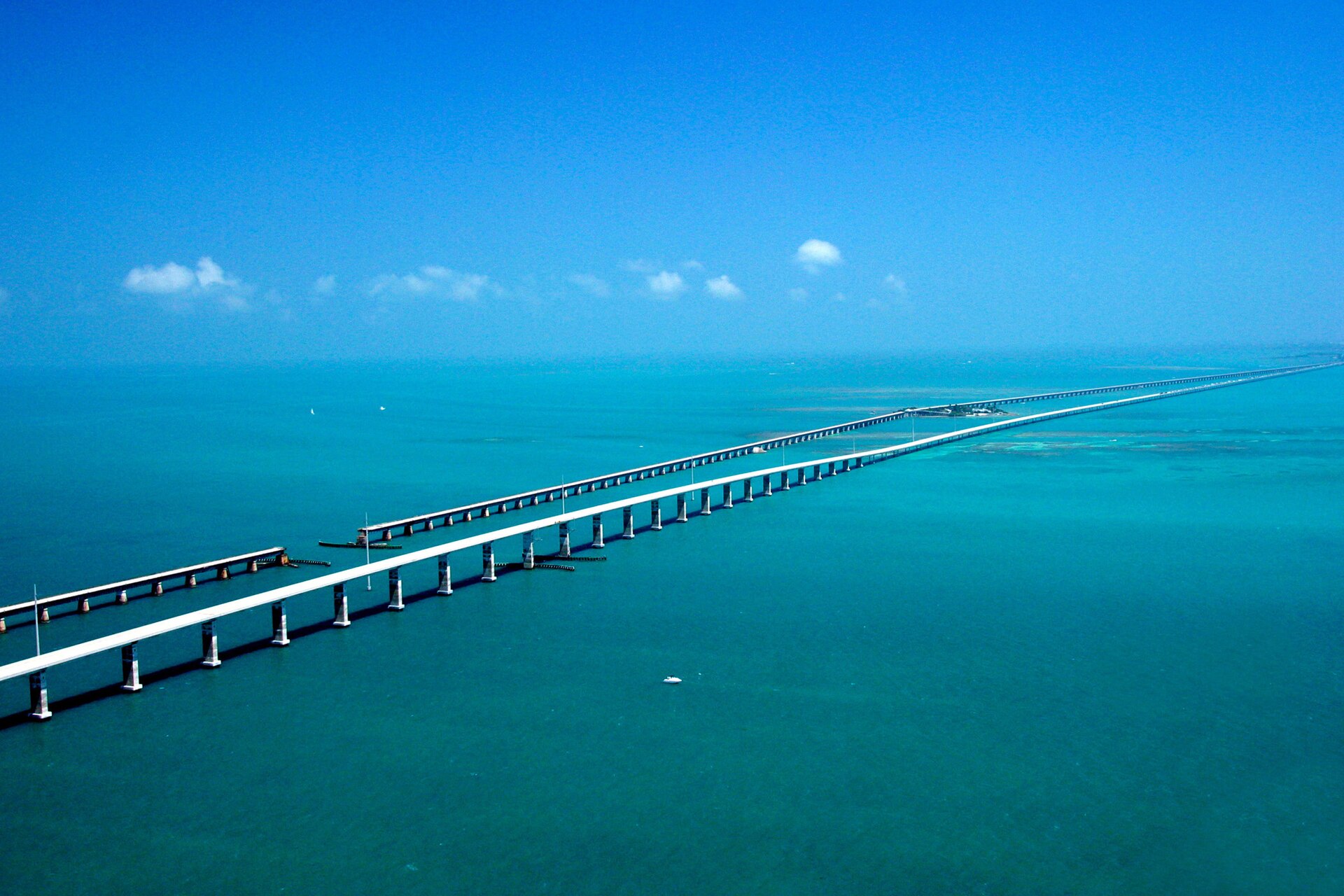
Florida works when the trip has a point of view. Choose family entertainment, a South Florida road journey, Gulf Coast restoration, nature, or a larger state narrative—then connect only the chapters that earn their travel time.
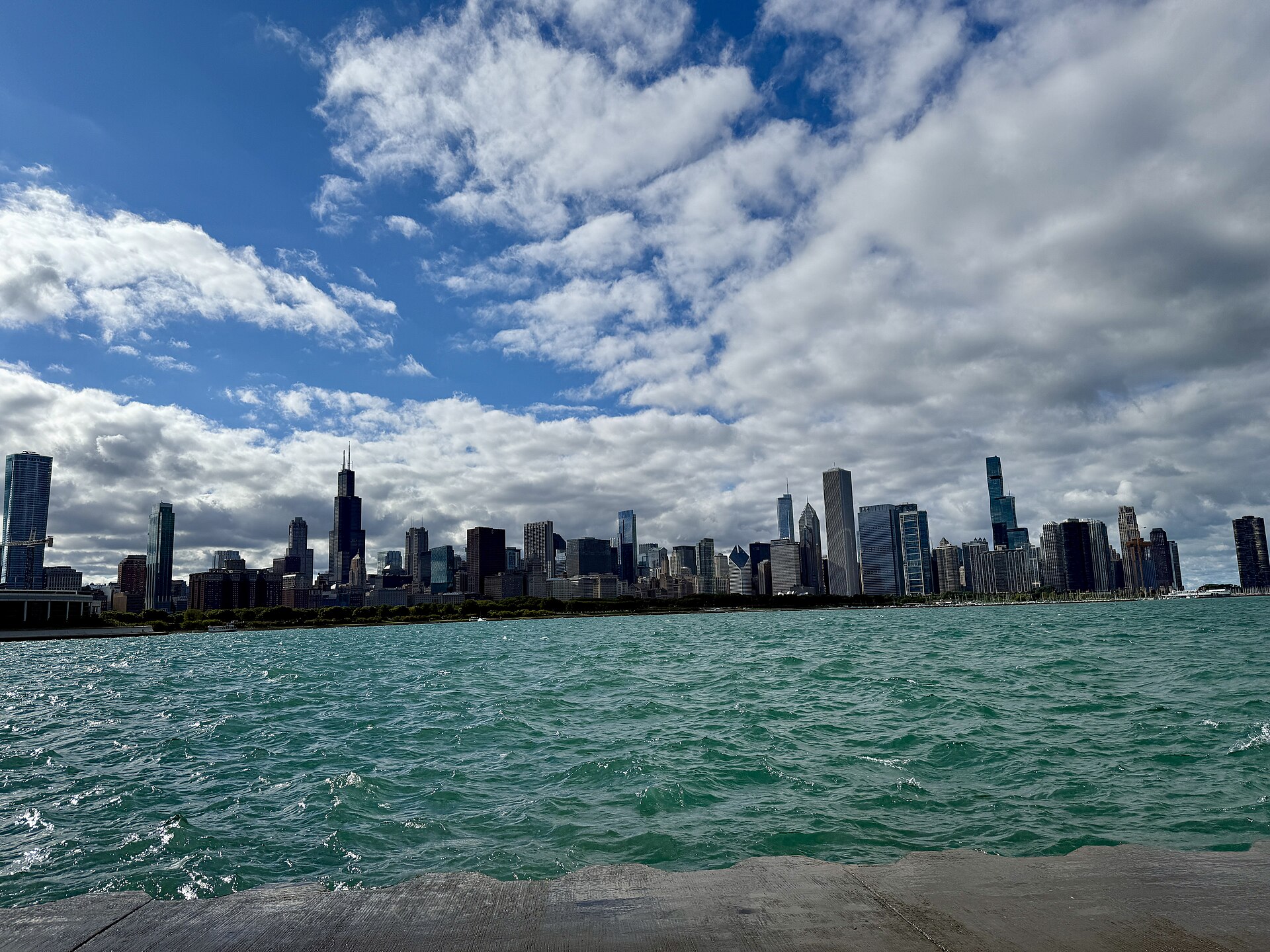
The Great Lakes are not one drive-around-the-water checklist. Strong trips choose a geographic spine—Chicago and Wisconsin, northern Michigan, or the Lake Erie cities—then protect ferry schedules, seasonal access, and enough nights for places with very different rhythms.

Hawaii is an island system, not a single resort promise. Oʻahu layers Honolulu, Waikīkī, royal history, museums, food, and surf culture; Maui balances resort time with Haleakalā and the Road to Hāna; Hawaiʻi Island adds living volcanoes and enormous driving scale; Kauaʻi rewards travelers who prioritize nature and a quieter rhythm. The strongest plan protects culture, community, and realistic island time.
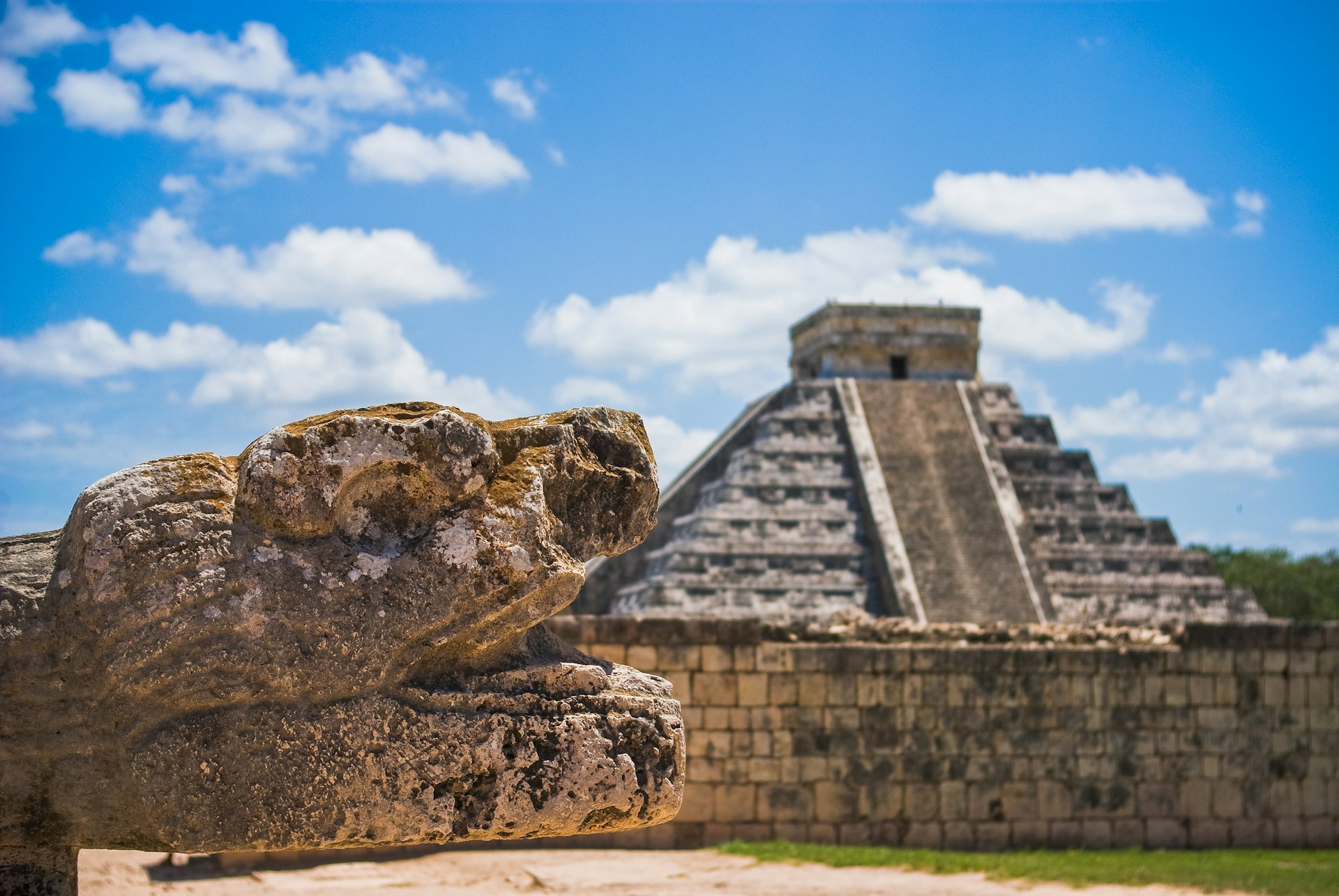
Mexico is often treated as a single beach category, but the strongest trips begin by separating the country's very different travel personalities. Riviera Maya and Cancun bring Caribbean water, all-inclusive resorts, cenotes, and Mayan ruins. Cabo brings desert-meets-sea scenery, Pacific drama, whale watching, villas, and polished luxury resorts. Mexico City brings food, art, architecture, neighborhoods, and cultural depth that can turn a beach trip into something much richer.
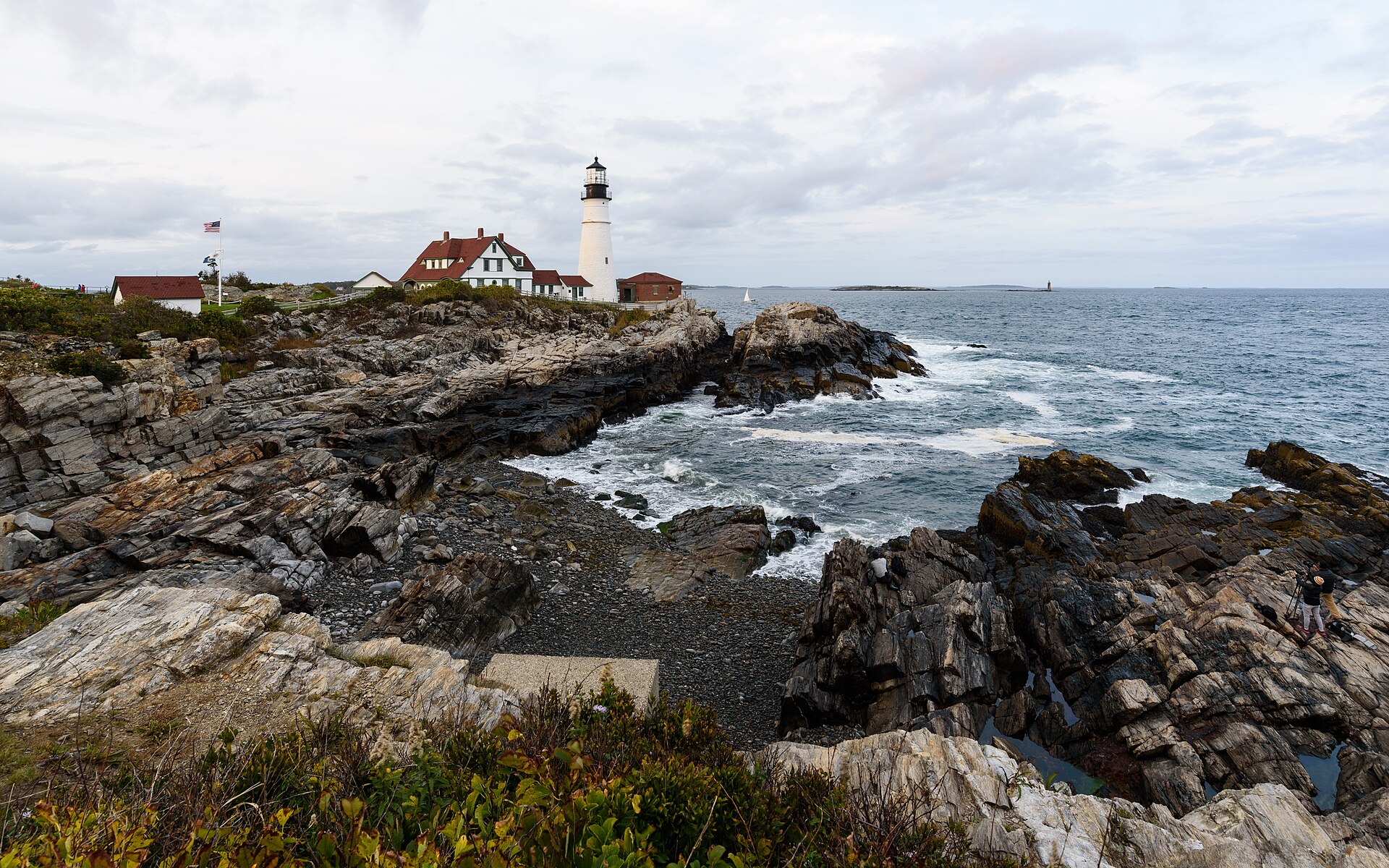
New England is not a six-state checklist. The strongest journey chooses a regional spine—Boston and history, Maine and the coast, foliage and mountains, or a longer grand circuit—then protects enough time for two-lane roads, character inns, weather, and the towns between landmarks.
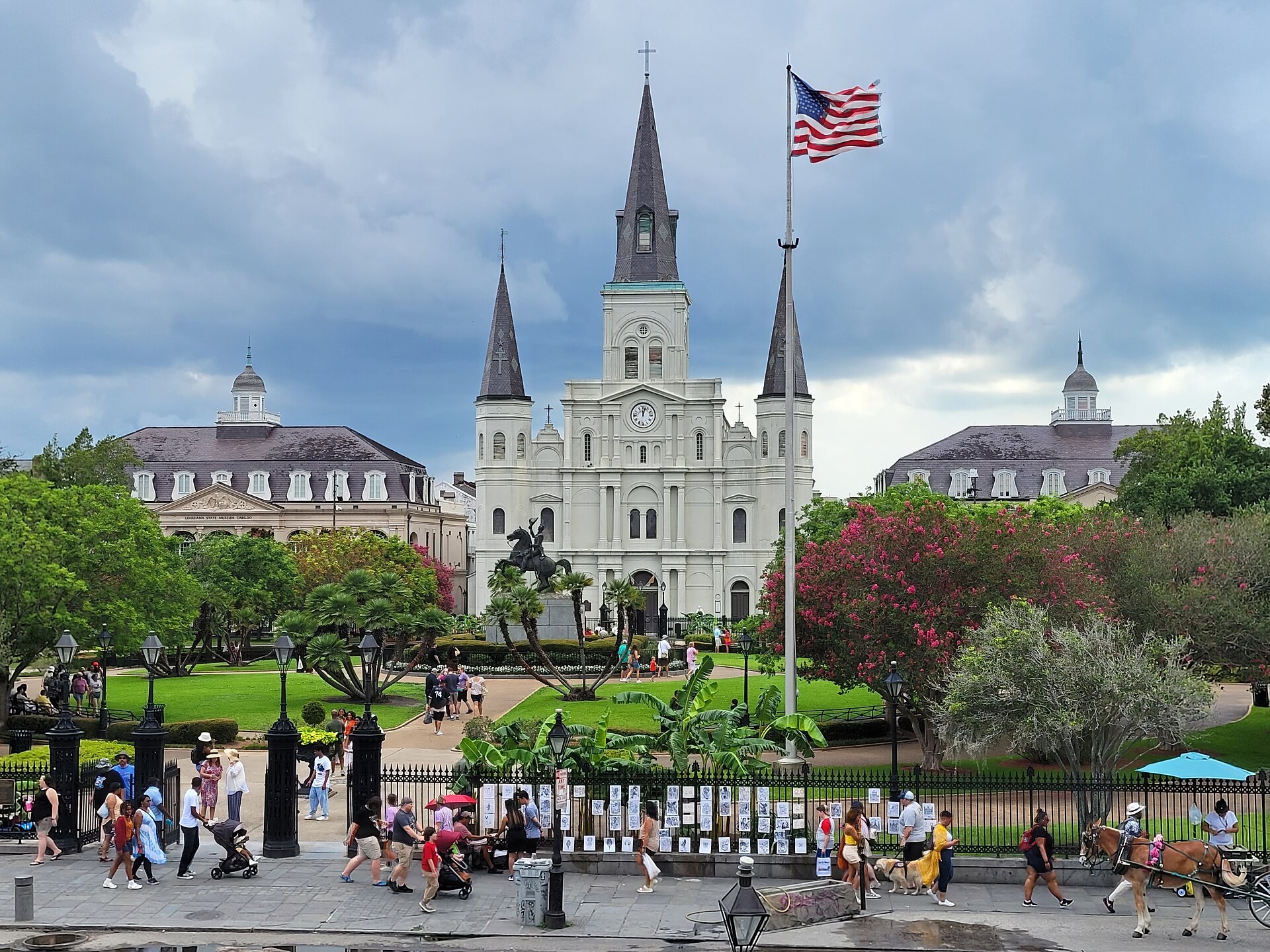
New Orleans is more than a French Quarter checklist. The strongest trip balances iconic streets with living neighborhoods, live music with thoughtful cultural context, Creole foodways with Louisiana’s wider Cajun traditions, and late nights with heat-aware, realistic pacing.

New York rewards selection. Choose the landmarks that matter, the neighborhood rhythm that fits, and a realistic daily geography—then let museums, Broadway, parks, food, and borough life form one coherent city story.

The Pacific Northwest is a regional journey, not a Seattle–Portland checklist. The strongest trip chooses a Washington or Oregon spine, treats ferries and scenic drives as operating days, protects lodge and city time, and uses season, weather, mobility, and road tolerance to decide what belongs.

Route 66 is a 2,400-plus-mile corridor of changing alignments, working communities, preserved roadside businesses, major cities, and landscapes from the Great Lakes to the Pacific. The strongest journey decides how much road to follow, where Interstate connectors protect time, and which places deserve more than a photograph.

The Southwest is not one loop and not one climate. The strongest journey chooses an Arizona, Utah, or New Mexico spine, protects canyon and cultural bases, respects tribal sovereignty, and treats altitude, heat, shuttles, seasonal access, and long drives as part of the design.
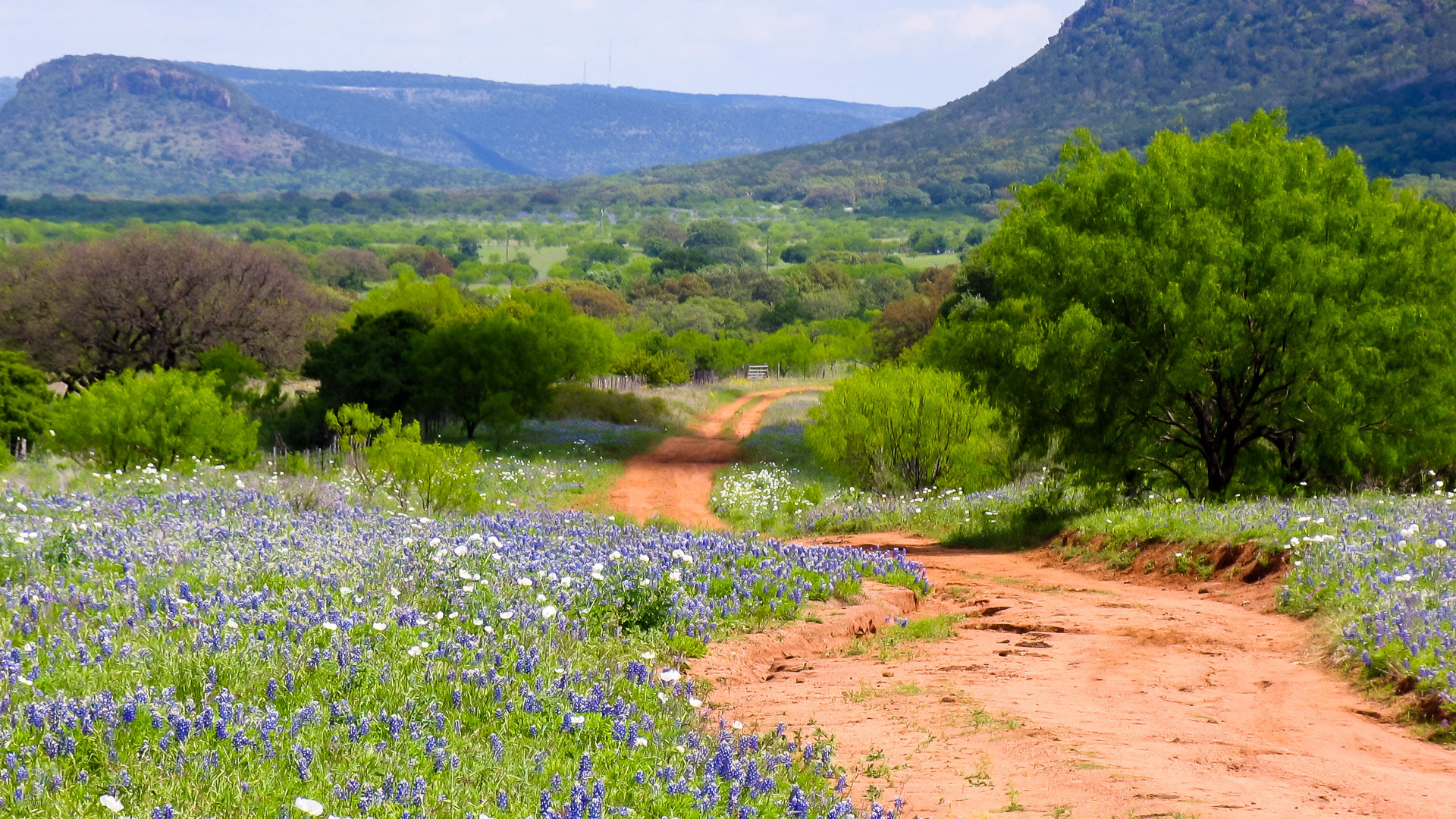
Texas rewards regional decisions. The strongest trip treats Austin, San Antonio, Dallas–Fort Worth, Houston, Hill Country, and West Texas as different experiences, then connects only the combinations that fit the traveler’s time, season, and tolerance for distance.

America's national parks are a collection of distinct operating environments, not one interchangeable trip type. The strongest journey starts with one geographic spine, protects meaningful time inside each park, and plans entrances, permits, wildlife hours, altitude, weather, lodging, and gateway logistics before adding another icon.

Washington is more than a monument checklist. The strongest stay balances the Mall's civic landscape with Smithsonian depth, Capitol Hill context, neighborhood life, and a realistic plan for walking, security, timed access, weather, and recovery.
Caribbean
15 destinations

Anguilla is quiet Caribbean luxury defined by exceptional beaches, boutique resorts, waterfront dining, sailing, and wellness.
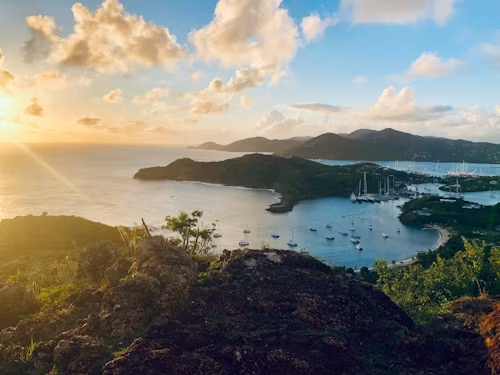
Antigua & Barbuda rewards travelers who combine English Harbour history, sailing, local flavor, and a deliberate Barbuda escape instead of treating the islands as interchangeable beach time.
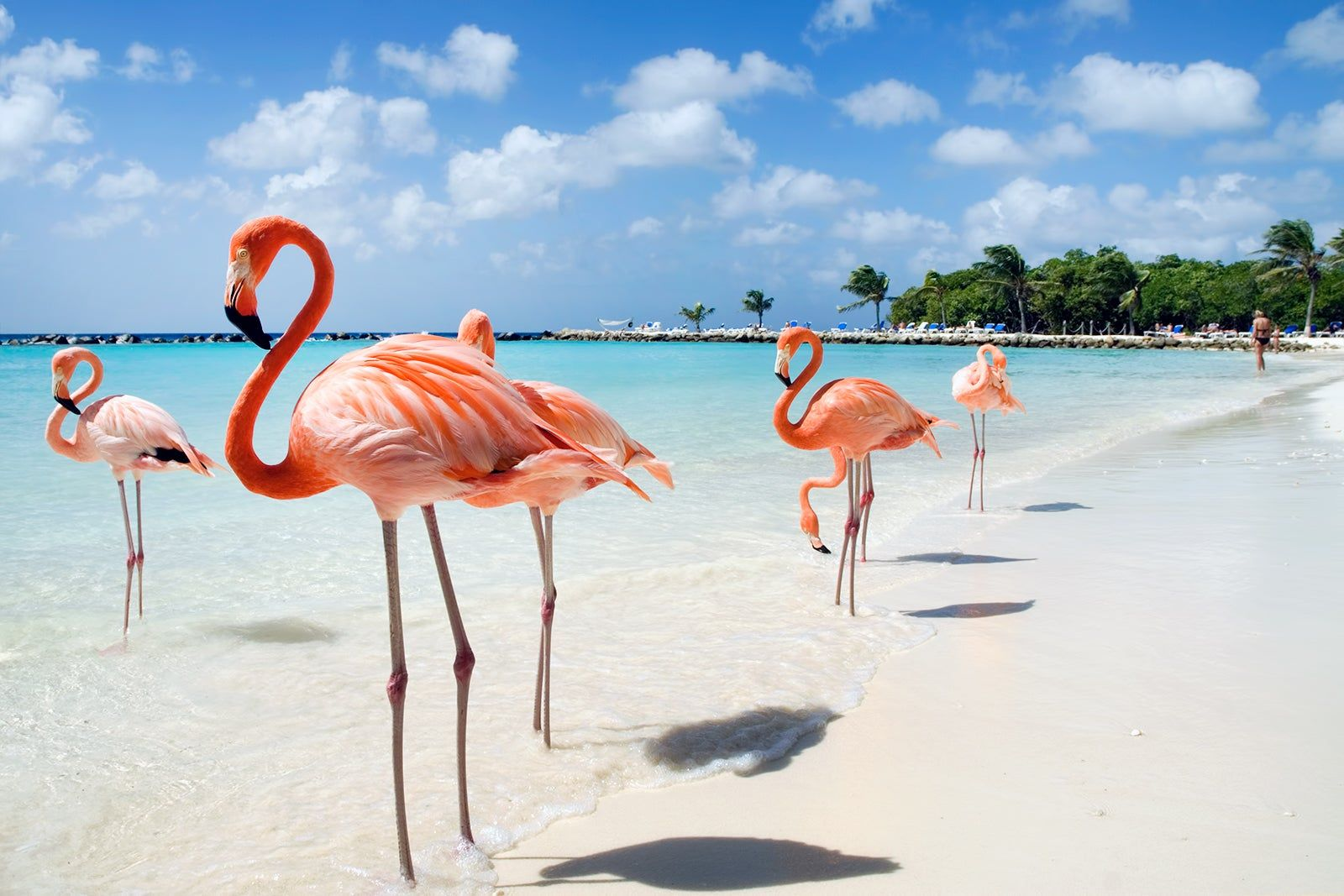
Aruba suits travelers who want reliable sun, distinctive desert-coast landscapes, water sports, nightlife, and family-friendly ease without losing local character.
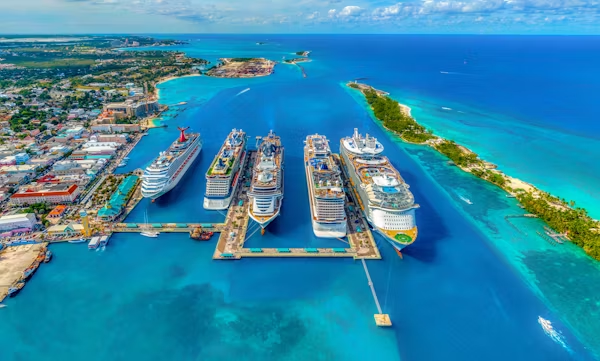
The Bahamas rewards travelers who choose between Nassau energy, Exuma boating, and the quieter rhythm of the Out Islands.
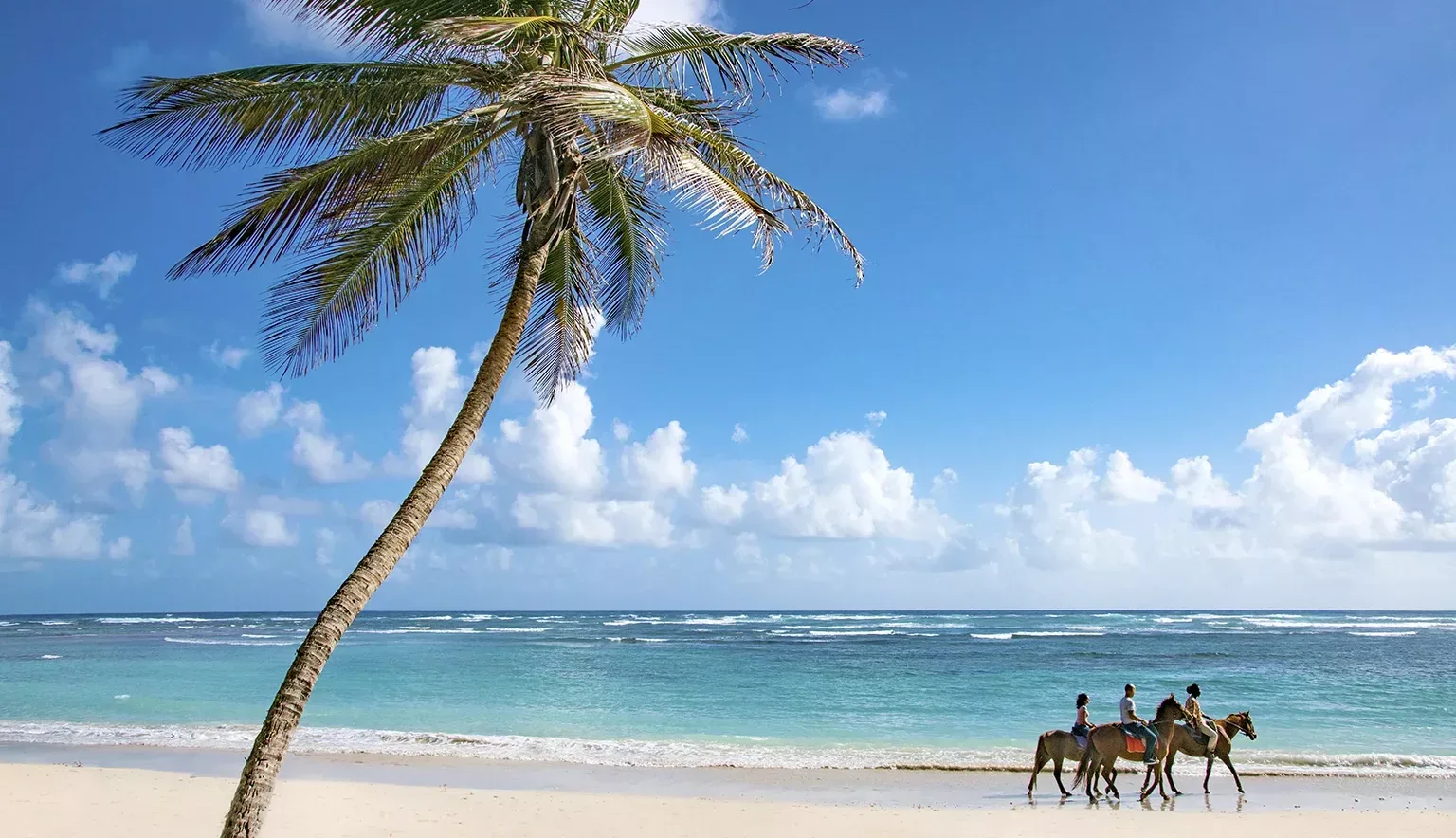
Barbados rewards travelers who care about food, heritage, surfing, and the contrast between the polished west coast and wilder east coast.
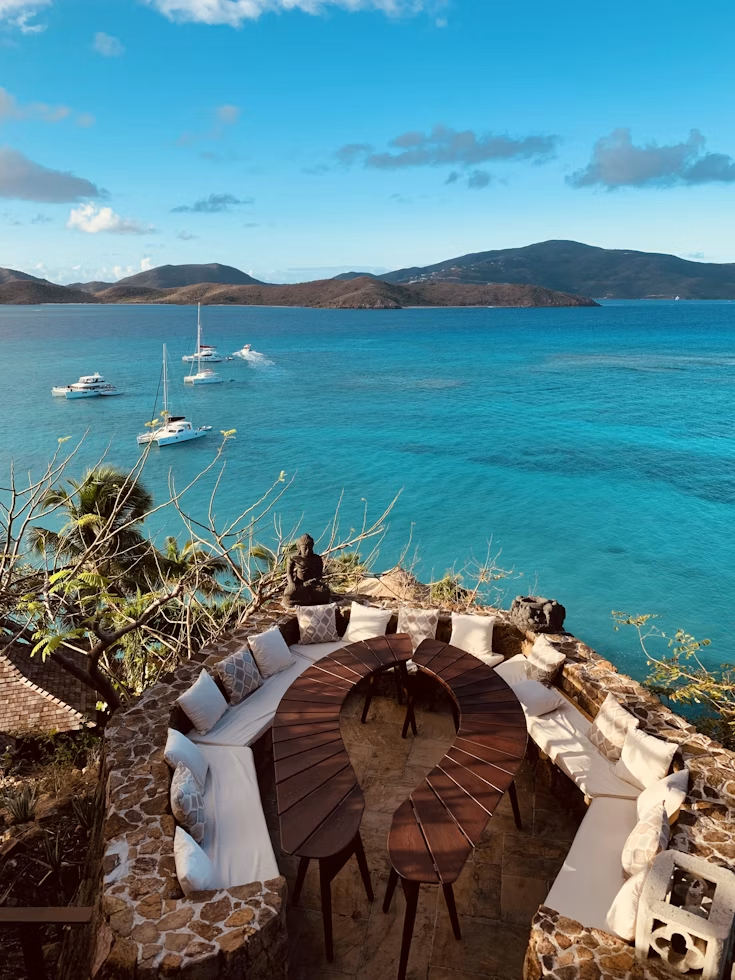
The British Virgin Islands reward travelers who choose the right operating model: villa or yacht, Virgin Gorda or Jost Van Dyke, and a sailing pace that leaves room for The Baths, Anegada, reefs, and White Bay.
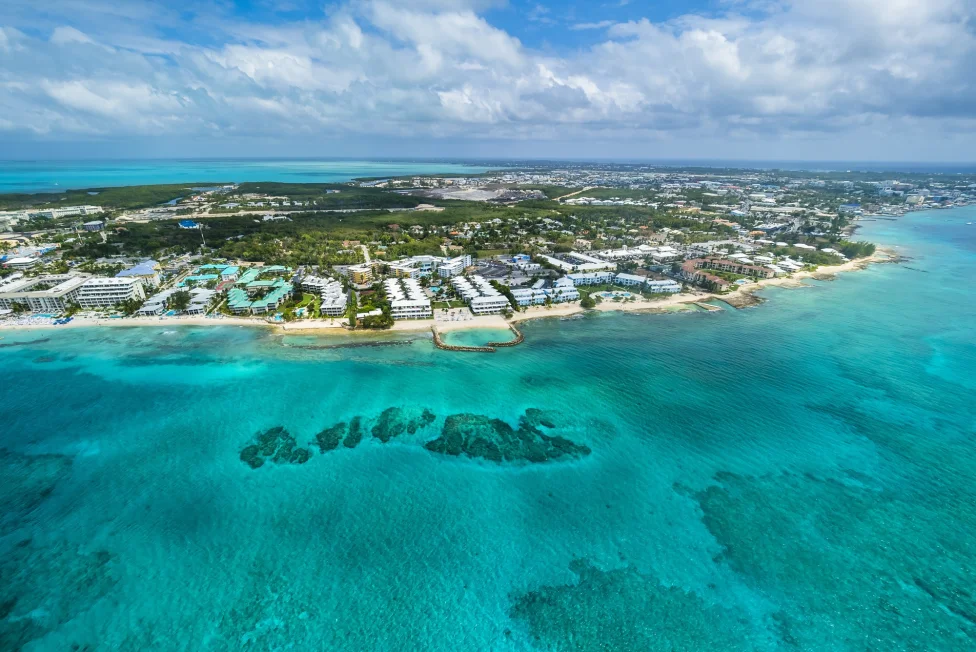
The Cayman Islands offer easy Caribbean luxury built around Seven Mile Beach, marine life, diving, waterfront dining, and relaxed island sophistication.
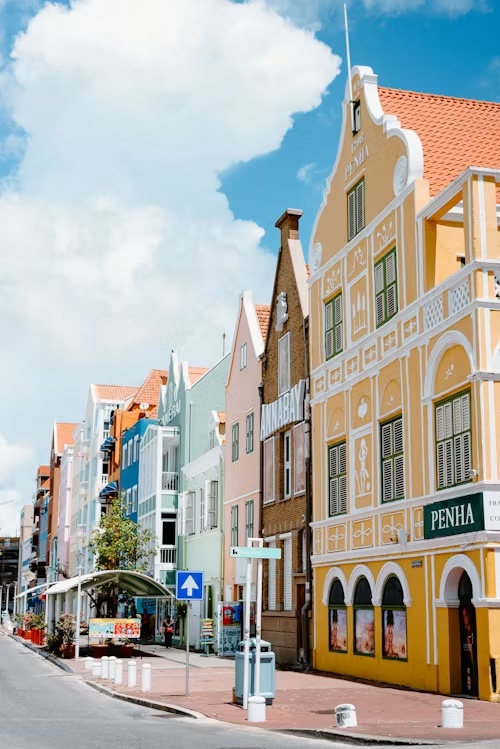
Curaçao brings together Willemstad's architecture, intimate coves, diving, street art, local traditions, and easy resort living in a Dutch-Caribbean island with its own visual language.
-CuRTwRmm.jpg?auto=format&fit=crop&w=1800&q=85)
Dominica is a nature-first Caribbean journey of Trafalgar Falls, rainforest wildlife, whale watching, Champagne Reef, Kalinago culture, and volcanic coastlines rather than a conventional resort-beach escape.

The Dominican Republic rewards travelers who balance Punta Cana and Bávaro beach time with Santo Domingo heritage, mountain landscapes, Dominican culture, and carefully chosen offshore escapes.
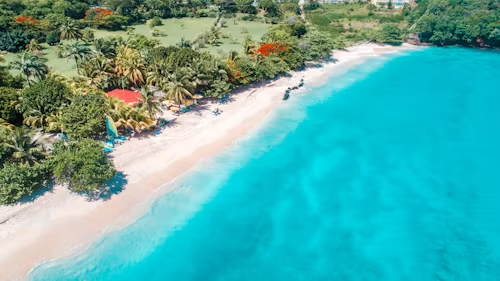
Grenada pairs Grand Anse Beach with rainforest and waterfalls, cocoa and spice traditions, St. George's harbor, the Underwater Sculpture Park, and a food culture worth planning around.
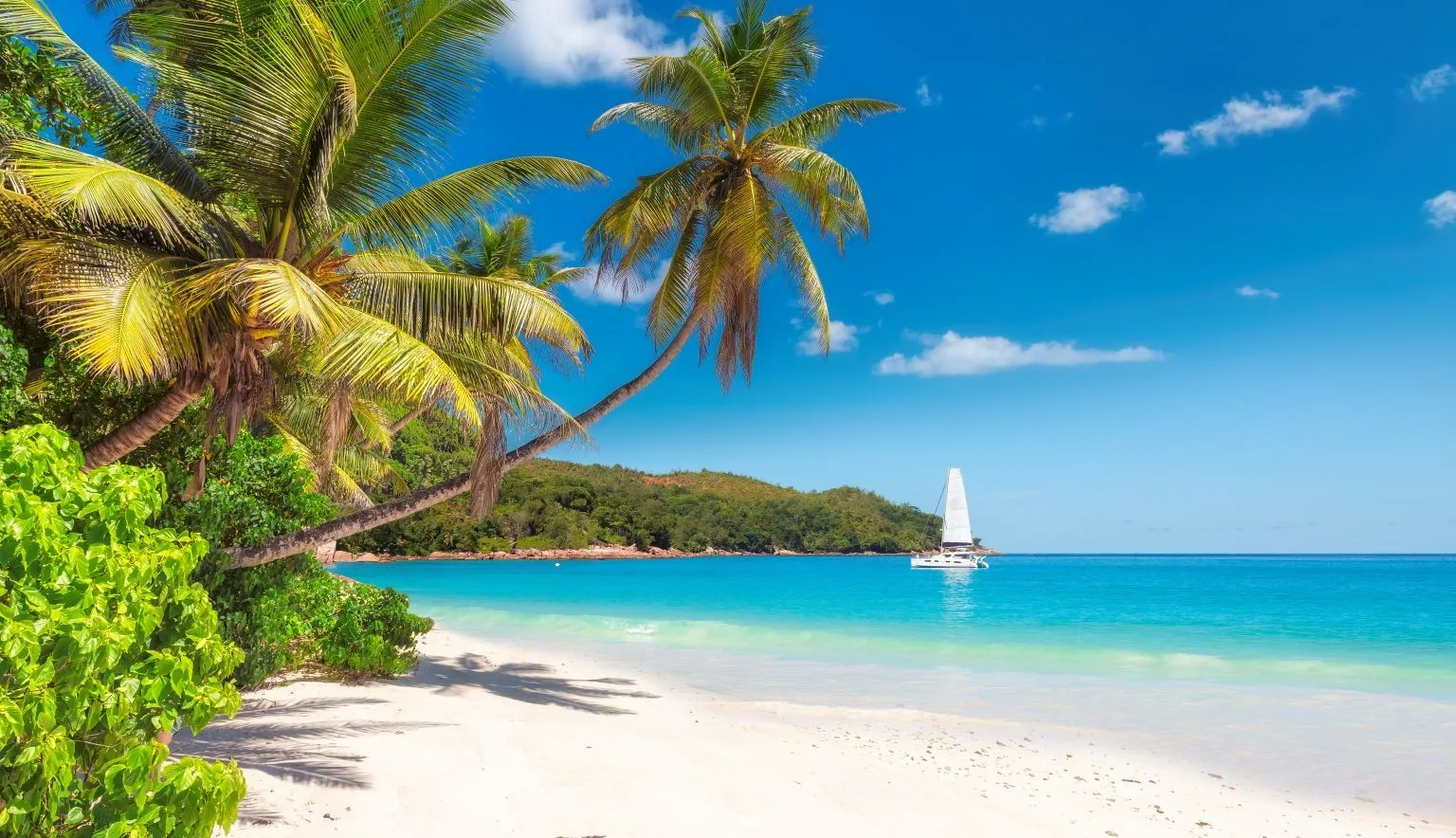
Jamaica is a layered journey of Blue Mountain mornings, food, music, waterfalls, and the choice between a refined all-inclusive stay and a more exploratory route.
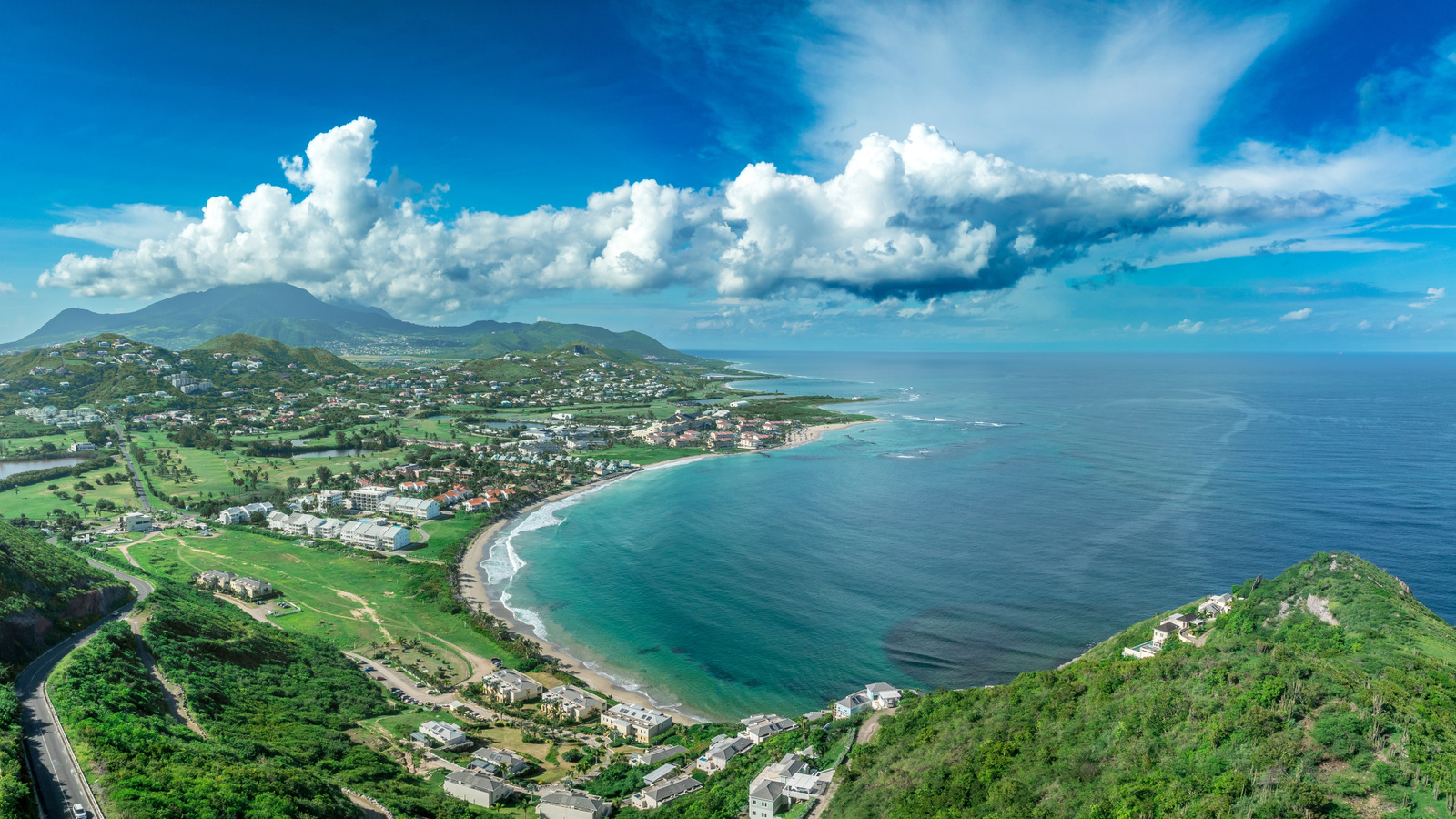
St. Kitts & Nevis pairs Brimstone Hill and sugar heritage with volcanic scenery, a scenic railway, beach time, festivals, and Nevis's quieter boutique-luxury rhythm.
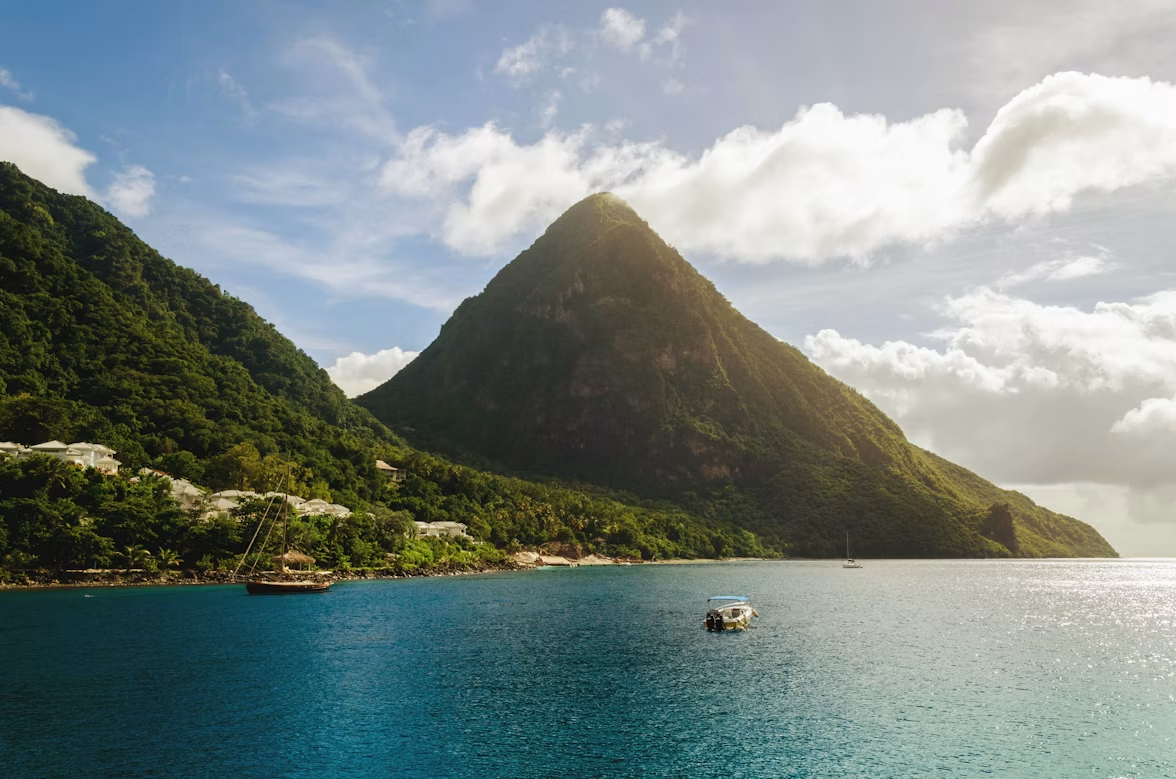
St. Lucia is for travelers who want a strong sense of place: the Pitons, volcanic landscapes, rainforest, wellness, and a boutique honeymoon rhythm.
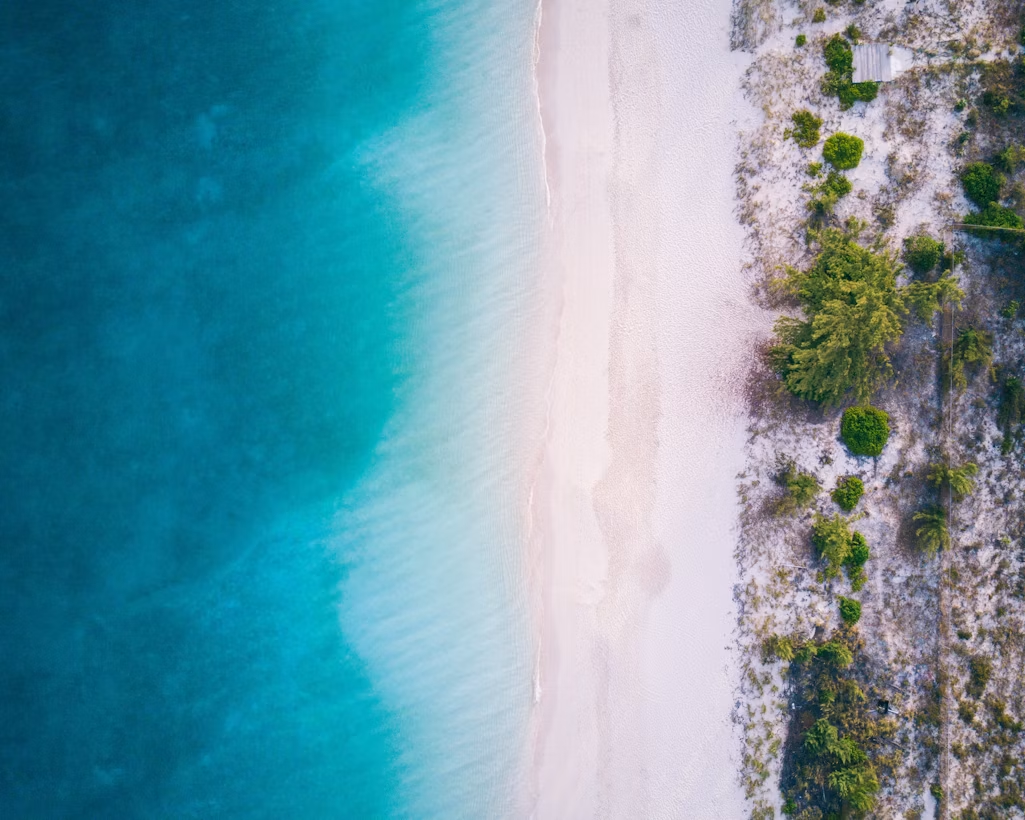
Turks & Caicos is a deliberate choice for couples and families who value calm water, exceptional villas, diving, snorkeling, and a refined low-friction stay.
Central America
7 destinations
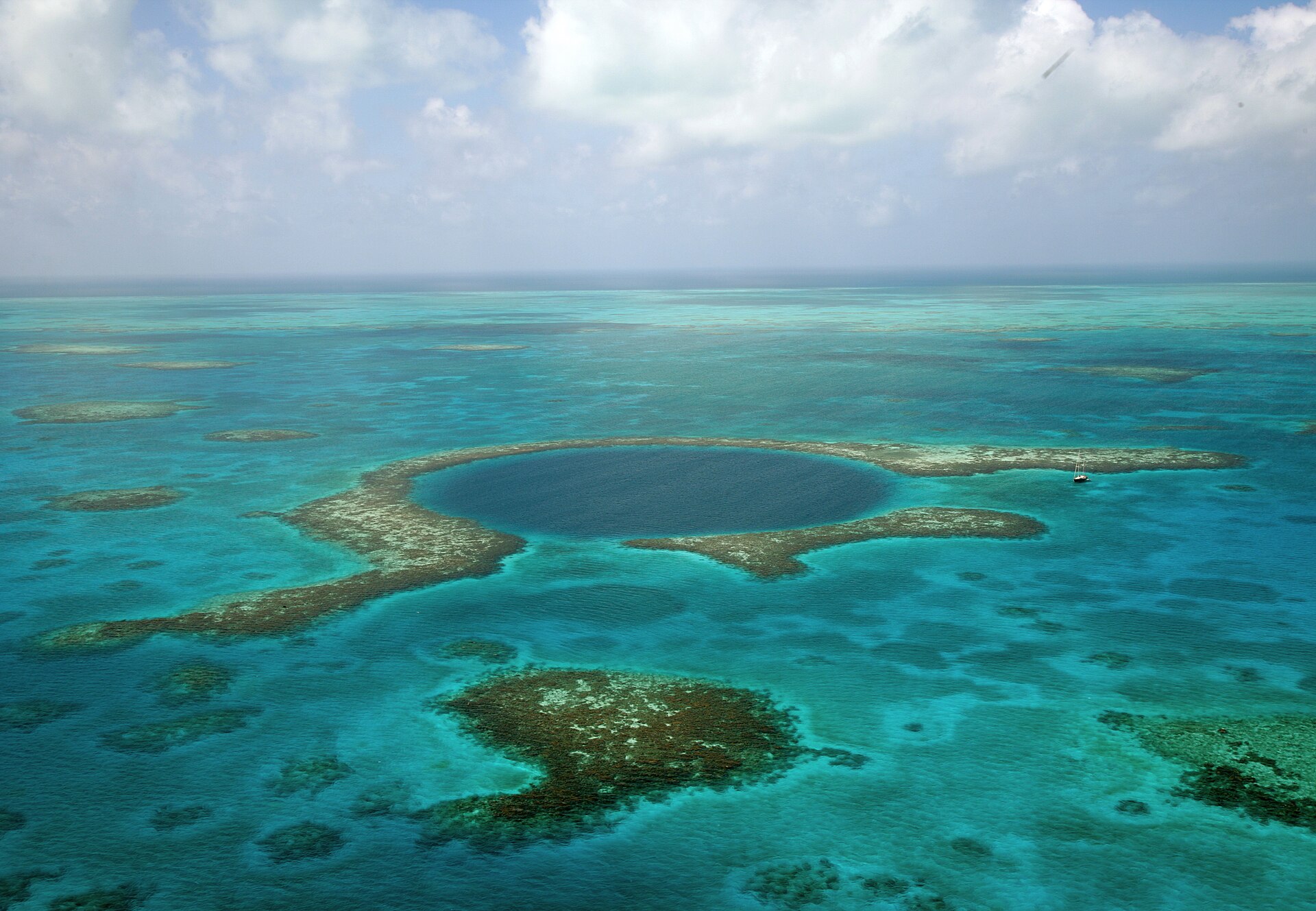
Belize pairs Caribbean reef days with Cayo lodges, caves, and Maya sites. Decide whether the trip stays water-first or sequences island and inland chapters with enough time for both.
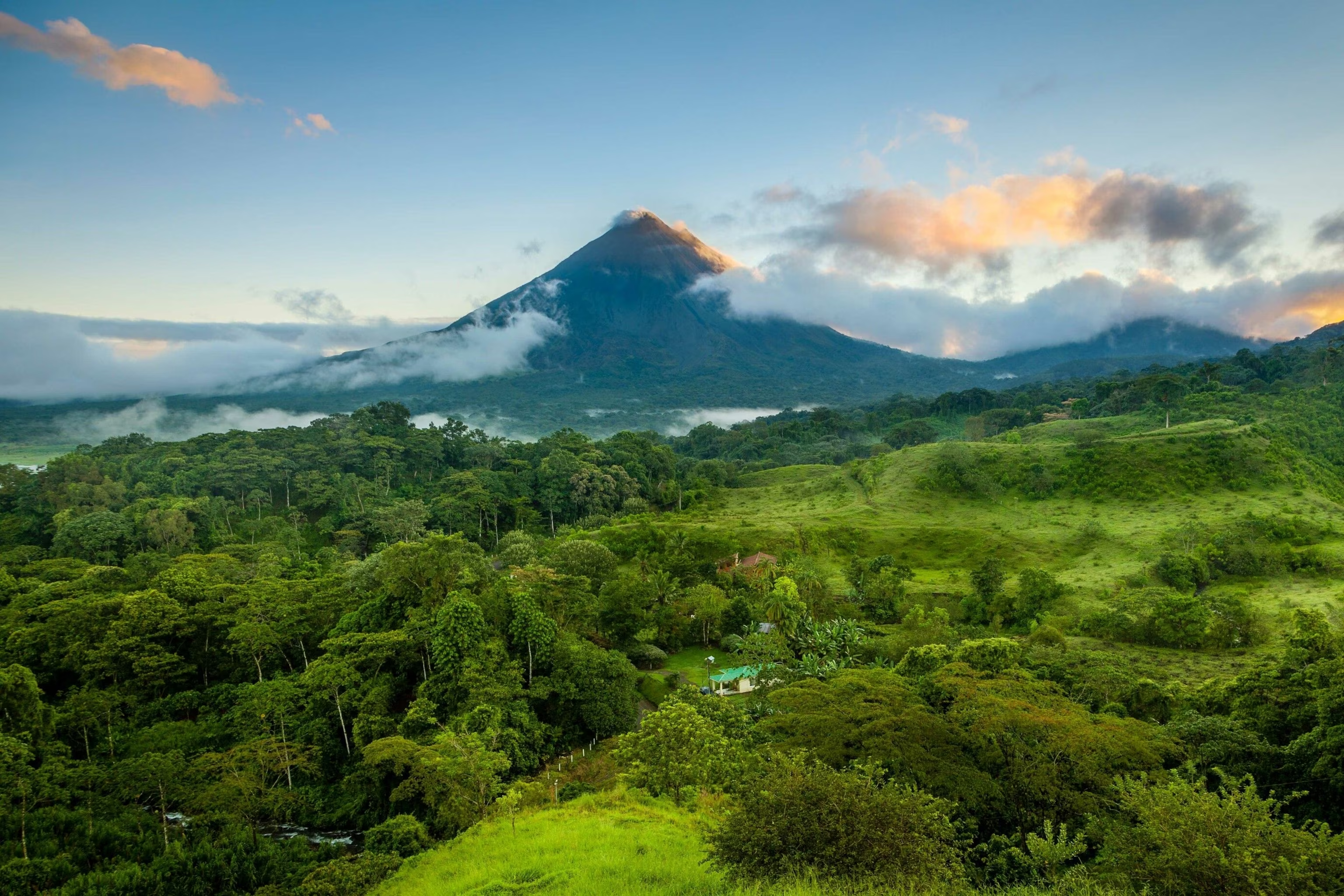
Costa Rica is a nature-forward destination where rainforest, volcanoes, wildlife, beaches, and eco-lodges can be combined into one active but comfortable trip. It is not just a beach vacation. The strongest Costa Rica itineraries usually pair inland adventure with coast or resort time, giving travelers both discovery and recovery.
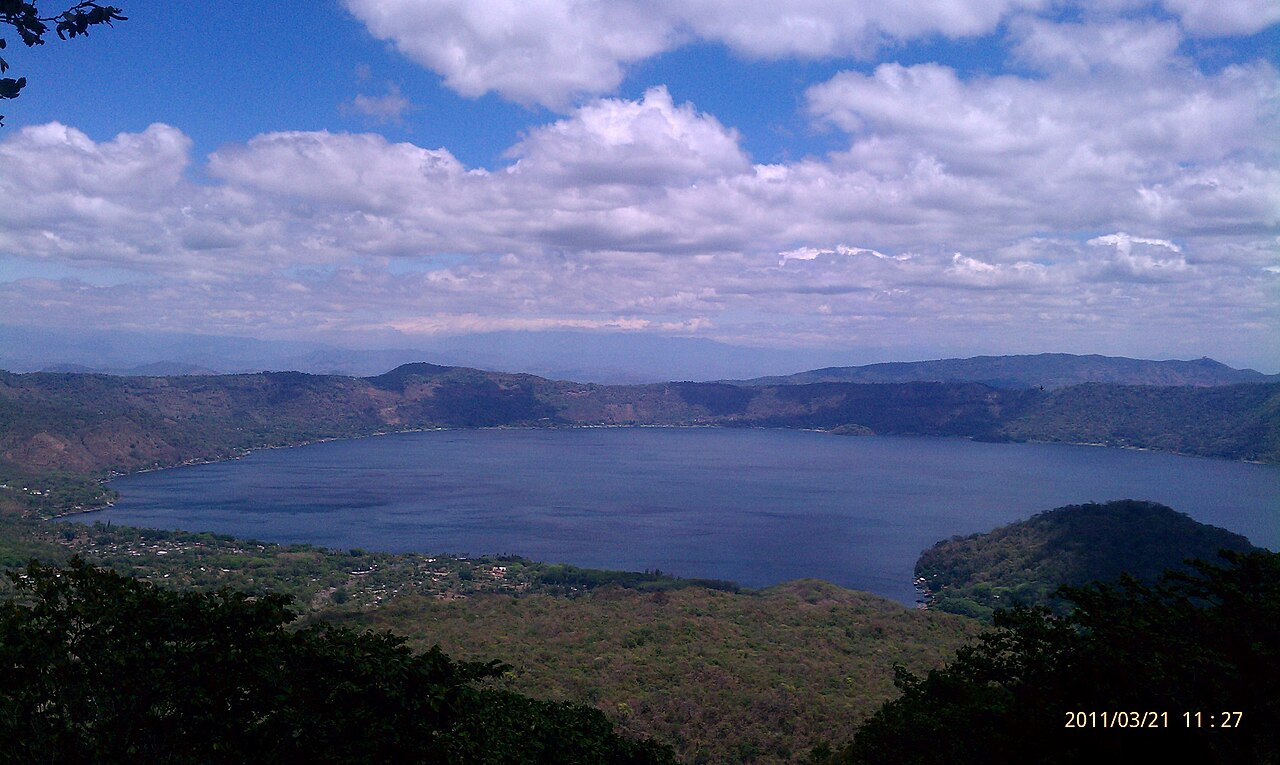
El Salvador works best as a compact country journey rather than a surf stop. The Ruta de las Flores links coffee landscapes and colorful towns; Santa Ana, Izalco, and Coatepeque add volcanic scale; Suchitoto and contemporary food deepen the cultural story before the Pacific changes the pace.
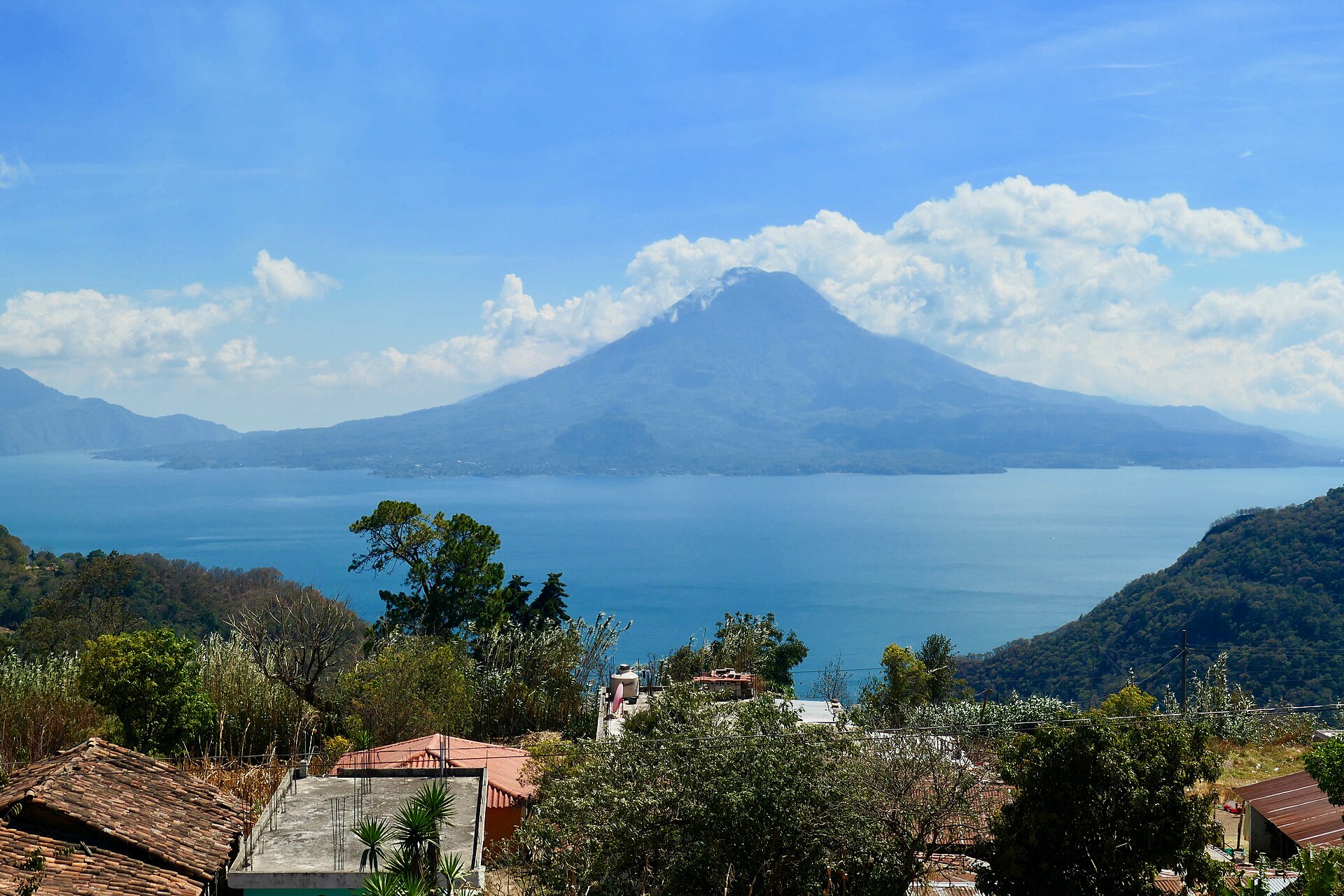
Guatemala is strongest when Antigua, Lake Atitlán, community-led highland experiences, and Tikal each keep a distinct role. Private guiding adds cultural and archaeological context; thoughtful transfers protect the journey from becoming a sequence of long travel days.
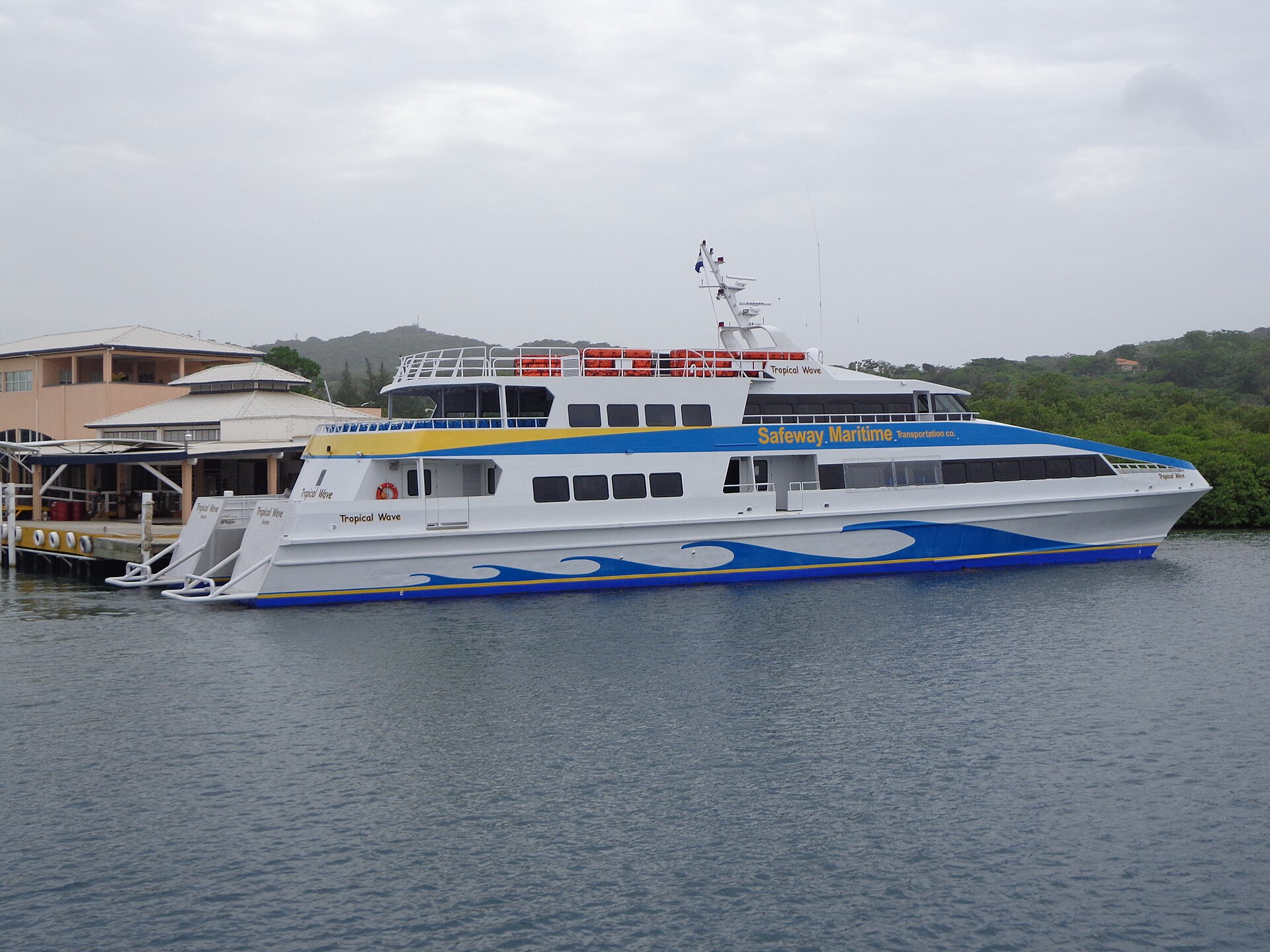
Honduras rewards travelers who treat Copán, the Bay Islands, Garífuna communities, and the Nombre de Dios mountains as distinct chapters. It is not a Belize substitute: the strongest route combines exceptionally sculpted Maya history, living Caribbean culture, island diving, and mainland rainforest with clear transfer logic.
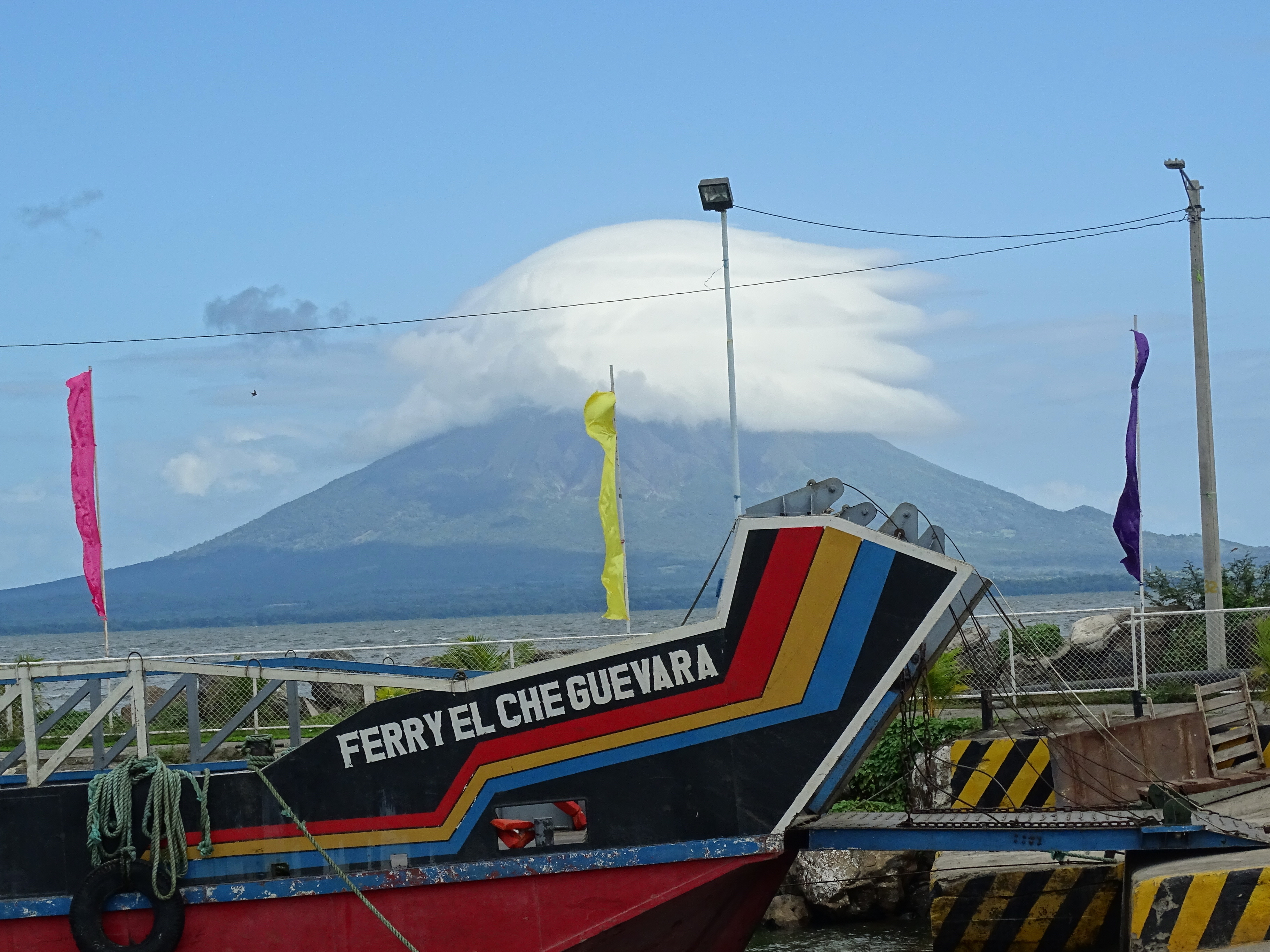
Nicaragua links Granada and León with volcanic landscapes, Lake Nicaragua, Ometepe, and a remote Caribbean chapter. The best route chooses a clear geographic arc rather than treating the country as a checklist.
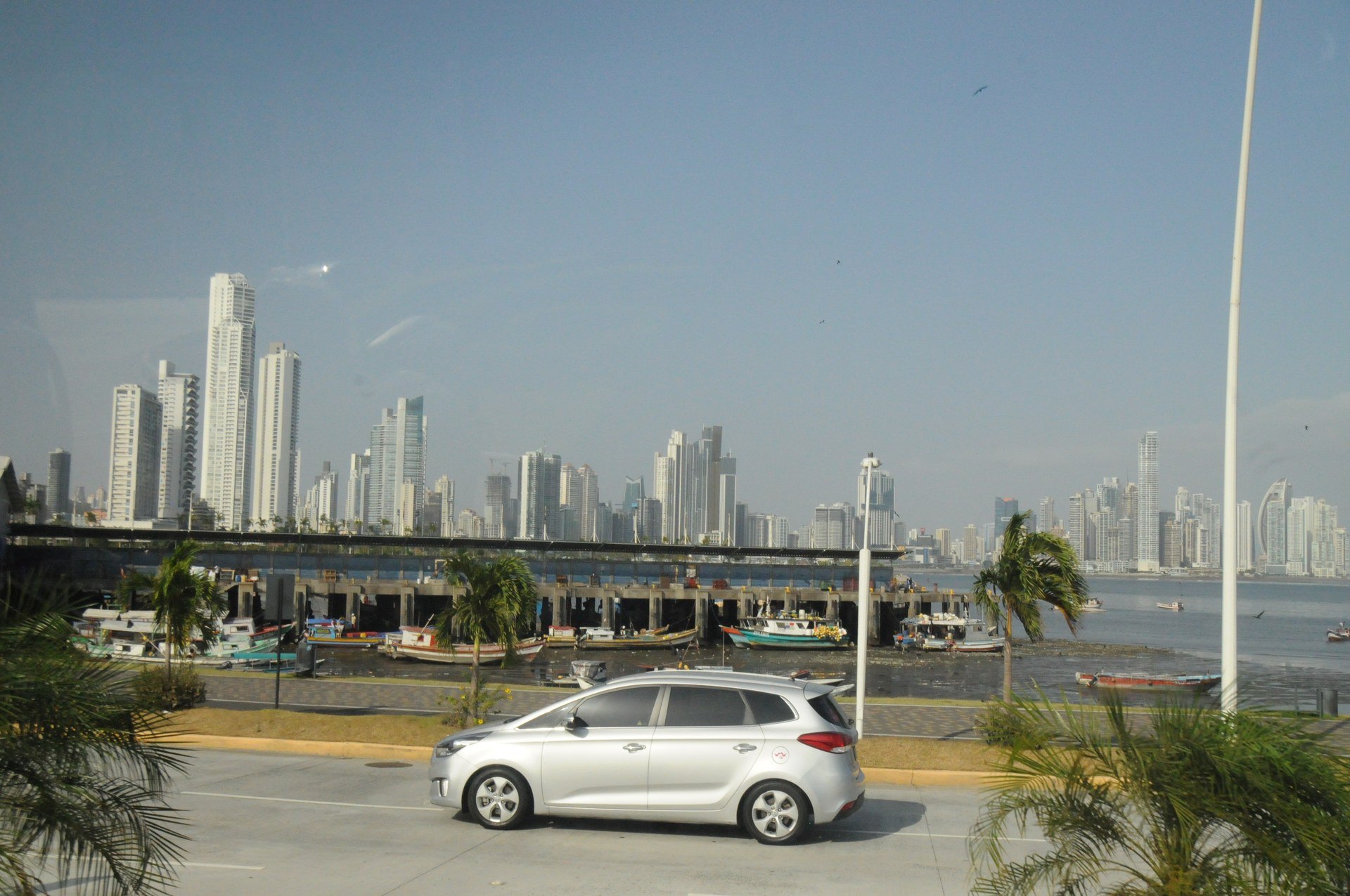
Panama is more than a stop at the locks. Panama City and Casco Viejo lead naturally into the Canal watershed, while the Pearl Islands, Boquete and Chiriquí, Bocas del Toro, and the Caribbean coast can turn a short city-and-nature stay into a complete country journey.
South America
6 destinations

Peru works best when Lima, the Sacred Valley, Cusco, Machu Picchu, and any Amazon extension are sequenced with respect for altitude, permits, rail categories, and travel time.

Argentina is a multi-region journey: Buenos Aires, wine country, Iguazú, and Patagonia each ask for different pacing, domestic flights, and seasonal choices.

Chile is a long, varied country: city and wine, desert, fjords, and optional Rapa Nui context require domestic flights and realistic pacing rather than one compressed highlights loop.

Brazil works when Rio, Iguazú, Amazon or Pantanal, Salvador, and the coast are chosen as distinct chapters rather than reduced to Rio and a beach.

Colombia rewards travelers who connect Bogotá, Medellín, coffee country, and Cartagena or the Caribbean coast with realistic domestic flights and regional depth.
%20adult%20and%20chick.jpg?width=1800)
Treat Ecuador and Galápagos as one combined destination while clearly separating mainland culture and Andes, expedition cruises, and land-based island programs.
Europe
35 destinations
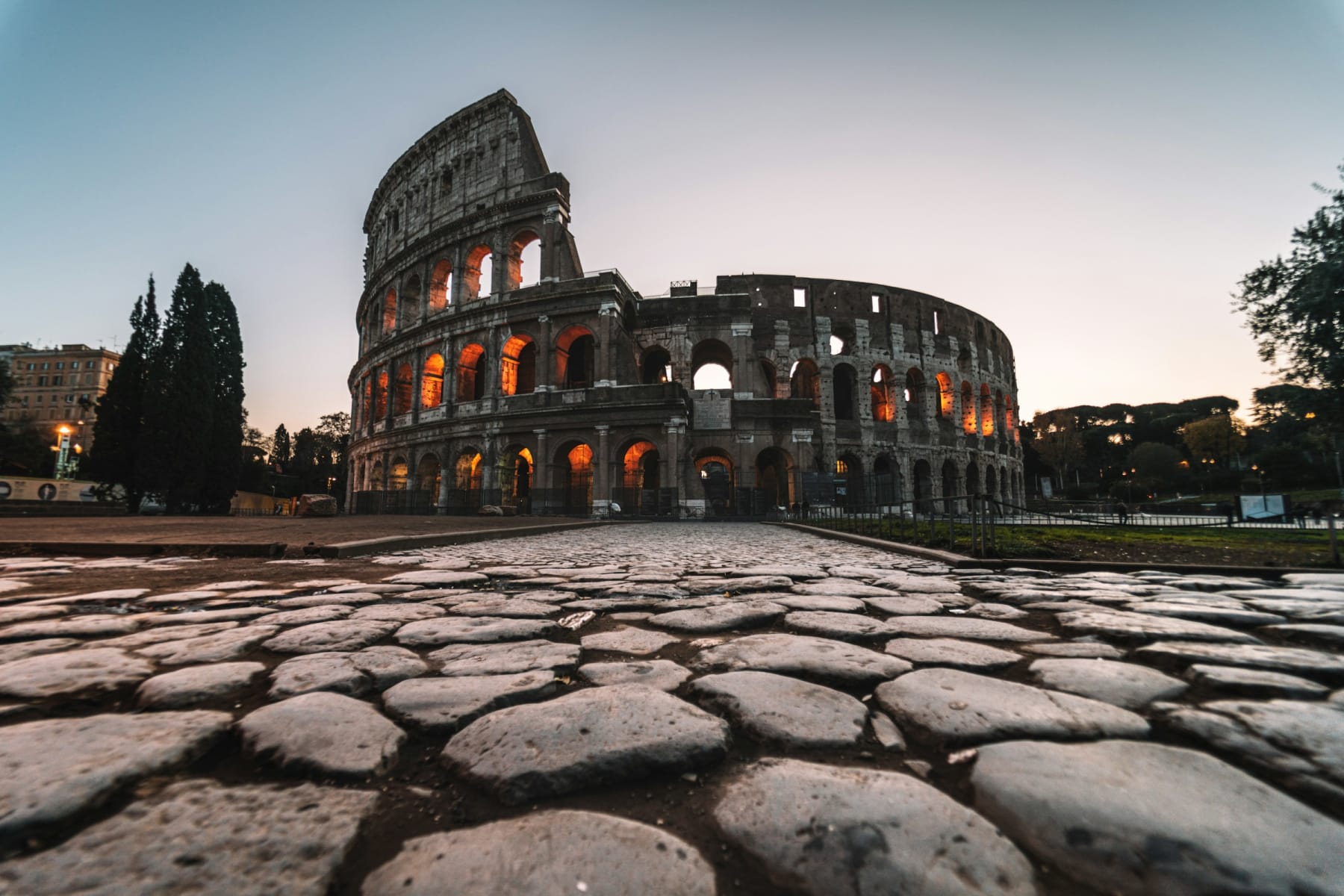
Italy rewards focus more than volume. Rome, Florence, Tuscany, Venice, the Amalfi Coast, Sicily, and the lakes can each shape a different vacation, so the strongest route begins with the experience and rhythm that should lead.
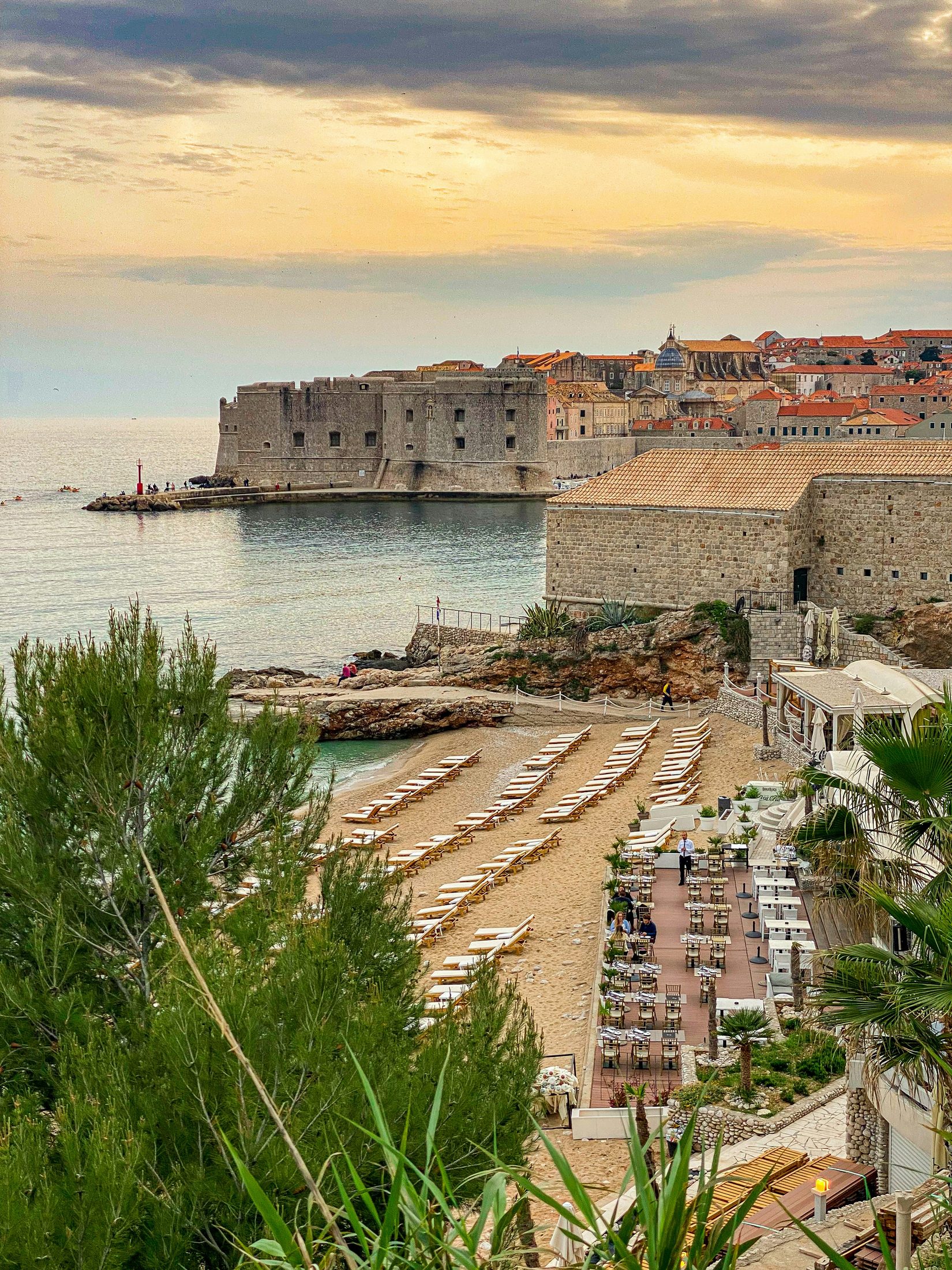
Croatia connects historic coastal cities, islands, food, wine, and Adriatic water in a route that can feel effortless when transfers are edited carefully. The strongest trip chooses a clear rhythm instead of collecting every famous stop.
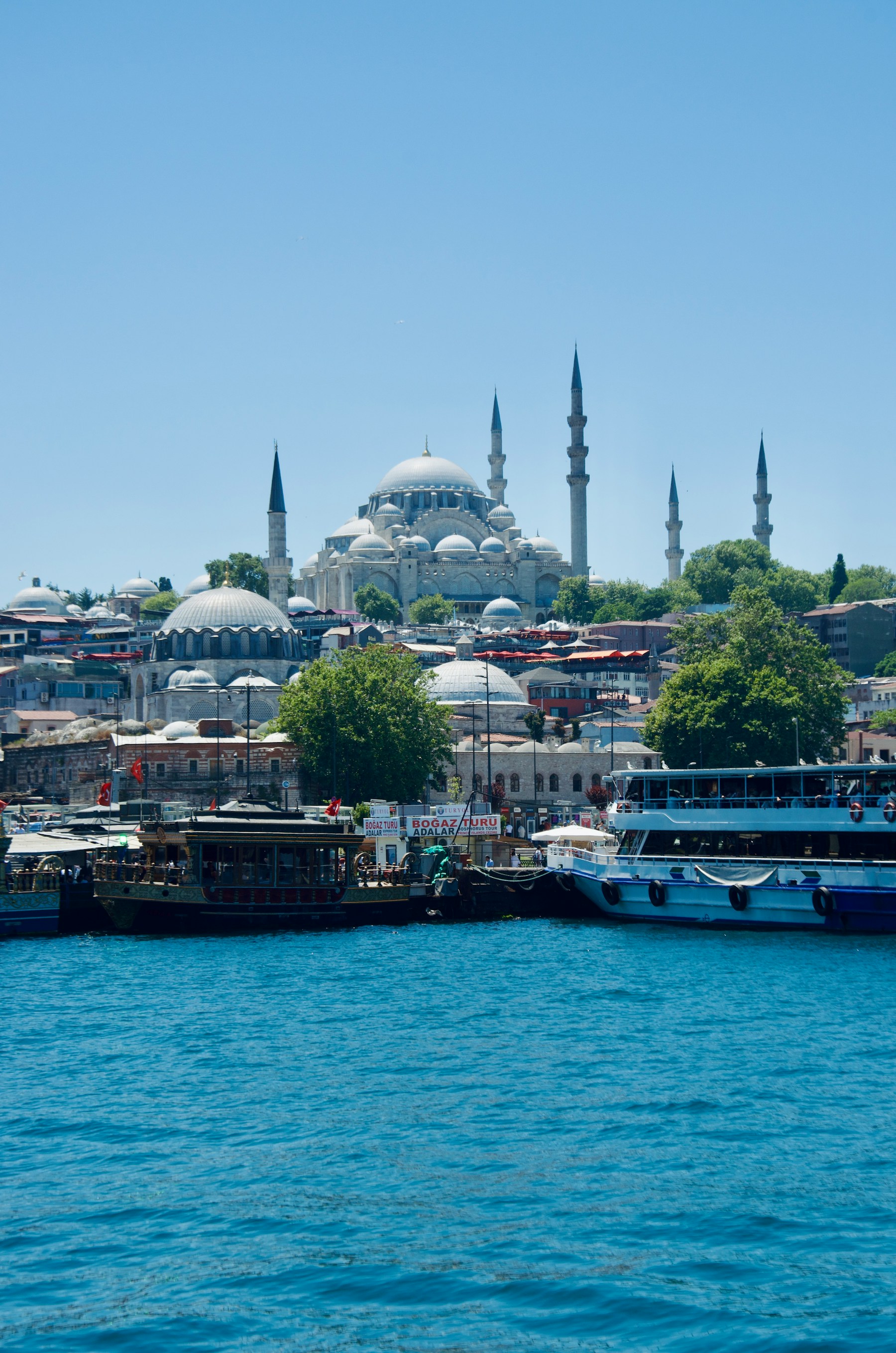
Turkey is not one travel mood. Istanbul, Cappadocia, ancient sites, food, bazaars, and the Aegean coast form distinct chapters, and the strongest journeys protect enough time and context for each one to feel different.

Norway is a destination of scale: fjords, coastal villages, mountains, rail journeys, Arctic islands, midnight sun, and northern lights. The strongest routes begin with season and geography, then use water, rail, air, and road strategically so the journey feels cinematic rather than logistically heavy.

Iceland is elemental, compact, and highly dependent on season and route design. Waterfalls, glaciers, volcanoes, black-sand beaches, lagoons, and wide-open roads create the drama; realistic drive times, well-placed hotels, expert support, and weather alternatives create the comfort.

Sweden balances Stockholm's design, history, and food with thousands of archipelago islands, a relaxed west coast, and the seasonal drama of Swedish Lapland. The strongest journeys decide early whether city and coast or Arctic light should lead.

Denmark pairs Copenhagen's food, design, and neighborhood life with North Zealand castles, coastal towns, islands, and smaller cities. The strongest journeys decide whether the capital, castle country, or coast should lead—and give each chapter enough time.

Finland balances Helsinki's design, history, and food with thousands of archipelago islands, a relaxed west coast, and the seasonal drama of Finnish Lapland. The strongest journeys decide early whether city and coast or Arctic light should lead.
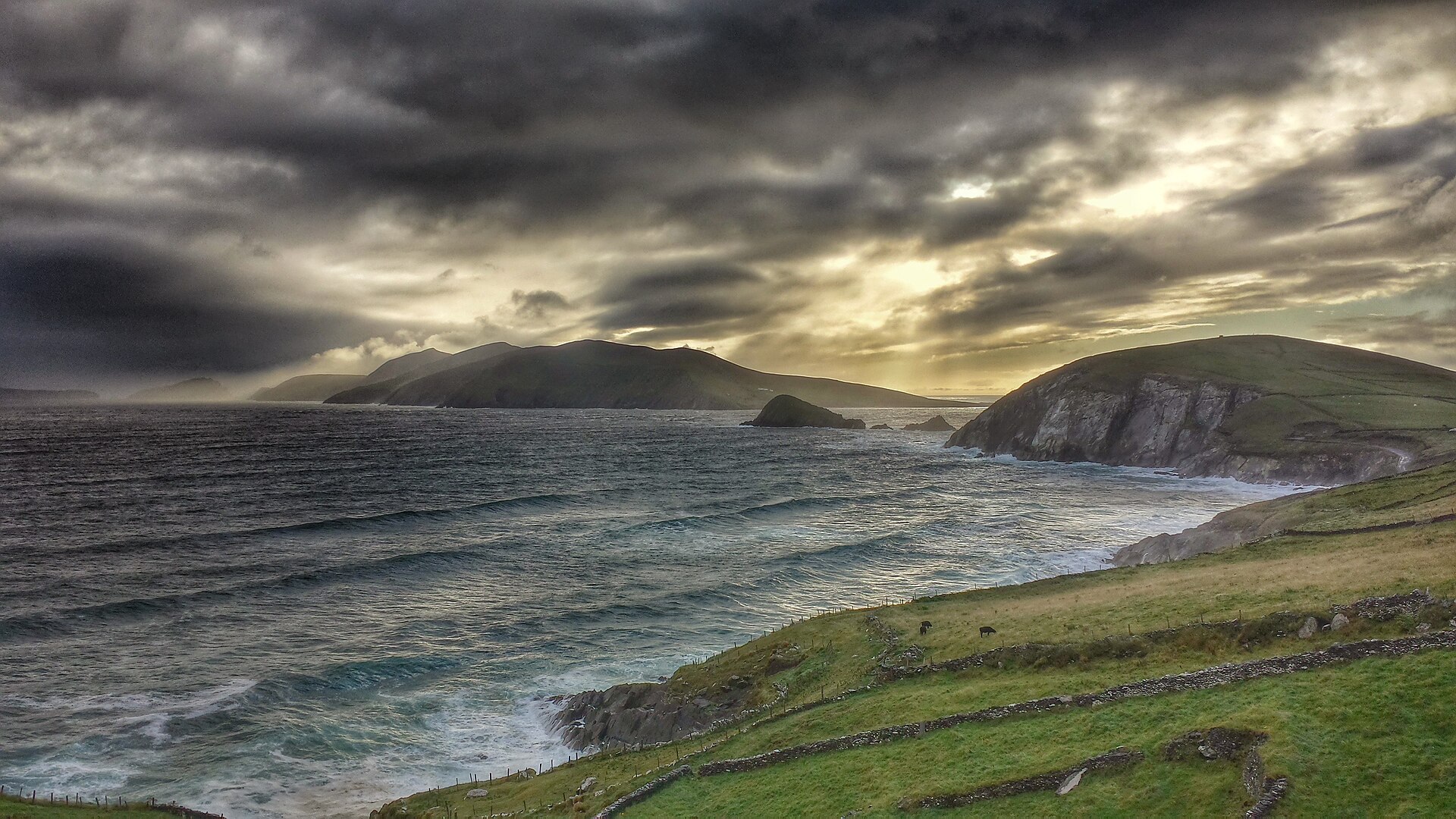
Ireland is strongest when Dublin opens the story and the route leaves room for the western coast, music, conversation, castle or manor stays, changing weather, and unscripted stops instead of becoming a fast scenic loop.

Spain becomes richer when Madrid, Barcelona, Andalusia, the Basque Country, Rioja, or the coast is allowed to set the rhythm. The strongest itinerary chooses a regional story instead of treating the country as a quick city checklist.

Austria works best when Vienna's cultural density, Salzburg's intimate scale, the Danube, and the Alps are given distinct roles. A strong route uses rail for the east-to-west spine and adds private touring only where rural access or deeper context earns it.

Germany rewards regional choices. Berlin, Bavaria, the Rhine and Moselle, historic towns, and the southwest each need a clear role; high-speed rail links major cities while rural castles, wine villages, and scenic roads require more deliberate transport.

Switzerland feels effortless only when its lake cities, car-free mountain villages, panoramic railways, and weather-sensitive excursions are sequenced with discipline. The best first journey chooses a clear alpine focus and limits hotel changes.

France becomes more personal when Paris is the beginning rather than the whole story. Provence, the Riviera, Normandy, the Loire, wine regions, and river journeys each create a different rhythm, so the strongest itinerary chooses a clear second chapter.

The Netherlands is compact but not one-city travel. Amsterdam's museums and canal ring anchor the first visit; Haarlem, Leiden, Delft, The Hague, Rotterdam, Kinderdijk, and the coast add distinct experiences that often work by rail without unnecessary hotel changes.

Belgium rewards travelers who look past its convenient rail map. Brussels, Bruges, Ghent, Antwerp, Leuven, and Ypres each tell a different story through art, architecture, food, language, and memory—and most can be combined without constant hotel changes.

Luxembourg is not merely a day trip between larger neighbors. Its cliff-layered capital, Bock fortifications, Grund, Vianden, Mullerthal, Echternach, and Moselle wine villages support a short independent journey or a carefully edited regional route.

The Czech Republic rewards travelers who look beyond a Prague checklist. A strong first route balances the capital's architecture and history with one purposeful countryside chapter, whether Český Krumlov, Kutná Hora, Karlovy Vary, or South Moravia.

Hungary is strongest when Budapest receives real depth and the route chooses one purposeful extension—Lake Balaton, the Danube Bend, Eger, Tokaj, or southern wine country. Baths, food, music, and twentieth-century history need thoughtful pacing, not a capital checklist.

Slovenia's small scale is deceptive. Ljubljana, Bled, Bohinj, Triglav, the Soča Valley, caves, Vipava, and Piran each deserve a distinct role. The best route limits hotel changes and uses driving or private support where mountain and wine-country access matter.

Slovakia is not merely a stop between Vienna and Budapest. Bratislava, the High Tatras, Spiš, Banská Štiavnica, Košice, and mountain castles can form a focused journey when rail, road, and stay lengths are sequenced realistically.
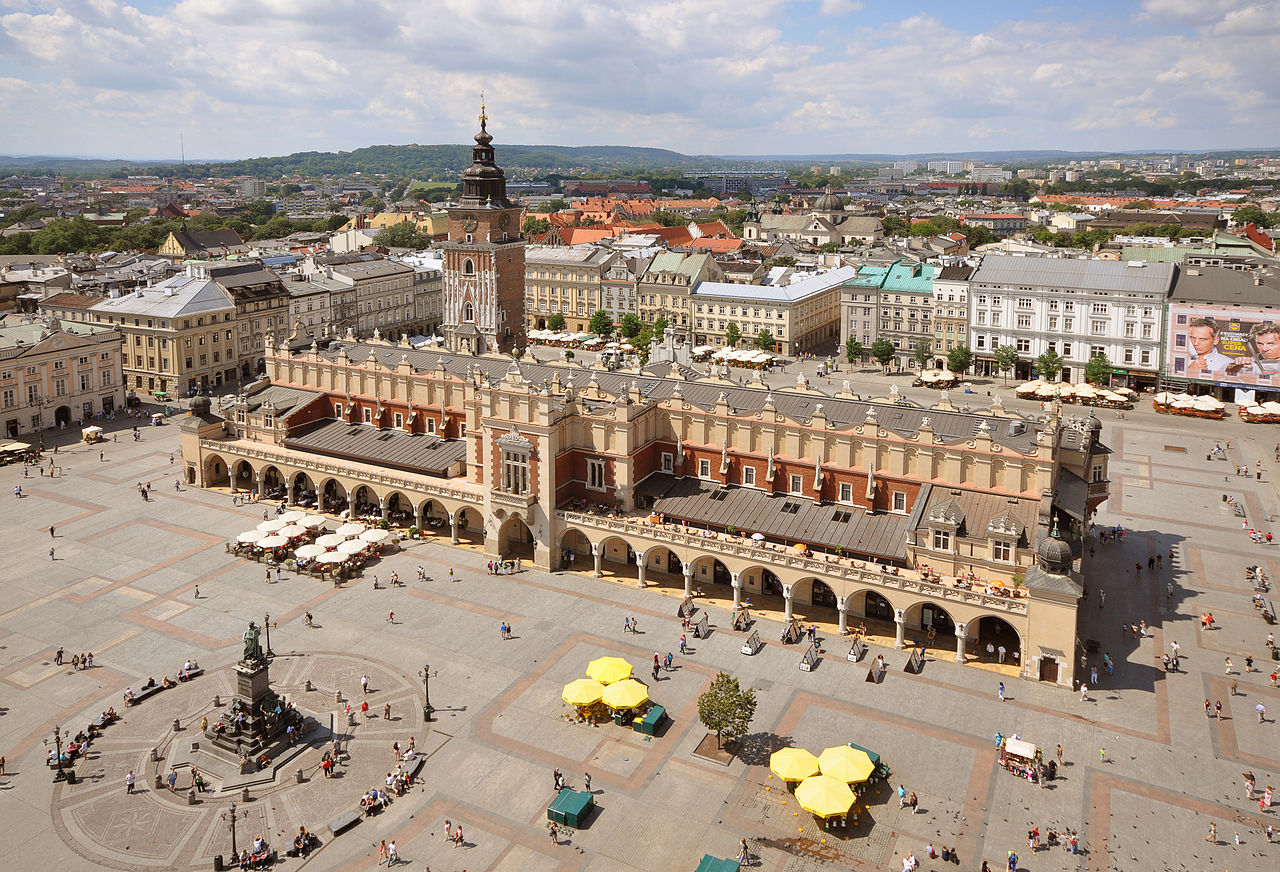
Poland rewards a route that gives Kraków and Warsaw different editorial roles, then adds Gdańsk, Malbork, the Tatras, or another region with purpose. Its difficult twentieth-century history deserves expert, sensitive interpretation alongside culture, food, art, and nature.

Romania needs a real route, not a Dracula checklist. Bucharest, Brașov, Sibiu, Sighișoara, Bucovina, Maramureș, the Carpathians, and the Danube Delta point in different directions. A strong journey uses private guiding and driving selectively while limiting long transfer days.

Montenegro is small but not a single-day Dubrovnik extension. Kotor, Perast, the Bay of Kotor, Budva, Durmitor, and the Tara Canyon ask for different bases and transport. A strong route balances the coast with one inland chapter while planning border crossings, cruise crowds, summer traffic, and mountain season honestly.

Bosnia & Herzegovina should not be reduced to a Mostar photo stop or a war-history checklist. Sarajevo, Mostar, Una National Park, Jajce, Travnik, and Herzegovina point to distinct histories and landscapes. Strong planning gives difficult history appropriate interpretation while leaving room for food, coffee, nature, and contemporary life.

Albania is not only an inexpensive beach destination. Tirana, Berat, Gjirokastër, the Riviera, Butrint, and the Accursed Mountains require different seasons, vehicles, and hotel expectations. A strong trip uses private touring selectively, controls road time, and treats hospitality and living culture with the same attention as the coastline.

North Macedonia rewards travelers who look beyond a checklist stop at Lake Ohrid. Skopje, Matka Canyon, Bitola, ancient Heraclea, Mavrovo, and Tikves wine country create a varied journey, but road timing, guide quality, border plans, and lake-season crowds still need careful design.

Serbia is more than a Belgrade weekend. Novi Sad, Petrovaradin, Fruska Gora, Tara, Uvac, monasteries, rail heritage, and regional food create a substantial inland journey. Strong planning balances city time with road touring and uses specialist guides to explain the country's layered history without flattening it.

Bulgaria deserves more than a single Sofia stop or beach week. Rila Monastery, Plovdiv, the Rhodope and Rila mountains, Nessebar, Kazanlak, Melnik, Thracian heritage, and regional food create a varied route. Strong planning controls road time, matches seasons to mountains or coast, and uses local guides for the country's deep history.

England becomes more memorable when London's theatre, museums, neighborhoods, and royal history are balanced with a real countryside chapter rather than a string of rushed day trips.
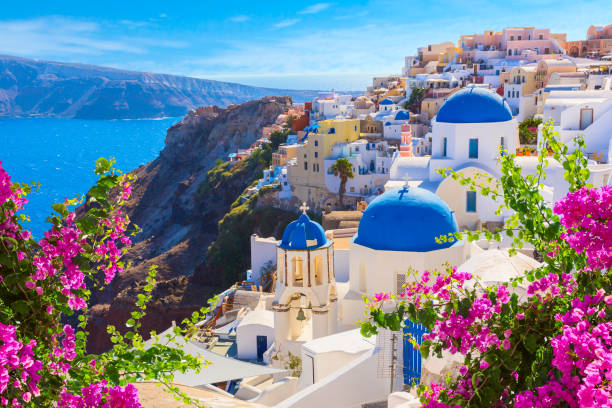
Greece is more than white buildings and blue domes. It can be a honeymoon, a history-rich cultural trip, a relaxed island pair, a yacht-style escape, a family journey, or a Mediterranean cruise anchor. The best Greece trip depends on which islands belong together, how much ferry or flight movement feels comfortable, and whether the traveler wants glamour, quiet beaches, ancient sites, food, or a little of everything.

Malta is compact without being shallow. Valletta, Mdina, Gozo, fortified harbors, ancient sites, and clear water create a layered stay or a purposeful Mediterranean extension when the route protects enough time for the islands to feel distinct.

Portugal combines Lisbon's neighborhood energy, Porto's riverfront character, the Douro's wine-country rhythm, and Atlantic coast or island extensions. The strongest trip chooses a clear shape instead of trying to collect every region.
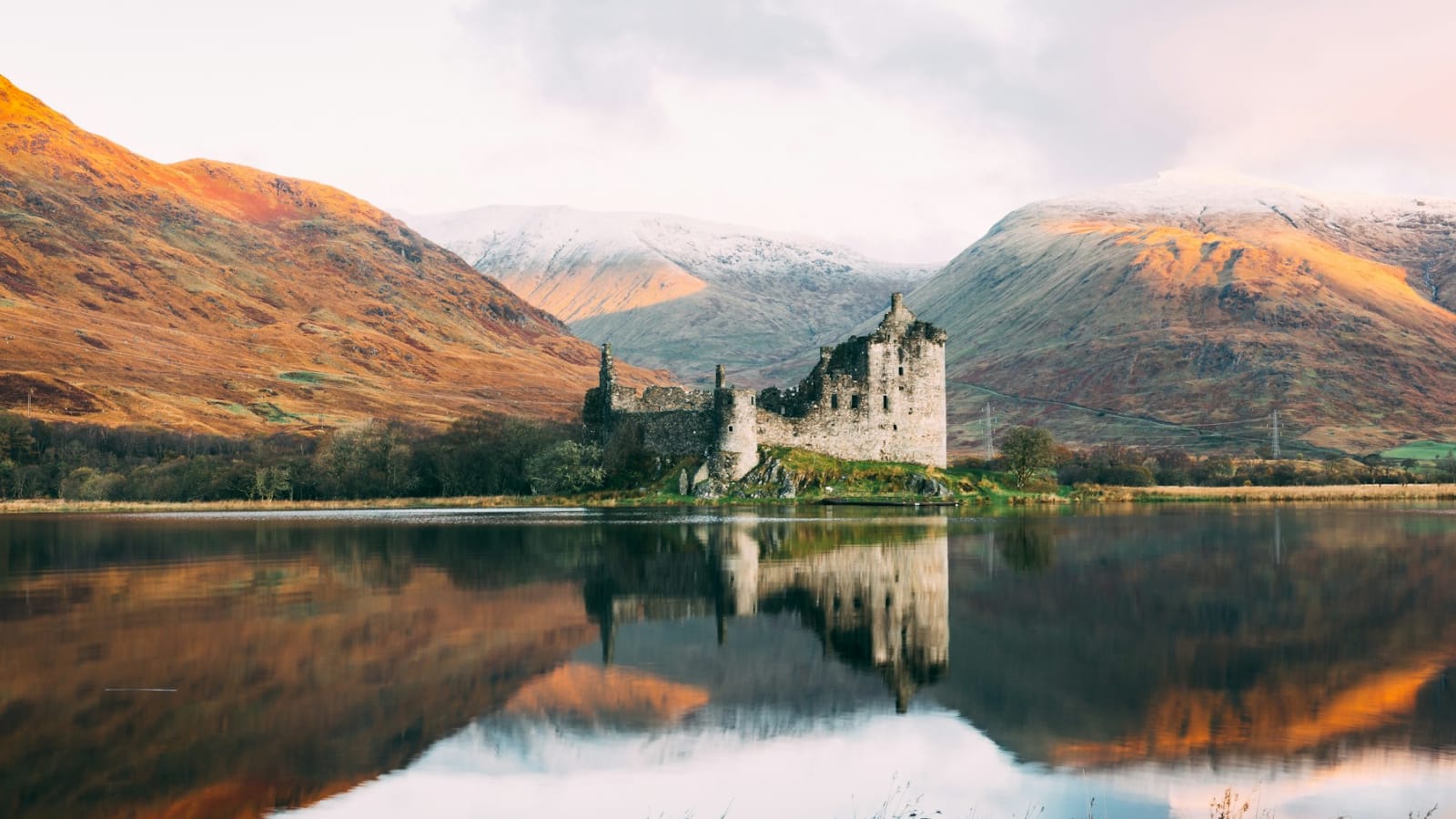
Scotland is strongest when Edinburgh's layered history, Highland scenery, island ambitions, whisky interests, and travel style are shaped into one realistic route. The advisor decision is not what to include; it is where to slow down and which logistics deserve help.

Wales becomes more memorable when Cardiff's theatre, museums, neighborhoods, and royal history are balanced with a real countryside chapter rather than a string of rushed day trips.
Africa
11 destinations

Kenya rewards travelers who choose regions by season and safari style rather than animal checklists. The Masai Mara, Amboseli, Samburu, Laikipia, Nairobi, and Diani each serve a different purpose. Strong planning protects game-drive time, limits camp changes, selects guides and reserve access carefully, and treats culture as relationship rather than performance.

Tanzania rewards travelers who plan around ecosystems, season, and distance. The northern circuit offers extraordinary concentration and variety; the south trades famous names for remoteness. Zanzibar belongs when it receives enough time to become a true change of pace rather than another transfer.
%2C%20Table%20Mountain%2C%20Blick%20auf%20City%20Bowl%20--%202024%20--%202826.jpg?width=1800)
South Africa works best as a layered journey rather than a safari with a city attached. Cape Town, the Winelands, the Cape Peninsula, a carefully chosen reserve, and the Garden Route each promise a different experience. Strong planning resolves flight geography, malaria preferences, reserve access, and pace before selecting hotels.

Botswana is defined by water, season, access, and exclusivity. Fly-in camps, small aircraft, changing flood levels, and high conservation costs make it a deliberate rather than casual safari choice. The best journeys pair complementary habitats and give each camp enough time.

Namibia rewards travelers who embrace distance as part of the experience. Its signature route connects desert, coast, wildlife, and northern culture across long but cinematic roads. Strong planning decides self-drive confidence, guide value, lodge placement, vehicle comfort, and flight upgrades before adding stops.

Morocco is most rewarding when travelers slow down enough to understand the medinas, landscapes, and hospitality behind the color. Private guides, well-located riads, realistic road days, and intentional desert choices protect the journey from becoming a market-and-photo checklist.

Egypt combines ancient sites, river travel, private Egyptologist guiding, and optional Red Sea recovery. Cruise quality, domestic flights, heat, and pacing shape the experience.

Rwanda is compact but not effortless. Trek permits, terrain, lodge position, road time, and the contrast between forest, savannah, and Kigali define the journey.

Plan Uganda with an advisor who protects access, seasonality, pacing, and the reason each stop belongs.
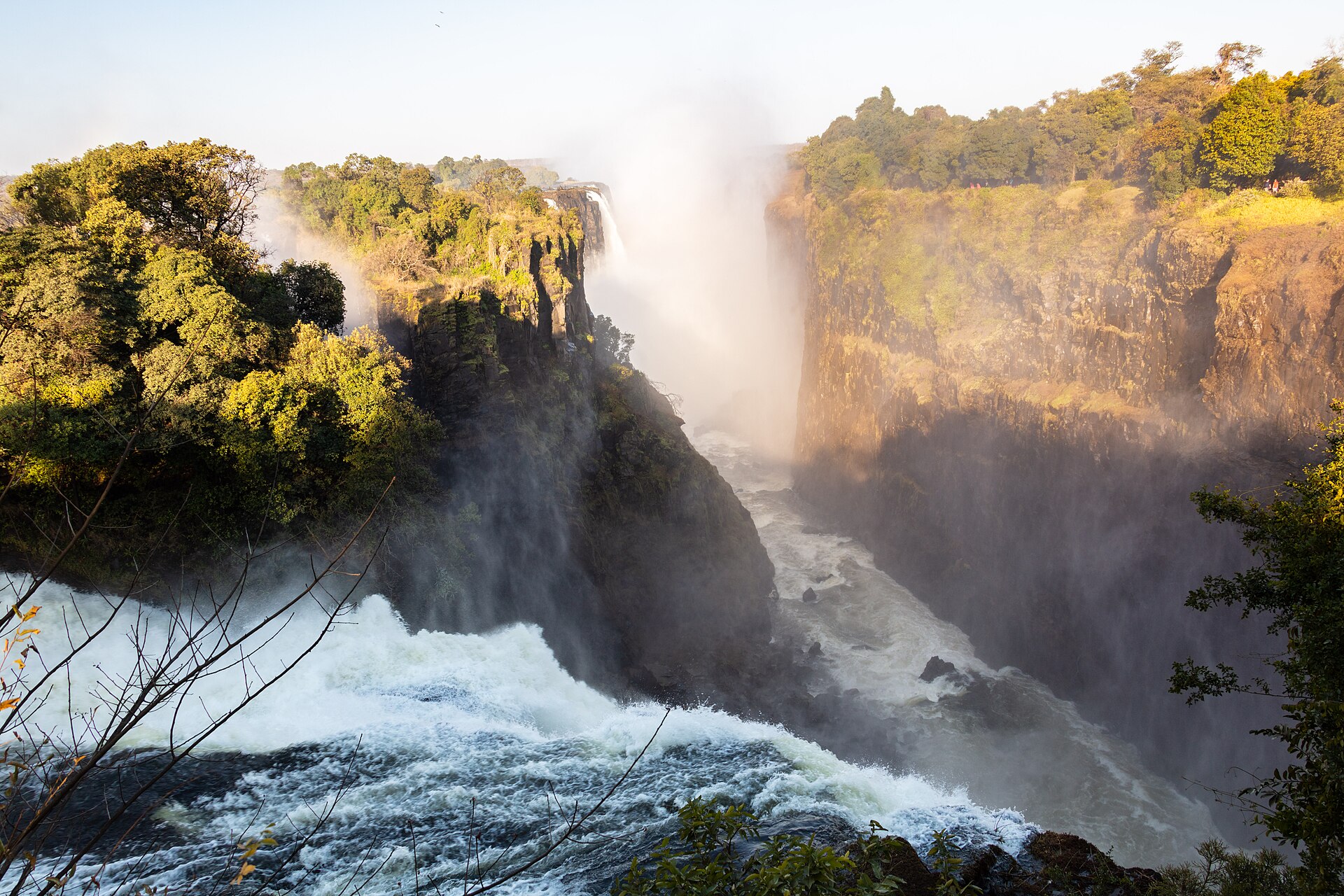
Zambia pairs Mosi-oa-Tunya with South Luangwa's walking tradition, the river-based Lower Zambezi, and remote parks that need deliberate flight and camp planning. The strongest route chooses two or three ecosystems and leaves enough time to experience each one well.
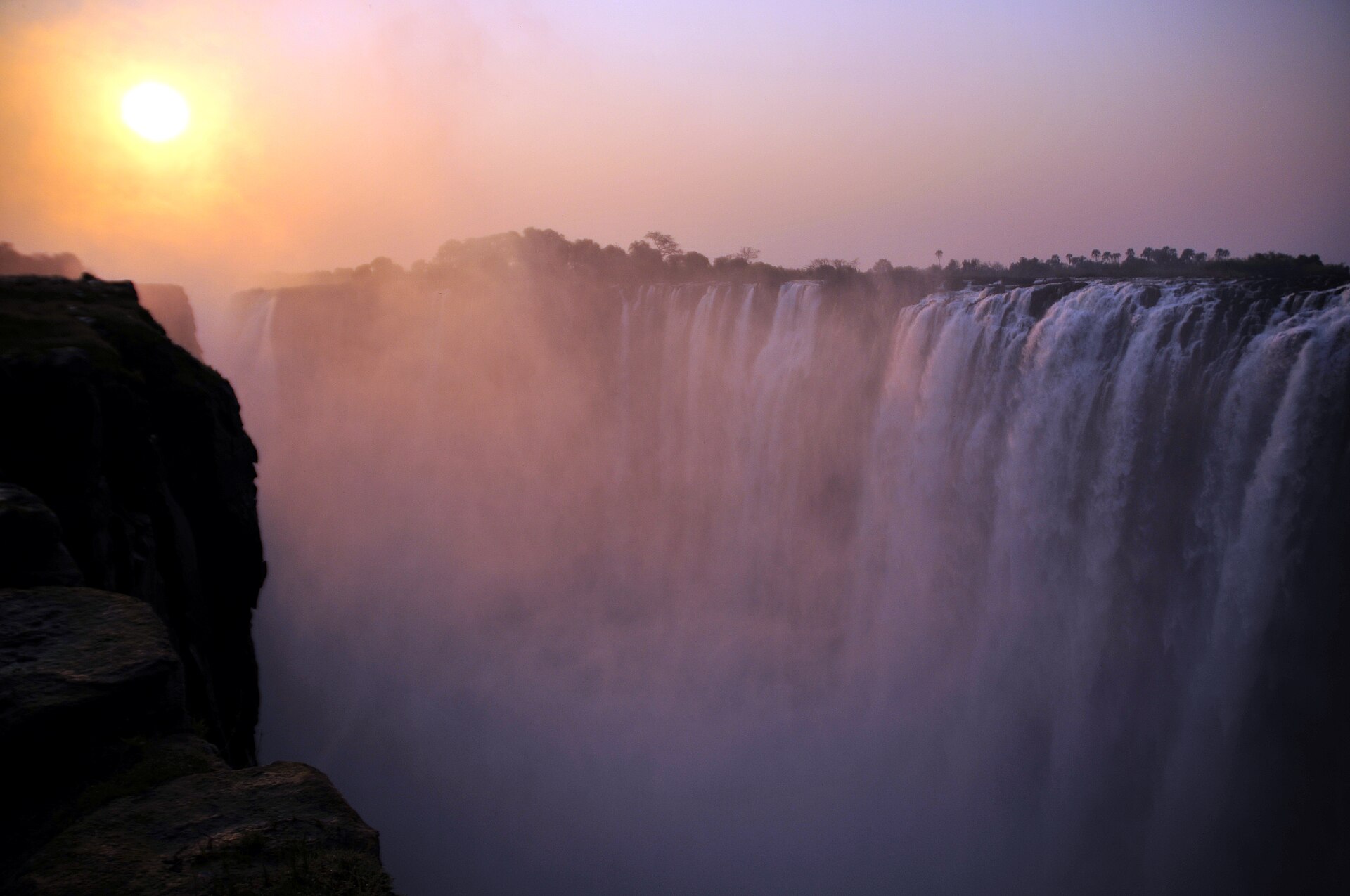
Zimbabwe can join Victoria Falls, Hwange's waterhole country, Mana Pools' walking and canoeing traditions, and the stone cities and granite hills of the south. The best route chooses a clear safari rhythm and protects enough nights for the distances between regions.

Asia
10 destinations
.jpg?width=1800)
Japan feels effortless only when the sequence is thoughtful. The strongest first journey balances major cities with slower cultural and landscape chapters, uses rail selectively, and leaves enough room for the small encounters that make the country memorable.
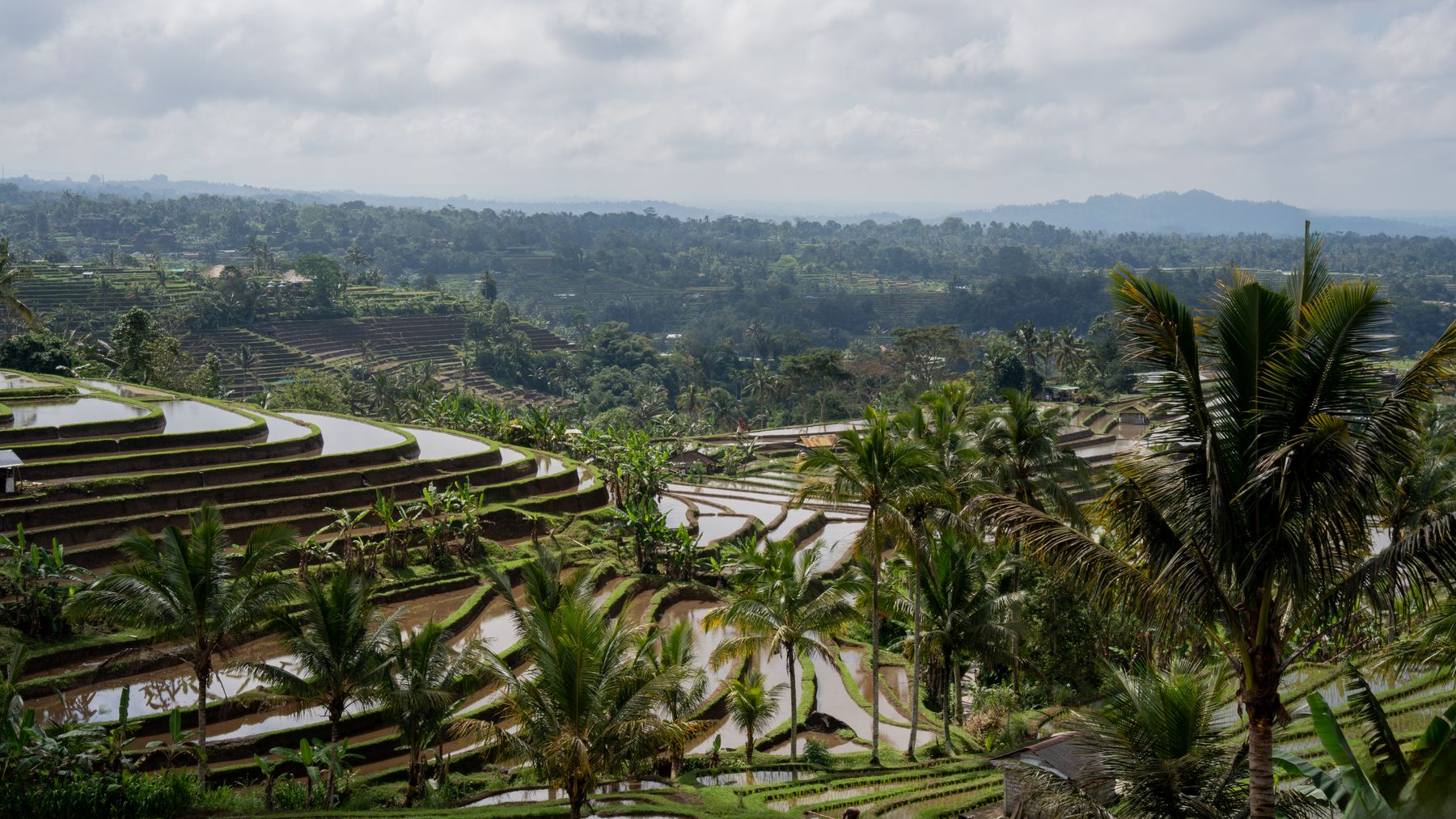
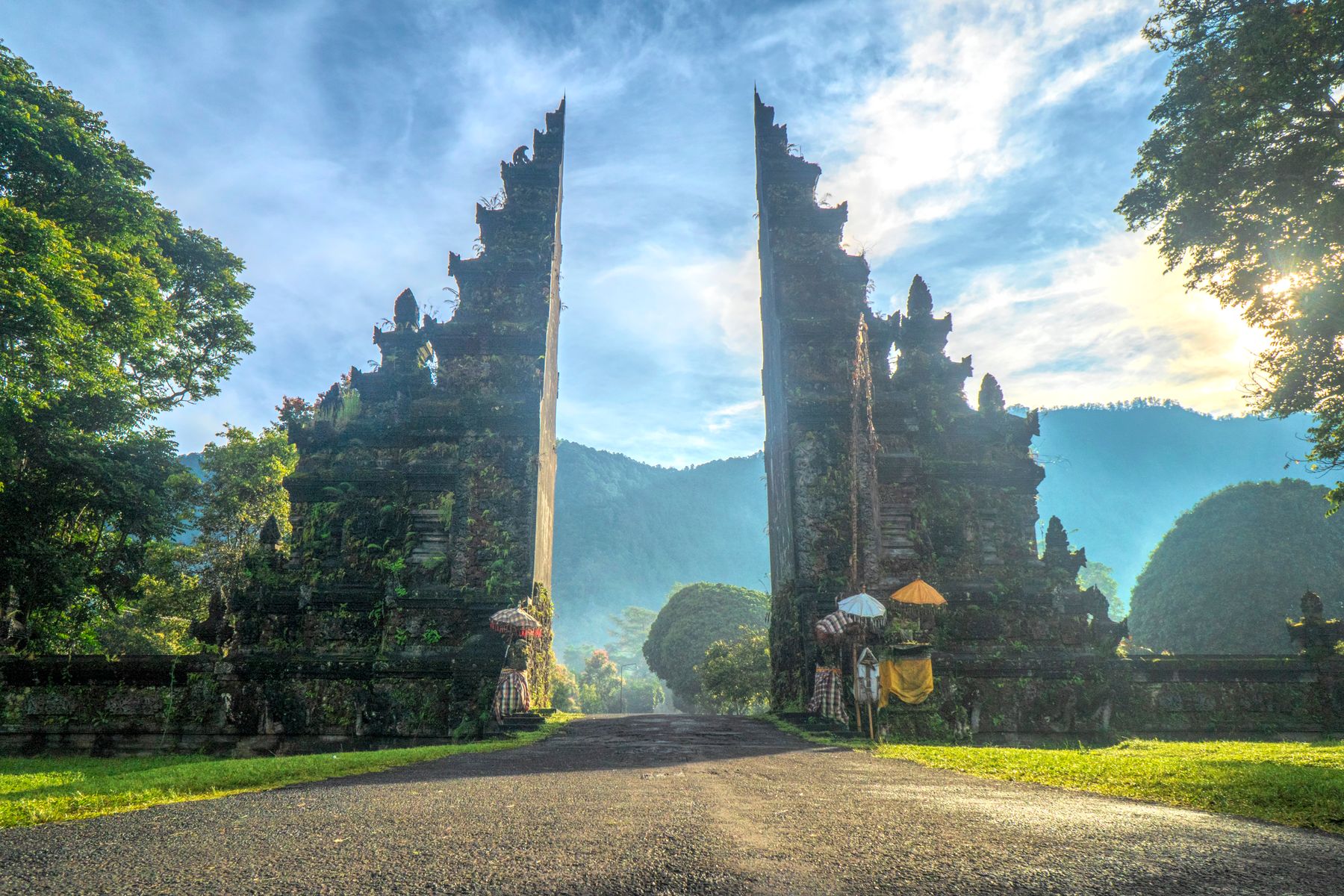
Bali is an Indonesian island best planned as two chapters: Ubud or the highlands, then one well-matched coast. A private driver helps manage traffic and distance.
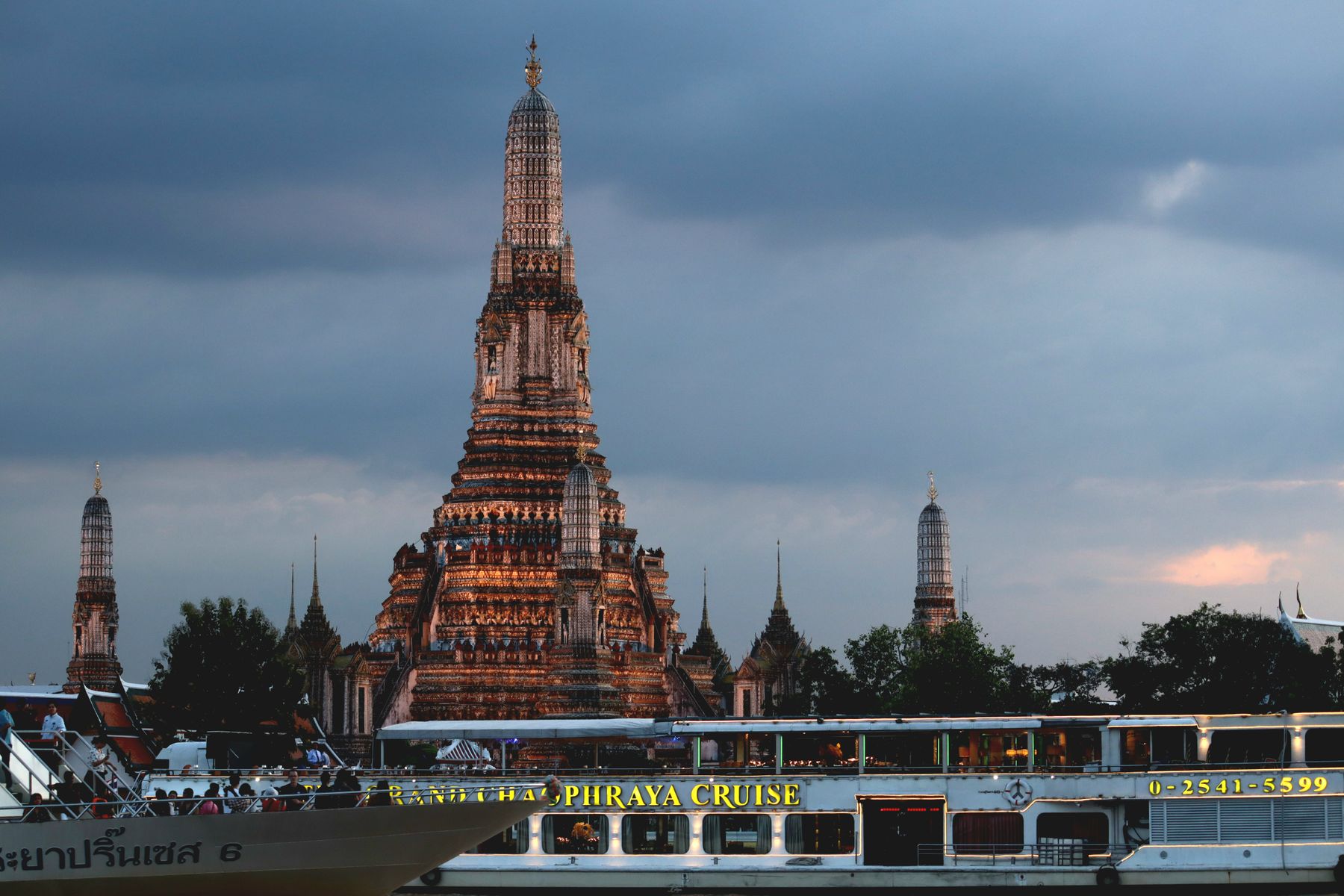
Thailand can feel effortless, but the strongest journey is carefully edited. Decide how much time belongs to Bangkok, whether the north adds meaningful cultural depth, and which coast fits the season before choosing resorts or flights.

Vietnam is a long, layered country, so the route matters as much as the stops. The strongest journeys balance internal flights with slower chapters, choose the right Ha Long Bay experience, and use expert guiding to connect food, history, and everyday life.
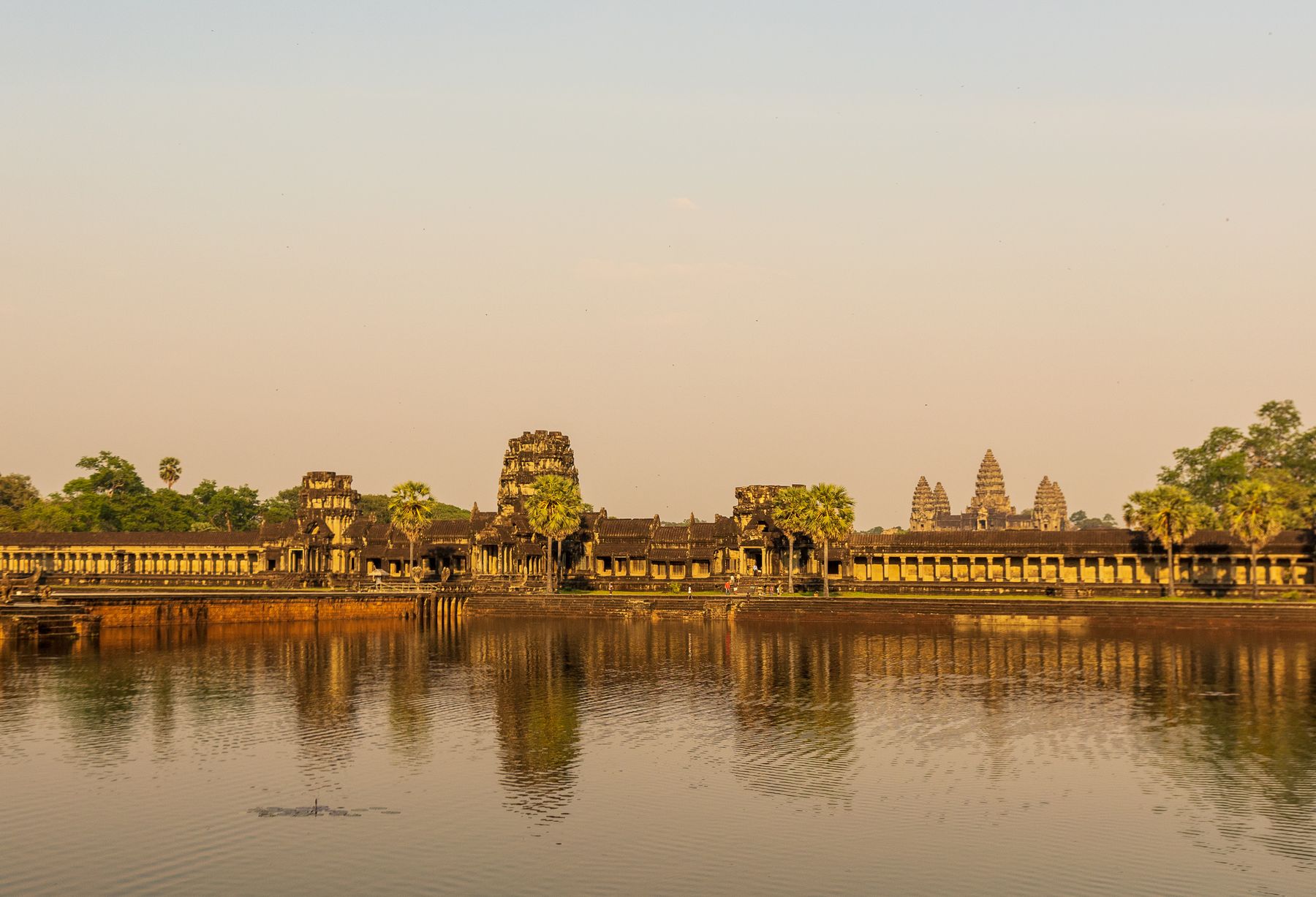
Cambodia should not be reduced to a sunrise at Angkor Wat. The strongest journey gives the wider Angkor landscape time to unfold, meets contemporary Khmer culture on its own terms, and connects Siem Reap with Phnom Penh, Tonlé Sap, or rural Cambodia at a humane pace.
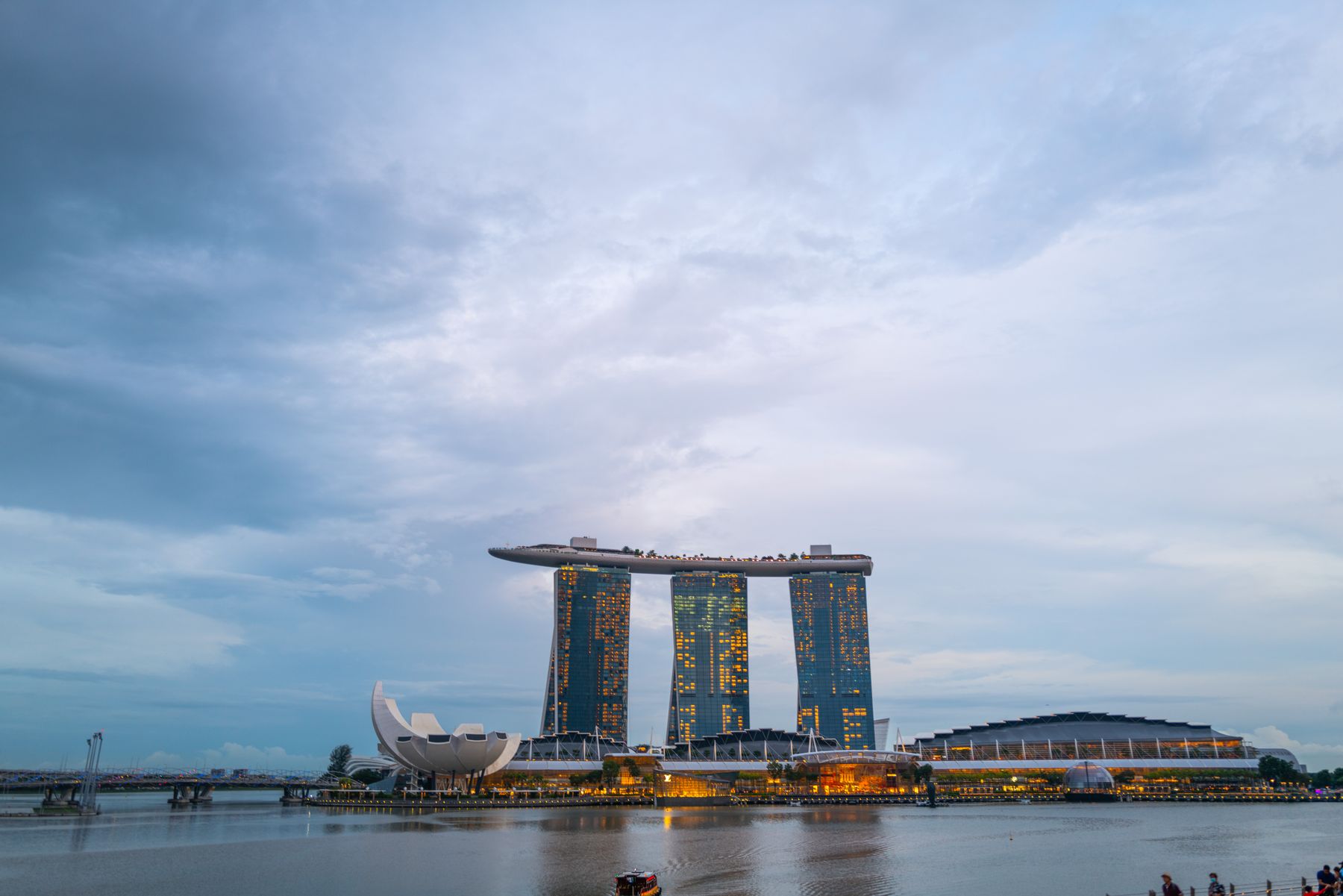
Singapore is compact but not one-note. The strongest plans use its accessibility to connect architecture, food, heritage, nature, and exceptional hotels—and decide deliberately whether the city is an efficient stopover or a full journey chapter.

China feels effortless only when the sequence is thoughtful. The strongest first journey balances major cities with slower cultural and landscape chapters, uses rail selectively, and leaves enough room for the small encounters that make the country memorable.

South Korea rewards travelers who look beyond Seoul without treating the country as a checklist. The strongest routes pair the capital's contemporary culture and food with Gyeongju's Silla history, Busan's maritime character, or Jeju's volcanic landscapes.

Taiwan rewards a route built around its efficient western rail spine and slower mountain and east-coast connections. Decide how much time belongs to Taipei and Tainan, whether Sun Moon Lake or Alishan adds the right landscape chapter, and verify current east-coast access before fixing the sequence.
Sri Lanka rewards a route that changes pace: cultural depth in the Cultural Triangle, misty tea country, carefully chosen wildlife, and a coast finish matched to the season. Distances look short on a map, so a thoughtful sequence and private driver often matter more than adding another stop.
Oceania
6 destinations
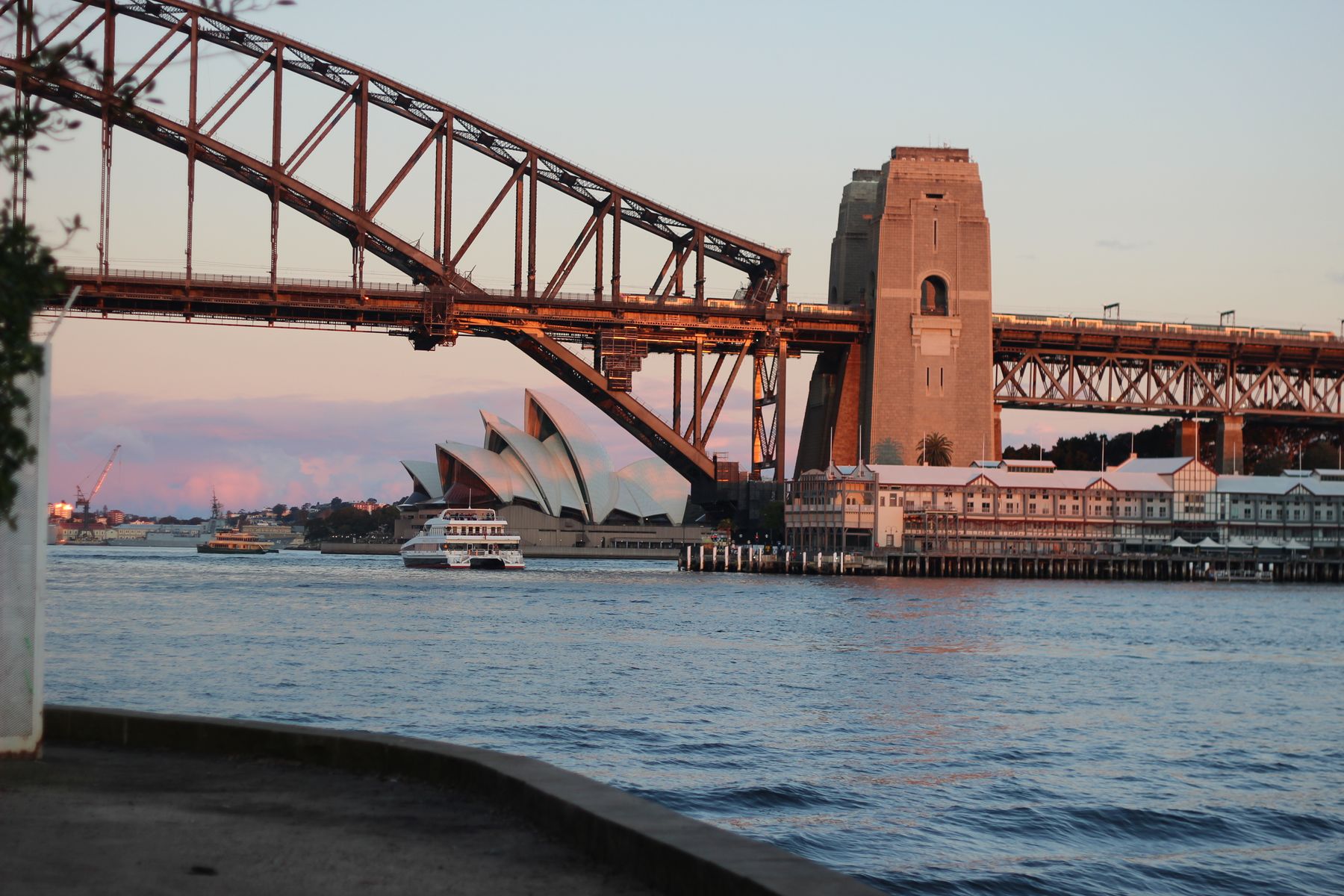
Australia is a continent-sized journey, not a single circuit. Decide whether the east coast, Red Centre, southern food and wildlife, or a New Zealand pairing deserves priority before booking domestic flights.
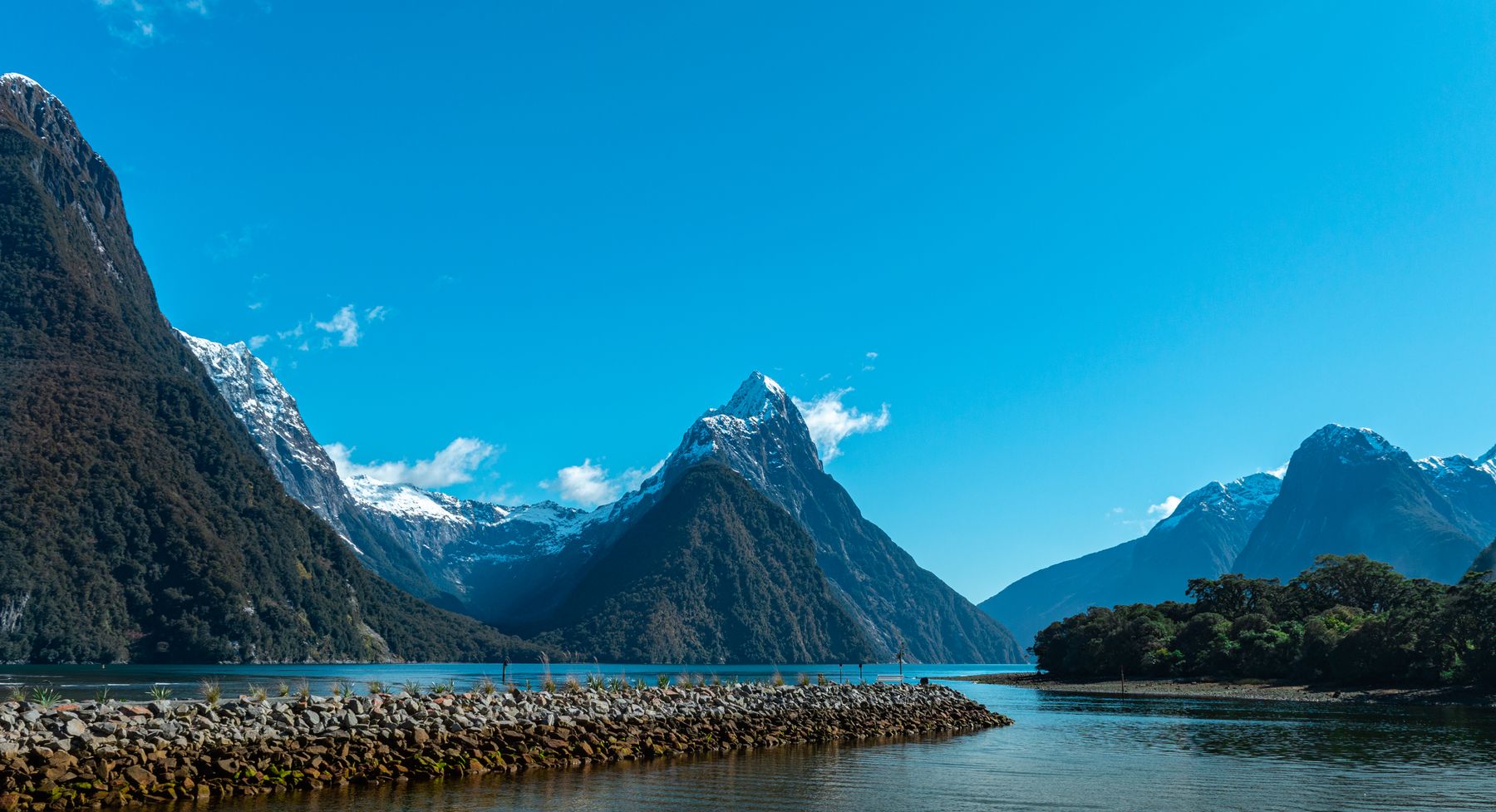
New Zealand rewards deliberate routing. The North Island brings Auckland, geothermal Rotorua, Māori-led cultural experiences, Wellington, and wine; the South Island brings the Southern Alps, Aoraki / Mount Cook, Queenstown, Fiordland, and long scenic transitions. The right trip chooses depth, honest drive times, and the right mix of self-drive, guiding, rail, ferry, and flight.
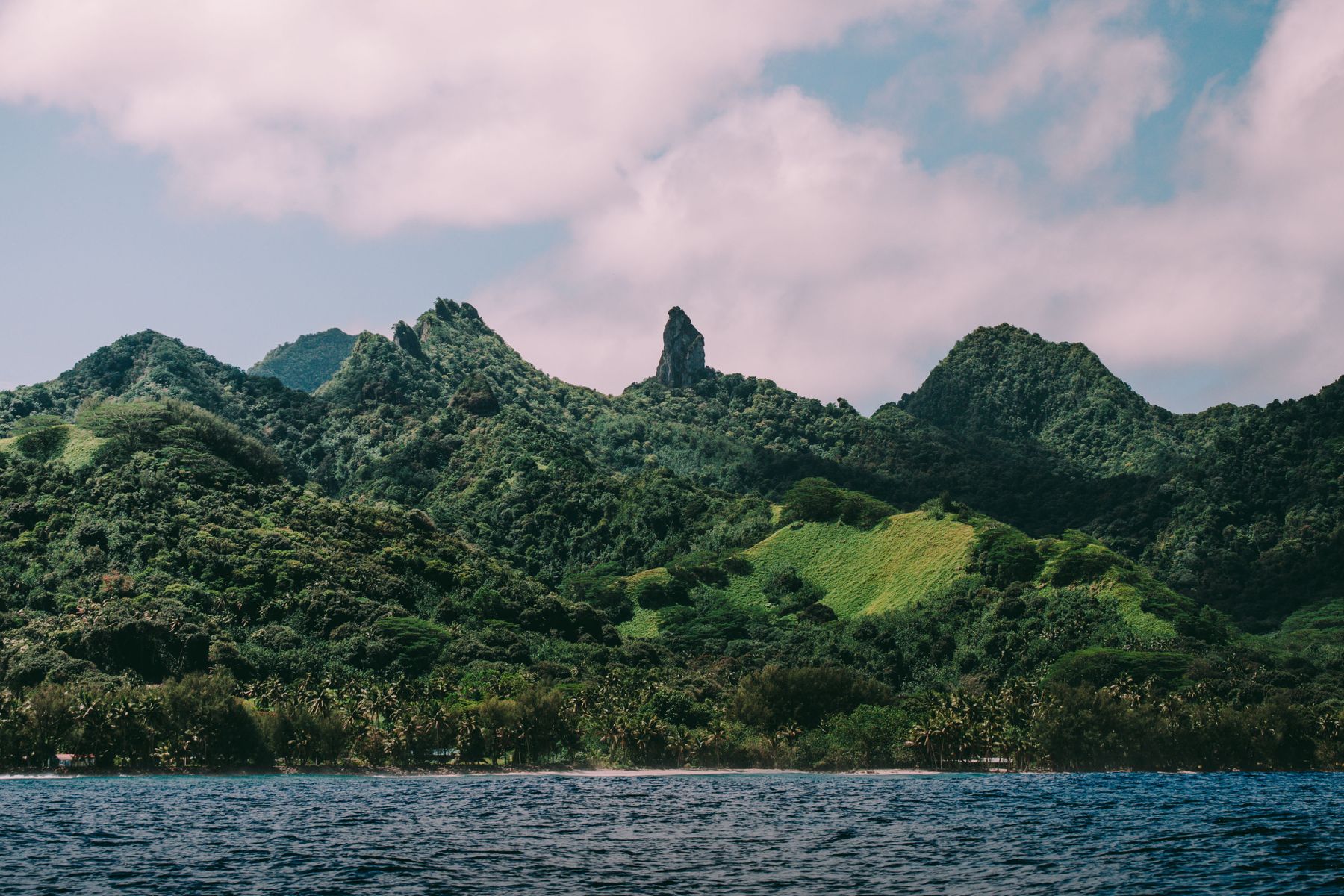
The Cook Islands are not a lower-priced stand-in for Fiji or French Polynesia. Rarotonga offers independent exploration, local dining, green mountains, and an easy island rhythm; Aitutaki adds one of the region's defining lagoon experiences after a required inter-island flight. The strongest trip chooses the right balance of both.

Fiji changes materially by island, resort style, meal plan, and transfer. Viti Levu offers the easiest arrival and broadest mainland infrastructure; the Mamanucas bring accessible outer-island romance and family resorts; the Yasawas trade polish for remoteness and adventure; Vanua Levu rewards divers and travelers seeking a quieter north.

Tahiti, Moorea, Bora Bora, Taha'a, Raiatea, and the Tuamotus reward deliberate combinations. Choose the island rhythm before choosing the bungalow.

Samoa is not a generic resort-island substitute. Upolu brings Apia, waterfalls, coastal roads, natural swimming places, and cultural introductions; Savai'i adds lava fields, quieter villages, rugged coast, and a slower road journey. The right trip balances locally grounded stays, respectful village etiquette, outdoor exploration, and time beside the sea.

Indian Ocean Islands
4 destinations

The Maldives is a chain of atolls: resort islands are private hospitality environments, while inhabited islands offer everyday Dhivehi life. Build around transfer time, meal plans, season, and the water experiences you actually want.

Madagascar is not a quick wildlife add-on. The island's fragmented habitats, slow roads, local guiding, and seasonal access make route design central to the experience.

Mauritius is strongest when the resort is one chapter, not the whole story. Pair beach recovery with Port Louis, the southwest mountains, tea country, food, and a realistic decision about how much driving suits your trip.
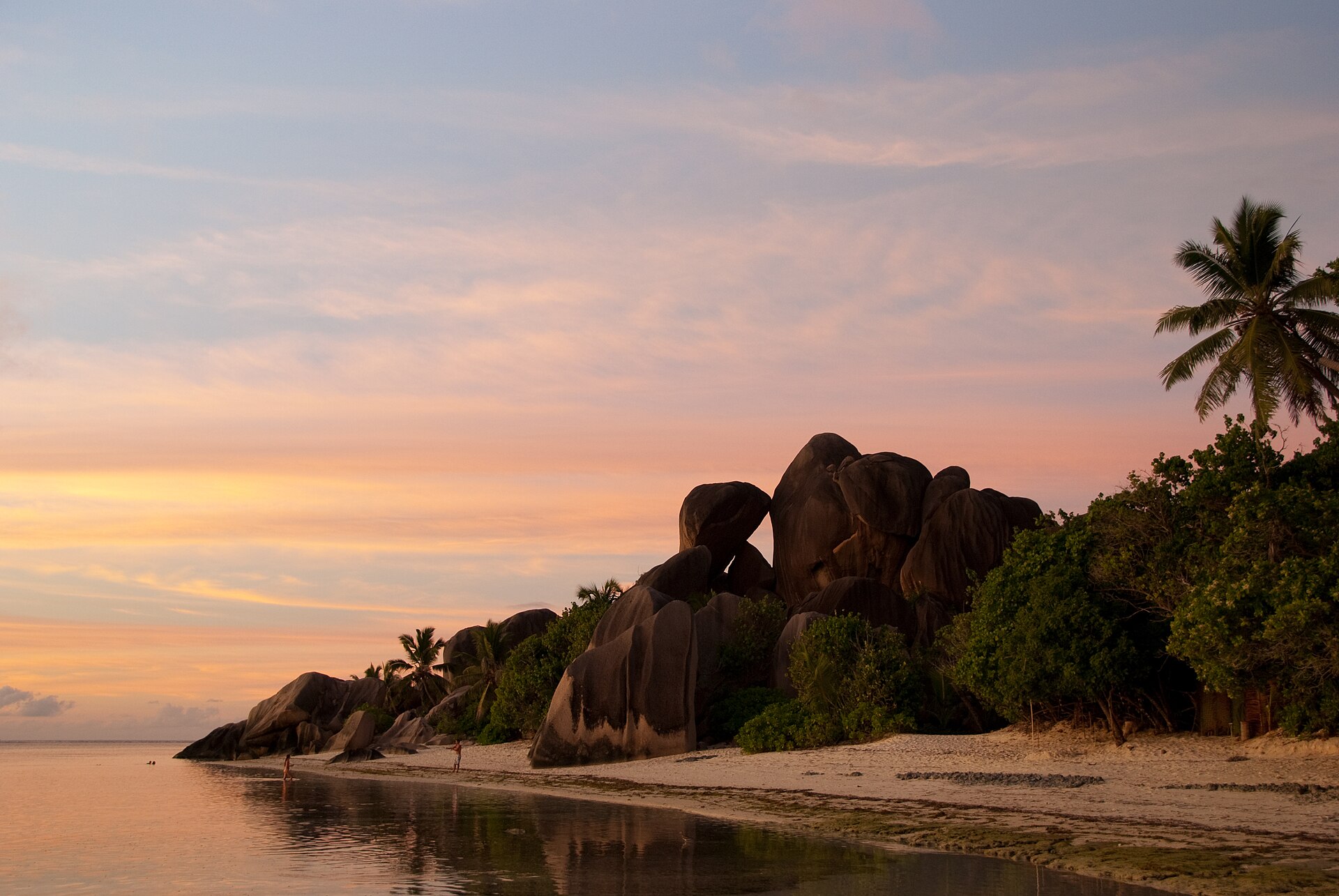
Seychelles rewards travelers who choose islands deliberately. Mahé, Praslin, La Digue, and conservation islands each create a different journey; the best plan balances beach time, transfers, and the character of each stay.
Tips & Advice
Travel Articles

What Is a River Cruise? Everything You Need to Know
A river cruise is a vacation where you travel along inland waterways, visiting charming towns and cities while your floating hotel moves overnight.

Best Time to Visit Europe: A Season-by-Season Guide
The best time to visit Europe depends on your destination, budget, and what experiences you want. Here's a complete seasonal breakdown.

How Travel Advisors Save You Money (And Stress)
Travel advisors access exclusive rates, group deals, and package pricing that can save hundreds per trip compared to booking everything yourself online.

What to Expect at a Luxury All-Inclusive Resort
A luxury all-inclusive resort bundles meals, drinks, activities, and entertainment into one price so you can relax without worrying about costs.

15 Essential Tips for First-Time Cruisers
Your first cruise should be exciting, not stressful. These essential tips will help you prepare, pack, and make the most of every moment onboard.

Best River Cruise Lines for 2026: An Honest Comparison
The best river cruise line for you depends on style, budget, and itinerary. Here's how Viking, Avalon, AmaWaterways, Uniworld, Scenic, and Tauck actually compare.

Viking vs Avalon River Cruises: Which Should You Book?
Viking and Avalon are the two most-asked-about river cruise lines. They look similar from the outside but feel very different onboard. Here's how to choose.

Alaska Cruise vs Land Tour: Which Is Better in 2026?
An Alaska cruise and an Alaska land tour show you two very different Alaskas. Here's how they compare — and why most experienced travelers combine them.

Europe River Cruise Packing List: What to Actually Bring
European river cruise cabins are small and dress codes are relaxed. Here's exactly what to bring — and what to leave at home.
Ready to Plan Your Trip?
Let our Travel Personality Quiz find the perfect getaway based on your travel style and preferences.
Find My Trip