
Advisor Starting Point
Canadian Rockies
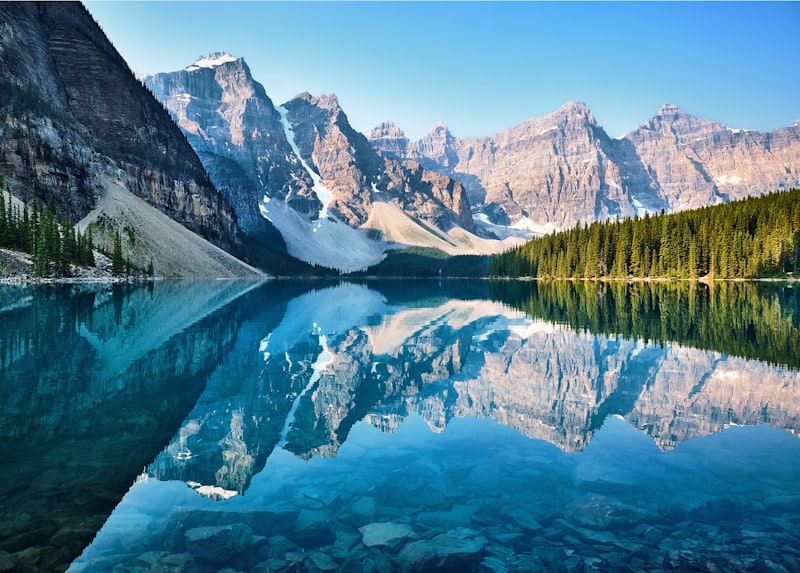
Banff, Lake Louise, Jasper, national parks, lodge time, and mountain days paced beyond the viewpoints.
Destination Guide
Rockies. Rail. Coastlines. Culture.
Canada rewards a clear regional point of view: mountain scale in the Rockies, Pacific energy in British Columbia, French-influenced culture in Quebec, or a longer rail story. The strongest itinerary gives one Canada enough time to feel complete.
Travel styles
Experience Explorer
Choose the landscape and travel rhythm that should lead. Canada is too large for a short national highlights tour, so this decision shapes the route, transportation, and number of bases.
Banff, Lake Louise, Jasper, national parks, lodge time, and mountain days paced beyond the viewpoints.
Advisor insight
Choose west, east, or a focused rail story first. Toronto, Niagara, Atlantic Canada, and cruises can support a plan, but they should not be squeezed into a Rockies or Quebec itinerary as spare-day additions.
Traveler fit
Advisor guidance
The Rockies, Pacific coast, Quebec cities, Atlantic provinces, and northern wilderness are not nearby variations of one itinerary. Long distances change the budget, pace, and best transportation style.
Rail can be a signature experience, but Rocky Mountaineer and VIA Rail serve different routes and rhythms. Strong Canada planning edits deliberately instead of collecting provinces.
Common planning mistakes
Norma, Dock 10 Travel
Honest tradeoffs
Best Ways to Experience Canada
Canada's travel format changes the trip as much as the region. Rail makes the journey ceremonial, road travel protects flexibility, and eastern city routes trade mountain scale for food, history, and urban texture.
Best forScenery-first travelers who want rail to feel like a signature experience while preserving real time in the mountain parks.
Advisor notePlan 9–12 days and protect lodge nights; rail may be included where appropriate, but it is not automatic in every Rockies journey.
Best forTravelers combining Vancouver, British Columbia, and a focused road, transfer, or lodge route.
Advisor noteChoose Victoria, Whistler, Vancouver Island, or wine country selectively rather than stacking every western icon.
Best forFood, history, design, and city travelers who want Montreal and Quebec City to carry the trip.
Advisor noteGive the cities different roles, then add Charlevoix only when the calendar supports a quieter final chapter.
Best forRail lovers who understand that Rocky Mountaineer, VIA Rail, and selectively linked regions create different journeys.
Advisor noteChoose the operator and route for the experience itself; do not imply every itinerary crosses the country.
Advisor-built trip ideas
Four distinct Canada formats using planning ranges for guidance rather than guaranteed package prices or live quotes.
9–12 days
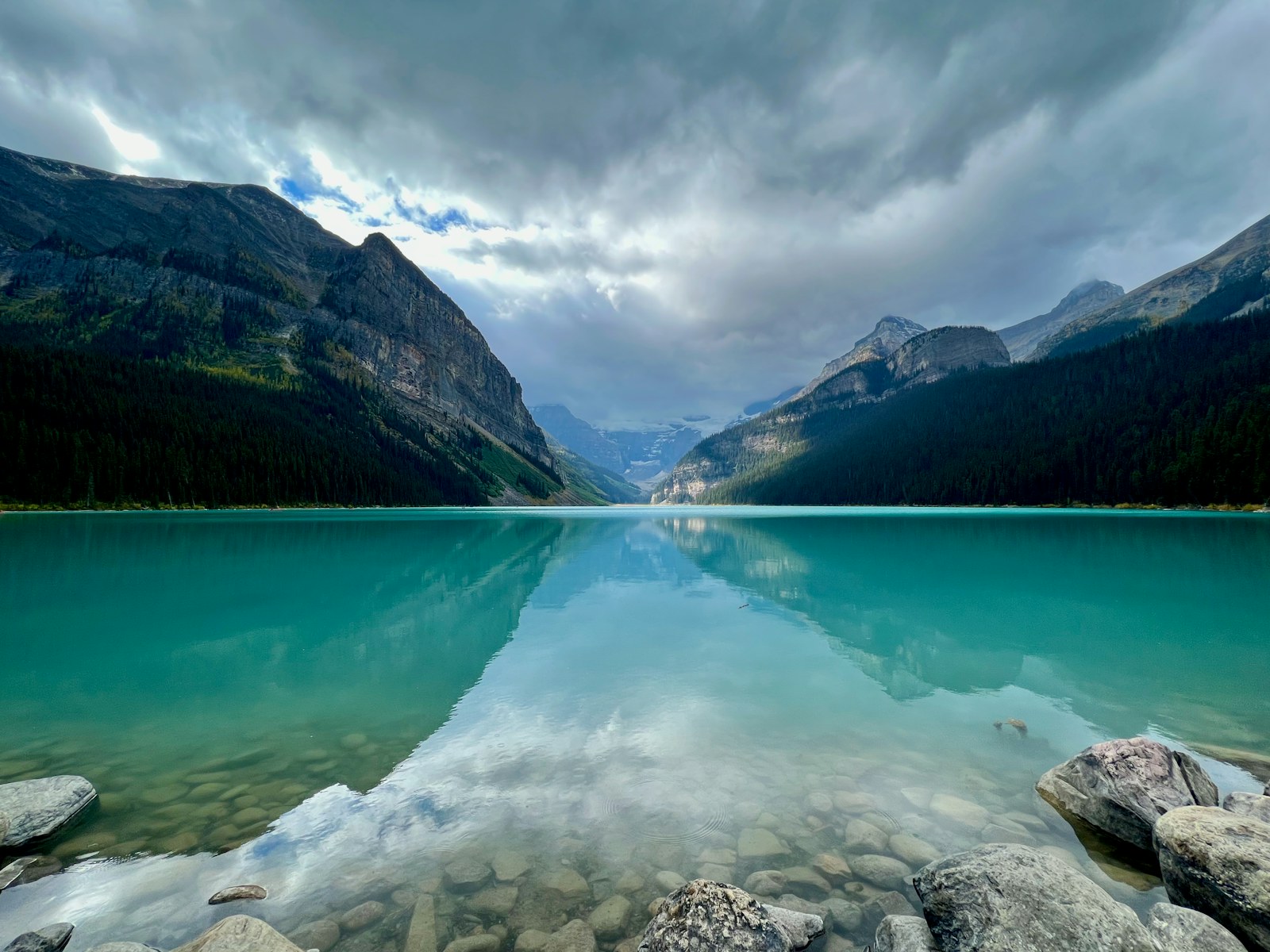
A mountain journey centered on Banff, Lake Louise, Jasper, lodge time, and a route paced beyond the famous viewpoints.
Best for
First-time Canada travelers who want nature, polished logistics, and flexible activity levels.
Typical investment
From $5,000–$9,500 per person
Route
Calgary gateway → Banff and Lake Louise → Icefields Parkway → Jasper, with rail included only when it strengthens the route
What makes it special
Glacier-fed lakes, mountain roads, national parks, and lodge stays create a western journey with real scale.
Reality check
Peak-season access and weather require advance decisions, and not every version includes Rocky Mountaineer.
Advisor takeaway
Choose the hotel geography and transportation sequence before adding activities.
Investment context
Based on two travelers sharing accommodations. International airfare is excluded. Final investment varies by rail choice, hotel category, lodge selection, season, transportation, and guided experiences.

8–10 days
A focused Pacific journey combining Vancouver with one purposeful British Columbia extension rather than the Canadian Rockies.
Best for
Travelers who want food, neighborhoods, coast, and soft adventure without a long mountain circuit.
Typical investment
From $4,500–$8,500 per person
Route
Vancouver → Victoria, Vancouver Island, Whistler, or another single British Columbia extension → Vancouver
What makes it special
A sophisticated Pacific city opens naturally into islands, mountains, coastal lodges, or wine country.
Reality check
Trying to add Victoria, Whistler, the Okanagan, and the Rockies turns a flexible trip into a transportation exercise.
Advisor takeaway
Pick one strong extension and let the Pacific chapter breathe.
Investment context
Based on two travelers sharing accommodations. International airfare is excluded. Final investment depends on hotel level, Vancouver Island or Whistler extensions, private touring, transportation choices, and travel season.

8–10 days
An eastern journey built around French-influenced city culture, dining, architecture, and a quieter river or countryside finish.
Best for
City-focused travelers who value food, history, walkability, and a distinctive North American atmosphere.
Typical investment
From $4,500–$8,500 per person
Route
Montreal → Quebec City by rail or private transfer → Charlevoix extension
What makes it special
Two contrasting cities lead into river landscapes and a slower final chapter.
Reality check
This is not a substitute for the Rockies; choose it for culture and texture rather than mountain scenery.
Advisor takeaway
Give Montreal and Quebec City different roles, then add Charlevoix only when the extra nights support it.
Investment context
Based on two travelers sharing accommodations. International airfare is excluded. Final investment varies by hotel category, rail or private-transfer choices, guided experiences, Charlevoix extension, and season.

12–16 days
A controlled rail-led journey using Rocky Mountaineer, VIA Rail, or selectively linked regions without implying that every itinerary crosses the entire country.
Best for
Rail lovers willing to invest time and budget in the journey itself.
Typical investment
From $7,500–$15,000 per person
Route
Vancouver and the Rockies by daylight rail, a VIA Rail sleeper route, or two deliberately linked regional chapters
What makes it special
Rail turns distance into part of the experience when operator, service class, scenery, and hotel sequence align.
Reality check
Rocky Mountaineer is daylight and hotel-based; VIA Rail uses different routes and can include overnight sleeper service.
Advisor takeaway
Define the operator and route before promising a coast-to-coast story.
Investment context
Based on two travelers sharing accommodations. International airfare is excluded. Final investment varies by rail operator, cabin or service class, hotel level, routing, included touring, and travel season.
Travel Planning Center
Twenty practical decisions covering season, regional scope, rail, road logistics, parks, cities, documents, and traveler comfort.
Related Destinations
Glaciers, wildlife, coastal cruising, wilderness lodges, and cruise-plus-land journeys.
Choose Alaska when cruise access and wildlife should lead; choose Canada for rail, mountain parks, Pacific cities, or Quebec culture.

Fjords, Northern Lights, and midnight sun — timing changes everything.
Fjords, coastal villages, scenic rail, and a compact northern European context.
Choose Norway for fjord-and-village culture; choose Canada for broader mountain, rail, city, and regional combinations.

Lakes, landmark peaks, and rail journeys with purpose.
Alpine rail, lakes, polished mountain towns, and efficient city-to-peak travel.
Choose Switzerland for compact rail efficiency; choose Canada for larger wilderness scale and road-or-rail variety.

Rainforest coast, islands, mountain escapes, and a city-and-nature journey centered farther south.
Choose the Pacific Northwest for a tighter coastal circuit; choose Canada when Vancouver, British Columbia, or the Rockies should lead.
Advisor note: Canada's unusual strength is the choice between Rockies, Pacific coast, Quebec culture, and multiple rail formats. Another destination may fit better when one specific landscape or transportation style matters more than national variety.
Canada FAQ
Plan about 8–12 days for one focused region. A meaningful two-region or rail-led journey generally needs 12–16 days, depending on the route and transportation.
No. Rocky Mountaineer is a daylight scenic rail experience with hotel nights, while VIA Rail operates corridor and long-distance services that can include overnight sleeper accommodations. Compare the exact route, service, schedule, and traveler priorities.
The best season depends on the region. Summer offers the broadest mountain and coastal access, fall can favor Quebec and eastern color, and winter suits travelers deliberately choosing snow, skiing, city culture, or lodge atmosphere.
Yes, but the distance requires a strategic domestic flight or a longer rail journey. Allow 12–16 days so both regions receive enough time to feel complete.
Requirements depend on citizenship, itinerary, transportation, ports, and any U.S.–Canada crossing. Verify current entry and transit rules for the exact traveler and route before final payment and travel.