Advisor Starting Point
Edinburgh & Historic Cities
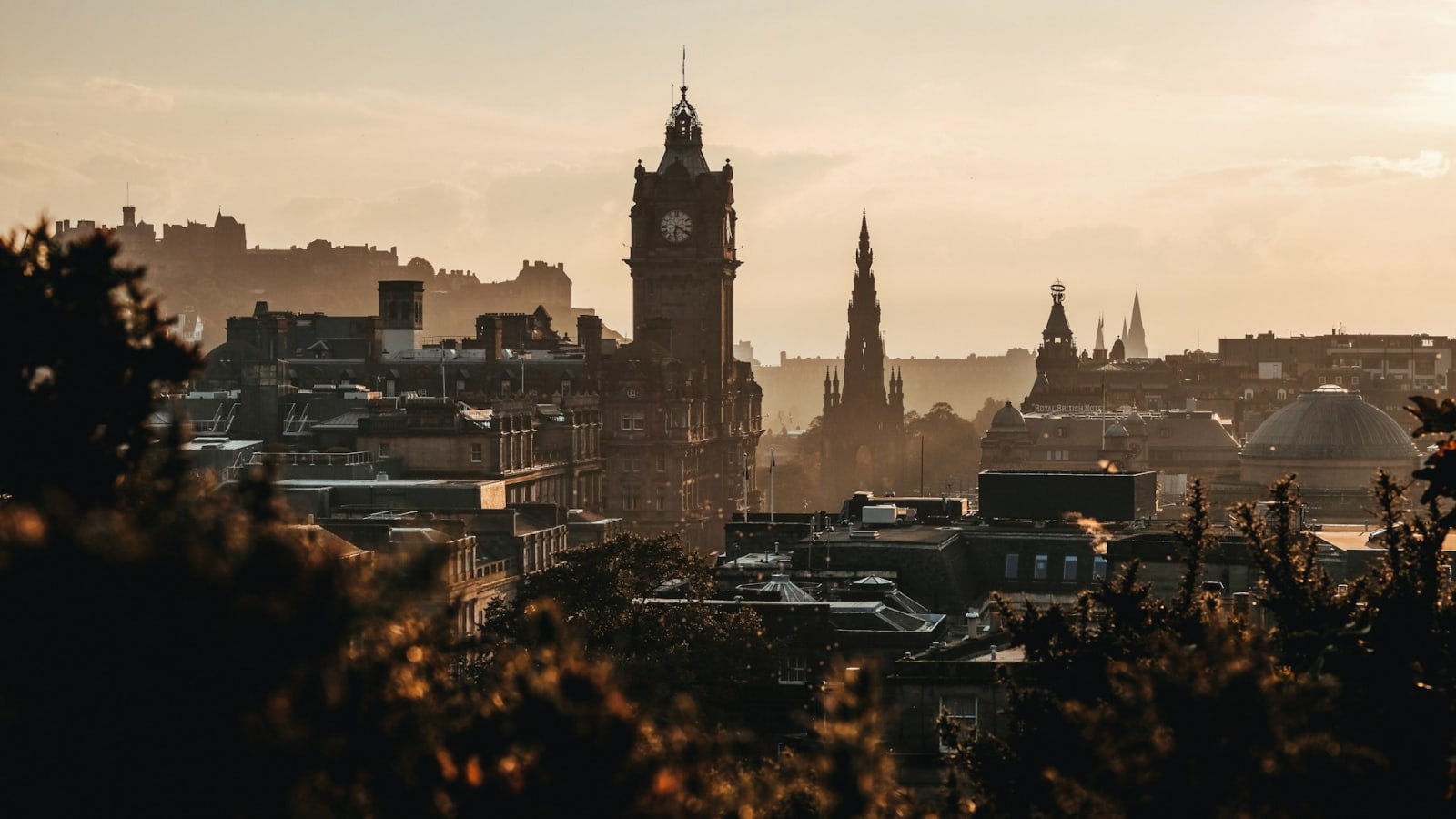
Use Edinburgh for castle context, Old Town atmosphere, museums, dining, and festival energy before moving into the countryside.
Destination Guide
Choose the route before the castle list.
Scotland is strongest when Edinburgh's layered history, Highland scenery, island ambitions, whisky interests, and travel style are shaped into one realistic route. The advisor decision is not what to include; it is where to slow down and which logistics deserve help.
Travel styles
Experience Explorer
Start with the experience that matters most. It determines the route, the right transport, and what should be left out.
Use Edinburgh for castle context, Old Town atmosphere, museums, dining, and festival energy before moving into the countryside.
Advisor insight
Edinburgh is the natural cultural opening, but the trip earns its character through the choice that follows: Highlands, islands, whisky country, castles, or a slower rail-led route.
Traveler fit
Advisor guidance
Scotland looks compact on a map, but Highland roads, ferry schedules, weather, and scenic stops make distances feel longer. Skye is not a quick add-on, and a castle hotel is only valuable when its location and service level fit the route.
Self-drive offers freedom but asks the traveler to manage left-side driving, narrow rural roads, navigation, and whisky-day safety. Rail is comfortable between major points, while private guiding is often the best investment for remote scenery and historic context.
Common planning mistakes
Norma, Dock 10 Travel
Honest tradeoffs
Advisor Guidance
The right format depends on how much freedom, driving responsibility, included structure, and remote access you want.
Best for8–12 days for travelers who want tailored pacing, Highland context, atmospheric hotels, and no driving burden.
Advisor noteThis is the strongest choice when the route matters as much as the stops and private guiding can turn travel days into the experience.
Best for9–14 days for confident drivers who value flexibility and accept narrow roads, weather changes, and careful ferry planning.
Advisor noteKeep daily mileage conservative and separate whisky tasting days from driving responsibilities.
Best for7–12 days for travelers who prefer included logistics, a guide, and a social structure over total route control.
Advisor noteCompare hotel location, group size, pace, and included sightseeing; similar-looking tours can feel very different on the ground.
Best for7–10 days for travelers who prefer cities and selected scenic bases without taking on a full self-drive route.
Advisor noteRail works best as a spine, not a promise that every castle, glen, or island can be reached without supplemental touring.
Advisor-built trip ideas
Each route protects a different priority and names the compromise that comes with it.
7–9 days
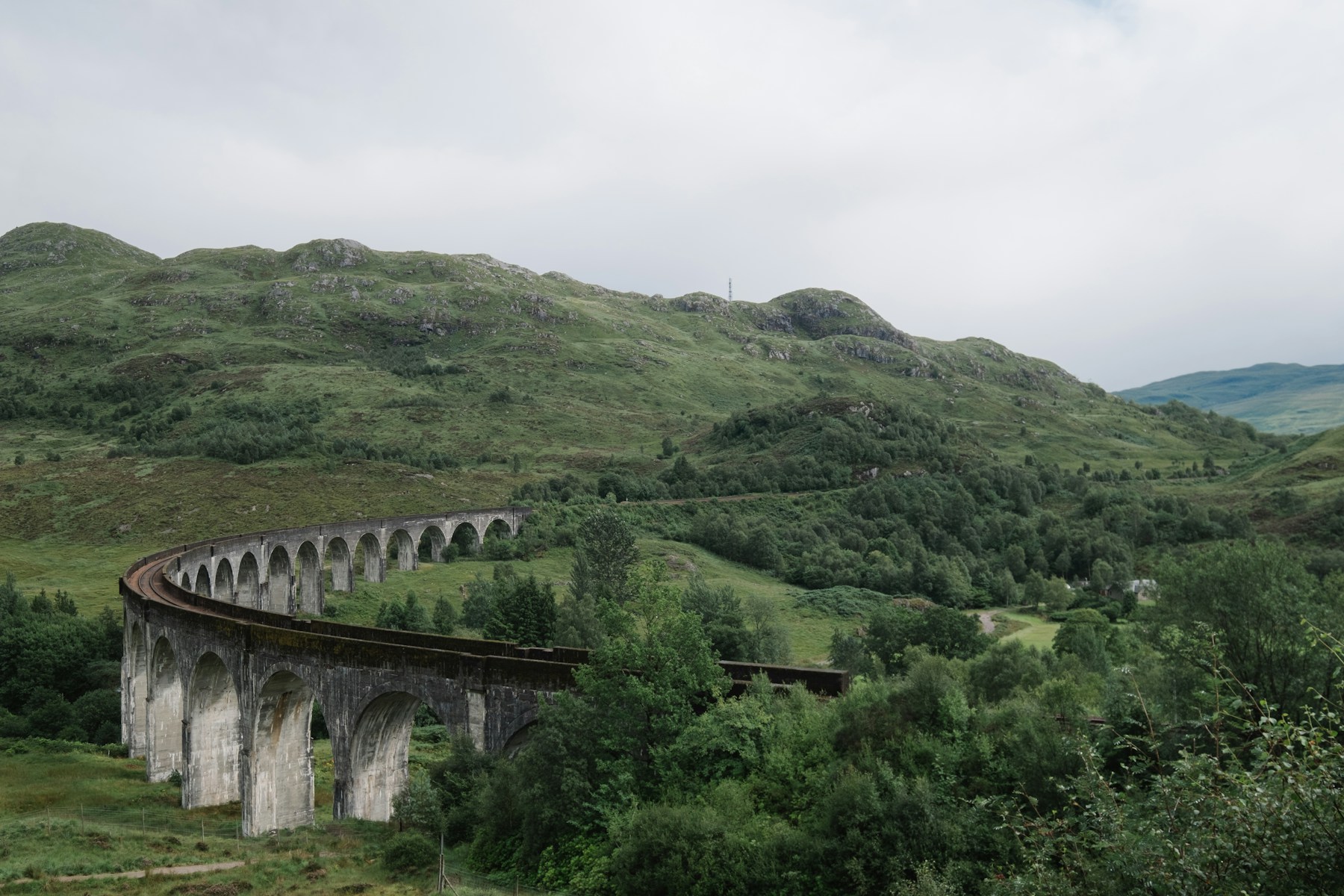
A focused first trip with Edinburgh and one well-shaped Highland arc.
Best for
First-time visitors who want city history and signature scenery without an island detour.
Typical investment
$4,500–$9,500+per person
Route
Edinburgh → Perthshire or Glencoe → Inverness or a Highland estate → Edinburgh or Glasgow
What makes it special
The route contrasts Edinburgh's cultural depth with lochs, glens, castles, and a countryside stay.
Reality check
There is not enough time to add Skye, whisky country, St. Andrews, and every Highland icon.
Advisor takeaway
Protect two Edinburgh nights and keep the Highland route compact.
Investment context
Based on two travelers; international airfare excluded.
9–12 days
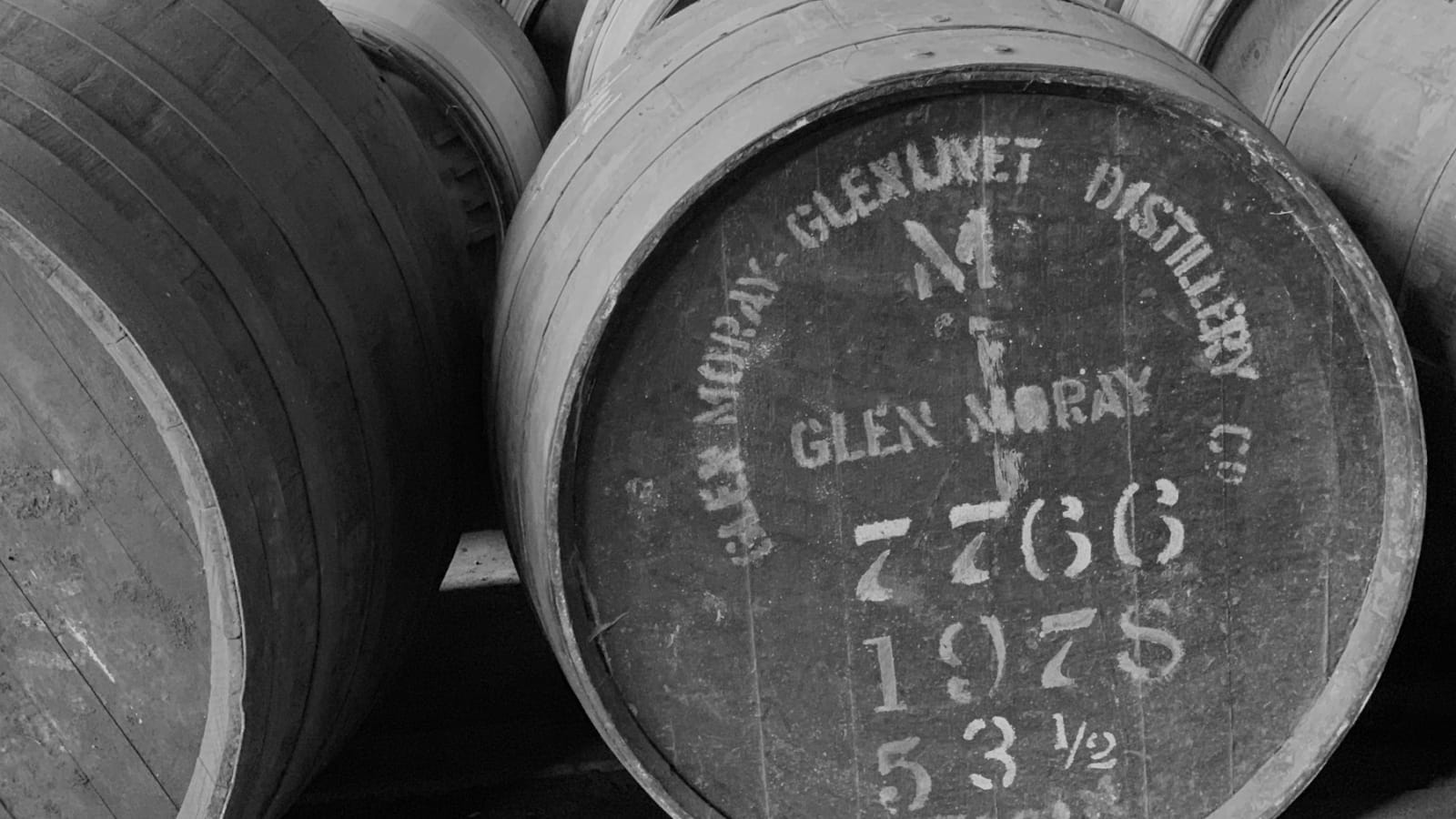
A deeper mainland route shaped around history, scenery, and a whisky region.
Best for
Couples, heritage travelers, and whisky enthusiasts who want private context and atmospheric stays.
Typical investment
$6,500–$14,000+per person
Route
Edinburgh → Perthshire → Speyside → Inverness or Loch Ness → Glencoe → Glasgow
What makes it special
Whisky, castles, and Highland scenery support one coherent route rather than three separate checklists.
Reality check
Distillery timing and driving safety limit how many tastings belong in a travel day.
Advisor takeaway
Select one whisky region and let the hotels and guiding deepen it.
Investment context
Based on two travelers; international airfare excluded.
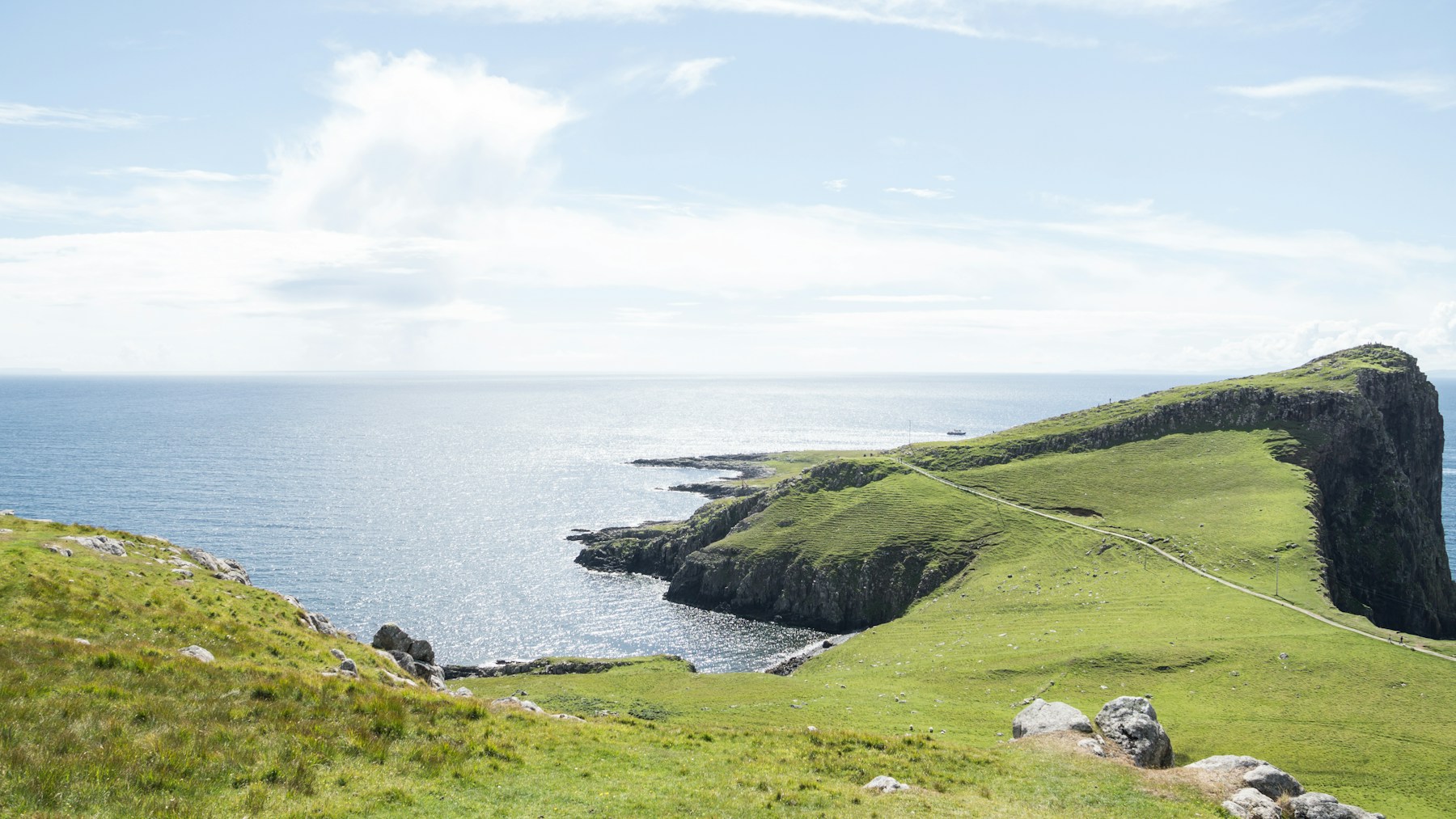
10–14 days
A scenery-led route that gives Skye and the western Highlands enough breathing room.
Best for
Travelers who place dramatic landscapes and island atmosphere above broad regional coverage.
Typical investment
$7,500–$16,000+per person
Route
Edinburgh → Glencoe → Isle of Skye → Inverness or Cairngorms → Edinburgh
What makes it special
The west-coast route lets weather, changing light, and coastal scenery become part of the trip.
Reality check
Skye adds road time, limited room inventory, and weather dependence; it should replace other regions, not stack on top.
Advisor takeaway
Use at least two Skye nights and avoid turning arrival or departure into a sightseeing marathon.
Investment context
Based on two travelers; international airfare excluded.
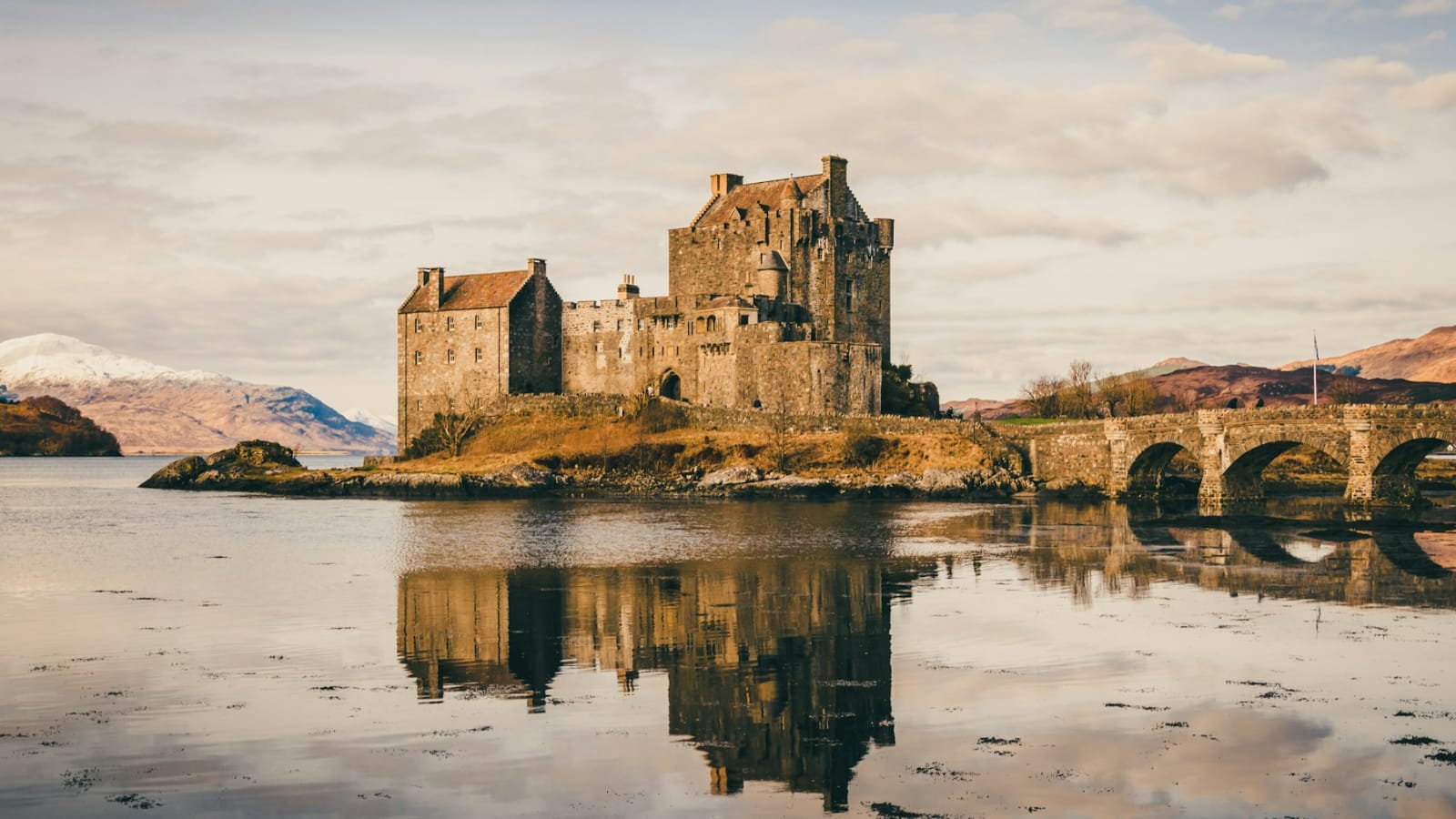
12–16 days
A Celtic pairing that keeps a meaningful Scotland chapter and a distinct Ireland chapter.
Best for
Travelers with enough time for two countries and a preference for heritage, countryside, music, and story-rich touring.
Typical investment
$8,500–$18,000+per person
Route
Edinburgh → focused Highlands route → flight to Dublin → selected Ireland region
What makes it special
The pairing offers two distinct cultural and landscape rhythms without pretending they are interchangeable.
Reality check
Twelve days requires restraint; a comprehensive circuit of both countries needs more time.
Advisor takeaway
Use a flight between logical gateways and avoid spending precious days retracing ground.
Investment context
Based on two travelers; international airfare excluded.
Travel Planning Center
Twenty practical decisions covering timing, transport, reservations, traveler comfort, and international routing.
Related Destinations
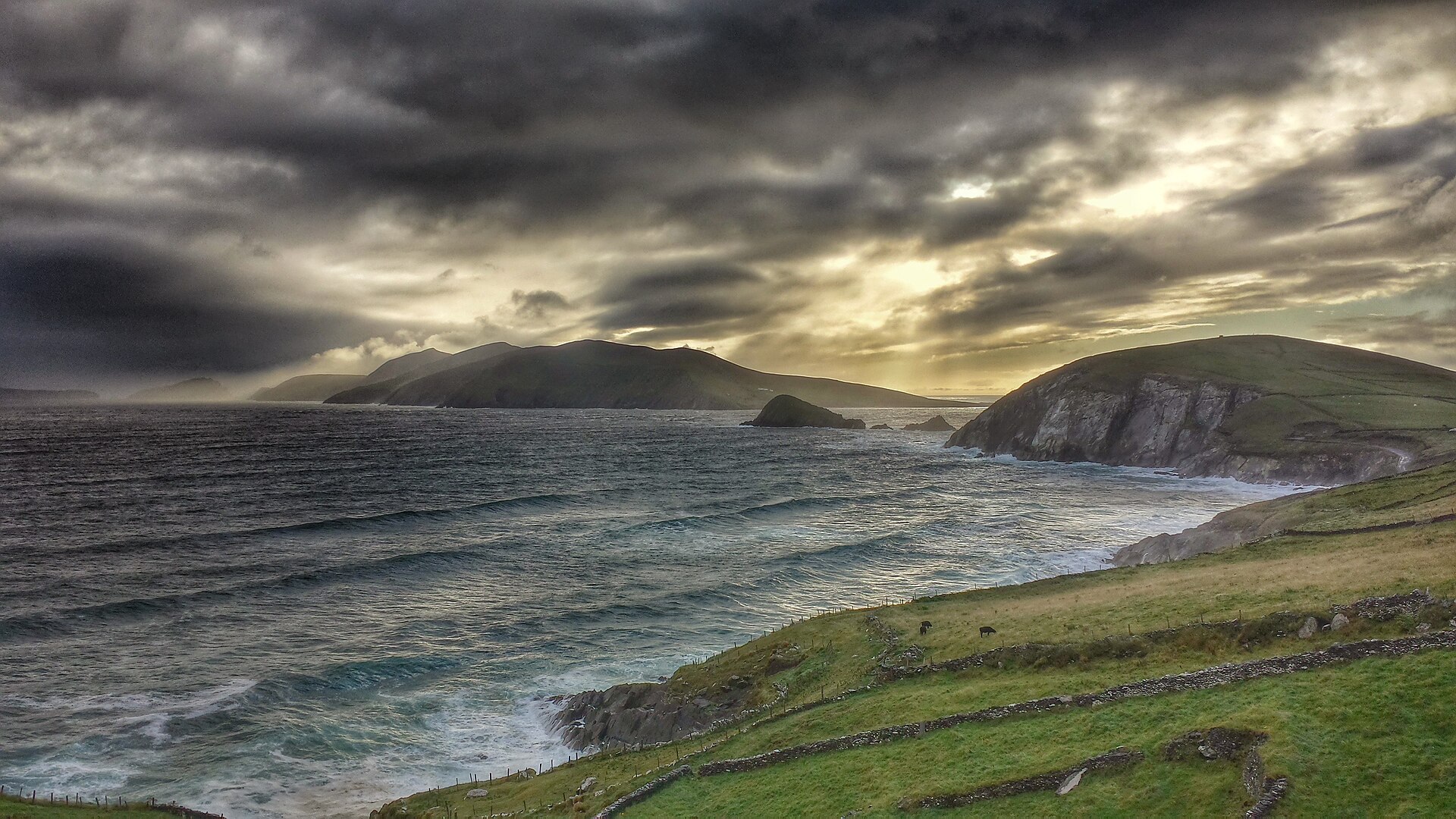
Landscape, story, and the freedom to slow down.
A Celtic pairing with music, countryside, coast, and a different driving rhythm.
Combine only when both countries keep enough nights to feel distinct.

London polish. Countryside depth. Better pacing.
An easy rail-linked city and countryside extension.
Choose England for theatre, museums, and manor-country contrast.

Fire, ice, and landscapes that don't look real — but the planning matters more than you think.
Travelers who want geology and elemental landscapes to lead.
Choose Iceland when nature matters more than castles and layered city history.

Fjords, Northern Lights, and midnight sun — timing changes everything.
A northern landscapes trip centered on fjords, rail, and coastal drama.
Choose Norway when fjords and scenic transport outweigh Scotland's heritage emphasis.
Advisor note: Scotland can stand alone. Add another country only when the connection reinforces the traveler's priorities and the total duration protects both experiences.
Scotland FAQ
Plan 8–10 days for Edinburgh and a focused Highland route. Use 12–14 days when Skye, whisky regions, St. Andrews, or a carefully limited pairing matters.
May through September offers the broadest touring conditions and longest days. April and October can be atmospheric, while Edinburgh festival dates in August require very early planning.
Self-driving can work for confident travelers, but left-side driving, narrow roads, slower travel times, parking, weather, and whisky-day safety should be weighed against rail or a private driver-guide.
England connects naturally by rail, while Ireland can work by air when the total trip protects a meaningful chapter in each country. Iceland and Norway are alternatives for a more landscape-led northern journey.