First-Visit Anchor
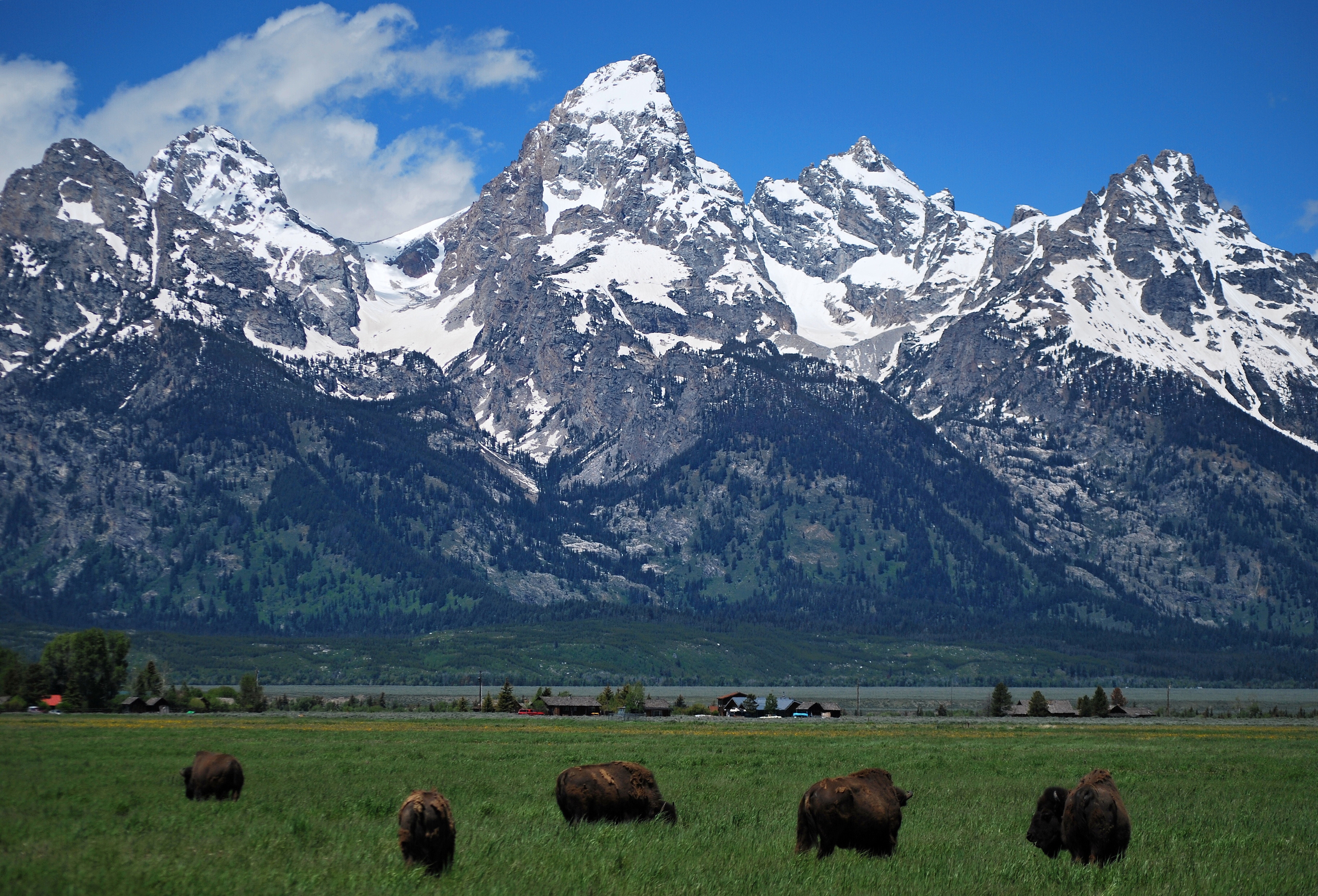
Yellowstone & Grand Teton — Wildlife and American West
Geothermal basins, bison and elk valleys, dramatic mountain fronts, historic lodges, lake landscapes, and gateway towns form the clearest wildlife-led Western pairing.
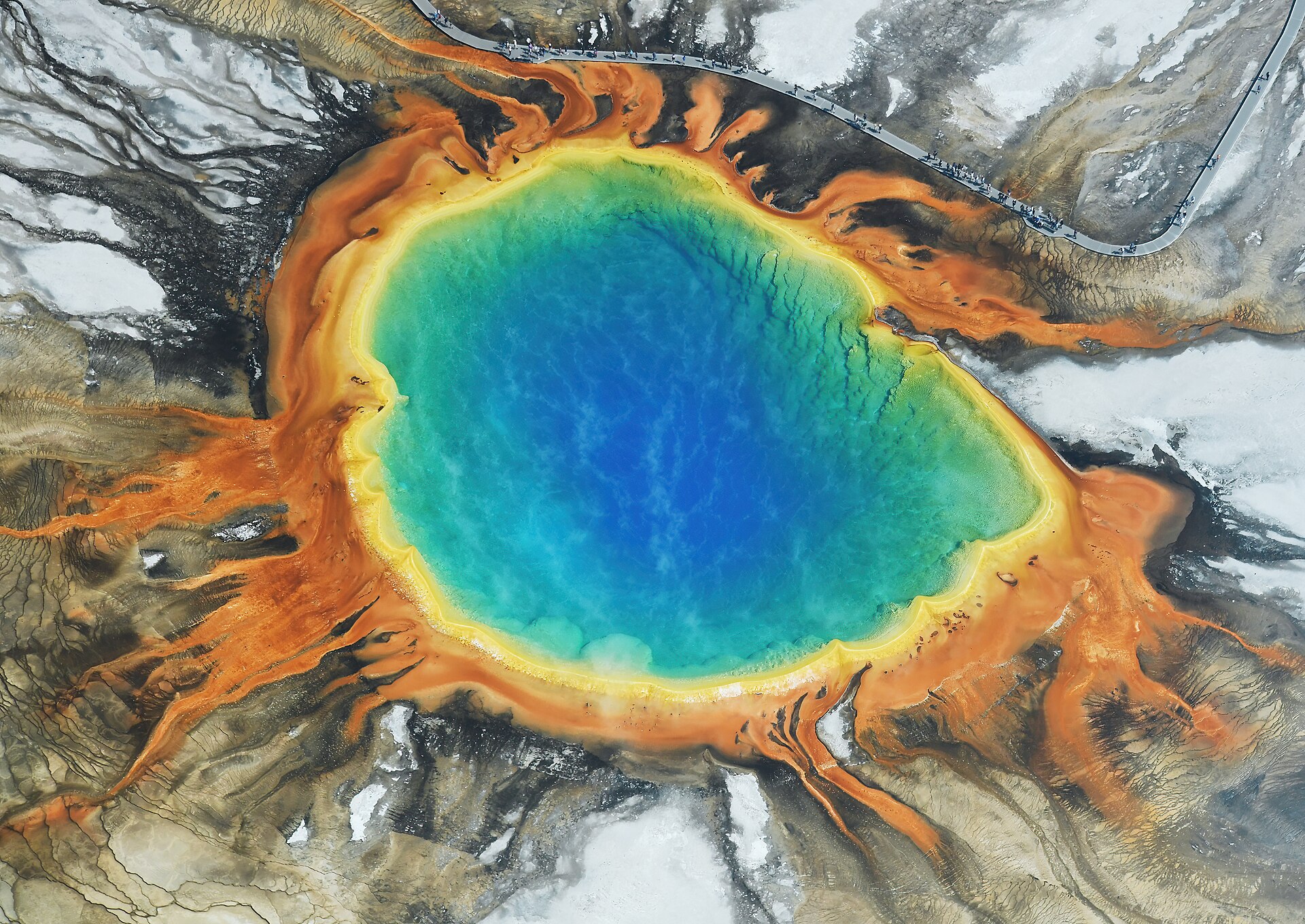
United States Signature Collection
Choose the right parks, season, route, lodging, and pace—not the longest possible checklist.
America's national parks are a collection of distinct operating environments, not one interchangeable trip type. The strongest journey starts with one geographic spine, protects meaningful time inside each park, and plans entrances, permits, wildlife hours, altitude, weather, lodging, and gateway logistics before adding another icon.
Travel styles
Experience Explorer
Six chapters separate wildlife, canyon, Sierra, high-country, Alaska, and deeper-park experiences so one famous name does not flatten the collection.
Geothermal basins, bison and elk valleys, dramatic mountain fronts, historic lodges, lake landscapes, and gateway towns form the clearest wildlife-led Western pairing.
Advisor insight
Choose one park pair or geographic region first. A three-night Yellowstone base and a two-night Grand Teton base usually create more value than adding a distant park and losing dawn, dusk, or a full transfer day.
Traveler fit
Advisor guidance
Map distance understates the day. Wildlife stops, construction, mountain roads, entrance queues, shuttle waits, scenic pullouts, fuel, and weather can turn a short mileage figure into a long operating day.
Inside-park lodging and permits can disappear early, but availability alone should not dictate a poor route. Book scarce anchors, verify official conditions, and preserve alternatives rather than promising one trail, road, or wildlife encounter.
Common planning mistakes
Norma, Dock 10 Travel
Honest tradeoffs
Best Ways to Experience the Parks
Four journey shapes protect regional logic while serving different priorities, budgets, and tolerances for movement.
Best forFirst-time travelers who want a guided overview of major Western landscapes without self-driving every day.
Advisor noteUse a coherent escorted route as the product anchor, then confirm exactly which parks, hotels, meals, and transfer days the departure includes.
Best forWildlife, geothermal, lodge, family, photography, and active travelers who prefer depth over a long checklist.
Advisor noteProtect at least two park bases and dawn or dusk wildlife windows; Jackson, Grand Teton, and Yellowstone are related but not one hotel zone.
Best forIndependent travelers who want canyon landscapes, scenic roads, hiking choices, and a well-sequenced desert loop.
Advisor noteBuild around season, shuttle operations, heat, elevation, and one-way logic; avoid adding every Utah park merely because it appears close on a map.
Best forTravelers with two weeks who want a premium two-region journey joining Western wildlife with Alaska's coastal and interior wilderness.
Advisor noteUse one strategic air transition between regions, preserve buffer time, and never present lower-48 driving and Alaska operations as one continuous road trip.
National Parks Decision Guide
Popularity, operating style, and season determine the route before individual overlooks and trails do.
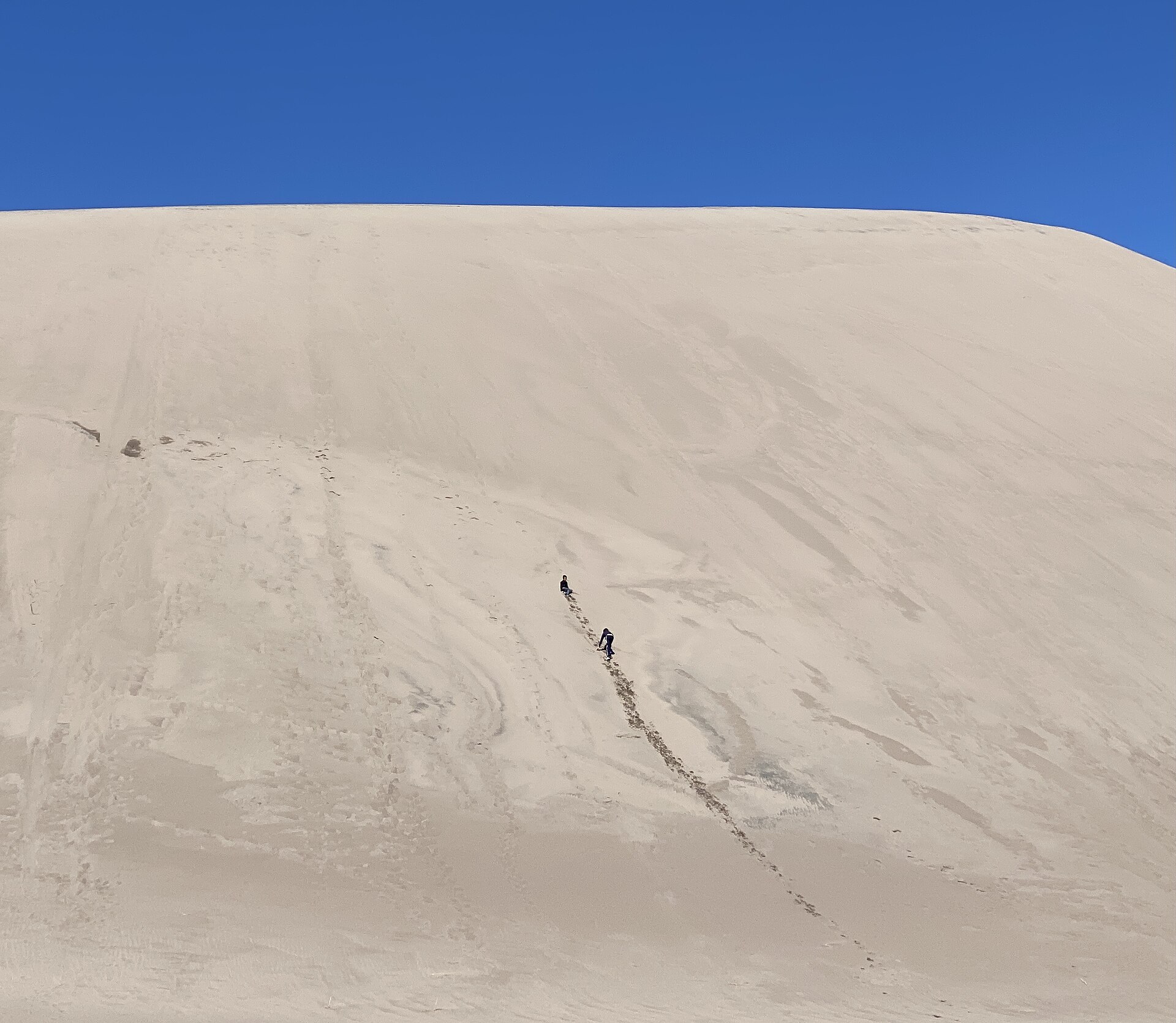
Famous landmarks or deeper discovery
Iconic parks deliver immediately recognizable landscapes with high demand; Less-Crowded parks can offer stronger solitude, unusual ecosystems, and more flexible days with fewer marquee services.
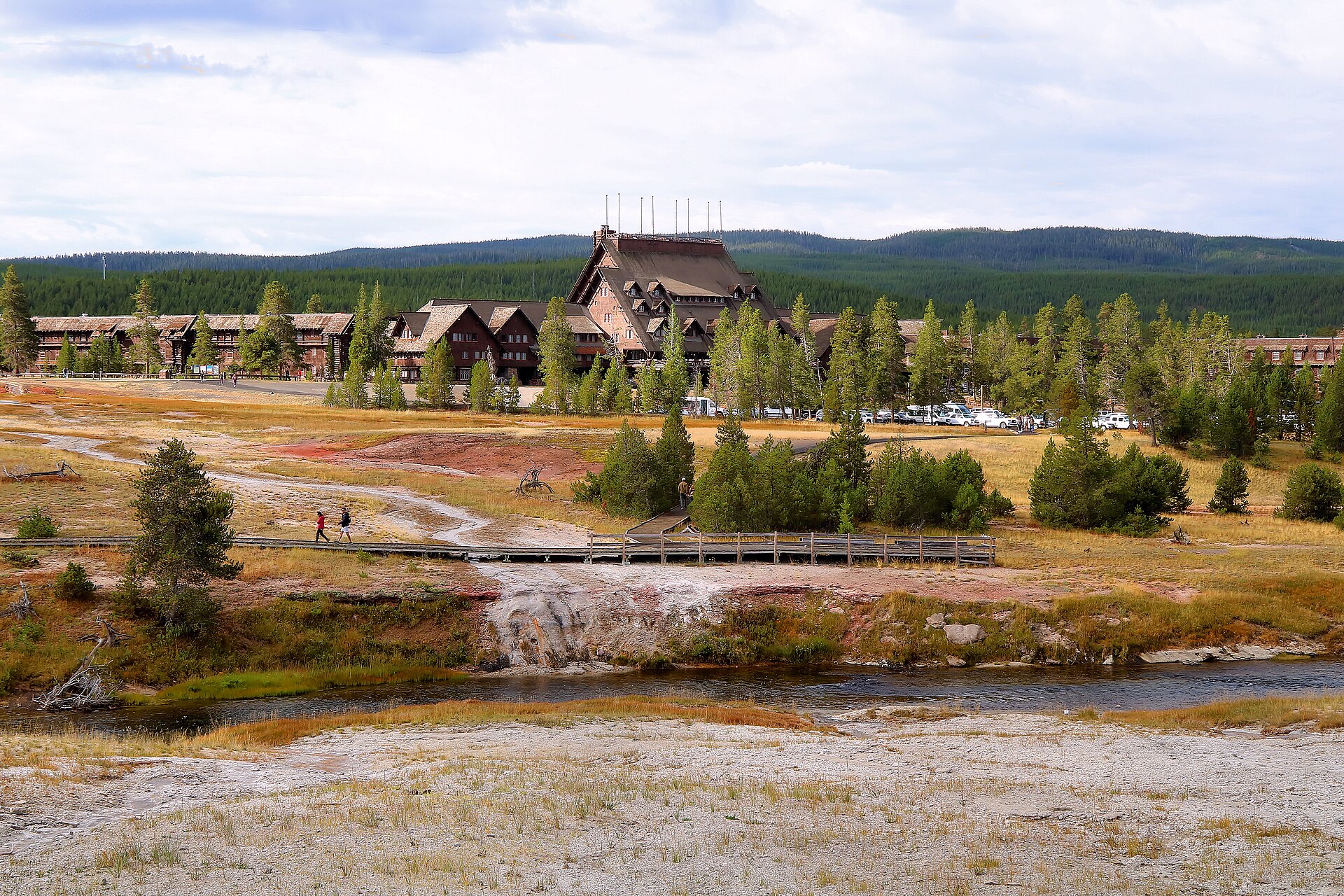
Movement or immersion
A Road Trip connects contrasting parks and gateway towns; Lodge-Based travel trades coverage for dawn, dusk, shorter daily drives, and more recovery time inside one landscape.
Maximum access or fewer people
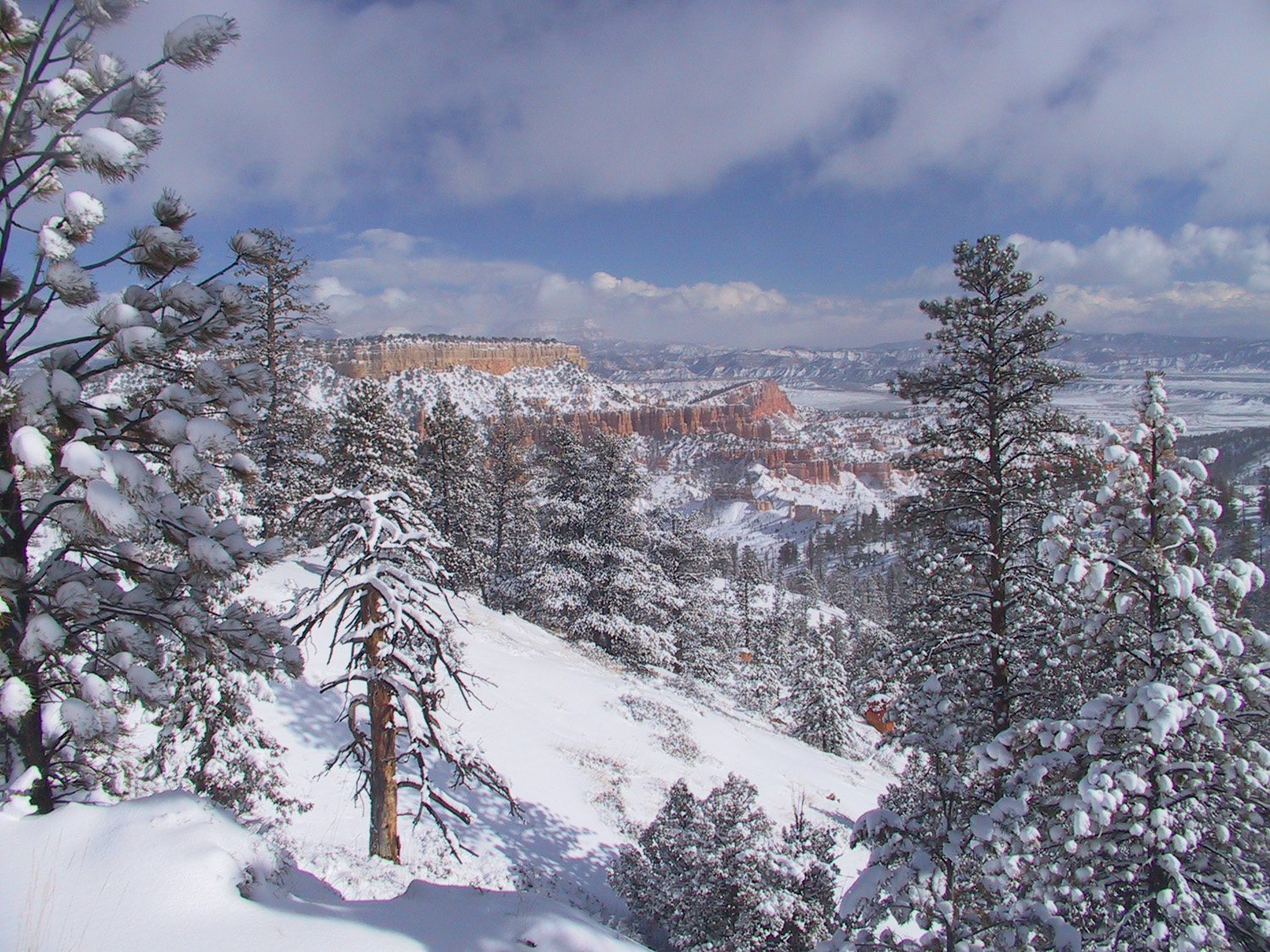
Summer Access opens most high roads and services but brings demand, heat, traffic, and wildfire risk; Shoulder Season can improve calm and wildlife rhythm while increasing snow, closure, and service uncertainty.
Advisor-built Signature journeys
Four materially different, supplier-grounded concepts. Investment amounts are planning evidence and are not published quotes.
12 days
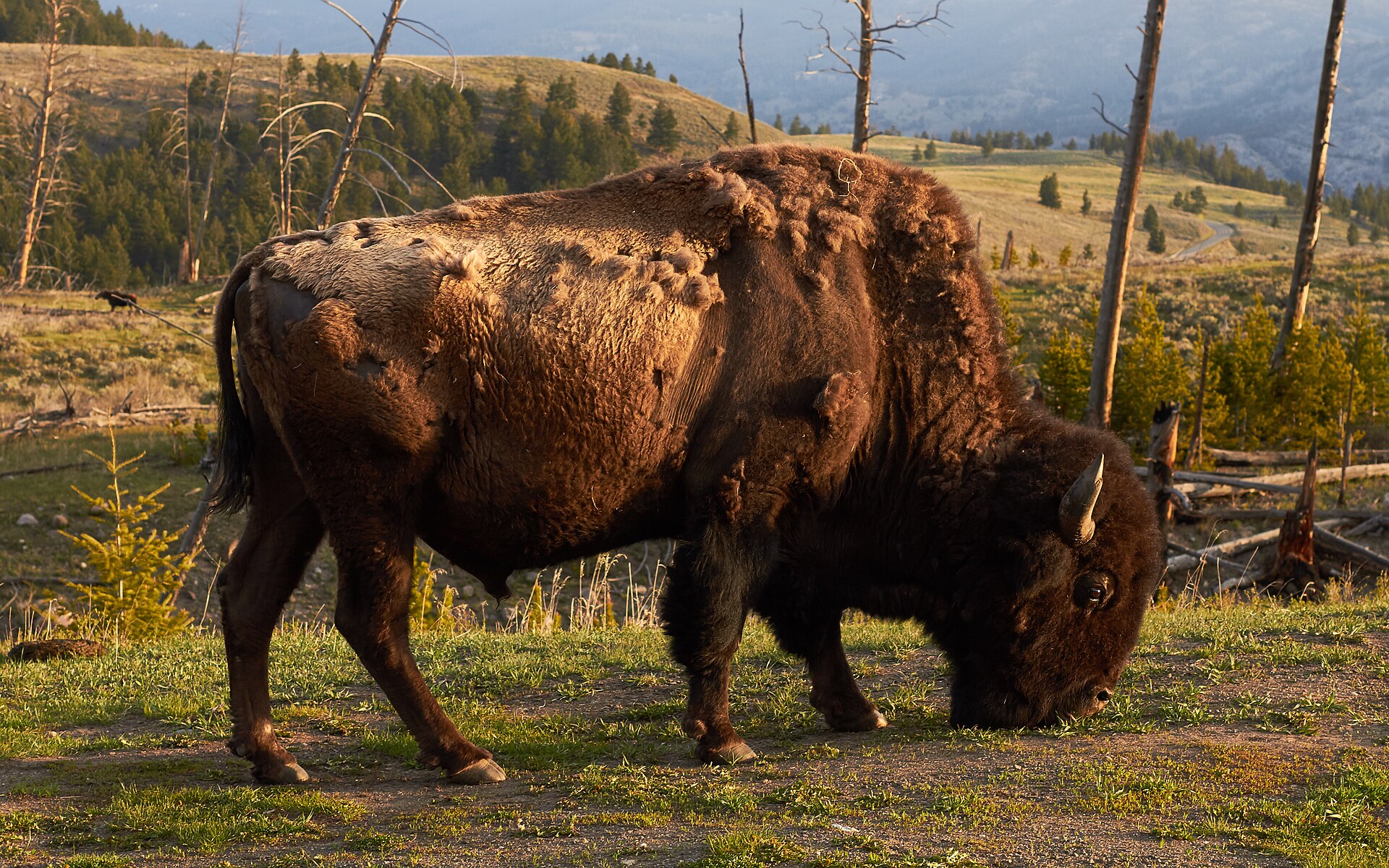
A guided first-visit survey connecting signature desert and mountain landscapes through a single operated itinerary.
Best for
Travelers who want a broad Western introduction with transportation and many logistics handled.
Typical investment
From $5,699 per person
Route
Scottsdale → Grand Canyon → Lake Powell → Bryce Canyon → Zion → Salt Lake City → Jackson and Grand Teton → Yellowstone
What makes it special
It creates a legible progression from Southwest canyon country to the wildlife and geothermal landscapes of the northern Rockies.
Reality check
Twelve days is a survey with substantial coach movement; it cannot provide lodge-based depth in every park.
Advisor takeaway
Keep the supplier-operated inclusion set distinct from a private or self-drive version and reconcile every departure before booking.
Investment context
Investment estimates are planning ranges per person, based on two travelers sharing, and exclude international airfare unless stated otherwise. Final pricing depends on travel dates, availability and the personalized itinerary. Direct market anchor: Collette National Parks of America, twelve days from $5,699 per person on the reviewed 2026 listing. Exact departure, route, hotels, room, meals, transport, admissions, taxes, fees, terms, and air require reconciliation against the live supplier record.
9 days
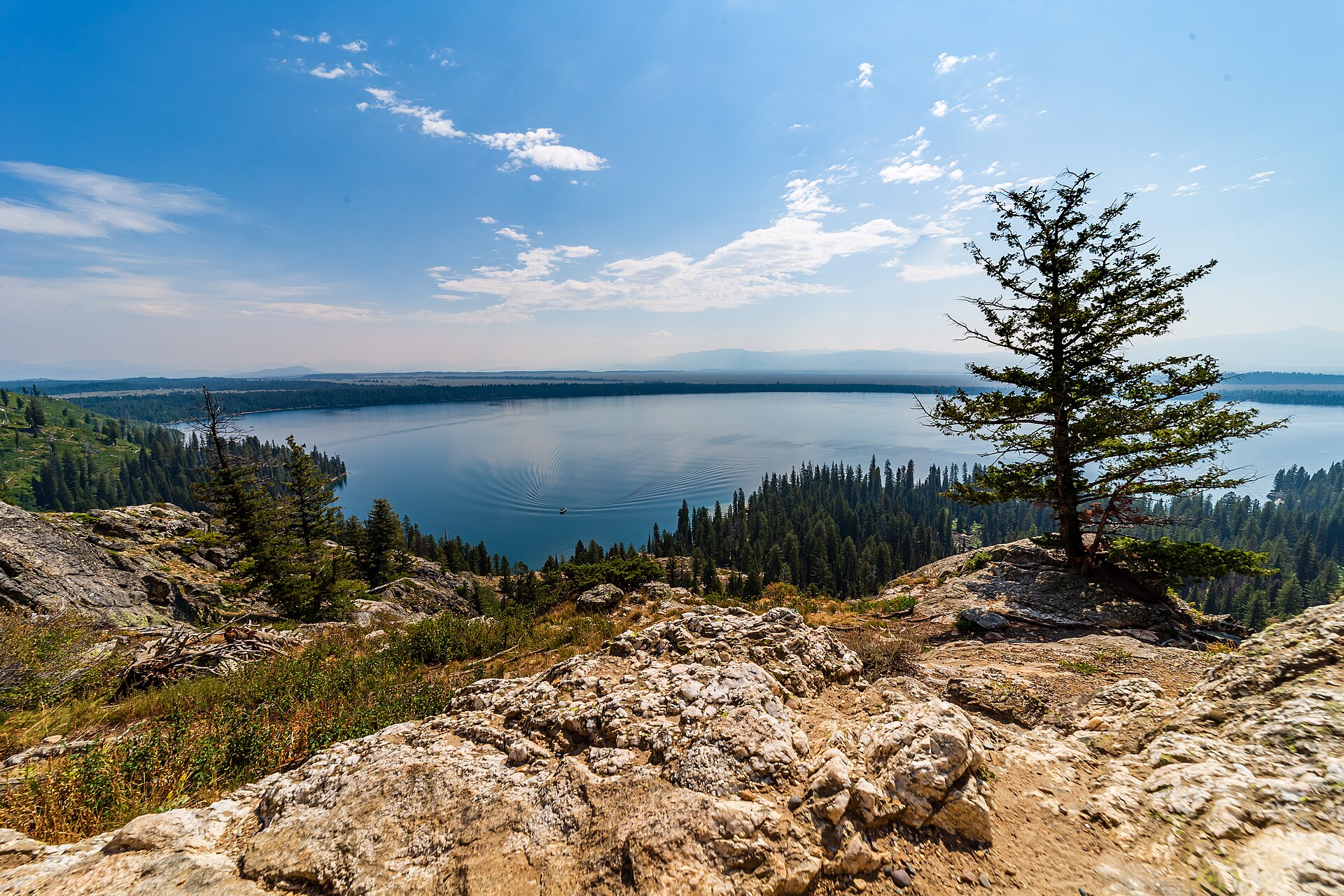
A premium wildlife-and-geothermal journey with sustained Yellowstone time and a separate Grand Teton chapter.
Best for
Wildlife, photography, multigenerational, lodge, and active travelers who value depth and expert interpretation.
Typical investment
From $7,990 per person
Route
Jackson → Grand Teton National Park → Yellowstone National Park → Jackson
What makes it special
Repeated wildlife windows, geothermal interpretation, and park-positioned nights replace a rushed drive-through.
Reality check
Wildlife, eruption timing, smoke, weather, and specific roads cannot be guaranteed; early starts and variable days are normal.
Advisor takeaway
Preserve the source's small-group scope and inside-park positioning when comparing alternatives.
Investment context
Investment estimates are planning ranges per person, based on two travelers sharing, and exclude international airfare unless stated otherwise. Final pricing depends on travel dates, availability and the personalized itinerary. Direct premium market anchor: Tauck Yellowstone & the Tetons: American Safari, nine days from $7,990 per person for reviewed 2026 positioning. Exact date, group size, lodges, room, guiding, activities, meals, transfers, admissions, taxes, fees, terms, and air require reconciliation.
8 days
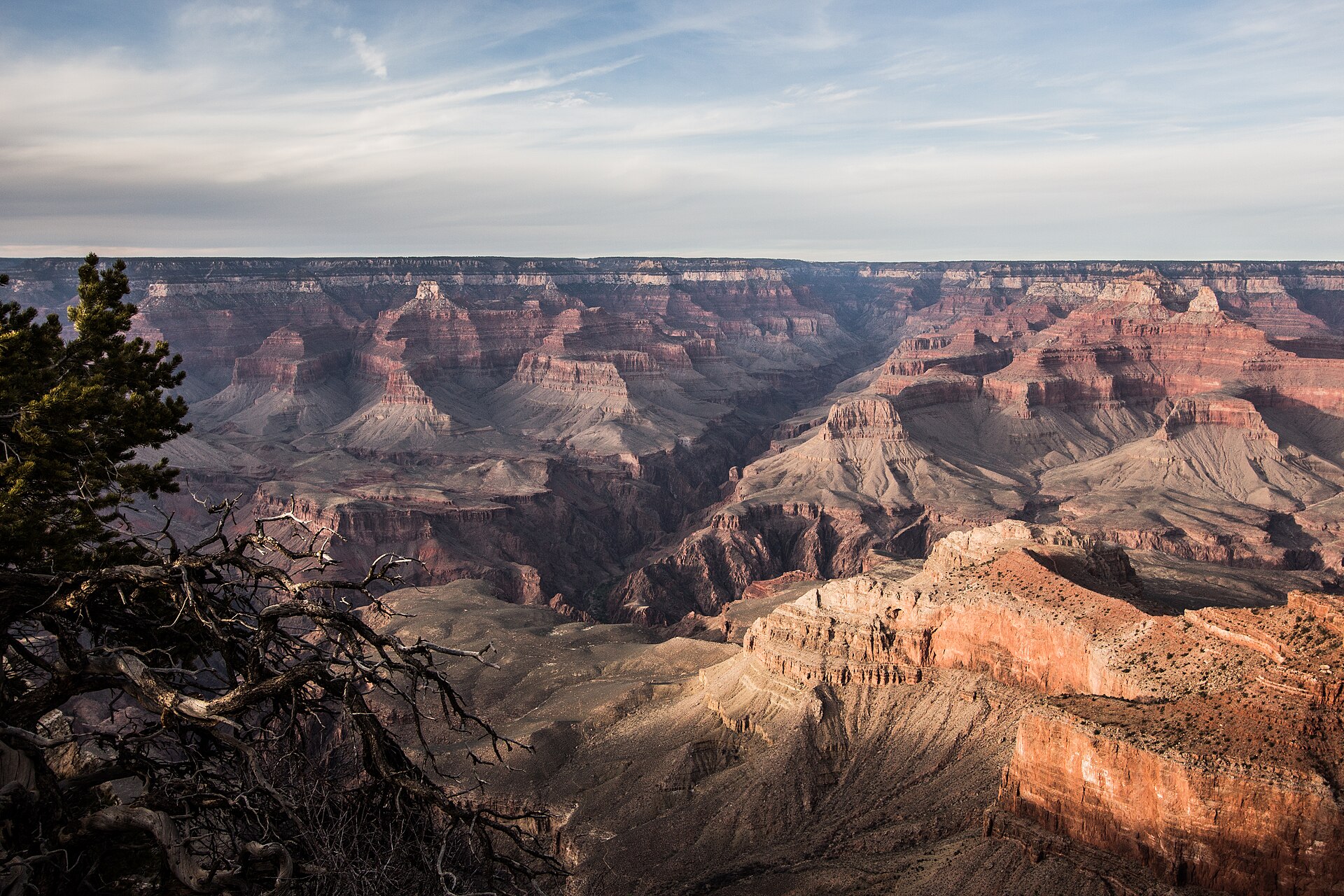
A selective desert circuit balancing Grand Canyon scale with Lake Powell, Bryce Canyon, and Zion rather than collecting every Southwest park.
Best for
Independent couples, friends, and families comfortable with driving, changing elevations, and early trail or shuttle starts.
Typical investment
From $3,899 per person
Route
Las Vegas → Sedona and Grand Canyon South Rim → Lake Powell → Bryce Canyon → Zion → Las Vegas
What makes it special
The route changes landscape almost daily while remaining a coherent one-region circuit.
Reality check
Summer heat, winter snow, flash-flood risk, shuttle rules, one-way mileage, and popular trail permits can materially change the day.
Advisor takeaway
Do not imply the supplier anchor's inclusions carry into the self-drive version; price it line by line before booking.
Investment context
Investment estimates are planning ranges per person, based on two travelers sharing, and exclude international airfare unless stated otherwise. Final pricing depends on travel dates, availability and the personalized itinerary. Direct escorted market anchor: Collette Canyon Country featuring Arizona & Utah, eight days from $3,899 per person on the reviewed live tour page. The Signature concept is normalized as a self-drive route, so vehicle, hotels, park entry, guiding, meals, fuel, parking, taxes, fees, insurance, air, and one-way costs require separate reconciliation.
15 days
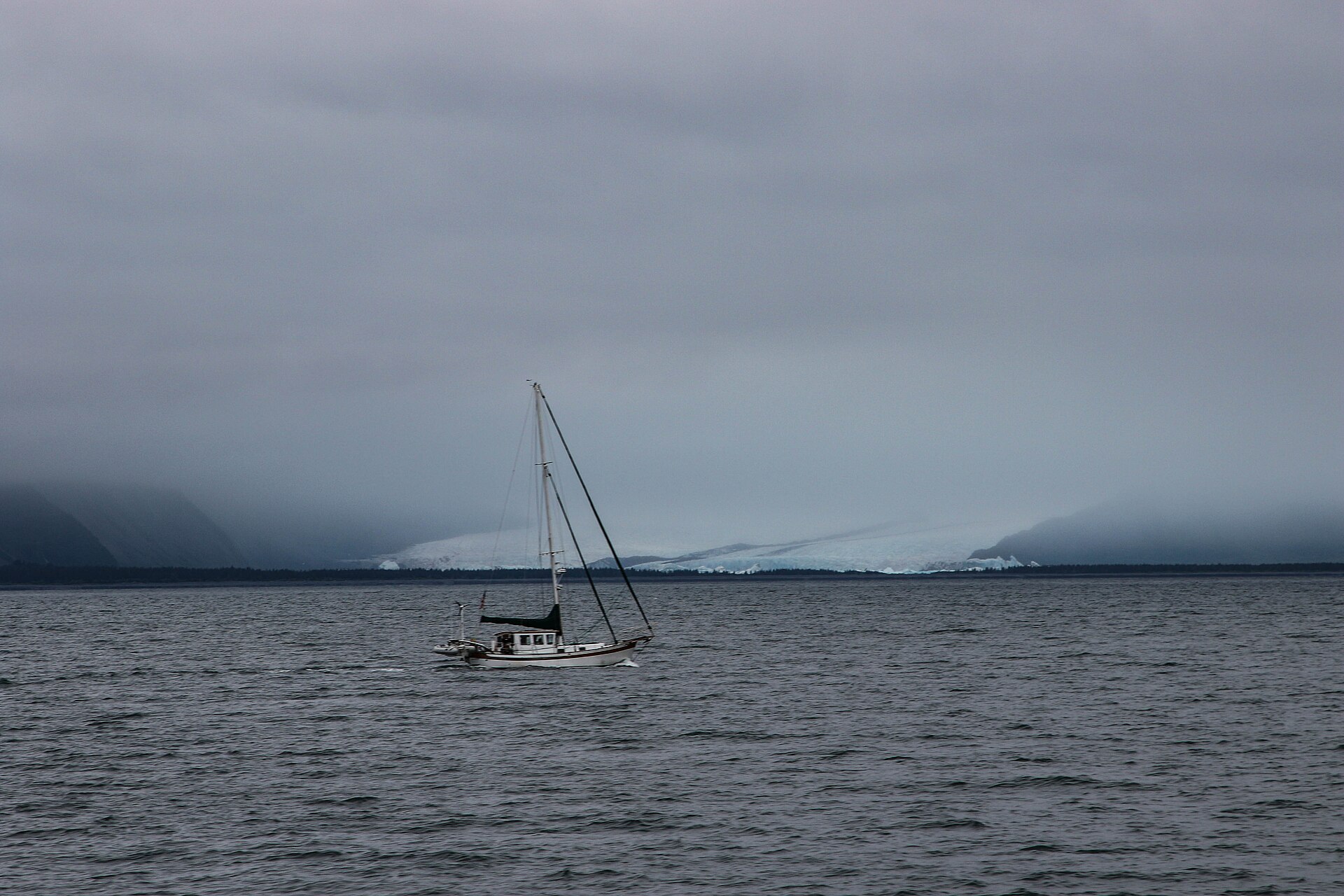
A premium two-region journey connecting Yellowstone and Grand Teton wildlife with Alaska's Kenai Fjords and Denali wilderness.
Best for
Experienced travelers with two weeks, a premium budget, and tolerance for weather-led operations and one strategic air transition.
Typical investment
Planning benchmark from $14,500 per person
Route
Jackson → Grand Teton → Yellowstone → Bozeman → fly to Anchorage → Seward and Kenai Fjords → Denali → Anchorage
What makes it special
Two of America's strongest wildlife regions become separate, spacious chapters rather than an implausible cross-country drive.
Reality check
The air transition can require a connection and most of a day; marine weather, Denali access, wildfire smoke, and rail or road schedules need buffers.
Advisor takeaway
Treat $14,500 as an planning benchmark only and build the Alaska chapter with cancellable or protected contingencies.
Investment context
Investment estimates are planning ranges per person, based on two travelers sharing, and exclude international airfare unless stated otherwise. Final pricing depends on travel dates, availability and the personalized itinerary. GuidePilot planning benchmark, not a direct supplier comparable: combines current premium Yellowstone–Teton positioning with Alaska flights, private or small-group naturalist support, strong lodging, Kenai Fjords marine access, Denali transport, and contingency allowances. Every component requires live sourcing and reconciliation.
Travel Planning Center
Twenty practical decisions organize park choice, movement, lodging, season, safety, traveler needs, and investment.
Related Destinations
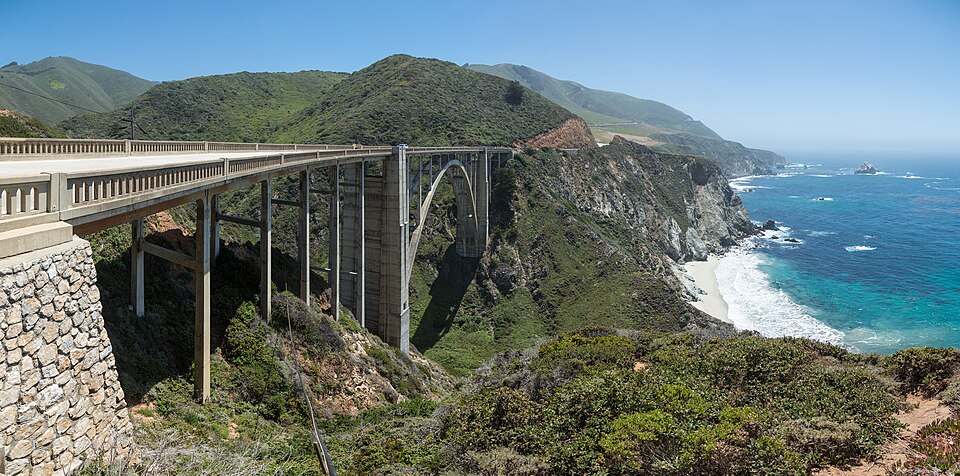
Build one great journey from coast, cities, wine country, mountains, and desert.
Cities, coast, wine, desert, and Yosemite within one large state journey.
California mixes urban and scenic chapters; this collection makes parks themselves the route's organizing purpose.
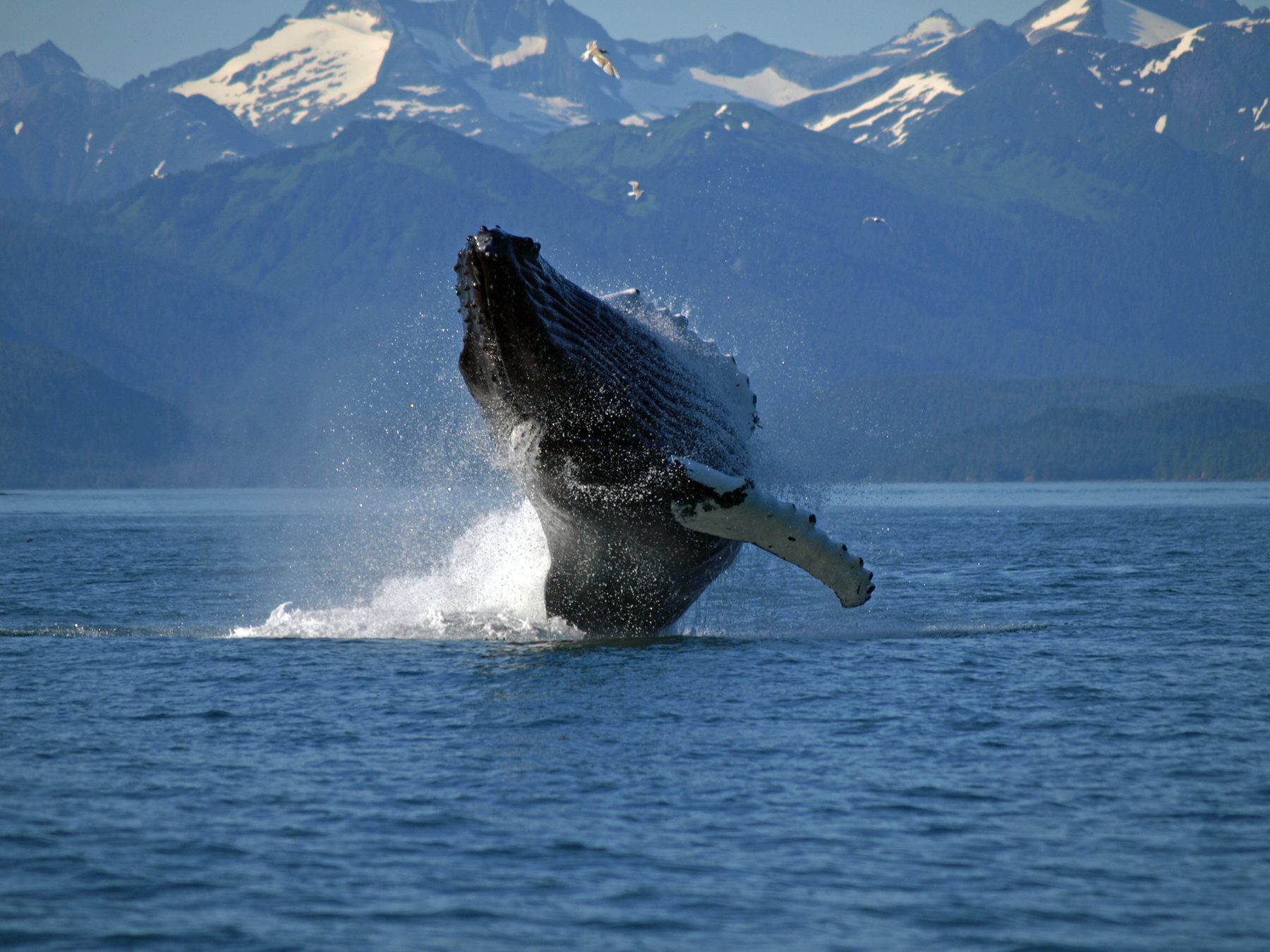
Choose the access, route, and pace that make Alaska's scale meaningful.
A deeper single-state wilderness journey built around marine and interior Alaska logistics.
Alaska deserves its own operating plan when Denali, Kenai Fjords, Katmai, Glacier Bay, or remote access is the main promise.
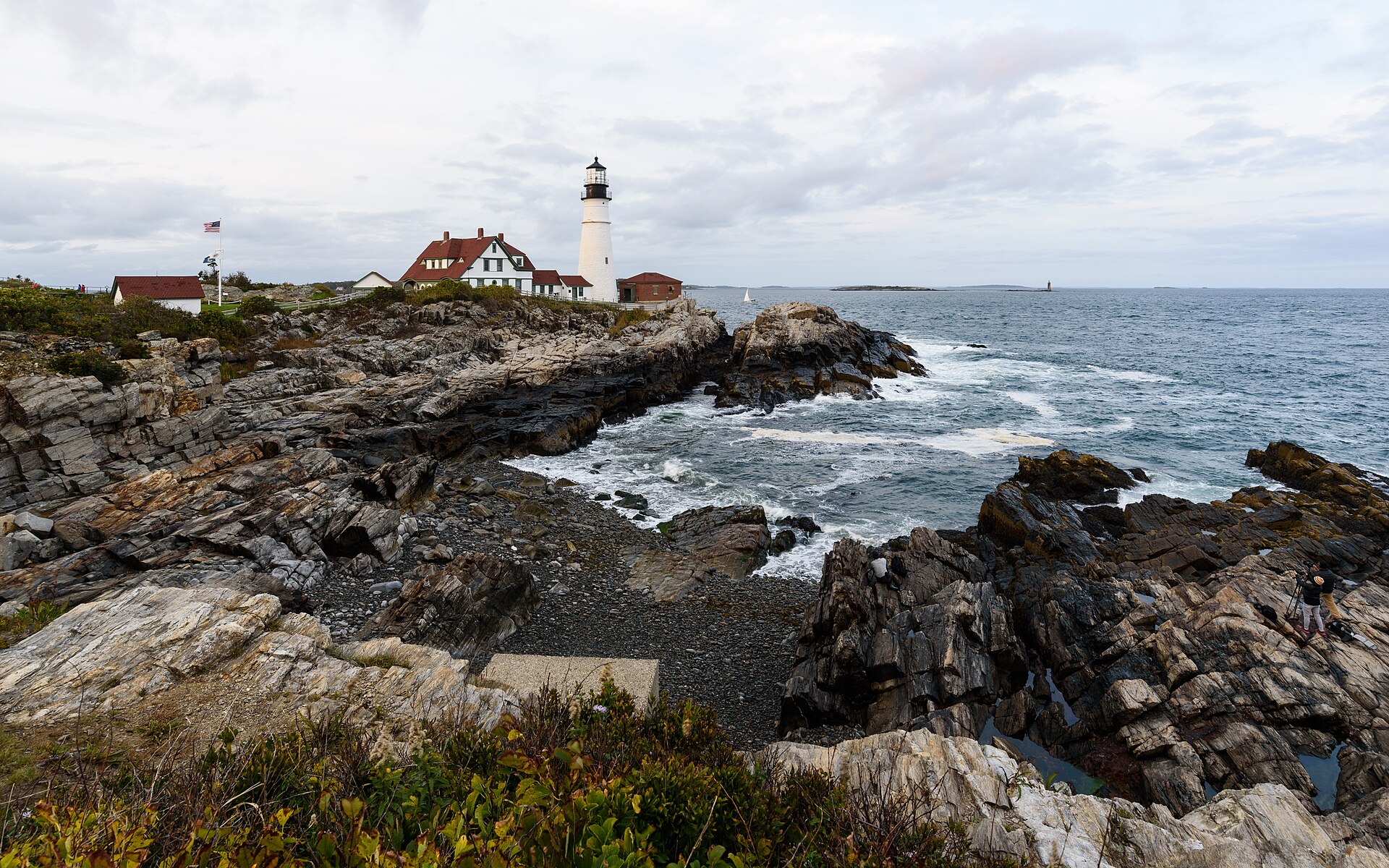
Build the right regional journey from history, coast, mountains, villages, food, inns, and season.
History, villages, coast, mountains, food, and Acadia within a compact region.
New England combines towns and landscapes; a national-parks route generally places services and culture around the protected landscape.
Build the right journey from theme parks, cities, islands, beaches, wetlands, and spaceflight.
Beaches, neighborhoods, resorts, family icons, and the Everglades in one warm-weather state.
Florida can include a park chapter without becoming an outdoor-led multi-park journey.
Advisor note: Recommend U.S. National Parks when protected landscapes, wildlife, geology, and outdoor rhythm are the primary purpose—not simply an add-on to a city or state trip.
U.S. National Parks FAQ
Usually two neighboring parks in seven to nine days, or three to five parks in a carefully sequenced ten- to fourteen-day regional route. Distant icons should not be joined by implausible driving.
Book scarce park lodging and core transport as their calendars open, then track permit and timed-entry release windows separately. Rules vary by park and year, so verify official sources.
No. It can protect dawn, dusk, and driving time, but a gateway hotel may offer better rooms, food, value, accessibility, and cancellation terms. Compare exact position and daily plan.
No. Wildlife, weather, smoke, snow, roads, water levels, trails, shuttles, and ranger restrictions can change. Use safe distances and preserve alternatives.
Yes, with stop-specific planning. Many parks have scenic drives, overlooks, accessible paths, shuttles, and programs, but surfaces, grades, vehicles, lodging, restrooms, altitude, and seasonal access must be verified.