Advisor Starting Point
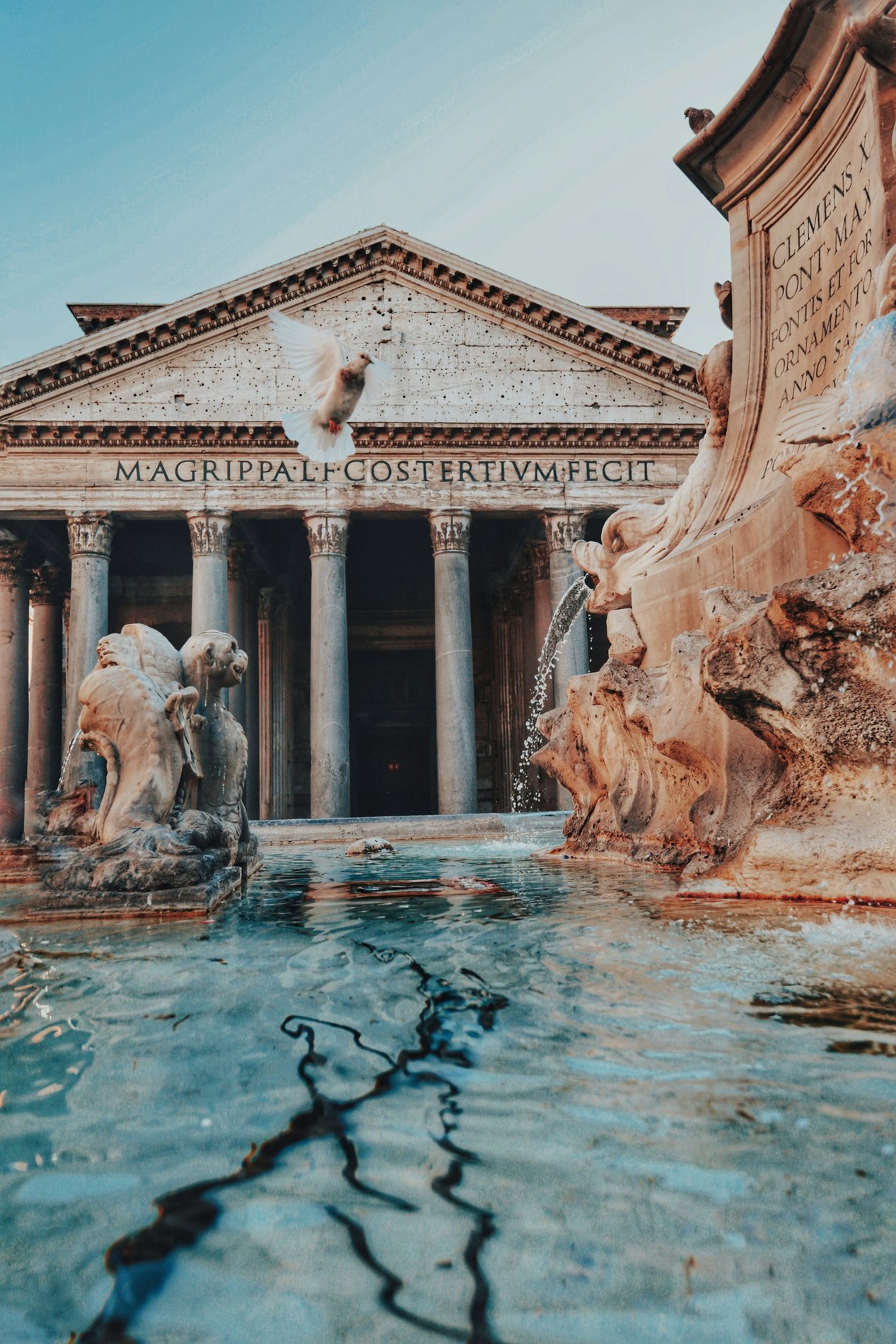
Rome
Ancient sites, private guides, neighborhoods, rooftop dinners, and a grounding first chapter.
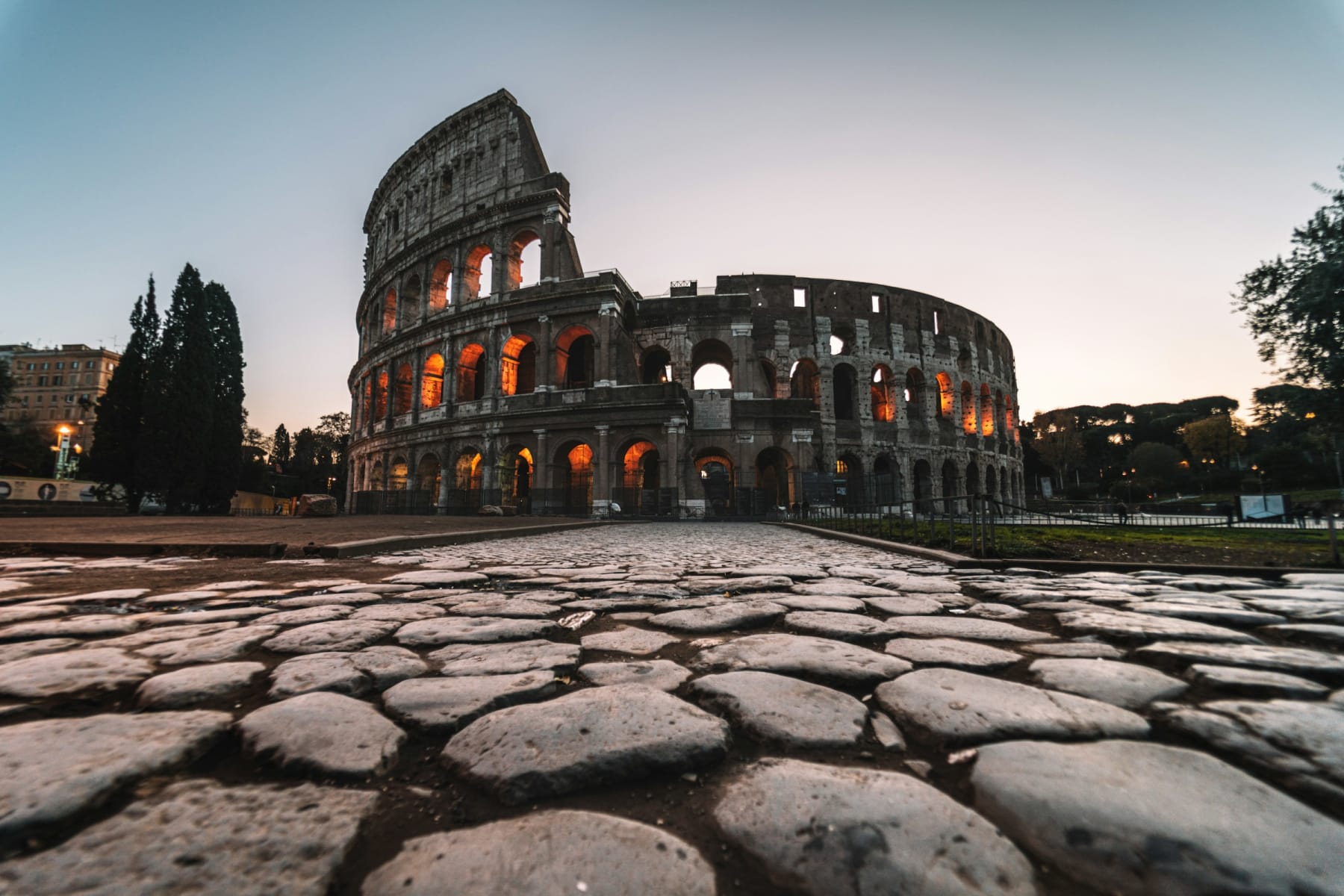
Destination Guide
Food. Art. Coastlines. Timeless.
Italy rewards focus more than volume. Rome, Florence, Tuscany, Venice, the Amalfi Coast, Sicily, and the lakes can each shape a different vacation, so the strongest route begins with the experience and rhythm that should lead.
Travel styles
Experience Explorer
Choose the experience that should lead. It determines the route, transportation, hotel geography, and how many regions fit without turning the trip into a checklist.
Ancient sites, private guides, neighborhoods, rooftop dinners, and a grounding first chapter.
Advisor insight
Rome is a powerful opening, but Florence, Tuscany, Amalfi, Venice, and Sicily create distinct second chapters. The best itinerary protects one of them instead of treating the whole country as a single short loop.
Traveler fit
Advisor guidance
Italy looks effortless in photographs, but crowds, heat, rail days, coastal transfers, hotel access, stairs, and historic streets determine how comfortable the trip feels.
The strongest plans balance art and history with meals, neighborhoods, countryside, or coast. Adding destinations without protecting arrival time usually weakens the experience rather than expanding it.
Common planning mistakes
Norma, Dock 10 Travel
Honest tradeoffs
Advisor Guidance
Choose the format according to desired independence, regional depth, mobility, guiding, and how much logistical support should be built into the trip.
Best forCouples, celebrations, food lovers, and travelers who want flexibility with private support.
Advisor noteOften the strongest fit when private guides, rail, drivers, and well-located hotels are sequenced with breathing room.
Best forTravelers who want cultural context and logistics handled in a social format.
Advisor noteCompare group size, hotel location, guide quality, included meals, and daily pace before comparing the destination list.
Best forTravelers drawn to Tuscany, Piedmont, Emilia-Romagna, Sicily, markets, vineyards, and regional meals.
Advisor noteItaly is most memorable when meals and regional ingredients drive the route instead of filling free time.
Best forIndependent travelers who want efficient city links with expert context and selective transfers.
Advisor noteRail works well between major cities, while countryside and coastal chapters often need a different transportation plan.
Advisor-built trip ideas
Four distinct formats using planning ranges for guidance rather than guaranteed package prices or live quotes.
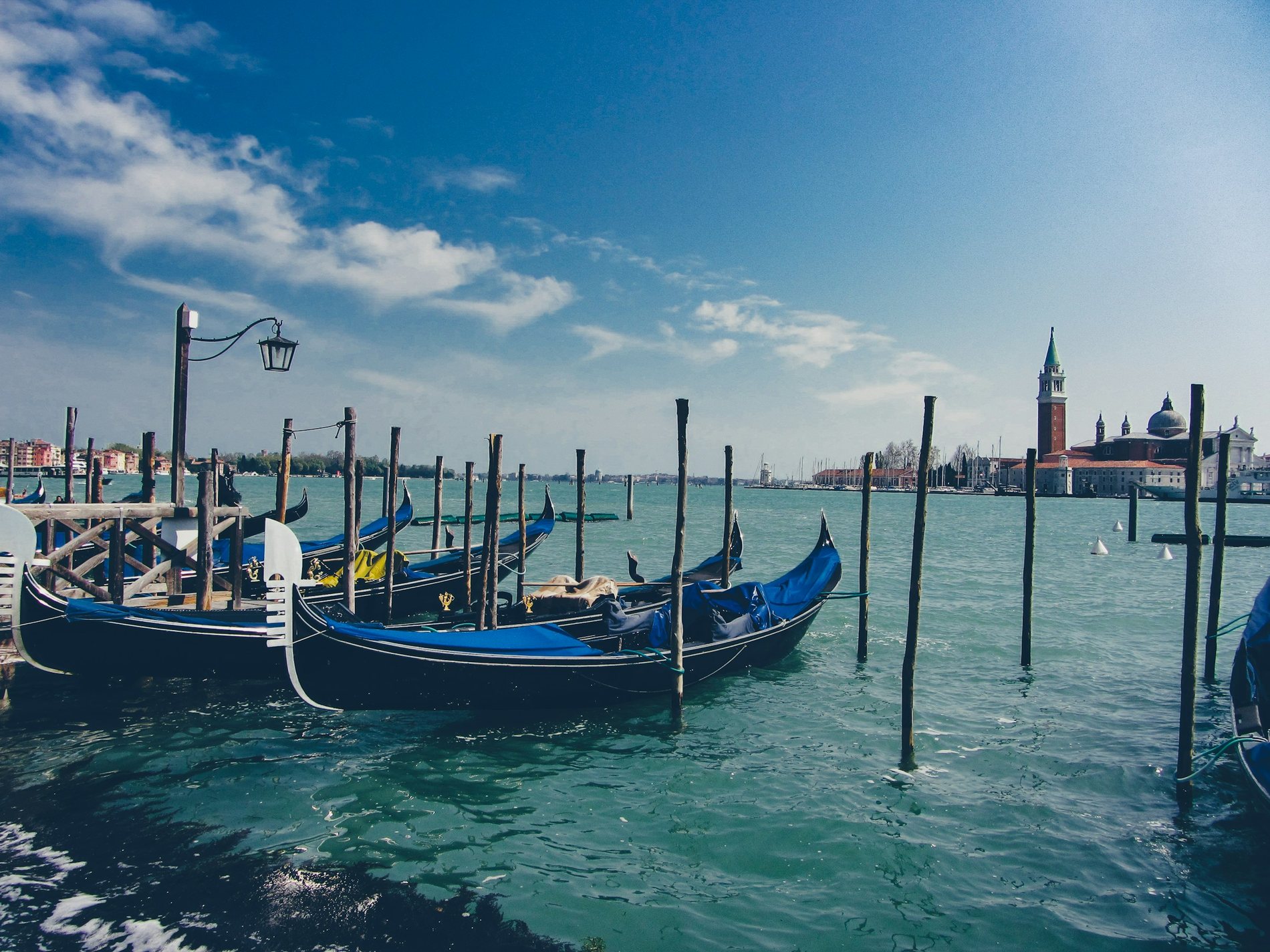
8–10 days
Rome, Florence, and one slower finish create a first trip with icons, context, and enough room to arrive.
Best for
First-time Italy travelers who want cultural landmarks plus either countryside or coast without racing.
Typical investment
From $4,500–$10,000 per person
Route
Rome → Florence → Tuscany or Amalfi Coast
What makes it special
Ancient history and Renaissance art are balanced by one deliberately slower regional chapter.
Reality check
Venice, Lake Como, Sicily, and additional coasts should wait unless the trip is longer.
Advisor takeaway
Protect arrival time and give the final region enough nights to change the pace.
Investment context
Based on two travelers sharing accommodations. International airfare is excluded. Final investment varies by hotel category, private guiding, rail class, transfers, selected region, travel season, and included experiences.
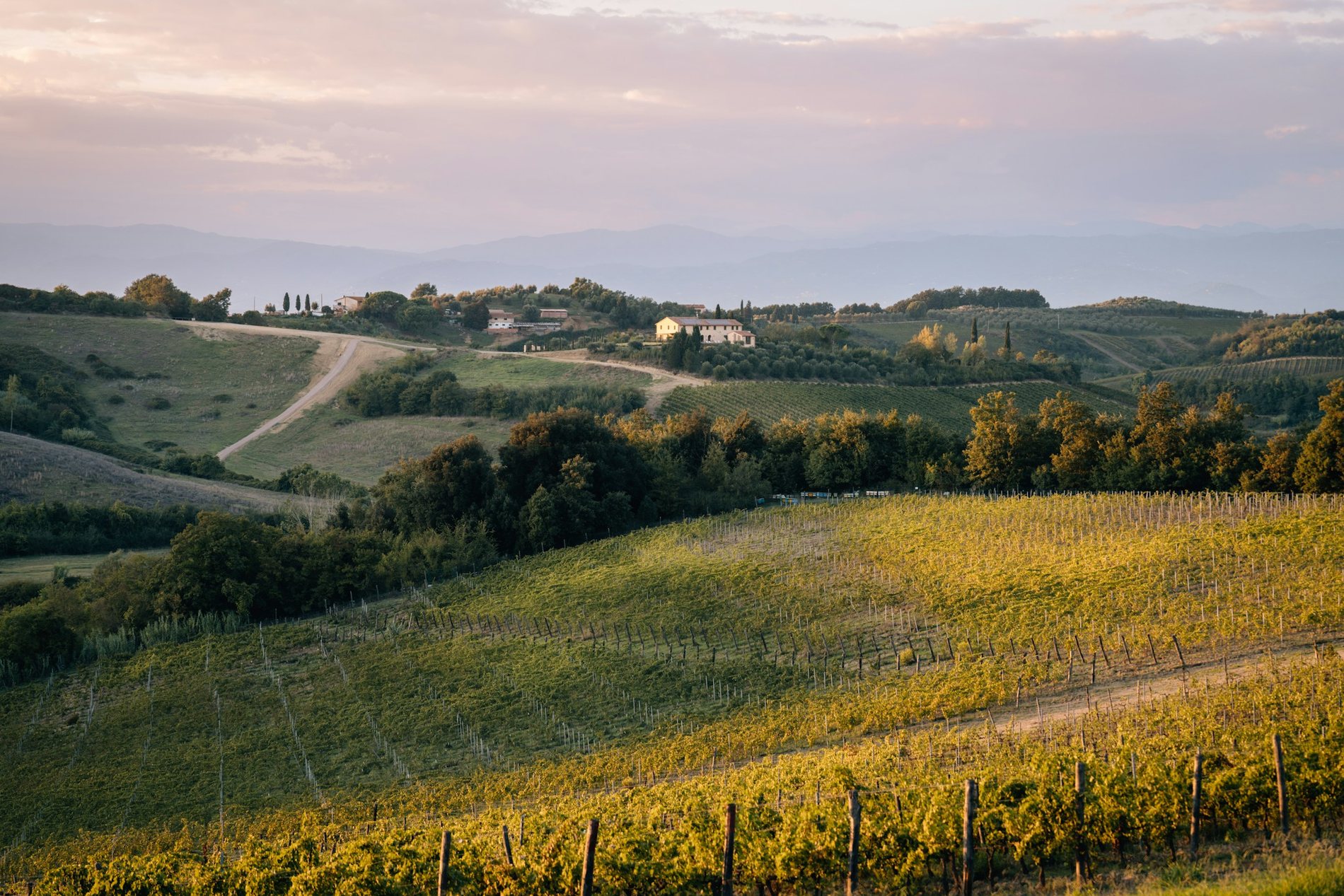
9–11 days
A food-led journey through Tuscany built around vineyards, hill towns, countryside hotels, and unhurried meals.
Best for
Couples, culinary travelers, anniversaries, and repeat visitors who want the table to shape the trip.
Typical investment
From $7,000–$16,500 per person
Route
Rome or Florence → Val d'Orcia → Montalcino → Chianti → Florence
What makes it special
Private drivers, regional cooking, wine estates, and long lunches make pace part of the experience.
Reality check
This format sacrifices beach time and a long list of city landmarks.
Advisor takeaway
One strong winery, one village, and one memorable meal can be the whole purpose of a day.
Investment context
Based on two travelers sharing accommodations. International airfare is excluded. Final investment varies by countryside hotel or villa level, private drivers, wine experiences, cooking programs, private guiding, dining inclusions, and season.
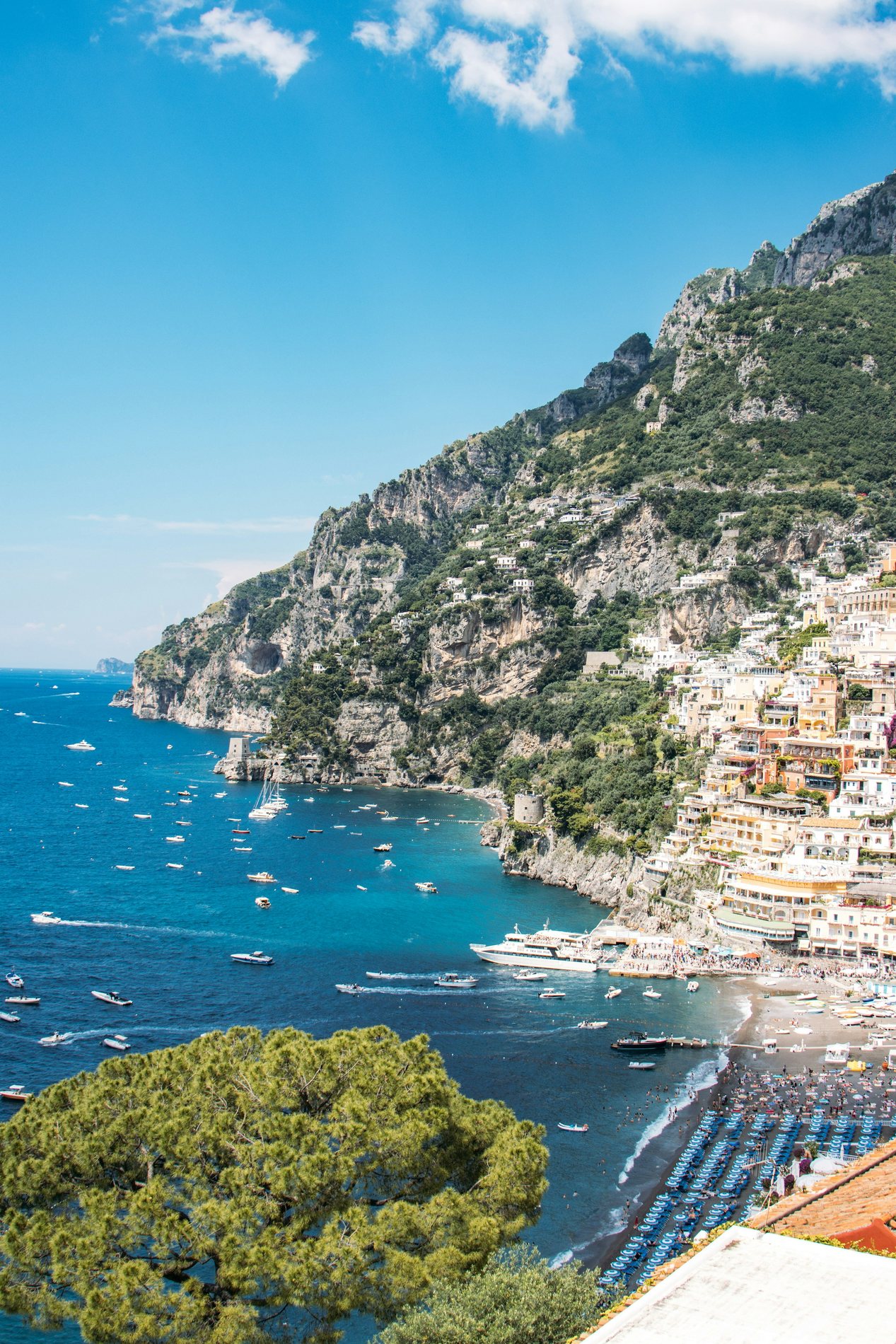
10–12 days
Florence's art and city culture lead into Amalfi scenery, boutique hotels, boats, and a romantic coastal finish.
Best for
Honeymoons, anniversaries, and luxury FIT travelers who want art, scenery, and protected coastal nights.
Typical investment
From $7,000–$16,500 per person
Route
Florence → Amalfi Coast or Positano → optional Capri or Ravello
What makes it special
Renaissance culture and a polished coastal stay create two distinct but complementary chapters.
Reality check
Amalfi logistics, stairs, ferries, traffic, and peak-season crowds need to be planned honestly.
Advisor takeaway
The coast becomes frustrating when treated as a quick add-on; protect the transfer and the stay.
Investment context
Based on two travelers sharing accommodations. International airfare is excluded. Final investment varies by coastal hotel category, room view, private transfers, boat experiences, rail arrangements, private guiding, travel dates, and length of stay.
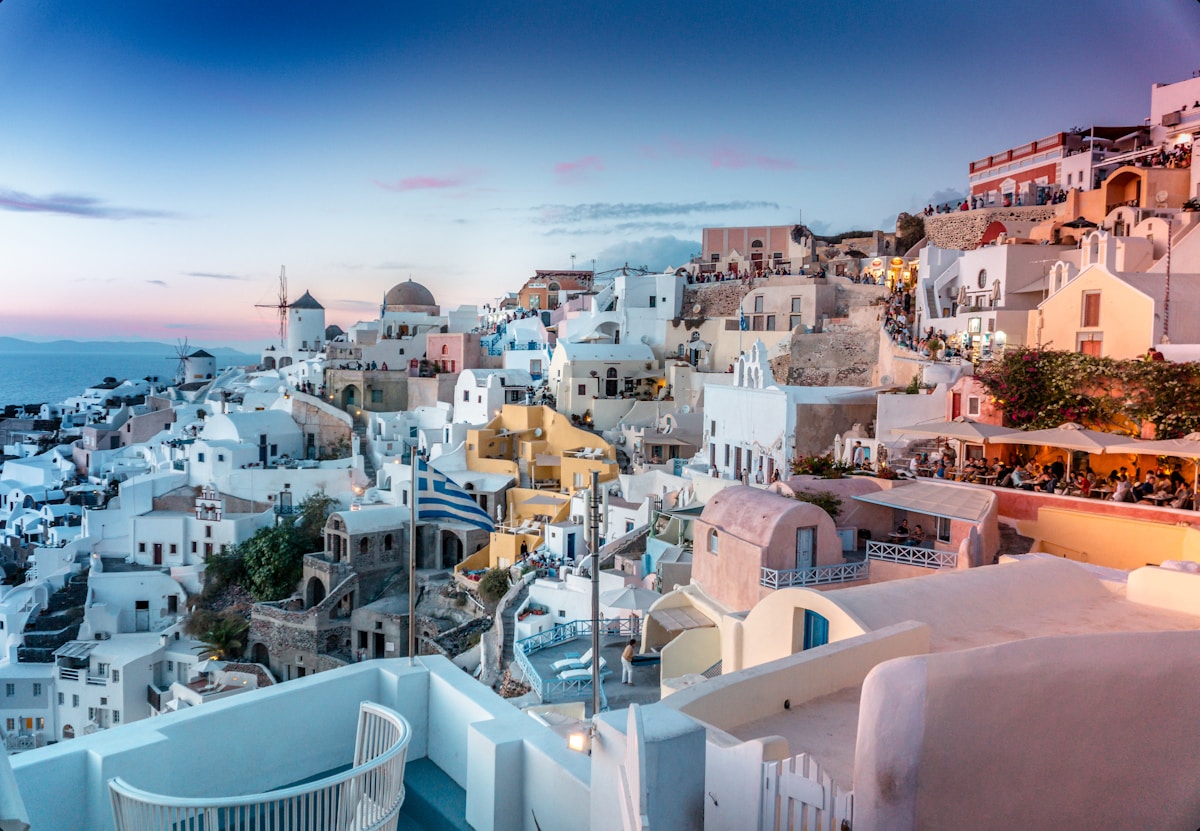
14+ days
A true two-country Mediterranean journey with enough time for Italian food and art, Athens, coast, and Greek island rhythm.
Best for
Travelers who want two Mediterranean icons and accept the time and investment needed to protect both.
Typical investment
From $9,500–$18,500 per person
Route
Rome or Amalfi Coast → Athens → selected Greek islands
What makes it special
Two distinct cultures combine ancient history, food, coastline, and island time without reducing either country to a stopover.
Reality check
Under twelve days usually creates too much transit and too little experience in both countries.
Advisor takeaway
Design the trip as contrast rather than accumulation, with one clear Italian chapter and one clear Greek chapter.
Investment context
Based on two travelers sharing accommodations. International airfare is excluded. Final investment varies by hotel category, inter-country flights, ferry or private-transfer arrangements, private guiding, selected Greek islands, travel season, and included experiences.
Travel Planning Center
Twenty practical decisions covering season, pacing, transportation, hotels, mobility, food, coast, and traveler comfort.
Related Destinations
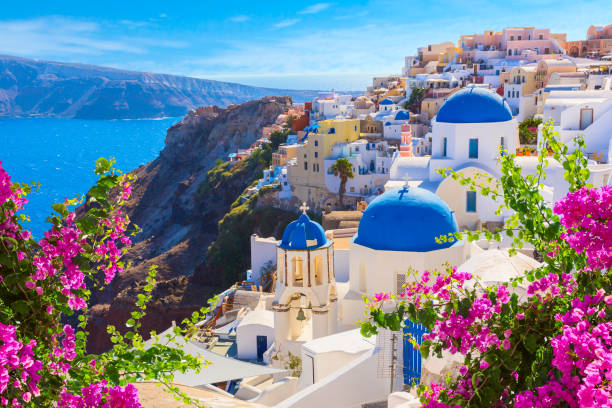
Islands, history, and sunsets — but the way you do it changes everything.
Island rhythm, ancient history, romance, and a two-country Mediterranean journey.
Choose Greece when islands and Aegean pacing should lead; choose Italy for greater city, art, food, and regional variety.
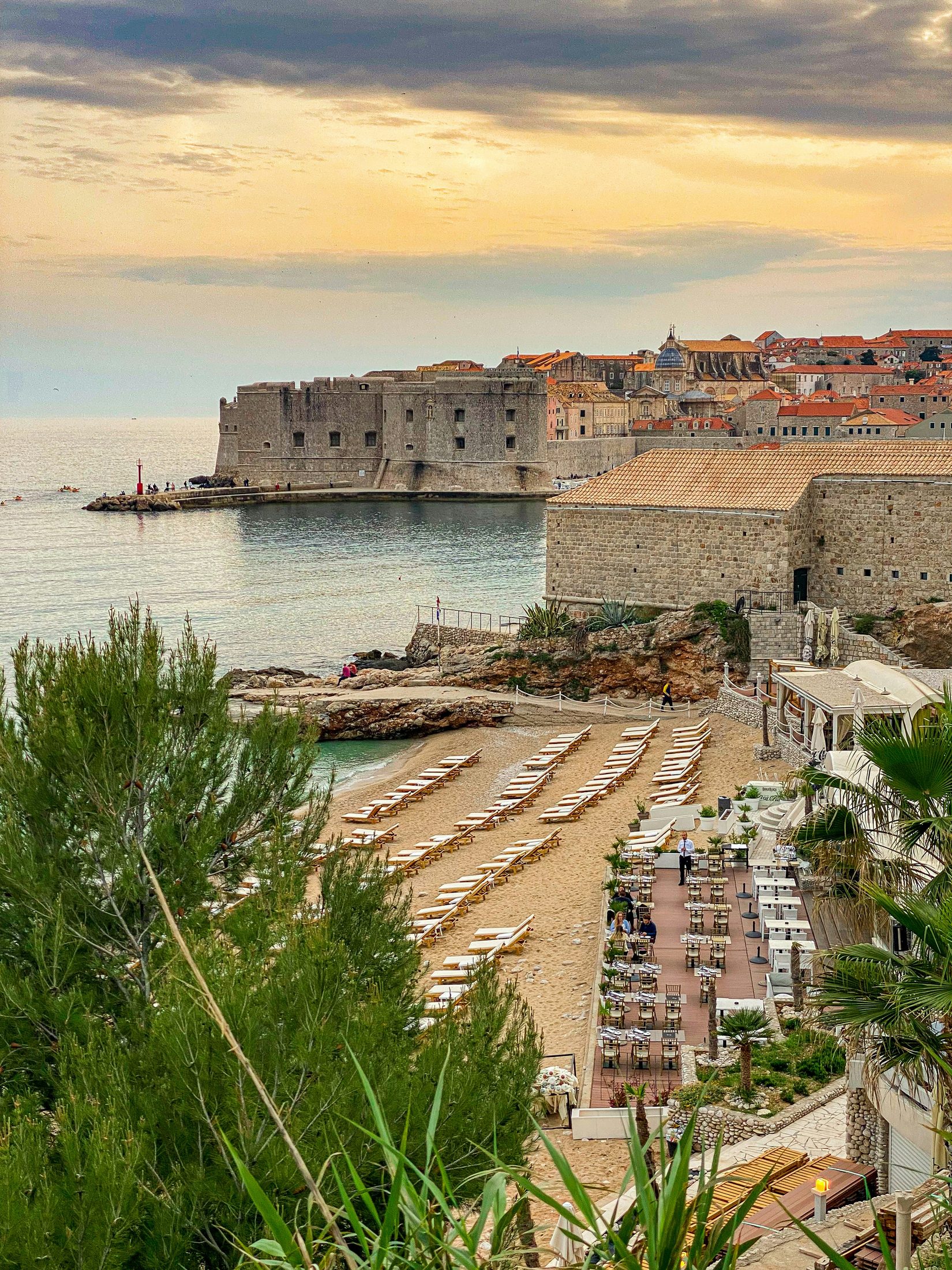
Stone towns. Clear water. A coast worth slowing down for.
Adriatic coast, islands, small ships, old towns, and active water-led travel.
Choose Croatia for coastal movement and clear-water boat days; choose Italy for denser art, food, and historic-city depth.
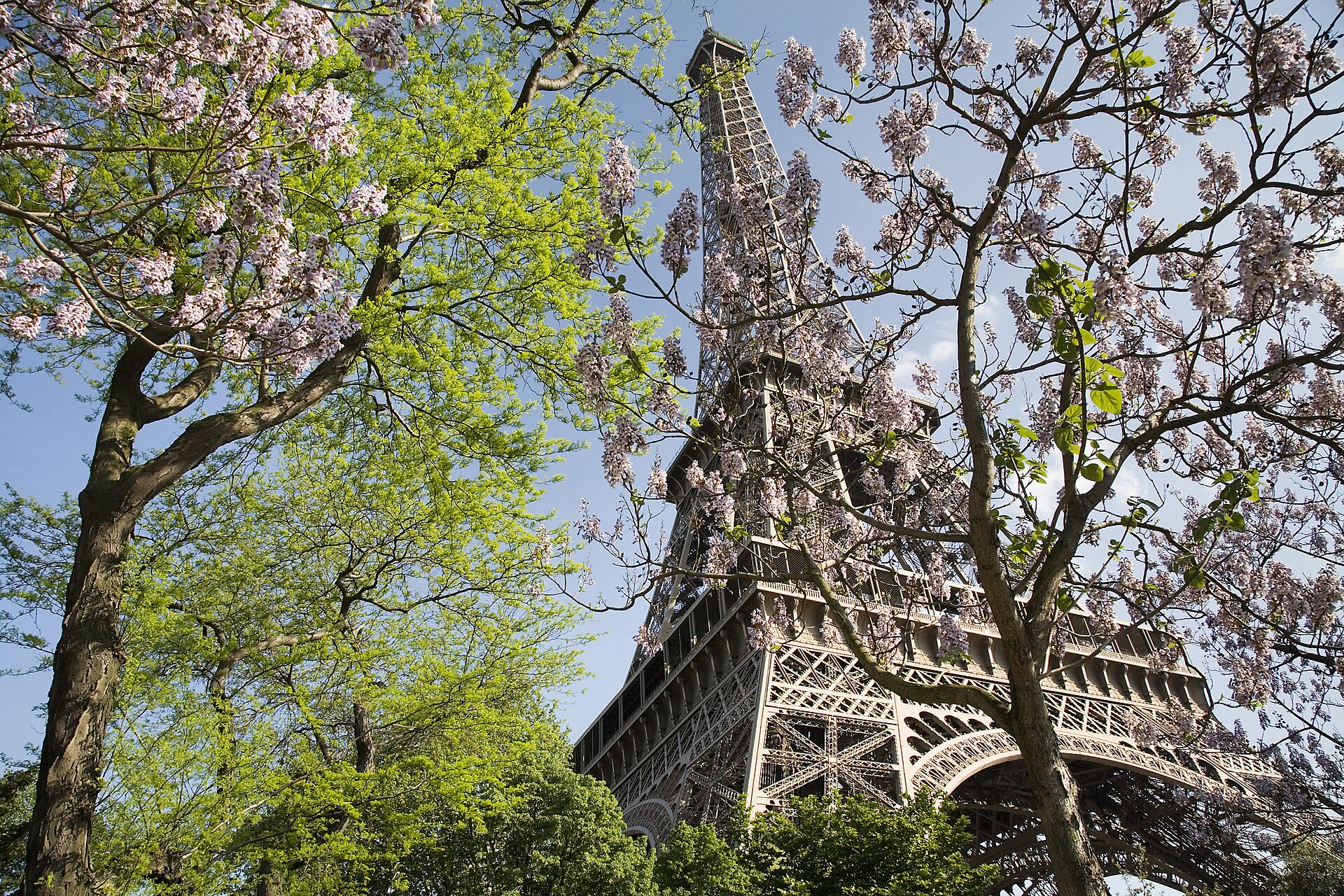
Art. Food. Countryside. Coast.
Cuisine, art, countryside, Riviera atmosphere, rail, and polished luxury hotels.
France often feels more formal and regionally refined; Italy brings more overt antiquity, food theater, and iconic variety.

Fortified harbors. Ancient streets. Mediterranean layers.
Fortified harbors, ancient streets, Gozo, and a compact southern Mediterranean extension.
Choose Malta for compact depth and an extension-sized stay; choose Italy for a broader standalone journey.
Advisor note: Italy can support many different vacations, but it does not need another country to feel complete. Add Greece, France, Croatia, or Malta only when the total duration protects the contrast.
Italy FAQ
Plan about 8–10 days for Rome, Florence, and one slower countryside or coastal chapter. Longer trips can add Venice, the lakes, Sicily, or another region without turning every day into transit.
Spring and fall often balance city touring, countryside, and comfortable temperatures. Summer can suit coast and family schedules but requires a deliberate heat, crowd, hotel, and transfer strategy.
Choose Tuscany for wine estates, hill towns, countryside hotels, and driver-led days. Choose Amalfi for coast, boats, views, and romantic hotels, while planning carefully for stairs, ferries, traffic, and seasonal demand.
Yes. Use at least 14 days, protect a clear chapter in each country, and plan inter-country flights, ferries, selected islands, and arrival time rather than collecting destinations.
Italy can be planned successfully, but conditions vary by city, hotel, station, boat, and historic site. Review steps, cobblestones, elevators, vehicle access, rail assistance, walking distances, and coastal terrain for the exact route.