
Advisor Starting Point
Seoul
Palaces, design districts, markets, museums, nightlife, and sharply different neighborhoods make the capital more rewarding when days are organized by area rather than by landmark count.

Destination Guide
Seoul energy, Gyeongju heritage, Busan's coast, Jeju landscapes, and fast rail shaped into one well-paced journey.
South Korea rewards travelers who look beyond Seoul without treating the country as a checklist. The strongest routes pair the capital's contemporary culture and food with Gyeongju's Silla history, Busan's maritime character, or Jeju's volcanic landscapes.
Travel styles
Experience Explorer
Choose the city, heritage, coast, island, landscape, or culinary experiences that should lead your route.
Palaces, design districts, markets, museums, nightlife, and sharply different neighborhoods make the capital more rewarding when days are organized by area rather than by landmark count.
Advisor insight
Give Seoul enough time for neighborhoods, palaces, markets, and contemporary culture, then choose Gyeongju and Busan or Jeju as a coherent regional chapter.
Traveler fit
Advisor guidance
South Korea's transport is efficient, but Seoul's scale, station transfers, luggage, and one-night stops can still create friction.
KTX connects the main corridor well, while Jeju requires flights and many temple, coast, or countryside experiences need local road transfers.
Common planning mistakes
Norma, Dock 10 Travel
Honest tradeoffs
Best Ways to Experience South Korea
A strong route combines independent city time with selective guiding, purposeful regional stays, and realistic transfer days.
Best forTravelers with a focused week who want neighborhoods, palaces, markets, design, and contemporary culture.
Advisor noteStay long enough to organize Seoul by neighborhood and reserve the experiences that depend on access or interpretation.
Best forFirst-time travelers wanting the clearest city, heritage, and coast progression.
Advisor noteUse KTX for the long links and protect at least two purposeful nights around Gyeongju rather than rushing through.
Best forTravelers prioritizing volcanic landscapes, coastal food, hikes, and a slower regional chapter.
Advisor noteConfirm flight timing, island transfers, weather alternatives, and whether Jeju replaces rather than merely adds another stop.
Best forLonger journeys combining Seoul with the southeast corridor, Jeju, temples, or a carefully chosen rural extension.
Advisor noteChoose one deeper regional story and avoid scattering short stays across both mainland and island routes.
Advisor-built trip ideas
Investment estimates are planning ranges per person, based on two travelers sharing, and exclude international airfare unless stated otherwise. Final pricing depends on travel dates, availability and the personalized itinerary.

7–9 days
A substantial Seoul stay with palace history, neighborhood culture, markets, dining, and one carefully chosen nearby excursion.
Best for
Travelers with a focused week who prefer depth over frequent hotel changes.
Typical investment
From $5,500–$9,000 per person
Route
Seoul neighborhoods → palaces and markets → regional day trip
What makes it special
Historic royal sites, contemporary design, food, and nightlife unfold without compressing the capital.
Reality check
A Seoul-centered journey does not provide the full regional contrast of the southeast corridor.
Advisor takeaway
Organize days by neighborhood and protect priority dining, performance, or cultural reservations.
Investment context
Planning range per person based on two travelers sharing accommodations. International airfare excluded. Final pricing varies by season, accommodations, transportation, guiding, and experience selection.

10–12 days
Seoul's capital energy, Gyeongju's Silla heritage, and Busan's coast connected by KTX and well-timed local transfers.
Best for
First-time travelers wanting South Korea's clearest city, heritage, and coast progression.
Typical investment
From $7,500–$13,500 per person
Route
Seoul → Gyeongju → Busan
What makes it special
Three distinct regional identities unfold along an efficient mainland route.
Reality check
Gyeongju sightseeing still needs local road planning despite the high-speed rail corridor.
Advisor takeaway
Give Gyeongju two purposeful nights and avoid turning Busan into only a departure stop.
Investment context
Planning range per person based on two travelers sharing accommodations. International airfare excluded. Final pricing varies by season, accommodations, transportation, guiding, and experience selection.

11–14 days
Seoul paired with Jeju's volcanic landscapes and a Busan or southern-coast chapter, using flights and private transfers where rail cannot serve the route.
Best for
Travelers motivated by island scenery, coast, food, and regional variety.
Typical investment
From $9,500–$17,000 per person
Route
Seoul → Jeju Island → Busan or southern coast
What makes it special
The journey contrasts capital culture with volcanic terrain and maritime South Korea.
Reality check
Flights, island driving, and weather add more logistical exposure than a mainland-only circuit.
Advisor takeaway
Treat Jeju as a real stay of at least three nights and keep weather alternatives available.
Investment context
Planning range per person based on two travelers sharing accommodations. International airfare excluded. Final pricing varies by season, accommodations, transportation, guiding, and experience selection.

15–18 days
A privately supported route combining Seoul, Gyeongju, Busan, and Jeju or another selected regional chapter with high-touch guiding and transfers.
Best for
Travelers seeking regional breadth, top accommodations, private interpretation, and reduced logistical friction.
Typical investment
From $18,000–$32,000 per person
Travel Planning Center
Twenty practical decisions covering timing, rail, flights, luggage, lodging, culture, access, and investment.
Related Destinations
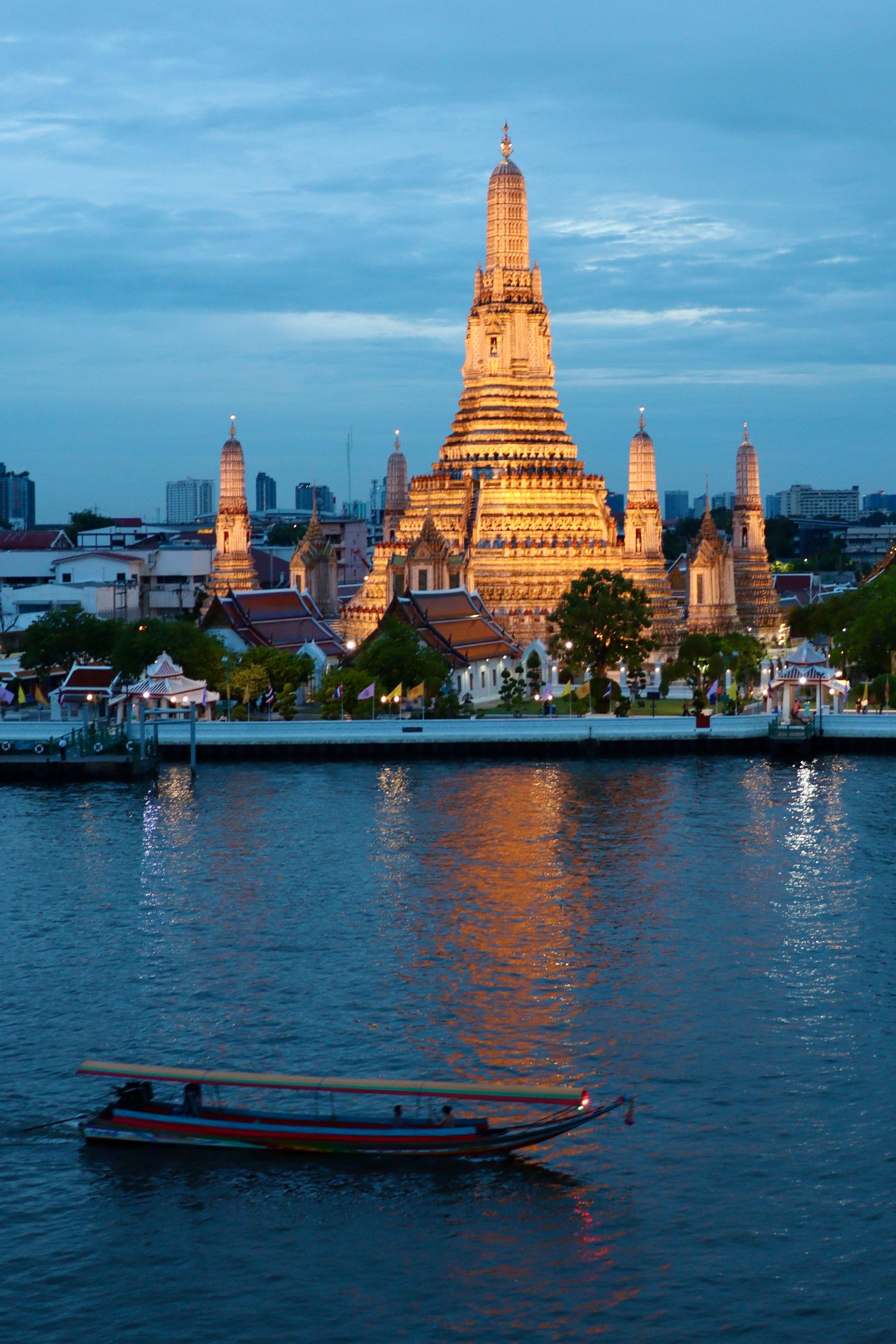
Bangkok, northern culture, food, and a warm-weather beach finish.
Thailand is more tropical and resort-oriented; South Korea leads with four seasons, fast rail, and urban-cultural contrast.
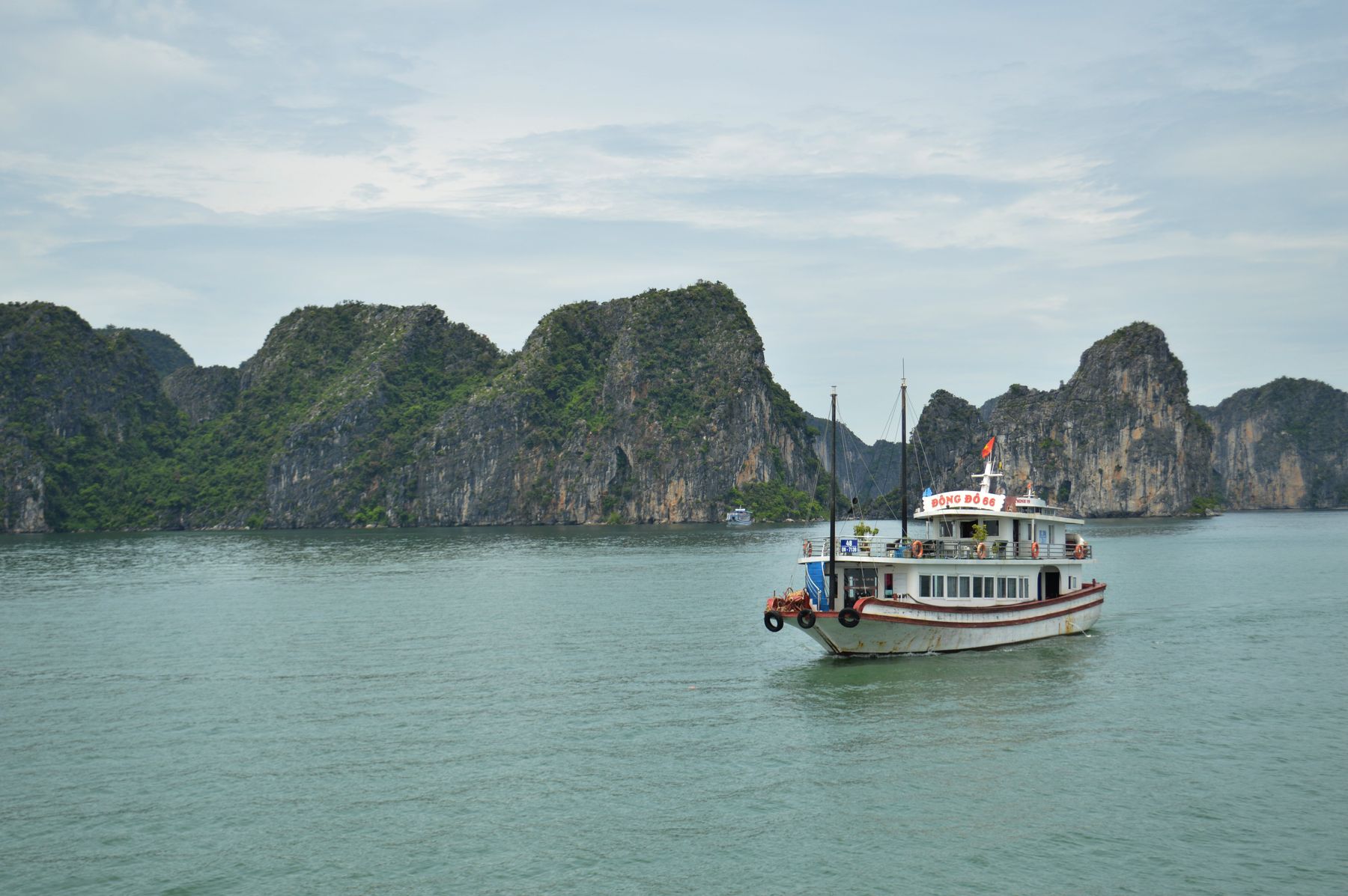
Hanoi, Ha Long Bay, Hoi An, river life, food, and layered history.
Vietnam favors guided overland and river experiences; South Korea offers more independent high-speed rail movement.
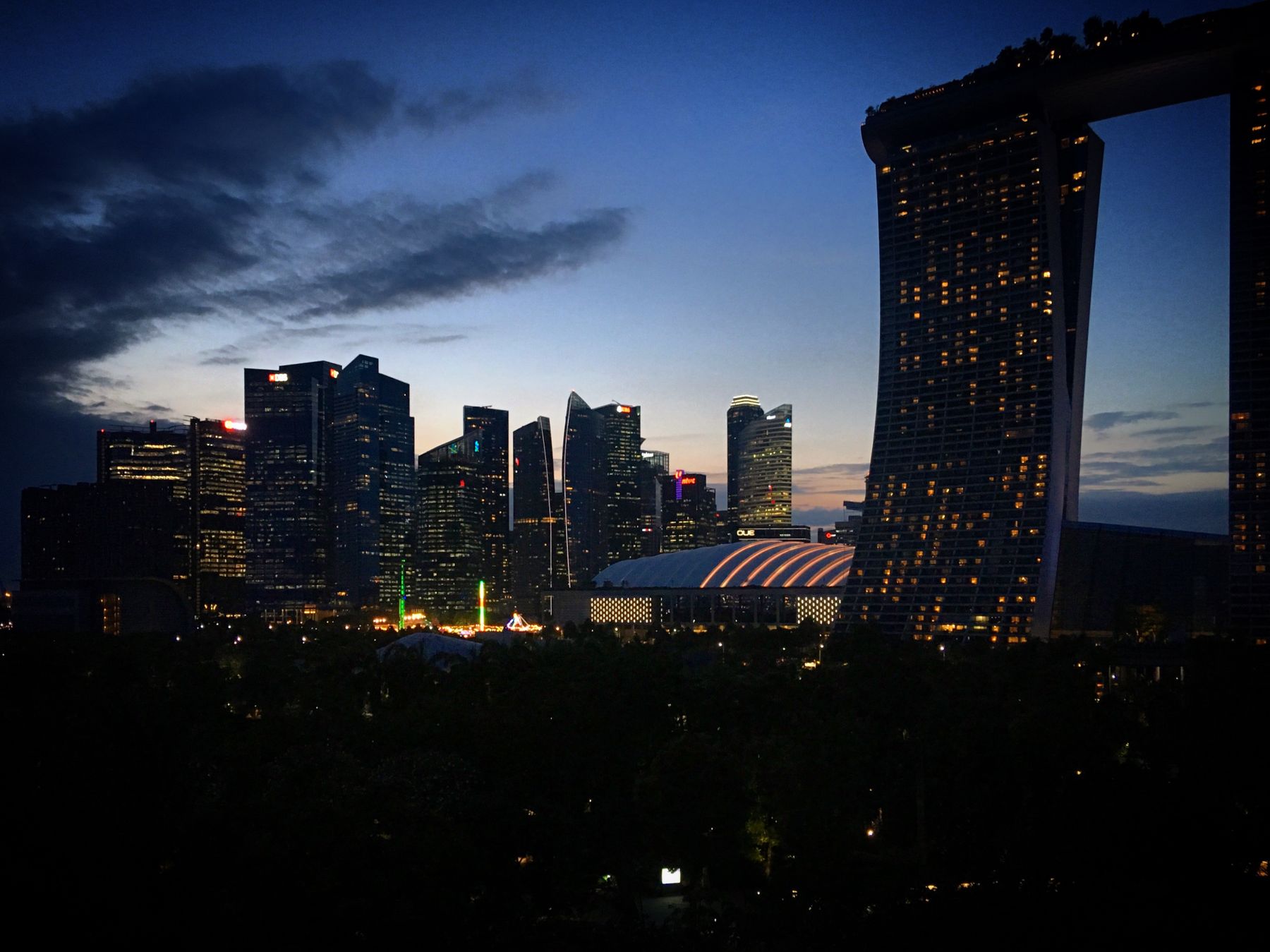
Architecture, food, gardens, and an easy premium stopover.
Singapore is compact and tropical; South Korea rewards a longer multi-region journey.
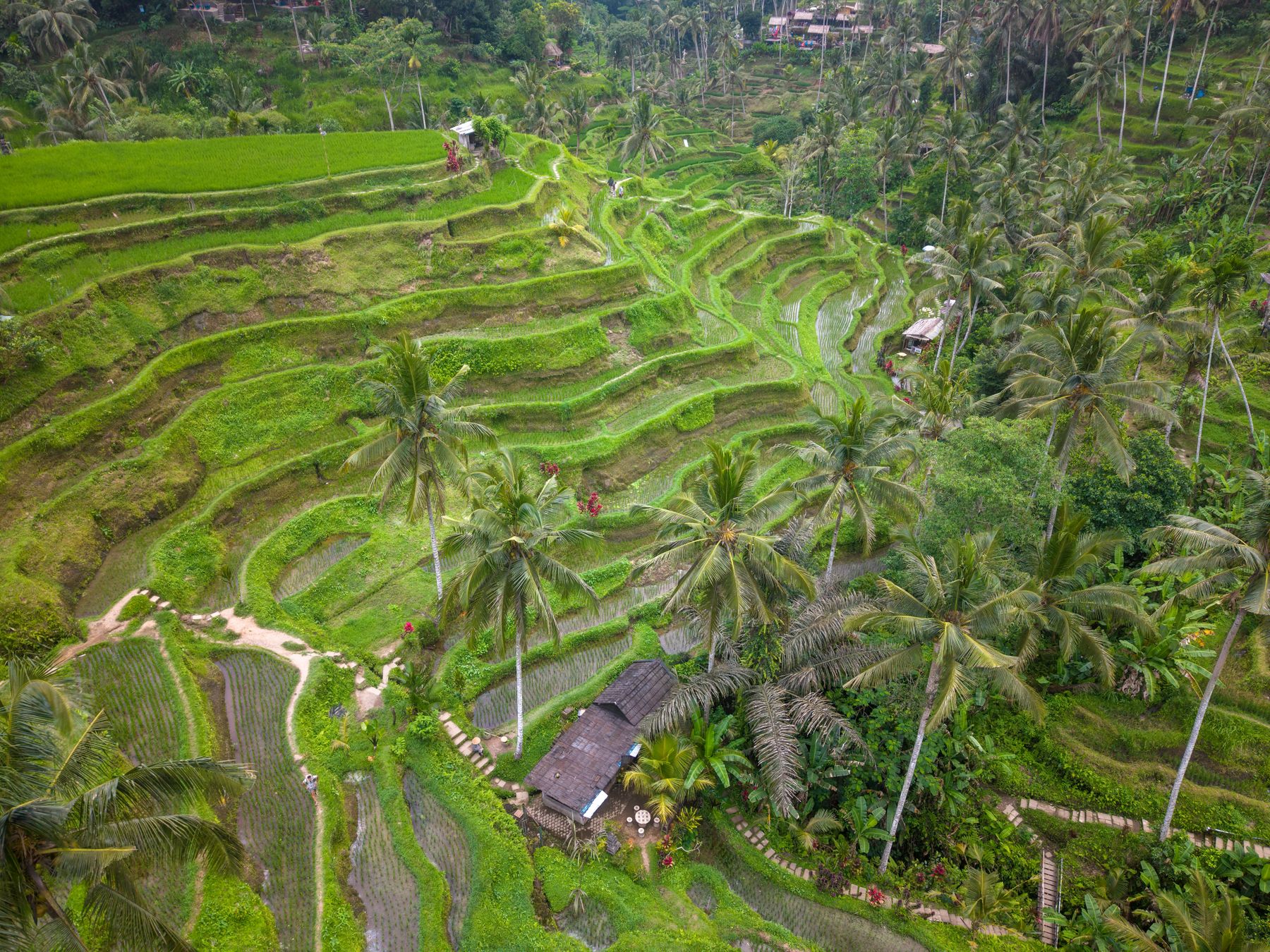
Temples, wellness, Ubud culture, landscapes, and restorative stays.
Bali emphasizes resort and private-driver rhythm; South Korea centers cities, rail, living culture, and seasonality.
Advisor note: Pairing another country works only when South Korea retains enough time for a meaningful regional route rather than a rushed Seoul stopover.
South Korea FAQ
Seven to nine days supports a Seoul-focused journey. Ten to twelve days works well for Seoul, Gyeongju, and Busan, while eleven to fourteen days gives Jeju or a deeper southern chapter enough room.
Yes for the Seoul–Gyeongju–Busan corridor, but the station at Gyeongju requires a local transfer and Jeju requires flights. Price the actual route before choosing a rail pass.
Choose Gyeongju for Silla heritage and a quieter historic chapter; choose Busan for coast, seafood, neighborhoods, and city energy. A ten-to-twelve-day route can include both without reducing Seoul to a stopover.
Add Jeju when volcanic landscapes, hiking, island food, or a slower stay are priorities and the trip can support at least three nights plus flights and transfers.
It can be with exact planning. Station transfers, elevators, palace paths, temple stairs, trails, room layouts, and vehicle alternatives should be reviewed individually.