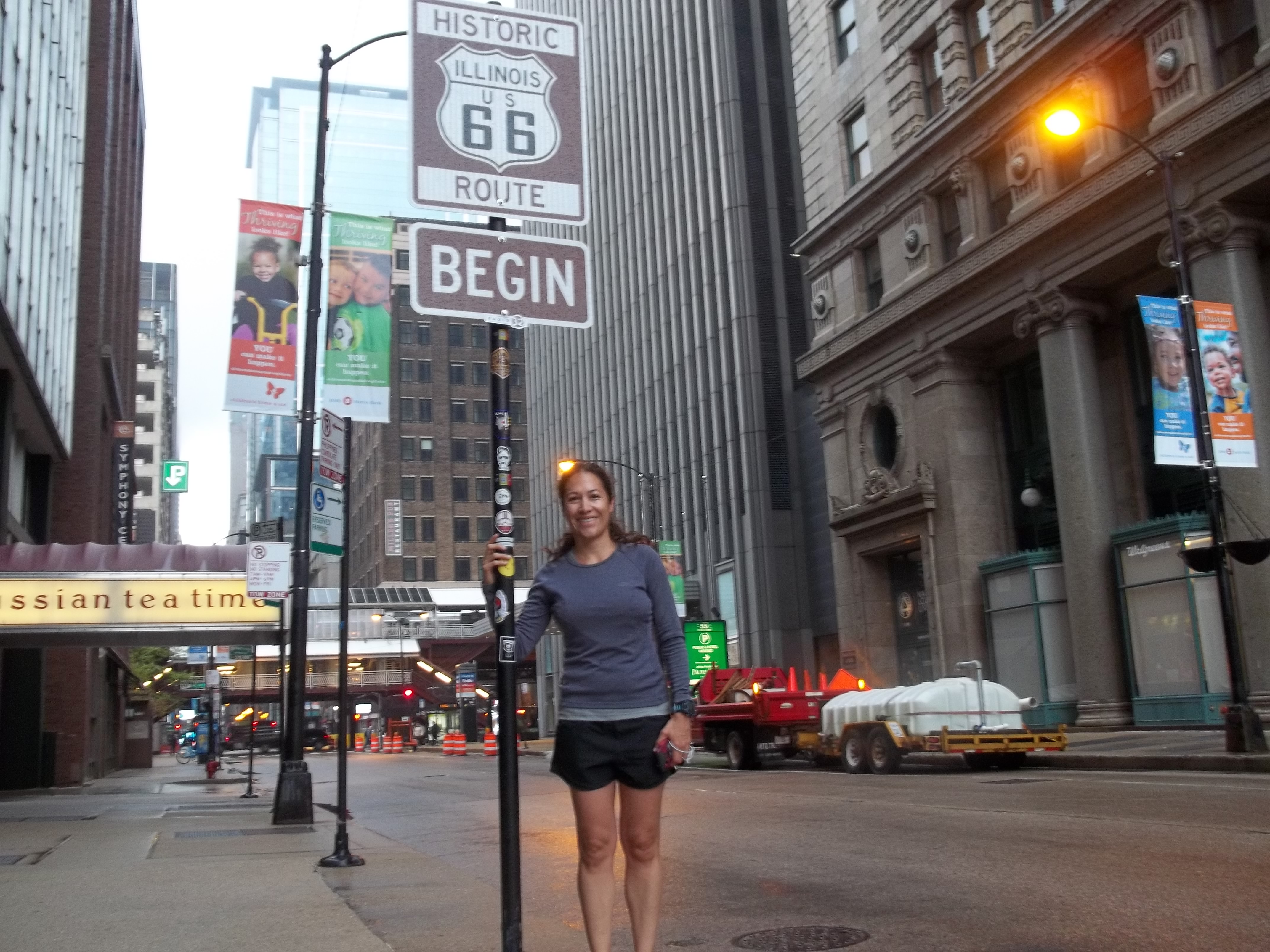
Journey Beginning
Chicago & the Mother Road Beginning
Begin with Chicago's architecture, food, and official road story, then watch the route move through Joliet, Pontiac, and Springfield into classic Illinois roadside travel.
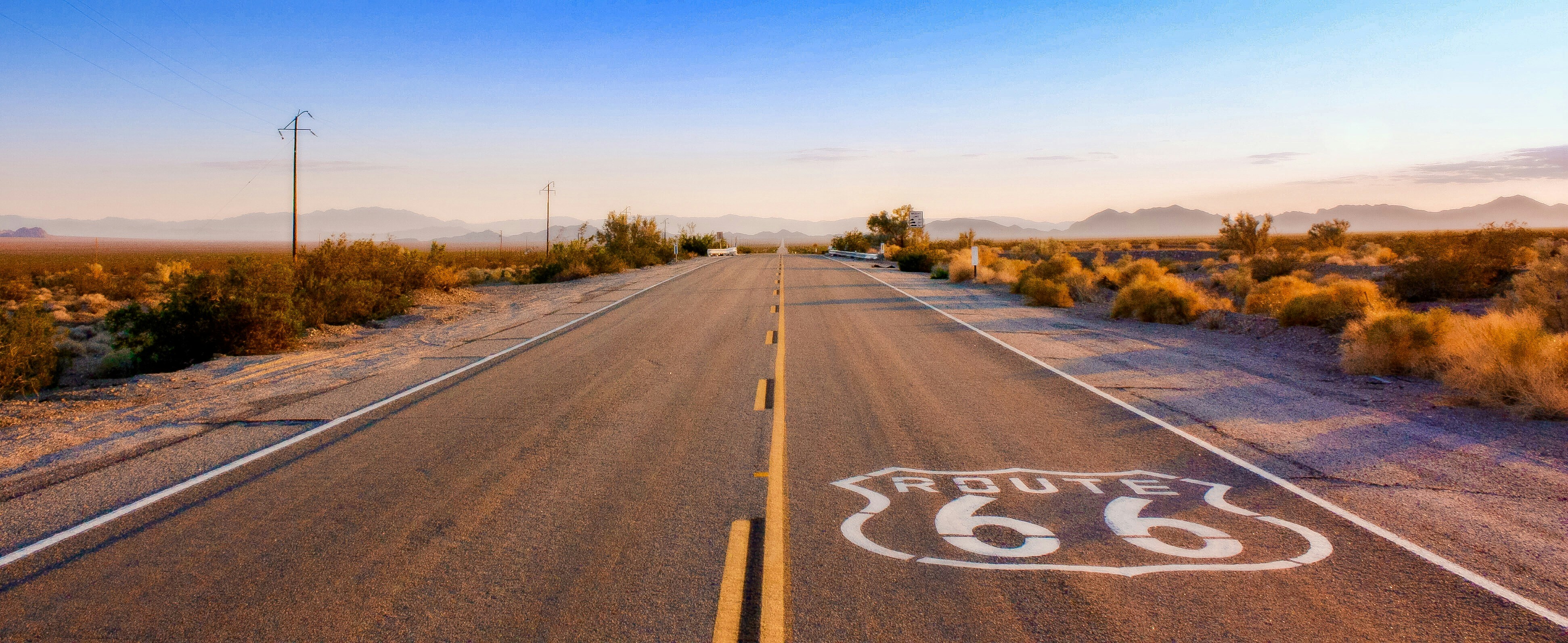
United States Signature Collection
Build an American road journey around the miles that matter—not a race to collect every shield.
Route 66 is a 2,400-plus-mile corridor of changing alignments, working communities, preserved roadside businesses, major cities, and landscapes from the Great Lakes to the Pacific. The strongest journey decides how much road to follow, where Interstate connectors protect time, and which places deserve more than a photograph.
Travel styles
Experience Explorer
Six chapters separate the corridor's geographic progression from the culture that gives the road meaning.
Begin with Chicago's architecture, food, and official road story, then watch the route move through Joliet, Pontiac, and Springfield into classic Illinois roadside travel.
Advisor insight
Route 66 is not one continuously signed historic road. Use a current turn-by-turn guide, download offline maps, and decide in advance where historic pavement matters enough to trade speed for route-finding and local stops.
Traveler fit
Advisor guidance
The historic highway was decommissioned in 1985. Its alignments are fragmented, inconsistently signed, and sometimes replaced, abandoned, privately controlled, or unsuitable for ordinary rental cars.
A full journey needs roughly three weeks to avoid consecutive punishing drive days. Shorter trips should choose a coherent regional segment or a deliberately edited cross-country plan.
Common planning mistakes
Norma, Dock 10 Travel
Honest tradeoffs
Best Ways to Experience Route 66
Four route concepts trade breadth, depth, and driving intensity differently.
Best forFirst-time travelers wanting a curated cross-section of the whole corridor without driving every mile.
Advisor noteUse two separate one-way rental chapters with an Oklahoma City–Albuquerque flight to protect time while retaining both heartland and Southwest depth.
Best forTravelers with a week who prioritize Chicago, Illinois road towns, St. Louis, Tulsa, Oklahoma City, diners, museums, and small towns.
Advisor noteChicago-in/Oklahoma City-out is a practical one-way air pattern; collect the rental only when leaving Chicago.
Best forTravelers seeking neon, high desert, preserved Arizona pavement, Mojave landscapes, and the Santa Monica finish.
Advisor noteAlbuquerque-in/Los Angeles-out avoids duplicating the heartland and keeps the strongest long preserved sections together.
Best forTravelers with about three weeks who want a near-complete Chicago-to-Santa Monica journey at a humane pace.
Advisor noteProtect two-night stays in major cities and do not force every historical alignment into the same trip.
Route 66 Decision Guide
Trip quality depends on scope, alignment strategy, and whether nostalgia is one layer or the whole purpose.
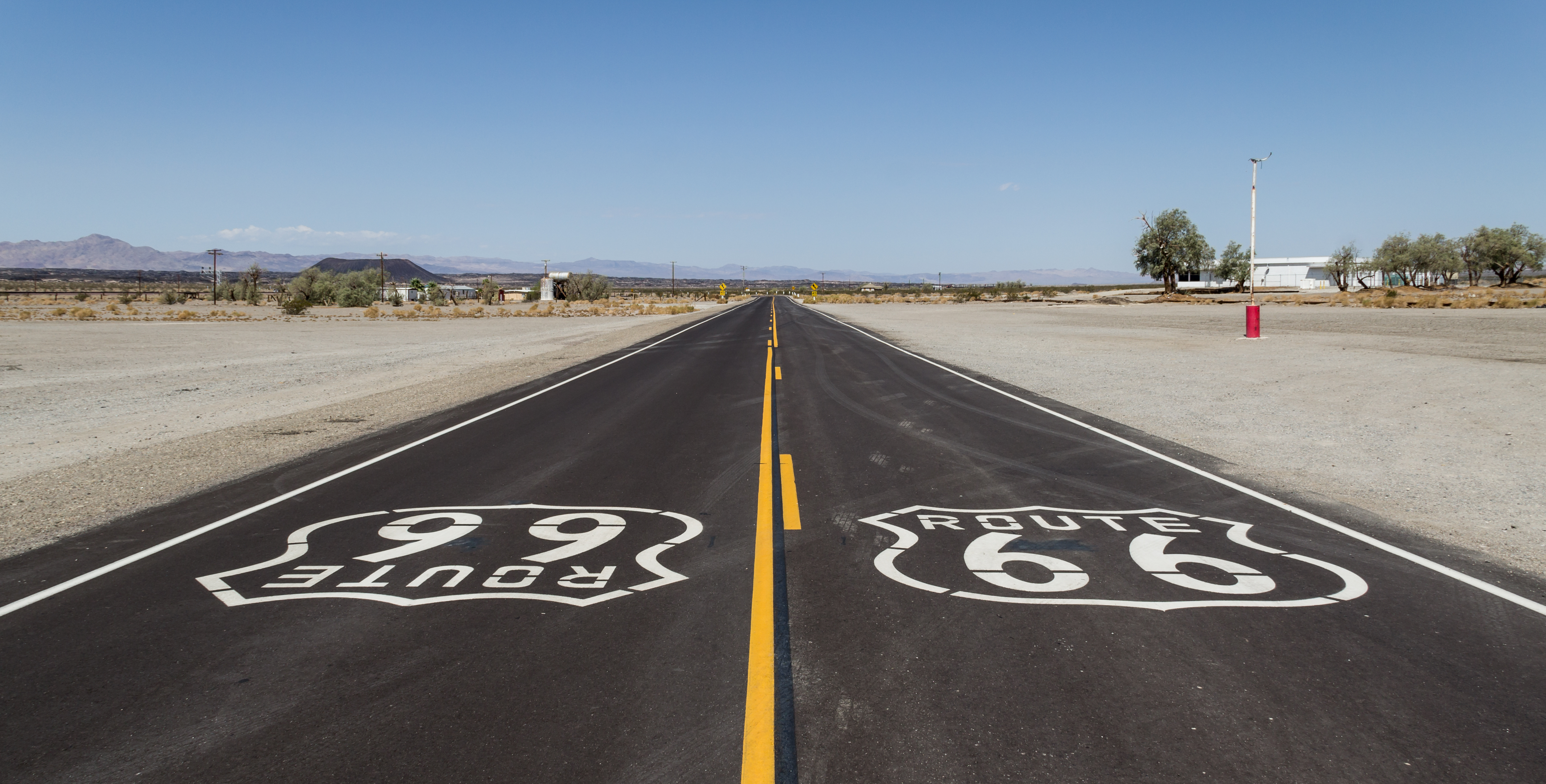
Completeness or protected depth
The Full Route needs roughly three weeks and repeated hotel changes; Best-of Route 66 uses a regional segment or selective connector to protect deeper stops within normal vacation time.
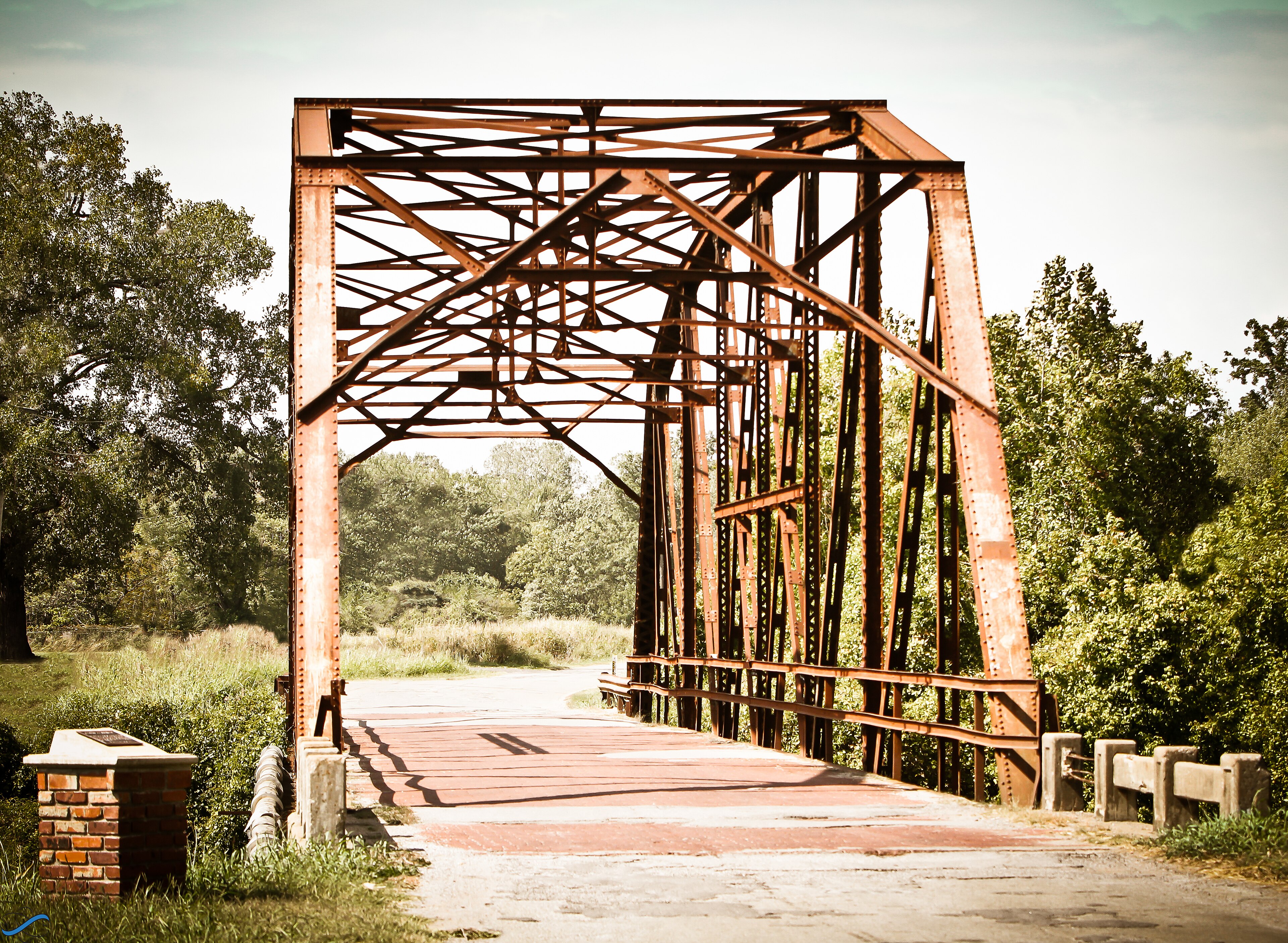
Pavement history or operating efficiency
Historic Alignment driving reaches old bridges, town centers, and surviving businesses but requires navigation and road checks; Faster Modern Routing uses Interstates to recover time between meaningful sections.
Icons or context
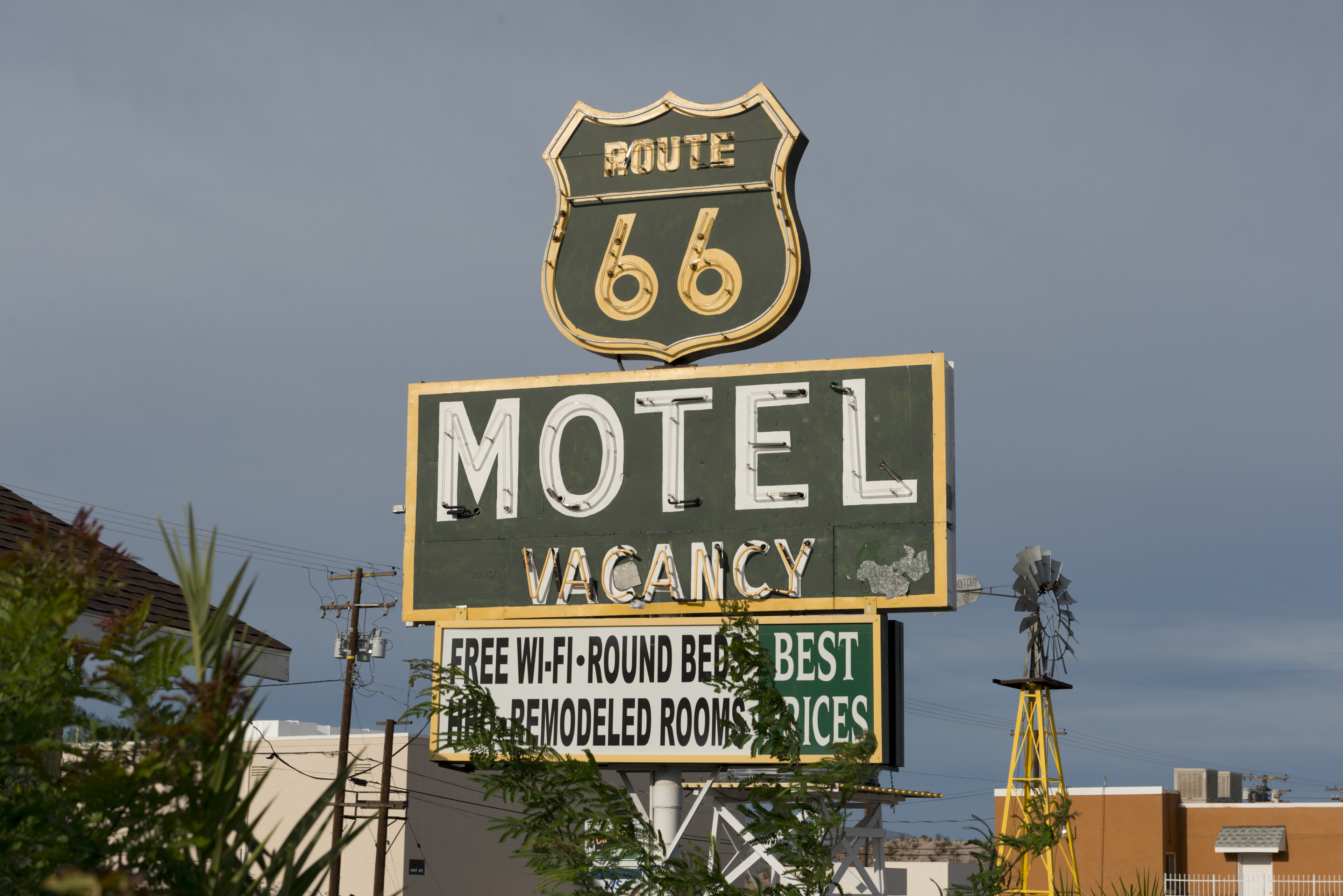
Classic Roadside Nostalgia centers neon, diners, motels, cars, and signs; a Broader American Journey adds Indigenous homelands, migration, segregation, cities, landscapes, labor, bypassed towns, and current community life.
Advisor-built Signature journeys
Four distinct concepts use route-realistic mileage and current market evidence. Every Investment Record remains and is not a published quote.
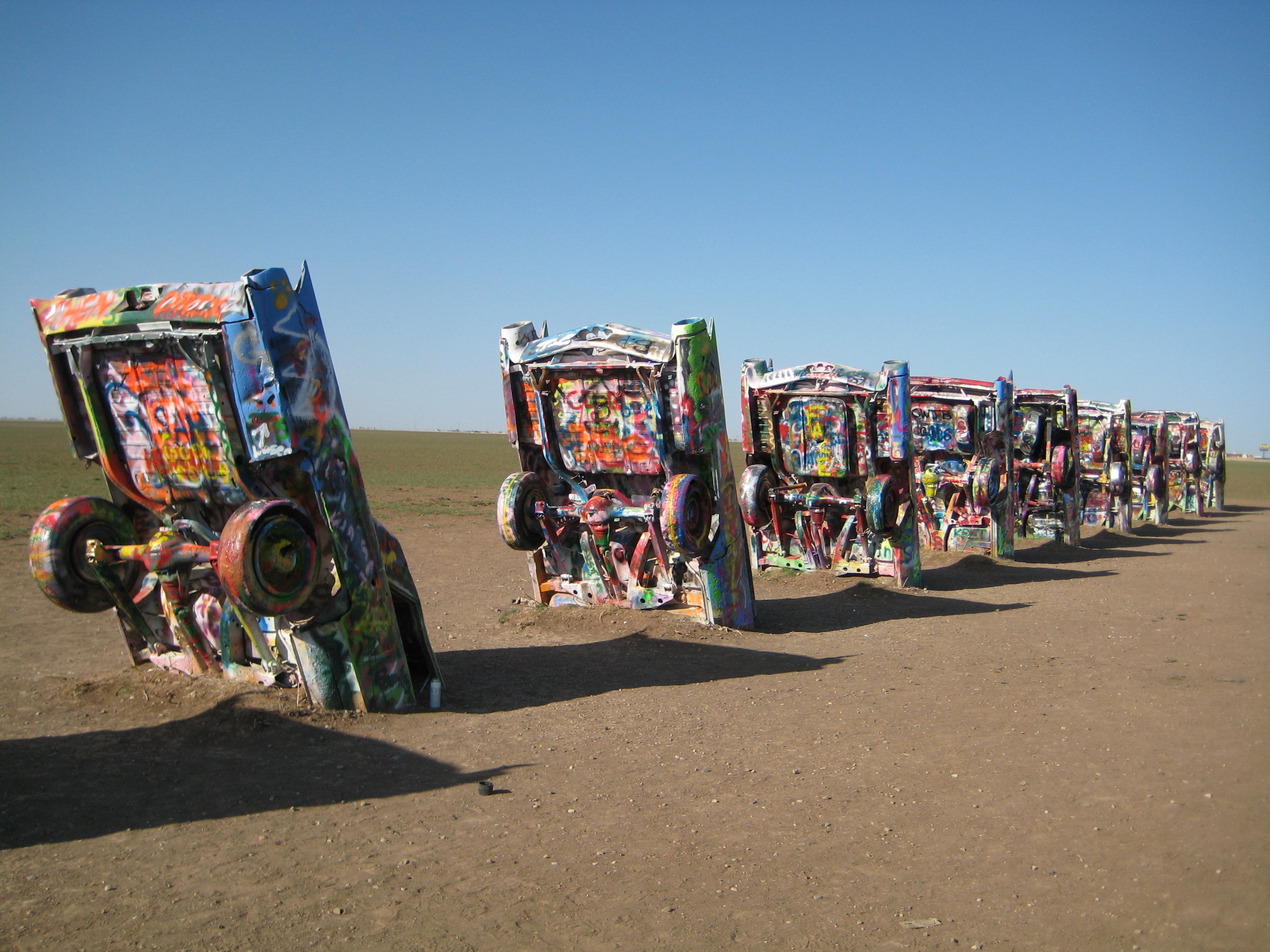
15 days
A curated cross-country story using a heartland drive, a short connector flight, and a Southwest drive to the Pacific.
Best for
First-time travelers who want both halves of Route 66 with less mileage pressure than a full continuous drive.
Typical investment
Planning benchmark from $6,499 per person
Route
Chicago 2 nights; Springfield, Illinois 1 via about 205 corridor miles; St. Louis 2 via about 100; Springfield, Missouri 1 via about 215; Tulsa 2 via about 180; Oklahoma City 1 via about 110; fly to Albuquerque; Albuquerque 2; Flagstaff 2 via about 325 with selected historic segments; Santa Monica 2 via about 470 split by an overnight near Kingman or Barstow; Chicago-in/Los Angeles-out
What makes it special
The route preserves the heartland-to-desert contrast while using one strategic flight instead of pretending every mile fits comfortably.
Reality check
Two rentals, a domestic flight, one-way fees, desert mileage, and the final Los Angeles approach require coordinated bookings.
Advisor takeaway
Use Interstate connectors whenever historic alignment time would displace a meaningful town, museum, or two-night base.
Investment context
Investment estimates are planning ranges per person, based on two travelers sharing, and exclude international airfare unless stated otherwise. Final pricing depends on travel dates, availability and the personalized itinerary. GuidePilot benchmark informed by Cosmos' current 16-day Highlights of Route 66 itinerary and current 15-night ATI self-drive packaging. This planned split-rental journey is not either supplier product; hotels, two one-way rentals, the Oklahoma City–Albuquerque flight, drop fees, experiences, taxes, insurance, fuel, parking, and air require live reconciliation.
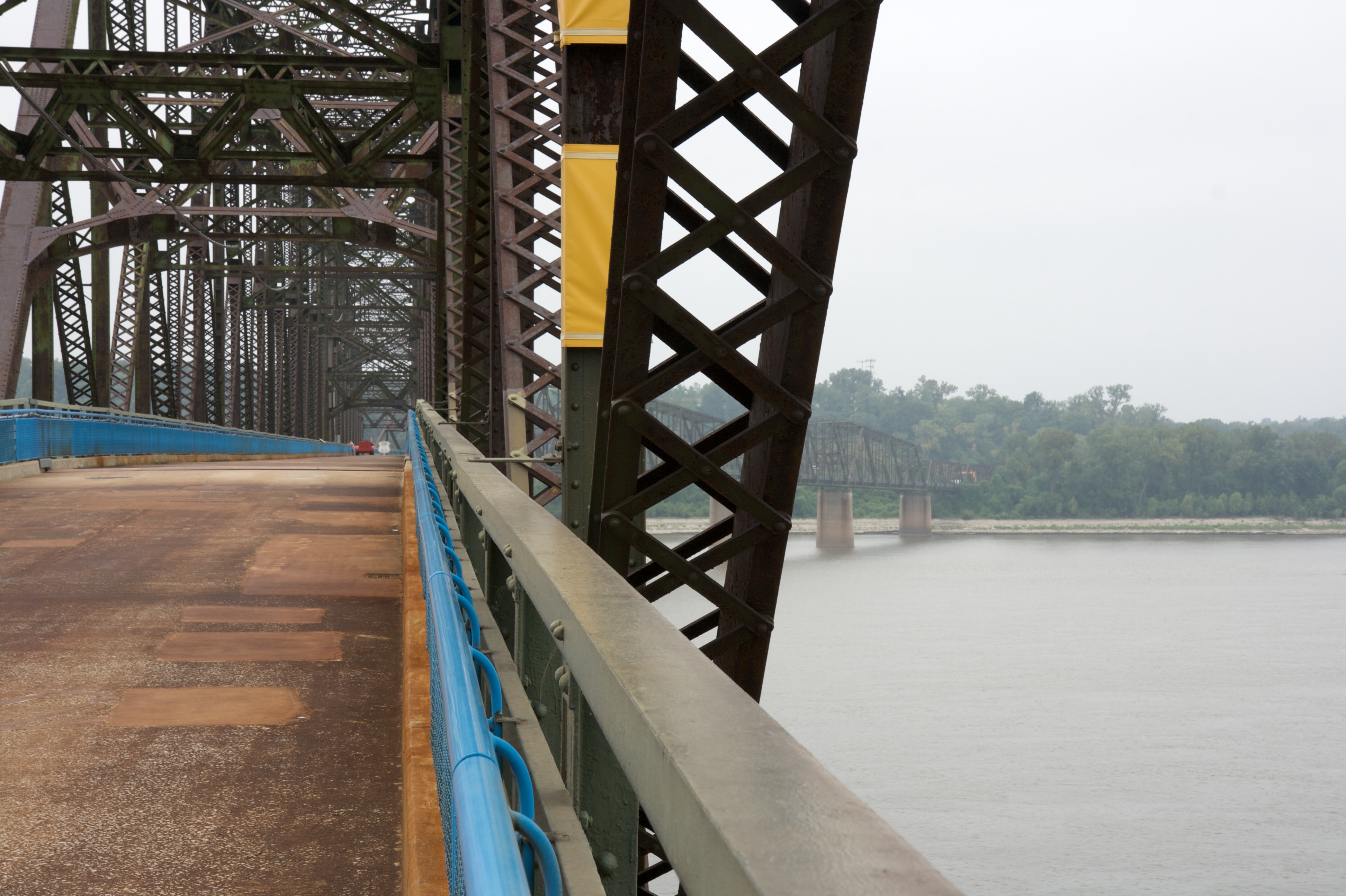
8 days
A Chicago-to-Oklahoma City route focused on Illinois, Missouri, Kansas's short historic segment, and Oklahoma.
Best for
Travelers with one week who prioritize roadside history, cities, museums, diners, bridges, and small-town America.
Typical investment
Planning benchmark from $3,299 per person
Route
Chicago 2 nights car-free; Springfield, Illinois 1 via roughly 205 corridor miles; St. Louis 1 via roughly 100; Springfield, Missouri 1 via roughly 215; Tulsa 2 via roughly 180 through the Kansas segment; Oklahoma City 1 via roughly 110; about 810–900 driving miles depending on historic alignments; Chicago-in/Oklahoma City-out
What makes it special
The corridor evolves quickly from major-city origin to farm towns, Mississippi crossing, Ozarks edge, tribal nations, and Oklahoma preservation.
Reality check
A few one-night stops are necessary, but no day should combine maximum historic alignment mileage with a major city program.
Advisor takeaway
Confirm one-way rental inventory and downtown pickup hours; avoid paying for a parked car during the Chicago stay.
Investment context
Investment estimates are planning ranges per person, based on two travelers sharing, and exclude international airfare unless stated otherwise. Final pricing depends on travel dates, availability and the personalized itinerary. GuidePilot self-drive benchmark normalized from the heartland nights and inclusions in Cosmos' current Route 66 operating pattern, with a midscale-to-upscale hotel, one-way car, museum, guiding, fuel, parking, and contingency allowance. It is not a direct supplier quote and requires live component reconciliation.
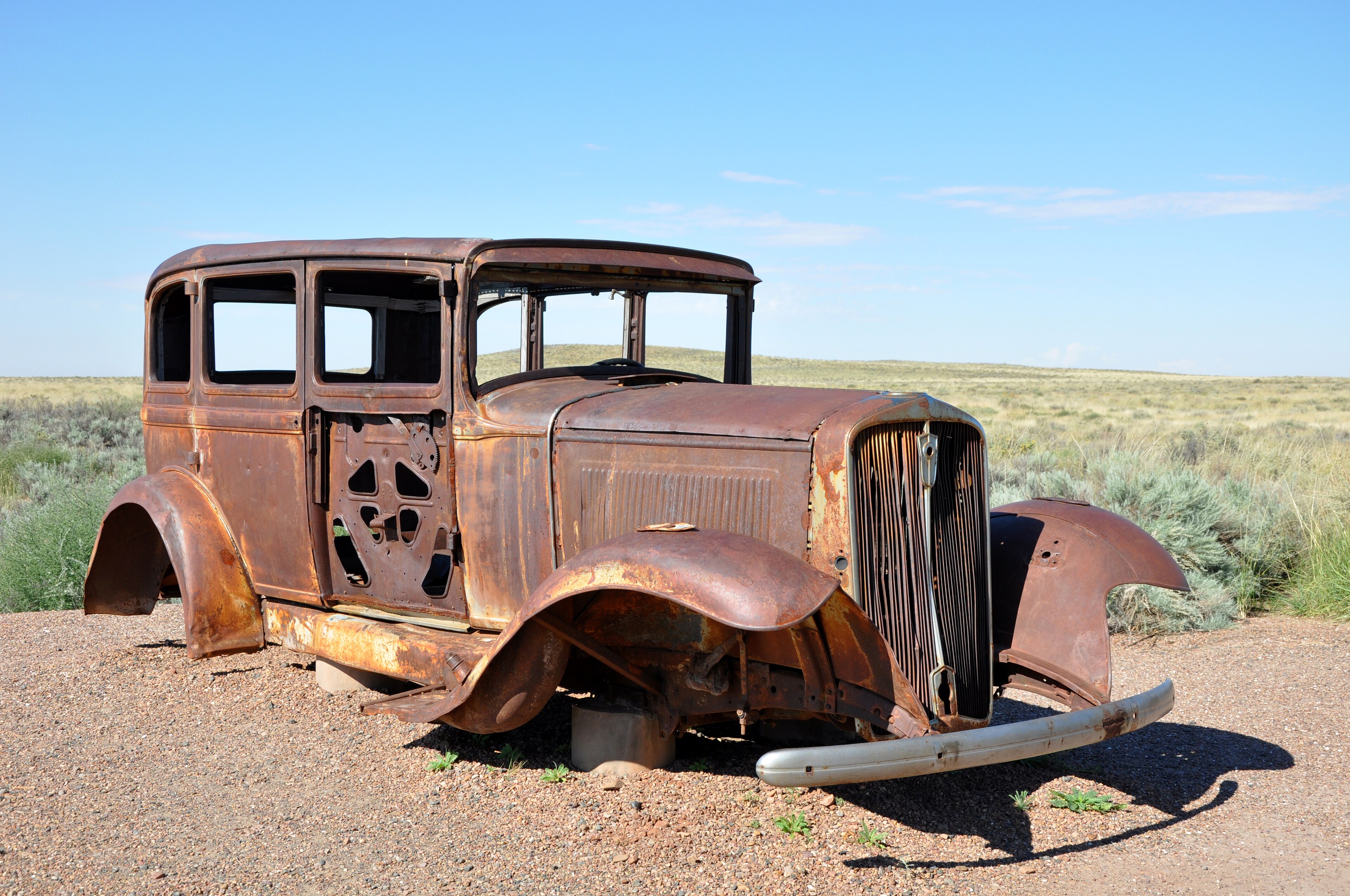
10 days
A high-desert-to-Pacific journey through New Mexico, Arizona's long preserved stretches, the Mojave, and Santa Monica.
Best for
Travelers drawn to neon, desert towns, Indigenous and migration history, photography, preserved road, and the Pacific finish.
Typical investment
Planning benchmark from $4,299 per person
Route
Santa Fe 2 nights via pre-1937 context; Albuquerque 1; Gallup or Holbrook 1 via about 225; Flagstaff 2 via about 115; Kingman 1 via about 165 through Seligman; Barstow 1 via about 210 with Oatman only if road and driver fit; Santa Monica 2 via about 145 plus Los Angeles traffic; roughly 900–1,050 driving miles; Albuquerque-in/Los Angeles-out
What makes it special
This is the corridor's strongest combination of long drivable historic sections, motel neon, trading-post history, high desert, Mojave scale, and ocean arrival.
Reality check
Elevation, winter snow near Flagstaff, summer heat, monsoon storms, remote services, mountain curves, and Los Angeles traffic can all change the day.
Advisor takeaway
Treat the Oatman Highway and remote Mojave segments as conditional, daylight-only choices; use I-40 when road, heat, weather, or vehicle suitability argues against them.
Investment context
Investment estimates are planning ranges per person, based on two travelers sharing, and exclude international airfare unless stated otherwise. Final pricing depends on travel dates, availability and the personalized itinerary. GuidePilot self-drive benchmark informed by current Route 66 self-drive packaging and the Southwest operating days in Cosmos' 16-day itinerary. This exact Albuquerque-to-Santa Monica journey is independently planned; one-way vehicle, lodging, guiding, taxes, drop fee, fuel, parking, insurance, and optional Grand Canyon costs require live reconciliation.
22 days
A near-full Chicago-to-Santa Monica drive paced over three weeks with selected historic alignments and protected city depth.
Best for
Travelers for whom the complete cross-continental narrative matters more than minimizing hotel changes or total cost.
Typical investment
Planning benchmark from $9,995 per person
Route
Chicago 2 nights; Springfield IL 1, St. Louis 2, Springfield MO 1, Tulsa 2, Oklahoma City 2, Amarillo 1, Santa Fe 2 via selected pre-1937 context, Albuquerque 1, Holbrook 1, Flagstaff 2, Kingman 1, Barstow 1, Santa Monica 2, Los Angeles departure; about 2,400–2,650 driving miles depending on alignments and detours; typical moving days 100–220 miles with one or two conditional 250–290-mile days
What makes it special
Prairie, bridges, roadside towns, tribal nations, plains, high desert, preserved Arizona pavement, Mojave, and the Pacific unfold as one American journey.
Reality check
Even 22 days is selective. Construction, closures, opening hours, weather, road quality, fatigue, and city traffic require daily route decisions.
Advisor takeaway
Never schedule consecutive maximum-mileage historic-alignment days; preserve daylight, fuel margins, and two-night recovery bases.
Investment context
Investment estimates are planning ranges per person, based on two travelers sharing, and exclude international airfare unless stated otherwise. Final pricing depends on travel dates, availability and the personalized itinerary. GuidePilot premium benchmark anchored to Cosmos' current 16-day full-corridor itinerary and current 15-night ATI self-drive packaging, then normalized for 22 days, upgraded city hotels, selected historic stays, a larger one-way vehicle, private interpretation, luggage and contingency support, and more two-night bases. It is not a direct comparable or supplier quote; every component and term requires live reconciliation.
Travel Planning Center
Alignments, mileage, rental rules, lodging, weather, services, history, and daylight determine whether the journey works.
Related Signature Destinations
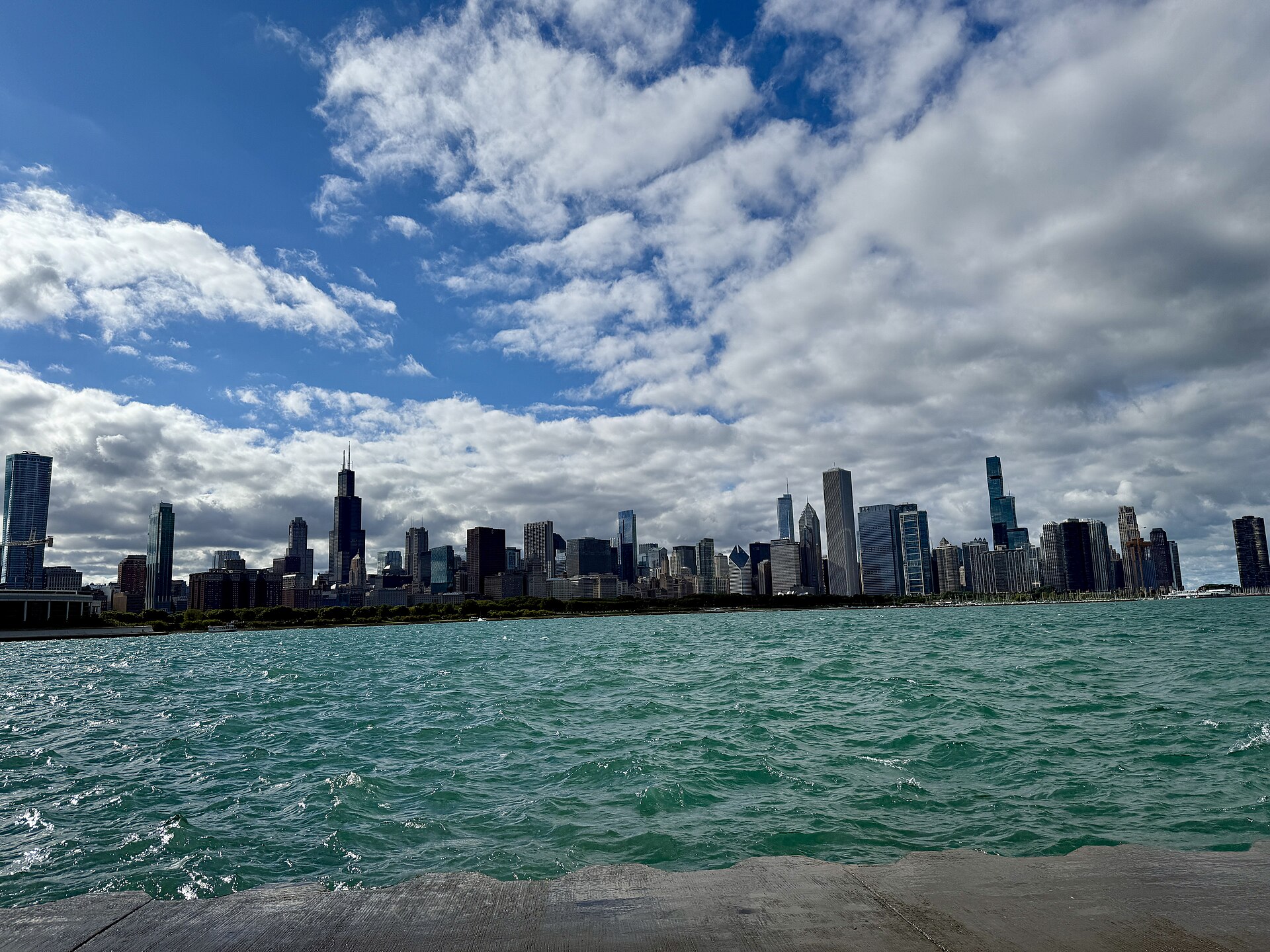
Chicago plus freshwater cities, islands, and shorelines without a transcontinental drive.
Choose Great Lakes for one regional system; choose Route 66 when the cross-country road narrative is essential.
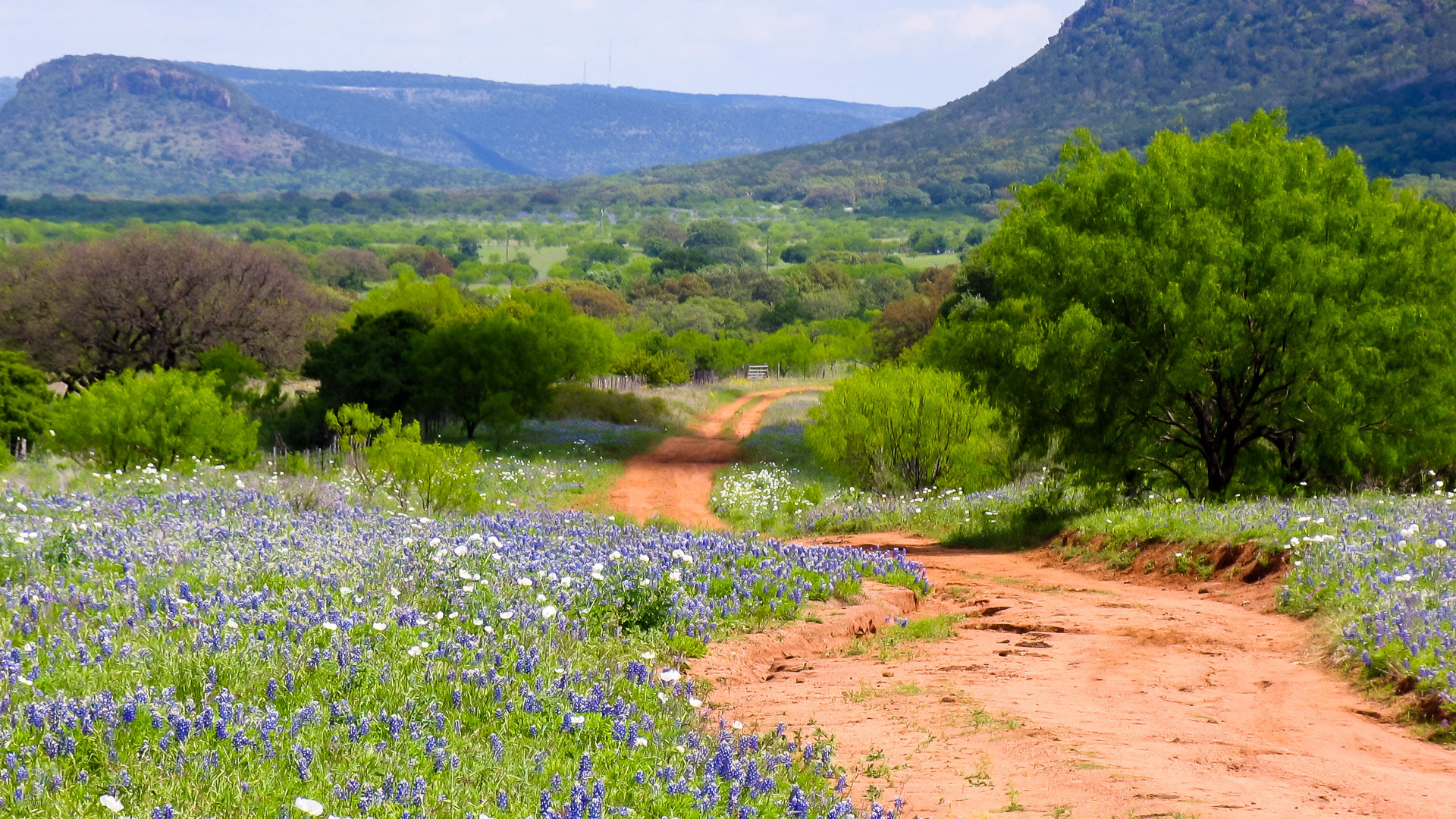
Deeper Texas cities, Hill Country, food, music, and landscapes beyond the Panhandle crossing.
Choose Texas for destination depth; choose Route 66 for a selective Panhandle chapter within a larger corridor.
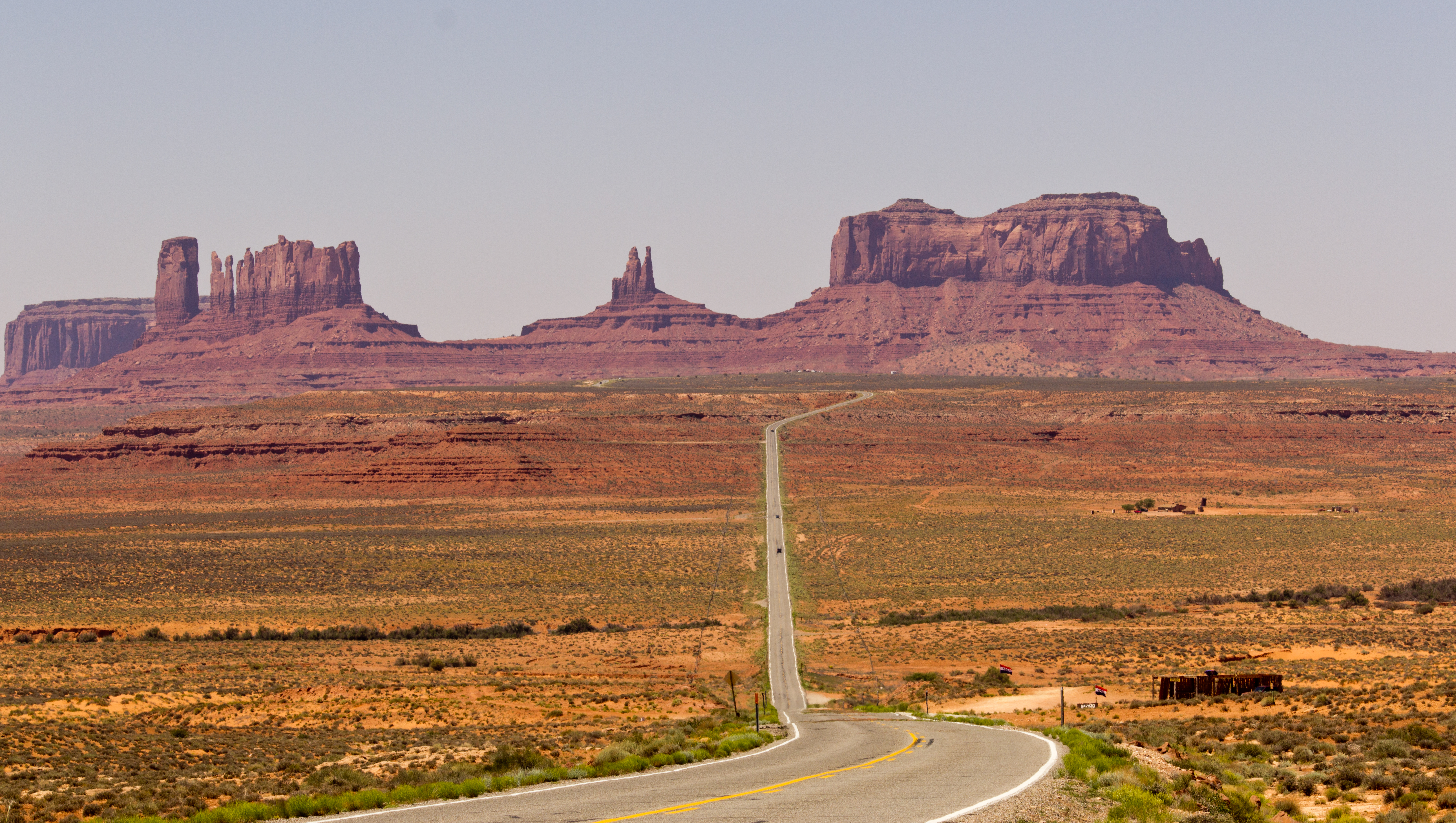
Canyons, desert resorts, Indigenous-led experiences, parks, and regional depth.
Choose the Southwest for landscape-first destination time; choose Route 66 for towns, road heritage, and westward progression.
A broader California journey with coast, cities, wine, desert, and parks.
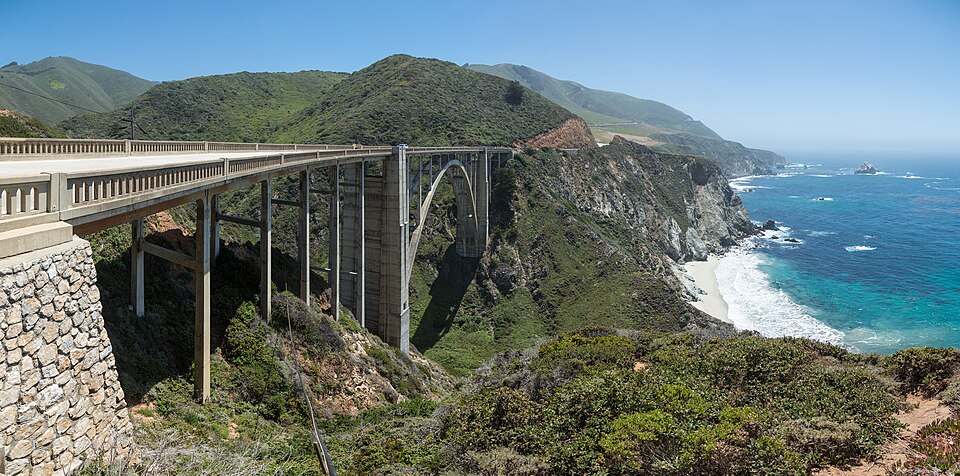
Choose California for statewide depth; choose Route 66 when the Mojave-to-Santa Monica finish completes the story.
Advisor note: Route 66 should remain a corridor journey. Do not let Chicago, Grand Canyon, Santa Fe, or Los Angeles expand until the road becomes incidental.
Route 66 FAQ
Allow about three weeks for a humane near-full drive. Eight to ten days works well for one regional half, while a two-week cross-country plan needs deliberate editing or a connector flight.
No. A Heartland or Southwest segment often creates a better vacation than a rushed completion drive.
No. Route 66 had multiple alignments and is now fragmented, bypassed, abandoned, or incorporated into other roads. Use selected drivable historic sections and modern connectors.
It can be, with shorter driving days and individual accessibility checks. Historic motels, bridges, roadside surfaces, heat exposure, and restrooms vary substantially.
Spring and autumn usually offer the best overall balance, but severe storms, mountain snow, desert heat, monsoon weather, and local event demand must be checked across the exact dates and segment.
Investment estimates are planning ranges per person, based on two travelers sharing, and exclude international airfare unless stated otherwise. Final pricing depends on travel dates, availability and the personalized itinerary.