
Advisor Starting Point
Tokyo
Distinct neighborhoods, contemporary design, exceptional dining, museums, gardens, and late-night energy reward a focused plan rather than a citywide checklist.
.jpg?width=1800)
Destination Guide
Tokyo energy, Kyoto traditions, mountain ryokans, extraordinary food, and a rail network that rewards a well-paced route.
Japan feels effortless only when the sequence is thoughtful. The strongest first journey balances major cities with slower cultural and landscape chapters, uses rail selectively, and leaves enough room for the small encounters that make the country memorable.
Travel styles
Experience Explorer
Choose the city, cultural, mountain, history, or culinary experiences that should lead your route.
Distinct neighborhoods, contemporary design, exceptional dining, museums, gardens, and late-night energy reward a focused plan rather than a citywide checklist.
Advisor insight
Tokyo and Kyoto deserve different rhythms. Add one landscape chapter—Hakone, the Alps, or another carefully chosen region—before adding more cities.
Traveler fit
Advisor guidance
Japan is easy to move through but not automatically easy to pace. Station size, transfers, luggage, and one-night stops can create more friction than the timetable suggests.
The nationwide Japan Rail Pass is no longer an automatic value. Point-to-point tickets often cost less on a standard Tokyo–Kyoto–Osaka route.
Common planning mistakes
Norma, Dock 10 Travel
Honest tradeoffs
Best Ways to Experience Japan
A good route combines independent movement with selective guiding, meaningful stays, and realistic transfer days.
Best forTravelers wanting Tokyo, Kyoto, and one contrasting landscape chapter.
Advisor noteKeep Tokyo and Kyoto substantial; add Hakone or another overnight only when it improves the rhythm.
Best forTravelers motivated by temples, craft, markets, dining, and regional traditions.
Advisor noteReserve high-priority meals and pair food experiences with place and people.
Best forRepeat visitors or longer trips adding the Alps, Hiroshima, rural regions, or smaller cities.
Advisor noteChoose one deeper regional story rather than scattering short stops across the country.
Best forTravelers with enough time for two distinct urban and cultural chapters.
Advisor noteProtect at least five purposeful nights in Korea instead of treating Seoul as a quick add-on.
Advisor-built trip ideas
Investment estimates are planning ranges per person, based on two travelers sharing, and exclude international airfare unless stated otherwise. Final pricing depends on travel dates, availability and the personalized itinerary.
7–9 days
Tokyo, Kyoto, and a carefully timed rail journey with one landscape or cultural contrast.
Best for
First-time travelers with a focused week.
Typical investment
From $6,500–$11,000 per person
Route
Tokyo → Hakone or Fuji corridor → Kyoto
What makes it special
Japan's city, mountain, and heritage contrasts unfold through an efficient route.
Reality check
Seven days leaves little room for additional cities.
Advisor takeaway
Protect three nights each in Tokyo and Kyoto when flights allow.
Investment context
Planning range per person based on two travelers sharing accommodations. International airfare excluded. Final pricing varies by season, accommodations, transportation, guiding, and experience selection.
.jpg?width=1800)
9–11 days
Tokyo and Kyoto with a ryokan, onsen, private cultural experiences, and well-managed rail days.
Best for
Travelers wanting the classic route without rushing.
Typical investment
From $8,500–$14,500 per person
Route
Tokyo → Hakone → Kyoto → Osaka departure
What makes it special
Modern city energy gives way to hospitality, hot springs, gardens, and cultural depth.
Reality check
Traditional rooms, meals, and bathing etiquette need advance explanation.
Advisor takeaway
Use luggage forwarding before the ryokan stay.
Investment context
Planning range per person based on two travelers sharing accommodations. International airfare excluded. Final pricing varies by season, accommodations, transportation, guiding, and experience selection.

12–14 days
Tokyo and Kyoto with the Japanese Alps, Hiroshima and Miyajima, or another coherent regional chapter.
Best for
Travelers who want landscapes and regional variety.
Typical investment
From $11,000–$18,500 per person
Route
Tokyo → Japanese Alps → Kyoto → Hiroshima and Miyajima
What makes it special
A longer route connects cities with mountain paths, small-town hospitality, and western history.
Reality check
Longer does not mean every region belongs; transfer complexity still matters.
Advisor takeaway
Choose one regional extension and give it enough nights.
Investment context
Planning range per person based on two travelers sharing accommodations. International airfare excluded. Final pricing varies by season, accommodations, transportation, guiding, and experience selection.

12–14 days
A focused Tokyo–Kyoto journey followed by Seoul's palaces, neighborhoods, food, and contemporary culture.
Best for
Travelers wanting two complementary Northeast Asian capitals and cultures.
Typical investment
From $11,500–$19,500 per person
Route
Tokyo → Kyoto → Seoul
What makes it special
Two countries reveal different approaches to heritage, city life, cuisine, and design.
Reality check
The international transition consumes meaningful trip time.
Advisor takeaway
Use an open-jaw air plan and avoid adding a second Korean city unless the trip grows.
Investment context
Planning range per person based on two travelers sharing accommodations. International airfare excluded. Final pricing varies by season, accommodations, transportation, guiding, and experience selection.
Travel Planning Center
Twenty practical decisions covering timing, rail, luggage, lodging, culture, access, and investment.
Related Destinations
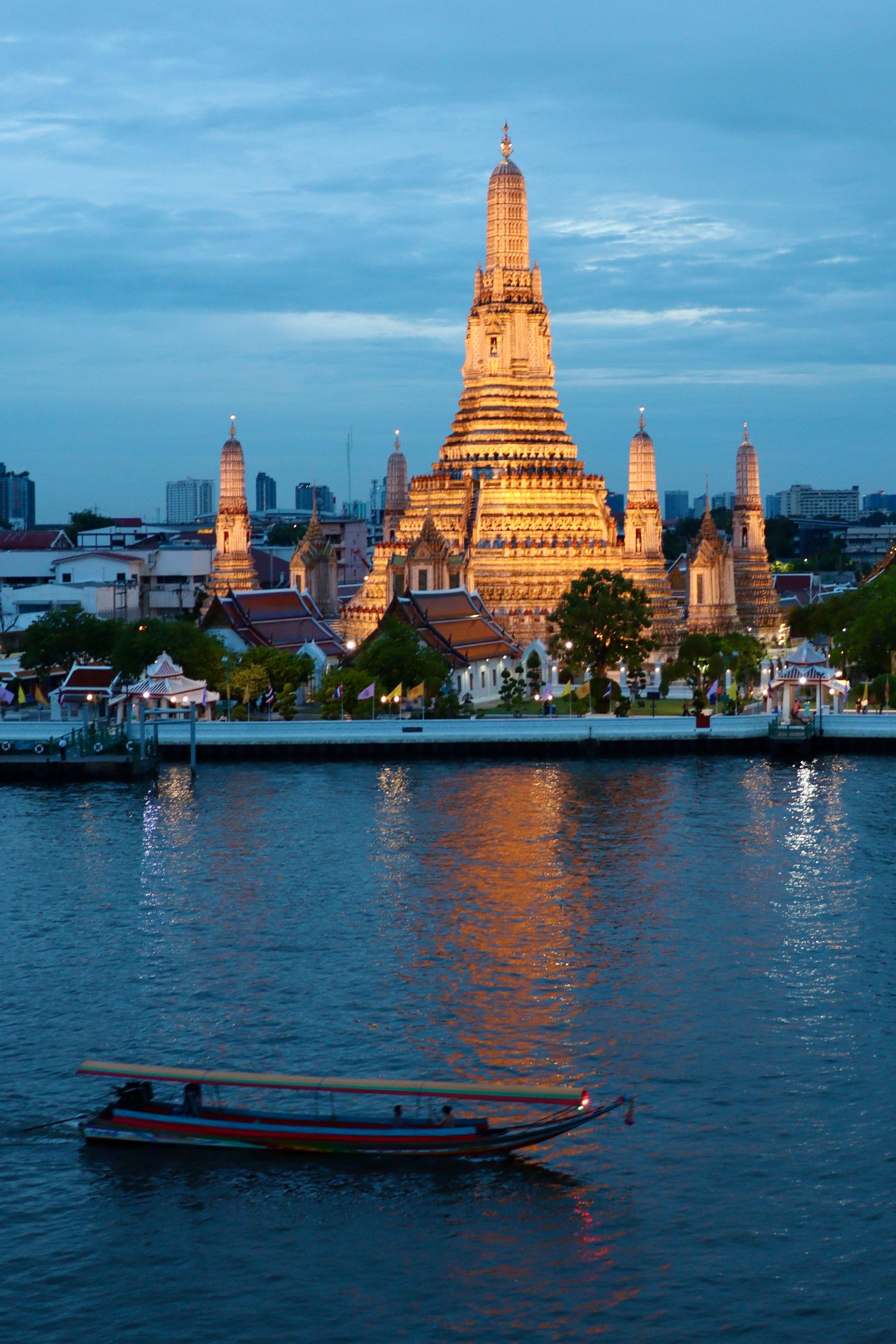
Bangkok, northern culture, food, and a warm-weather beach finish.
Thailand is more tropical and resort-oriented; Japan leads with rail, seasonality, and urban-cultural contrast.
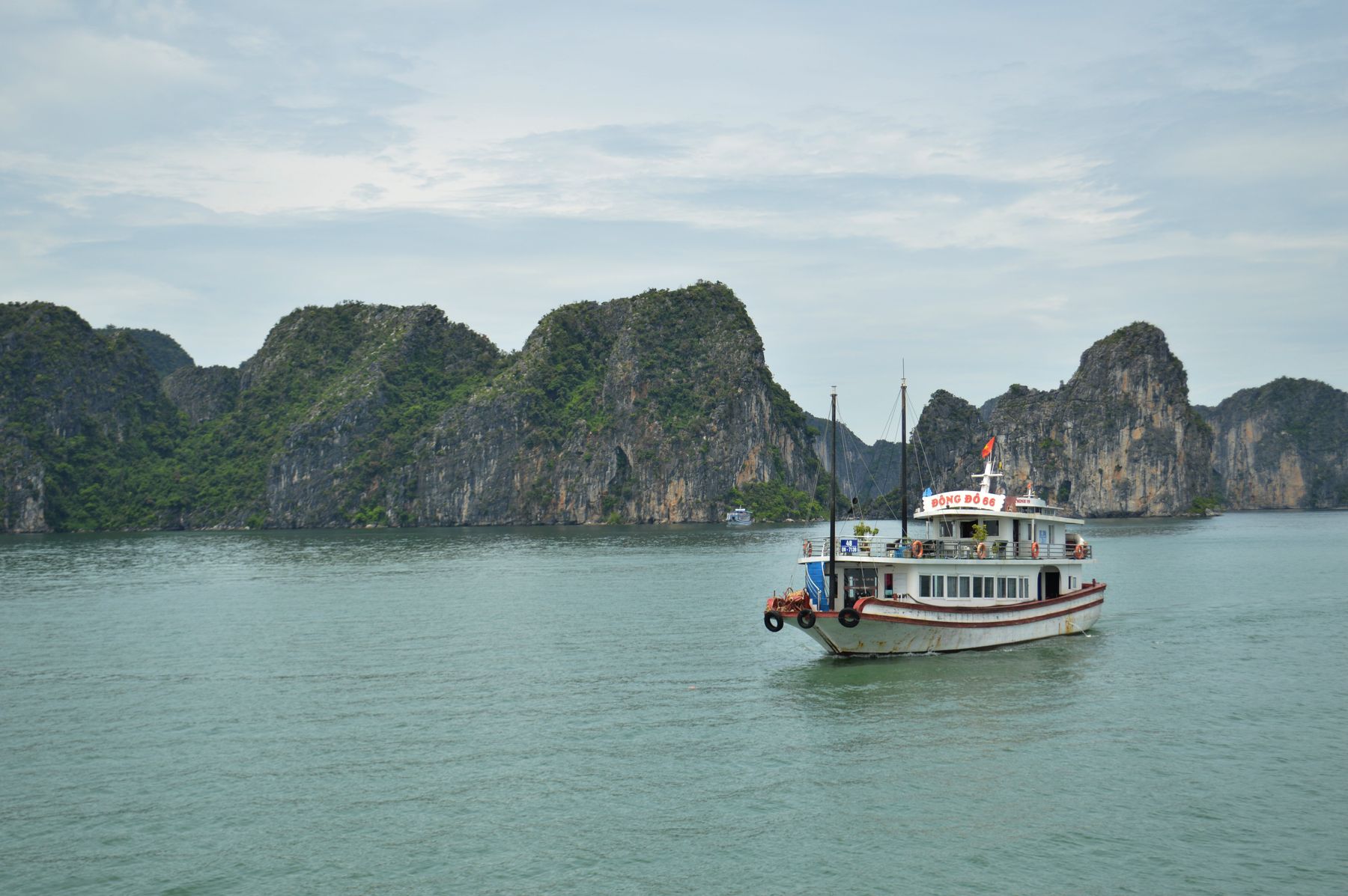
Hanoi, Ha Long Bay, Hoi An, river life, food, and layered history.
Vietnam favors guided overland and river experiences; Japan offers more independent rail movement.
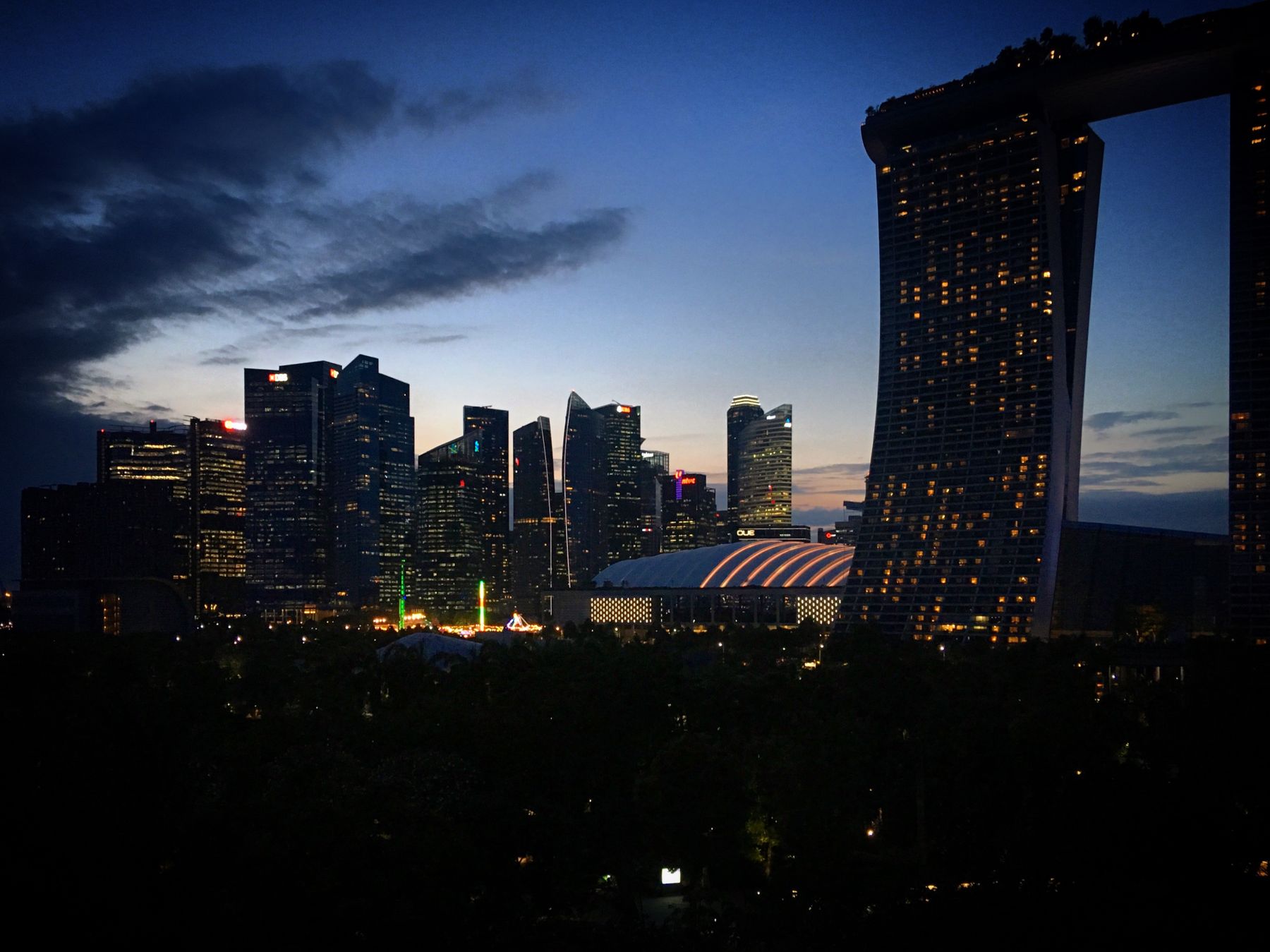
Architecture, food, gardens, and an easy premium stopover.
Singapore is compact and tropical; Japan rewards a longer multi-region journey.
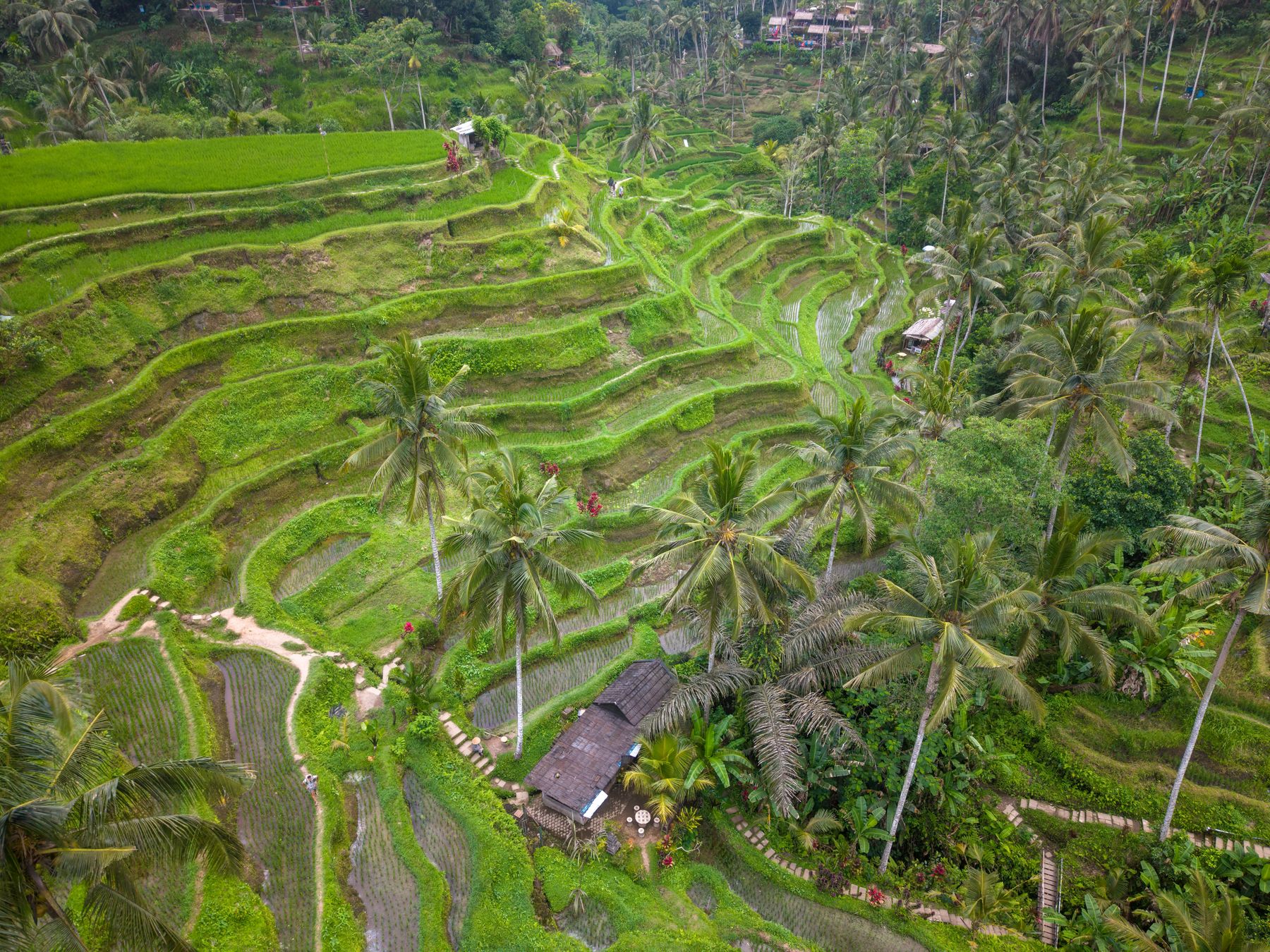
Temples, wellness, Ubud culture, landscapes, and restorative stays.
Bali emphasizes resort and private-driver rhythm; Japan centers cities, rail, and seasonal culture.
Advisor note: South Korea is the most natural two-country pairing, but only when both countries receive enough time.
Japan FAQ
Seven to nine days supports a focused Tokyo and Kyoto journey. Nine to eleven days allows a ryokan or landscape stay, while twelve to fourteen days supports one meaningful regional extension.
Not automatically. Price the exact route against point-to-point and regional tickets before buying, especially for a standard Tokyo–Kyoto–Osaka trip.
Most first trips include both. Give Tokyo time for neighborhoods and contemporary culture, and use well-timed mornings and selective guiding for Kyoto's heritage sites.
No. Weather determines visibility, so choose Hakone or another Fuji-area stay that remains rewarding for its art, lake, onsen, and landscape.
It can be with exact planning. Station transfers, elevators, temple stairs, walking distances, room layouts, baths, and vehicle alternatives should be reviewed individually.