%20(38464672752).jpg?width=1800)
Advisor Starting Point
Hanoi
Old Quarter streets, lakes, temples, French-era architecture, food, and layered history reward guided context and unhurried neighborhood time.

Destination Guide
Hanoi character, Ha Long Bay cruising, central-coast heritage, southern energy, and food that rewards local context.
Vietnam is a long, layered country, so the route matters as much as the stops. The strongest journeys balance internal flights with slower chapters, choose the right Ha Long Bay experience, and use expert guiding to connect food, history, and everyday life.
Travel styles
Experience Explorer
Choose the city, bay, heritage, river, and culinary experiences that should lead your route.
Old Quarter streets, lakes, temples, French-era architecture, food, and layered history reward guided context and unhurried neighborhood time.
Advisor insight
Vietnam rewards a north-to-south story, but not every trip needs every region. Protect depth in Hanoi and central Vietnam before adding more flights.
Traveler fit
Advisor guidance
Vietnam's map encourages overpacking. Airport time, traffic, check-ins, and one-night stops can overwhelm the experiences the trip was built to include.
Ha Long Bay vessels vary substantially in route, cabin, service, crowd exposure, and weather resilience.
Common planning mistakes
Norma, Dock 10 Travel
Honest tradeoffs
Best Ways to Experience Vietnam
Vietnam works best when private guiding, internal flights, cruising, and flexible neighborhood time each solve a specific need.
Best forFirst-time travelers wanting Hanoi, central Vietnam, and Ho Chi Minh City.
Advisor noteUse flights between major regions and protect at least three nights in the central chapter.
Best forTravelers prioritizing Hanoi, Ha Long Bay, Hue, Hoi An, food, and heritage.
Advisor noteThis route often feels richer than adding the south too quickly.
Best forTravelers wanting southern city energy and river life alongside the classic route.
Advisor noteChoose an overnight or small-scale delta experience when time supports it.
Best forTravelers with enough time for Vietnam's route and a meaningful Angkor chapter.
Advisor noteUse an efficient flight and protect at least three nights in Siem Reap.
Advisor-built trip ideas
Investment estimates are planning ranges per person, based on two travelers sharing, and exclude international airfare unless stated otherwise. Final pricing depends on travel dates, availability and the personalized itinerary.

8–10 days
Hanoi, a carefully chosen Ha Long Bay experience, central Vietnam, and one efficient north-to-south connection.
Best for
First-time travelers wanting a focused national introduction.
Typical investment
From $4,500–$8,000 per person
Route
Hanoi → Ha Long Bay → Hoi An or Hue
What makes it special
Rail, road, and water reveal Vietnam as a journey rather than disconnected stops.
Reality check
Eight days does not support every major city.
Advisor takeaway
End in central Vietnam rather than forcing the south.
Investment context
Planning range per person based on two travelers sharing accommodations. International airfare excluded. Final pricing varies by season, accommodations, transportation, guiding, and experience selection.

9–11 days
Hanoi and Ha Long Bay with Hue, Hoi An, the Hai Van corridor, food, heritage, and a slower central finish.
Best for
Culture and food travelers who prefer depth over national coverage.
Typical investment
From $5,500–$9,500 per person
Route
Hanoi → Ha Long Bay → Hue → Hoi An
What makes it special
Northern character gives way to mountain, coast, imperial history, and lantern-lit streets.
Reality check
Road and rail scenery require weather flexibility.
Advisor takeaway
Keep enough time for both Hue and Hoi An or choose one.
Investment context
Planning range per person based on two travelers sharing accommodations. International airfare excluded. Final pricing varies by season, accommodations, transportation, guiding, and experience selection.

10–12 days
A focused national route followed by Ho Chi Minh City and a small-scale Mekong Delta river chapter.
Best for
Travelers wanting city contrast and river commerce.
Typical investment
From $6,500–$10,500 per person
Route
Hanoi → central Vietnam → Ho Chi Minh City → Mekong Delta
What makes it special
Markets, boats, farms, and local trade make the southern extension feel lived-in and specific.
Reality check
A rushed day trip can feel performative and transit-heavy.
Advisor takeaway
Choose an overnight when the delta is a central promise.
Investment context
Planning range per person based on two travelers sharing accommodations. International airfare excluded. Final pricing varies by season, accommodations, transportation, guiding, and experience selection.

12–14 days
A focused Vietnam journey followed by Siem Reap, Angkor's temples, expert guiding, and purposeful recovery time.
Best for
Travelers wanting two distinct Southeast Asian cultural chapters.
Typical investment
From $7,500–$12,500 per person
Route
Hanoi → central or southern Vietnam → Siem Reap
What makes it special
Vietnam's cities, food, and coast lead into Angkor's monumental Khmer history.
Reality check
The international transition removes time from both countries.
Advisor takeaway
Protect three nights in Siem Reap and avoid a one-day Angkor add-on.
Investment context
Planning range per person based on two travelers sharing accommodations. International airfare excluded. Final pricing varies by season, accommodations, transportation, guiding, and experience selection.
Travel Planning Center
Twenty practical decisions covering season, routing, cruising, culture, access, and investment.
Related Destinations

Bangkok, northern culture, islands, and resorts.
Thailand offers broader beach and resort choice; Vietnam creates a stronger linear overland story.

Angkor, Khmer history, and a focused temple chapter.
Cambodia is the most natural cultural extension when Siem Reap receives enough time.

Food, architecture, gardens, and a premium stopover.
Singapore is compact and highly accessible; Vietnam is broader and more transfer-intensive.
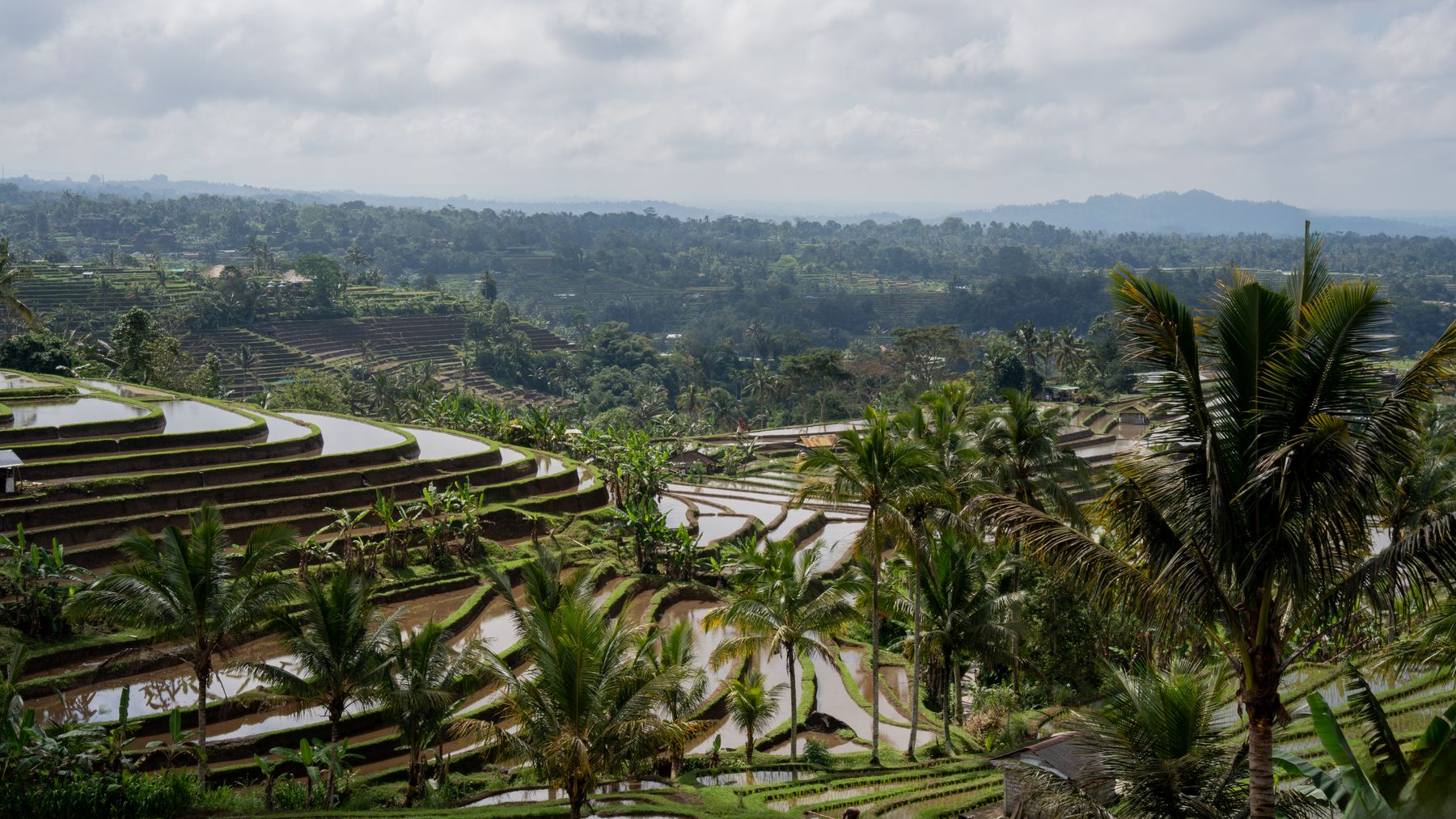
Rice terraces, living temple culture, volcanic highlands, and a coast chosen for the traveler—not the trend.
Ubud culture, rice terraces, temples, wellness, and villas.
Bali offers a slower island-and-resort rhythm; Vietnam rewards a multi-region journey.
Advisor note: Cambodia is the strongest two-country pairing; Singapore works best as an air stopover rather than a compressed add-on.
Vietnam FAQ
Eight to ten days supports a focused two-region journey. Ten to fourteen days is better for north, central, south, or a meaningful Cambodia extension.
It can be when the vessel, route, weather, and cabin fit. An overnight gives the bay more time than a rushed return from Hanoi.
Usually for a broad route. Vietnam is long, and flights between north, central, and south often protect experience time despite airport logistics.
It can be with clear guidance. Ingredients such as fish sauce, shellfish, peanuts, gluten, and shared cooking surfaces should be discussed carefully.
Add Cambodia when the trip can protect at least three nights in Siem Reap without compressing Vietnam. Otherwise, keep the journey in one country.