Advisor Starting Point
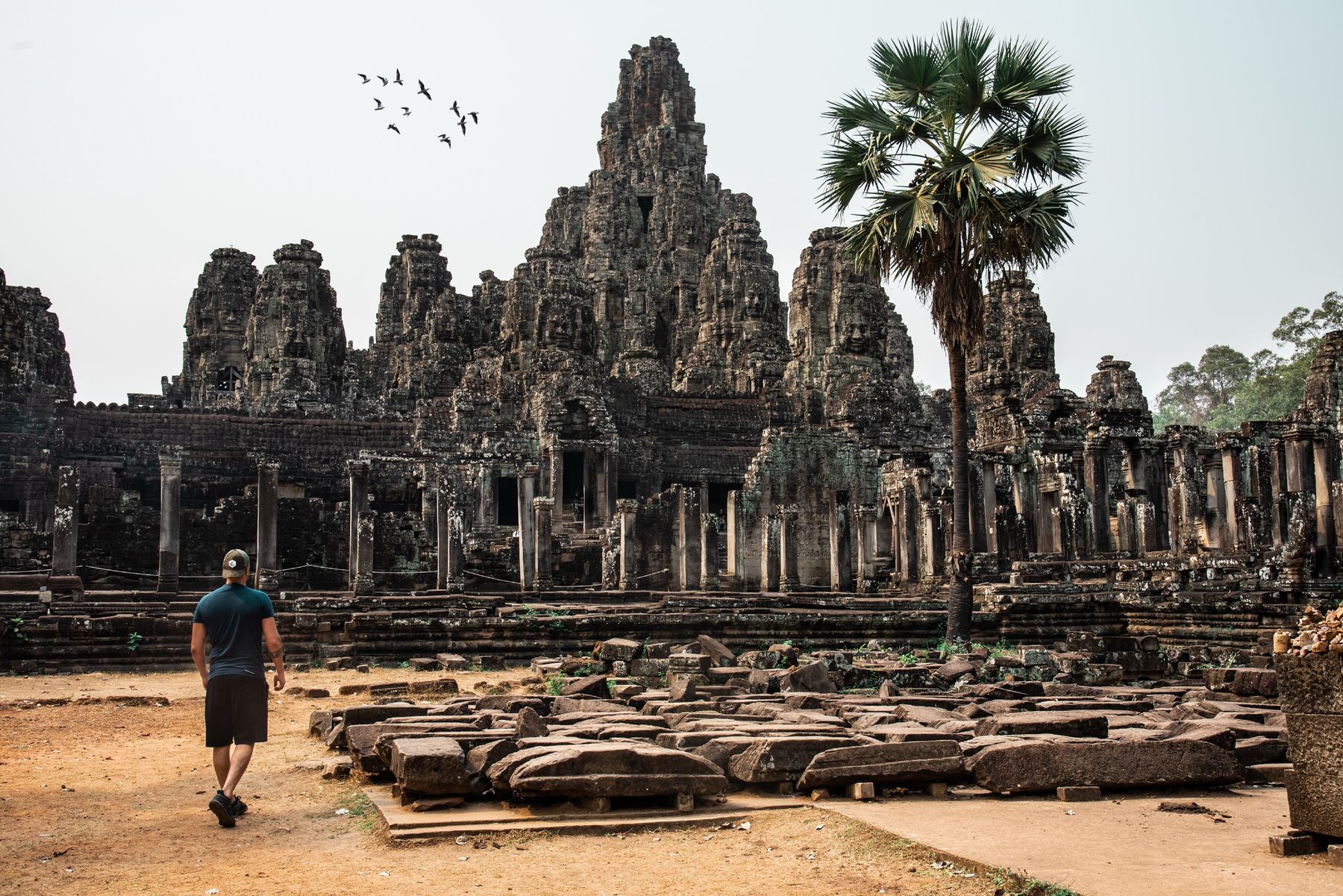
Angkor Archaeological Park
Angkor Wat, Bayon, Ta Prohm, Preah Khan, Banteay Srei, reservoirs, forest, and successive royal cities reveal the scale of Khmer civilization when guiding replaces temple collecting.
Destination Guide
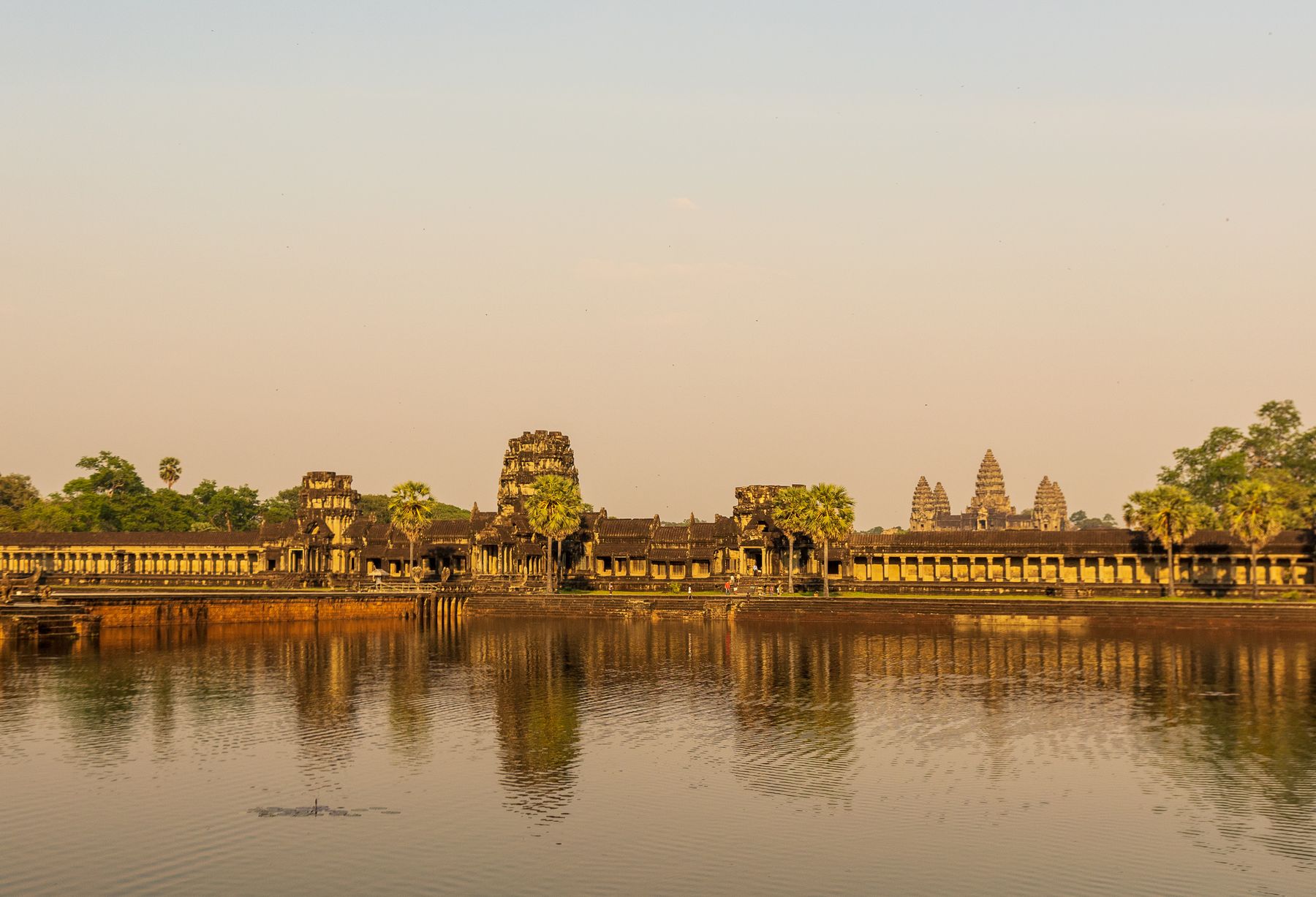
Khmer civilization, river life, and a living culture that rewards time.
Cambodia should not be reduced to a sunrise at Angkor Wat. The strongest journey gives the wider Angkor landscape time to unfold, meets contemporary Khmer culture on its own terms, and connects Siem Reap with Phnom Penh, Tonlé Sap, or rural Cambodia at a humane pace.
Travel styles
Experience Explorer
Explore the archaeological landscape, cities, waterways, living culture, and food that give Cambodia its depth.
Angkor Wat, Bayon, Ta Prohm, Preah Khan, Banteay Srei, reservoirs, forest, and successive royal cities reveal the scale of Khmer civilization when guiding replaces temple collecting.
Advisor insight
Angkor is not one monument but a vast cultural landscape. Expert sequencing, interpretation, and recovery time turn temple photography into an understanding of Khmer civilization—and leave room for the living culture beyond the stones.
Traveler fit
Advisor guidance
Angkor is physically and mentally demanding. Heat, humidity, uneven stones, steep steps, long approaches, crowds, and repeated vehicle transfers make an overfilled temple schedule counterproductive. Earlier starts, shaded breaks, selective sites, and a capable guide preserve both energy and meaning.
Cambodia's most important experiences are not interchangeable attractions. Phnom Penh's modern history, Tonlé Sap's seasonal communities, and rural cultural encounters require ethical operators, accurate context, and time. A cheap or rushed excursion can turn meaningful access into spectacle.
Common planning mistakes
Norma, Dock 10 Travel
Honest tradeoffs
Best Ways to Experience Cambodia
Cambodia works best when guiding, pacing, regional access, and cultural context each serve a clear purpose.
Best forFirst-time visitors prioritizing Khmer history, architecture, and serious guide-led exploration.
Advisor noteProtect at least three full touring days so major royal sites, quieter temples, and recovery are not compressed.
Best forTravelers balancing temples with artisans, food, contemporary culture, Tonlé Sap, and rural life.
Advisor noteAlternate temple mornings with slower afternoons and use community-led experiences rather than a generic circuit.
Best forTravelers wanting Cambodia's ancient civilization and modern national story in one journey.
Advisor noteGive Phnom Penh two or three purposeful nights; do not treat it as an airport transfer.
Best forTravelers with 12–14 days for contrasting cultures connected by the lower Mekong.
Advisor noteBuild one focused Vietnam chapter and a real Cambodia chapter instead of a five-city checklist.
Advisor-built trip ideas
Investment estimates are planning ranges per person, based on two travelers sharing, and exclude international airfare unless stated otherwise. Final pricing depends on travel dates, availability and the personalized itinerary.
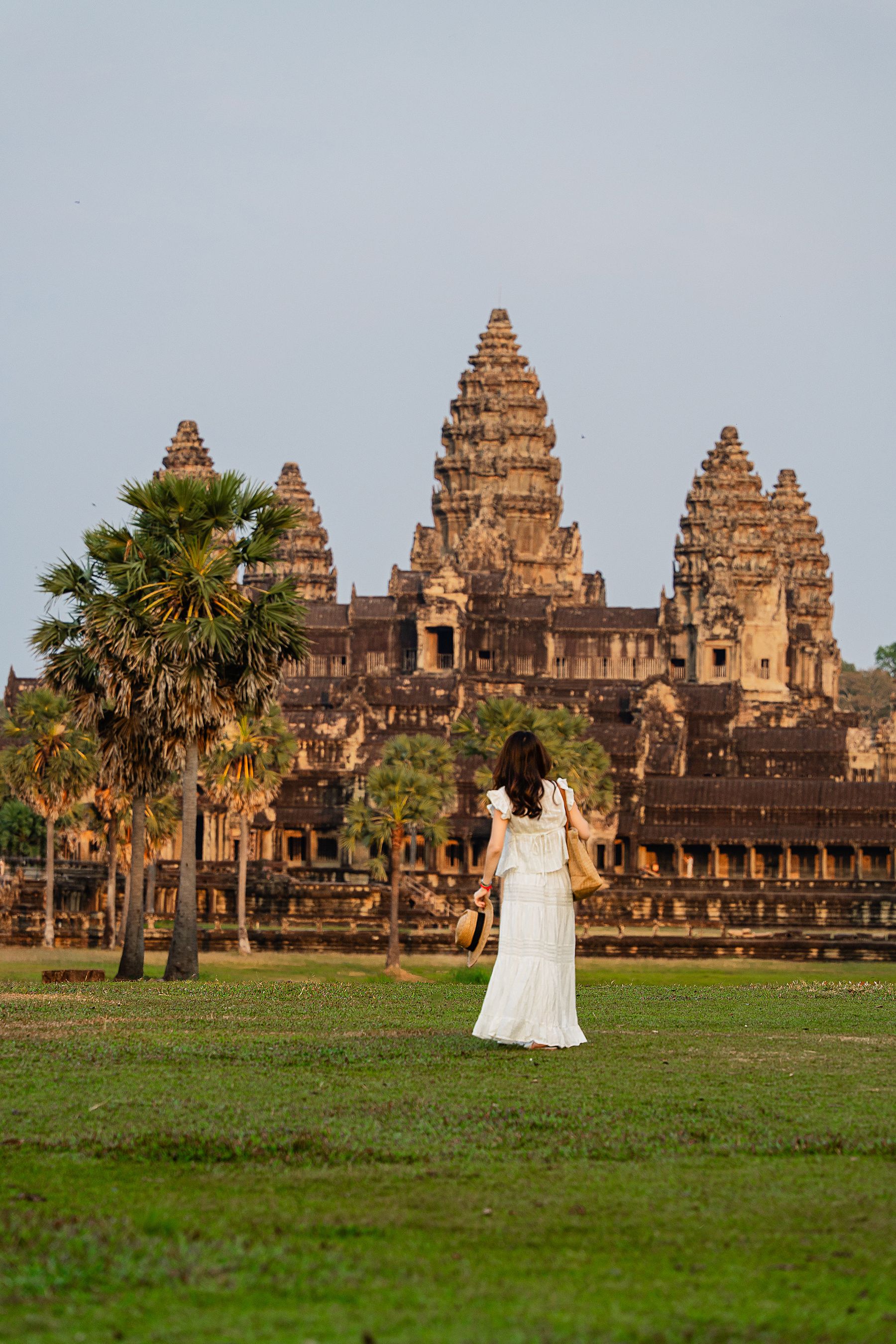
5–7 days
A focused Siem Reap stay with intelligently sequenced Angkor touring, Khmer food and artisans, recovery time, and one living-culture or lake chapter.
Best for
First-time visitors making Angkor the central purpose of a shorter journey.
Typical investment
From $3,500–$6,000 per person
Route
Siem Reap → Angkor Wat and Angkor Thom → outer temples → countryside or Tonlé Sap
What makes it special
Several days let the civilization unfold beyond one sunrise and create space for contemporary Khmer culture.
Reality check
Five days supports focus, not an exhaustive temple list or a second city.
Advisor takeaway
Use one expert guide across the main temple days and alternate demanding mornings with slower afternoons.
Investment context
Planning range per person based on two travelers sharing accommodations. International airfare excluded. Final pricing varies by season, accommodations, transportation, guiding, and selected experiences.
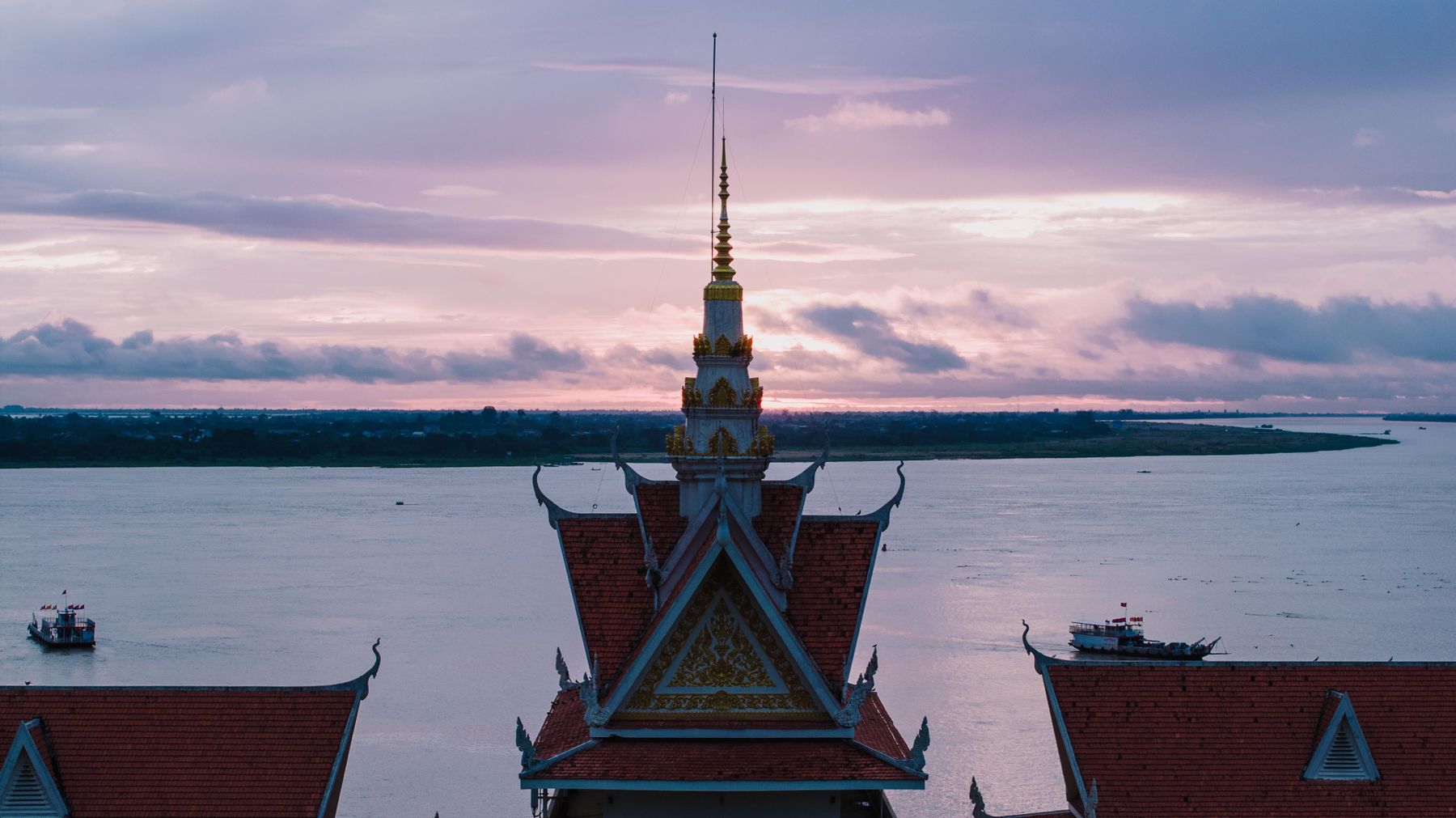
7–9 days
Cambodia's essential arc connects Angkor's Khmer capitals with living culture, river life, royal heritage, and modern Phnom Penh.
Best for
First-time travelers who want Cambodia understood as a country rather than an Angkor stop.
Typical investment
From $4,500–$7,500 per person
Route
Siem Reap and Angkor → Tonlé Sap or rural Siem Reap → Phnom Penh
What makes it special
Ancient achievement and contemporary resilience appear in one coherent national story.
Reality check
The move to Phnom Penh consumes useful time; each city needs protected full days.
Advisor takeaway
Keep the route to two bases and resist adding Vietnam unless more days are available.
Investment context
Planning range per person based on two travelers sharing accommodations. International airfare excluded. Final pricing varies by season, accommodations, transportation, guiding, and selected experiences.

9–11 days
A slower journey through Angkor, regional Khmer life, food, artisans, river landscapes, and the capital's layered history.
Best for
Culturally curious travelers who value guides, overland context, and places between headline landmarks.
Typical investment
From $5,500–$9,500 per person
Route
Siem Reap and Angkor → Battambang or a rural-cultural chapter → Phnom Penh
What makes it special
The route connects monumental history to Cambodia's lived landscapes and creative present.
Reality check
Road travel and rural conditions require realistic timing, suitable vehicles, and carefully vetted experiences.
Advisor takeaway
Choose one regional extension for depth; do not add stops merely to fill a map.
Investment context
Planning range per person based on two travelers sharing accommodations. International airfare excluded. Final pricing varies by season, accommodations, transportation, guiding, and selected experiences.
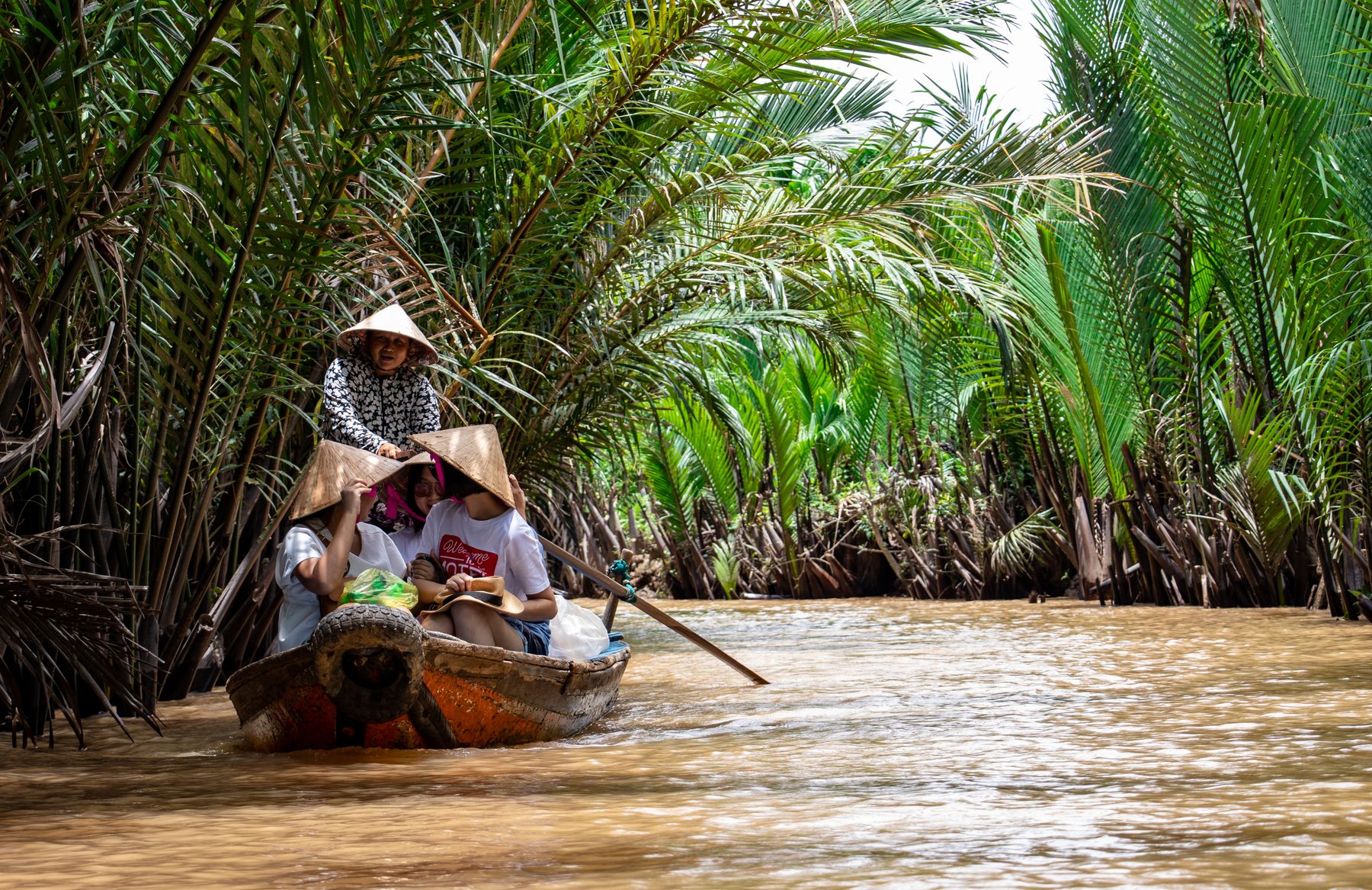
12–14 days
A focused Vietnam chapter follows the lower Mekong into Phnom Penh before culminating in several purposeful days around Angkor.
Best for
Travelers wanting two distinct cultural narratives with a meaningful geographic connection.
Typical investment
From $7,500–$12,500 per person
Route
Ho Chi Minh City → Mekong Delta or lower Mekong → Phnom Penh → Siem Reap and Angkor
What makes it special
Vietnam's urban and river energy transitions into living Khmer culture and Angkor's monumental history.
Reality check
Twelve days leaves little room for northern and central Vietnam as well.
Advisor takeaway
Protect at least three nights in Siem Reap and avoid using Angkor as a one-day postscript.
Investment context
Planning range per person based on two travelers sharing accommodations. International airfare excluded. Final pricing varies by season, accommodations, transportation, guiding, and selected experiences.
Travel Planning Center
Twenty practical decisions covering pace, guiding, regions, culture, access, and investment.
Related Destinations

Hanoi character, Ha Long Bay cruising, central-coast heritage, southern energy, and food that rewards local context.
Layered cities, food, coast, and Mekong geography.
Vietnam adds route variety and urban energy; Cambodia concentrates on Khmer civilization and cultural depth.
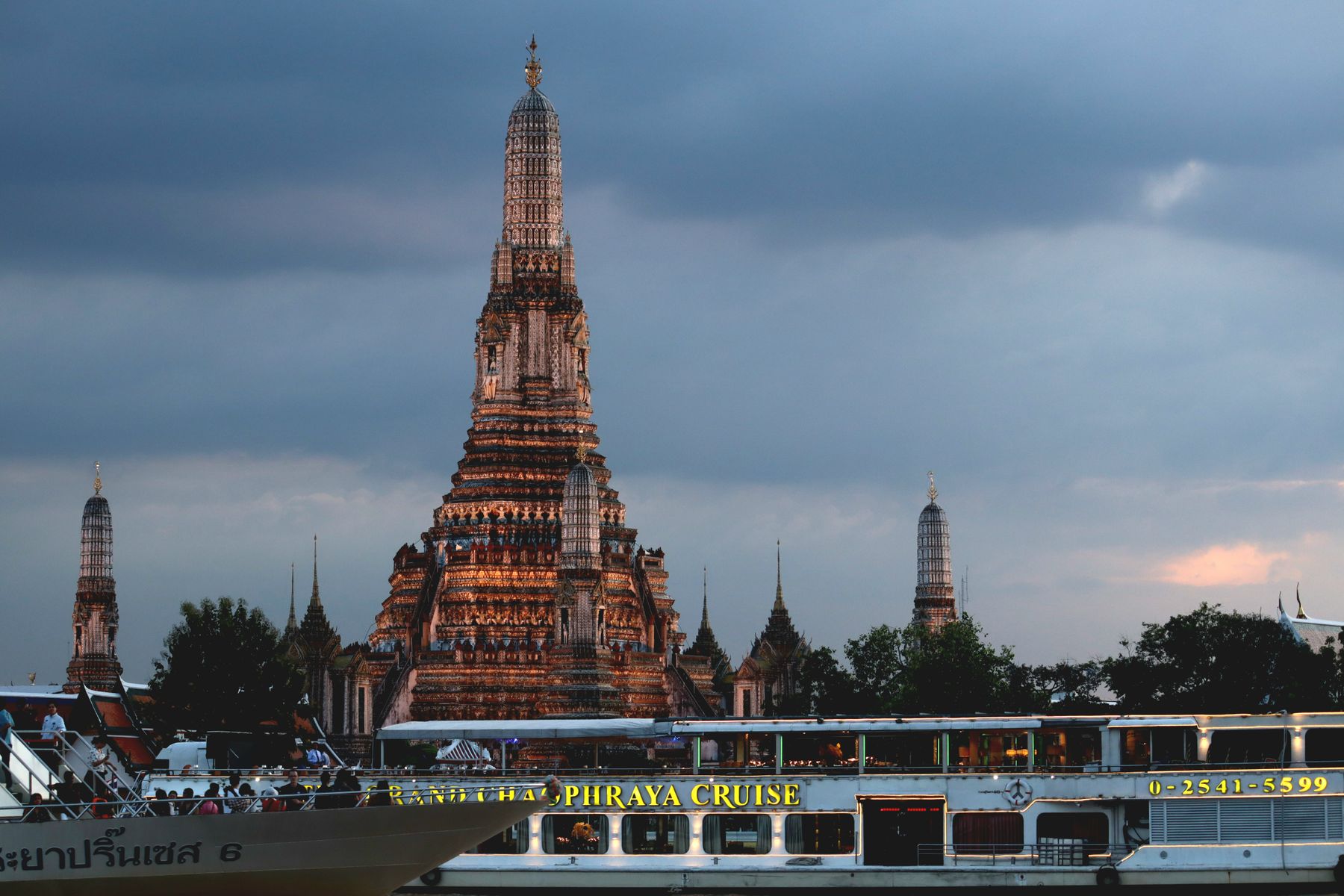
Bangkok energy, northern culture, food, and islands.
Bangkok, northern culture, hospitality, and islands.
Thailand offers broader variety and resorts; Cambodia is slower, historically focused, and guide-dependent.

Luang Prabang, Mekong landscapes, Buddhist culture, French-era heritage, waterfalls, and quiet pacing.
Laos shares Cambodia's slower river-and-culture rhythm, but feels more contemplative and rural; Cambodia adds Angkor's monumental Khmer history and Phnom Penh's modern national story.
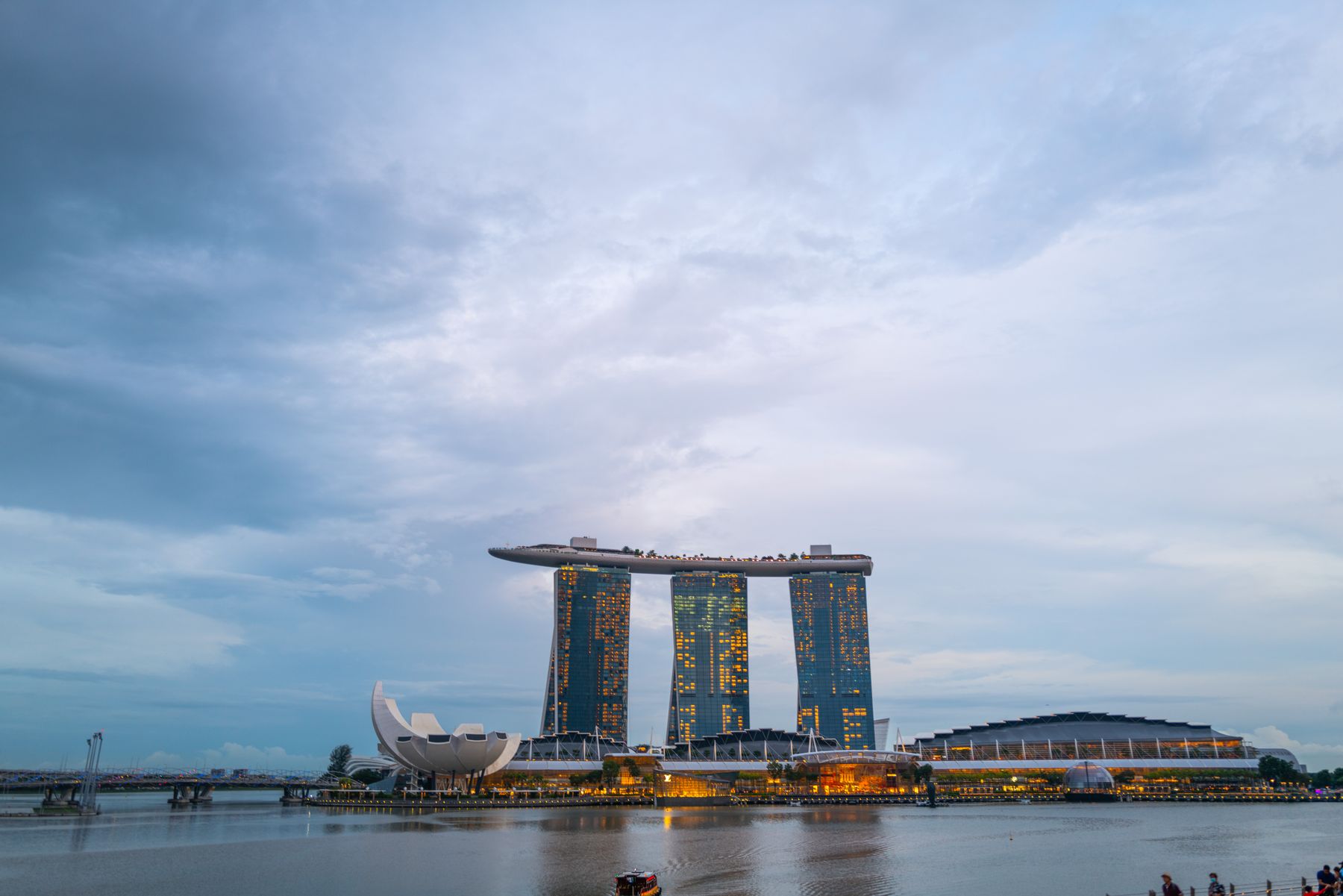
Marina Bay design, hawker culture, historic neighborhoods, tropical gardens, and a stopover polished enough to become the destination.
An efficient premium air stop, food, design, and polished hospitality.
Singapore is an easy urban gateway or recovery stop; Cambodia is the deeper historical and cultural journey.
Advisor note: Vietnam is the strongest substantive pairing, Thailand offers the greatest contrast, Laos suits a quieter Mekong rhythm, and Singapore works best as a clean air gateway.
Cambodia FAQ
Five to seven days supports a meaningful Siem Reap and Angkor journey. Seven to nine days allows Phnom Penh, while nine to eleven gives room for a regional chapter and a slower national story.
Yes. Angkor is a vast cultural landscape, while Siem Reap, Phnom Penh, Tonlé Sap, Khmer food, arts, river life, and contemporary culture explain Cambodia beyond its most famous monument.
Independent visits are possible, but a knowledgeable guide adds chronology, religious and architectural context, site relationships, crowd-aware sequencing, and a richer understanding of Khmer civilization.
Yes for travelers wanting royal heritage, riverfront life, contemporary Cambodia, and responsible engagement with difficult modern history. Give it two or three purposeful nights.
Pair them when 12–14 days can protect a focused Vietnam chapter and at least three nights around Siem Reap. Otherwise, Cambodia benefits from standing alone.
Accessibility varies by temple. Heat, uneven stone, steps, long approaches, and limited step-free routes require site-specific planning, suitable transport, and current verification.