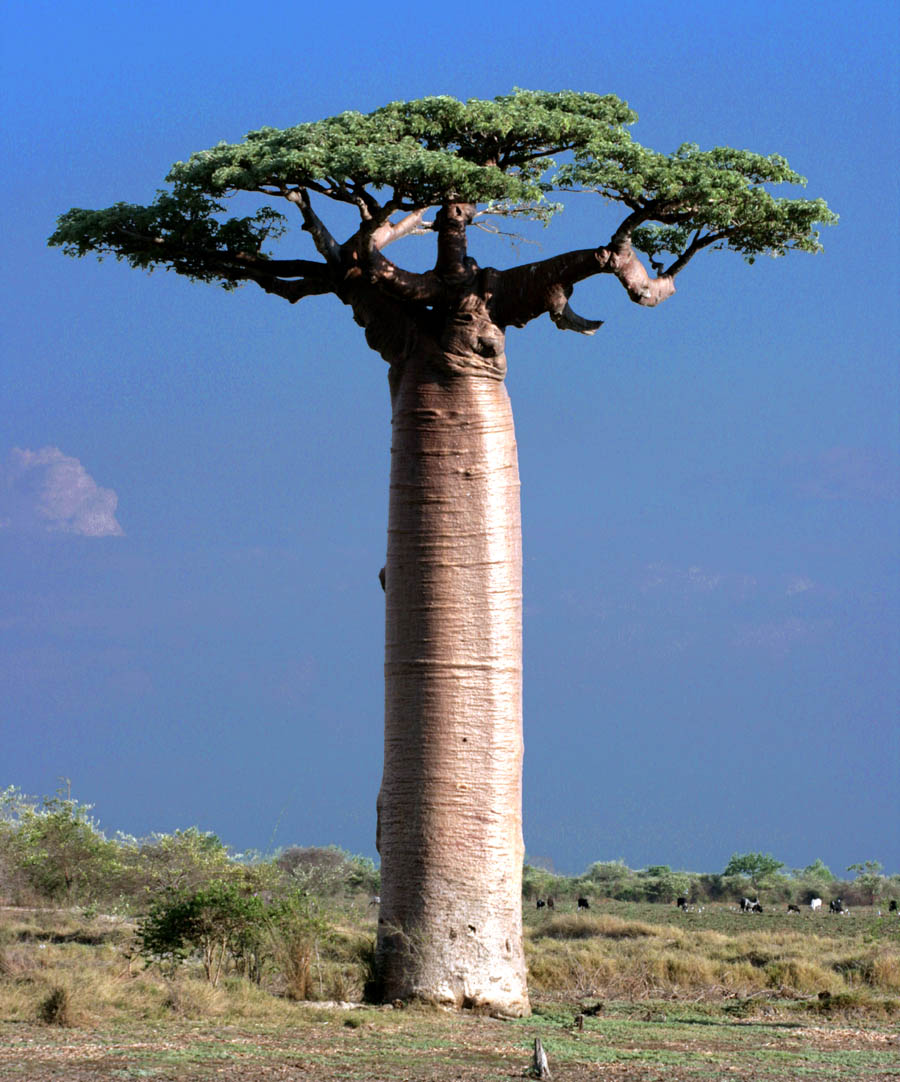
Start with the geography
Baobab country
Morondava and western baobab country deliver the iconic landscape, but flight reliability and long road segments determine what can be combined responsibly.
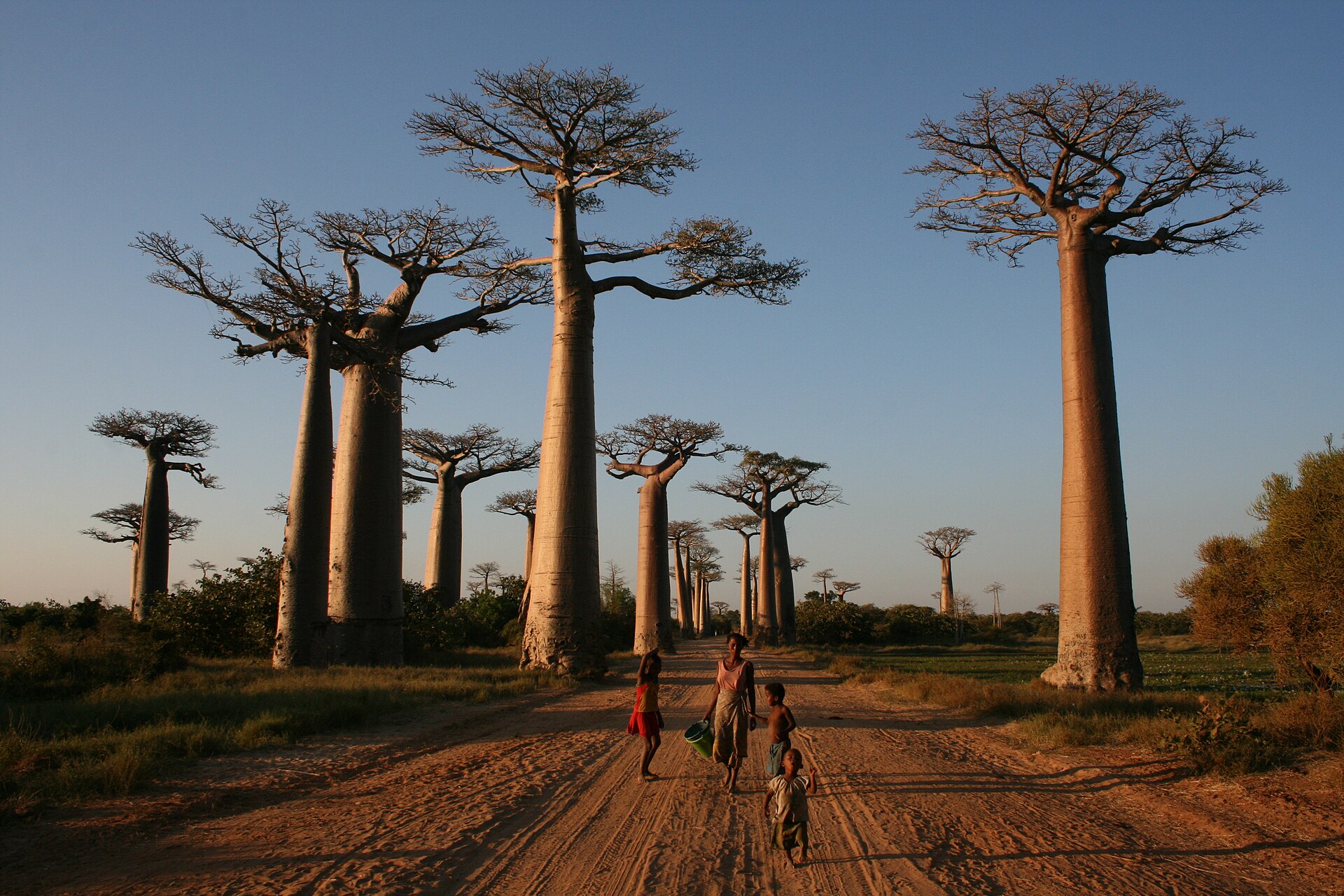
Africa destination guide
Endemic wildlife, baobab roads, and a route that respects the island's scale.
Madagascar is not a quick wildlife add-on. The island's fragmented habitats, slow roads, local guiding, and seasonal access make route design central to the experience.
Travel styles
Madagascar
Purposeful regional choices create a coherent journey.
Morondava and western baobab country deliver the iconic landscape, but flight reliability and long road segments determine what can be combined responsibly.
Advisor insight
Start with the experience and season, then work backward to flights, transfers, and stays.
Traveler fit
Advisor guidance
Madagascar is not one interchangeable beach or wildlife stop; geography and season shape the investment.
Fewer, stronger chapters create a better journey than a checklist.
Common planning mistakes
Norma, Dock 10 Travel
Honest tradeoffs
Best ways to travel
Travel style changes what the destination can reveal.
Best forTravelers who want western baobab route in Madagascar.
Advisor noteChoose western baobab route only when the route and season justify the movement.
Best forTravelers who want rainforest wildlife journey in Madagascar.
Advisor noteChoose rainforest wildlife journey only when the route and season justify the movement.
Best forTravelers who want southern landscapes in Madagascar.
Advisor noteChoose southern landscapes only when the route and season justify the movement.
Best forTravelers who want madagascar plus beach in Madagascar.
Advisor noteChoose madagascar plus beach only when the route and season justify the movement.
Planning ranges
planning ranges, not supplier quotes.
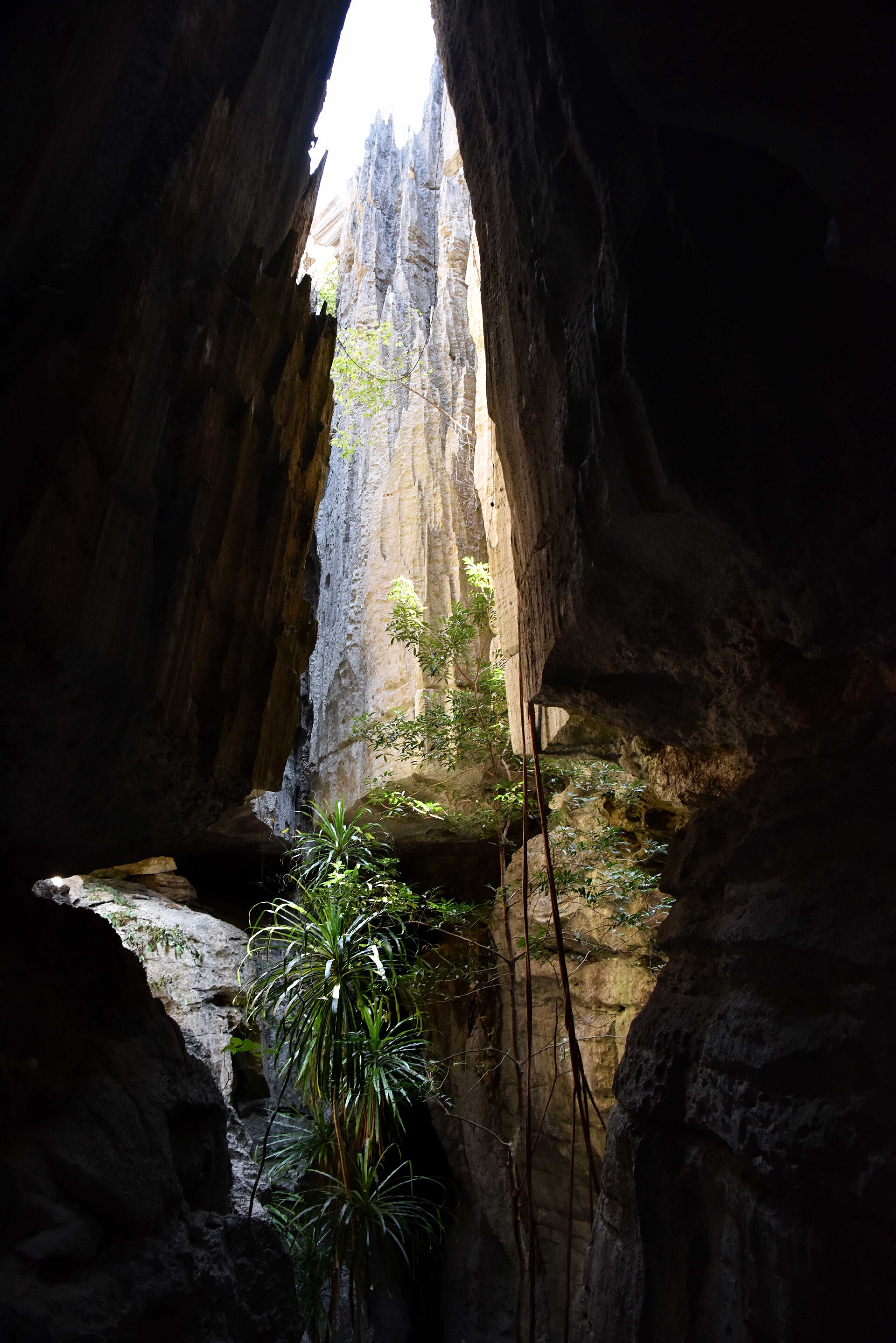
10–14 days
A focused western route pairing Morondava's baobab country with one strong wildlife chapter.
Best for
First-time visitors seeking iconic landscapes and endemic wildlife.
Typical investment
$6,500–$13,000 per person
Route
Antananarivo → Morondava → wildlife reserve
What makes it special
A focused western route pairing Morondava's baobab country with one strong wildlife chapter.
Reality check
Morondava air and road connections require buffers.
Advisor takeaway
Do not combine east and west merely to collect icons.
Investment context
Based on two travelers sharing accommodations. International airfare is excluded. planning range, not a supplier quote; taxes, fees, permits, availability, guiding, room category, domestic air, transfers, and local transportation require confirmation.
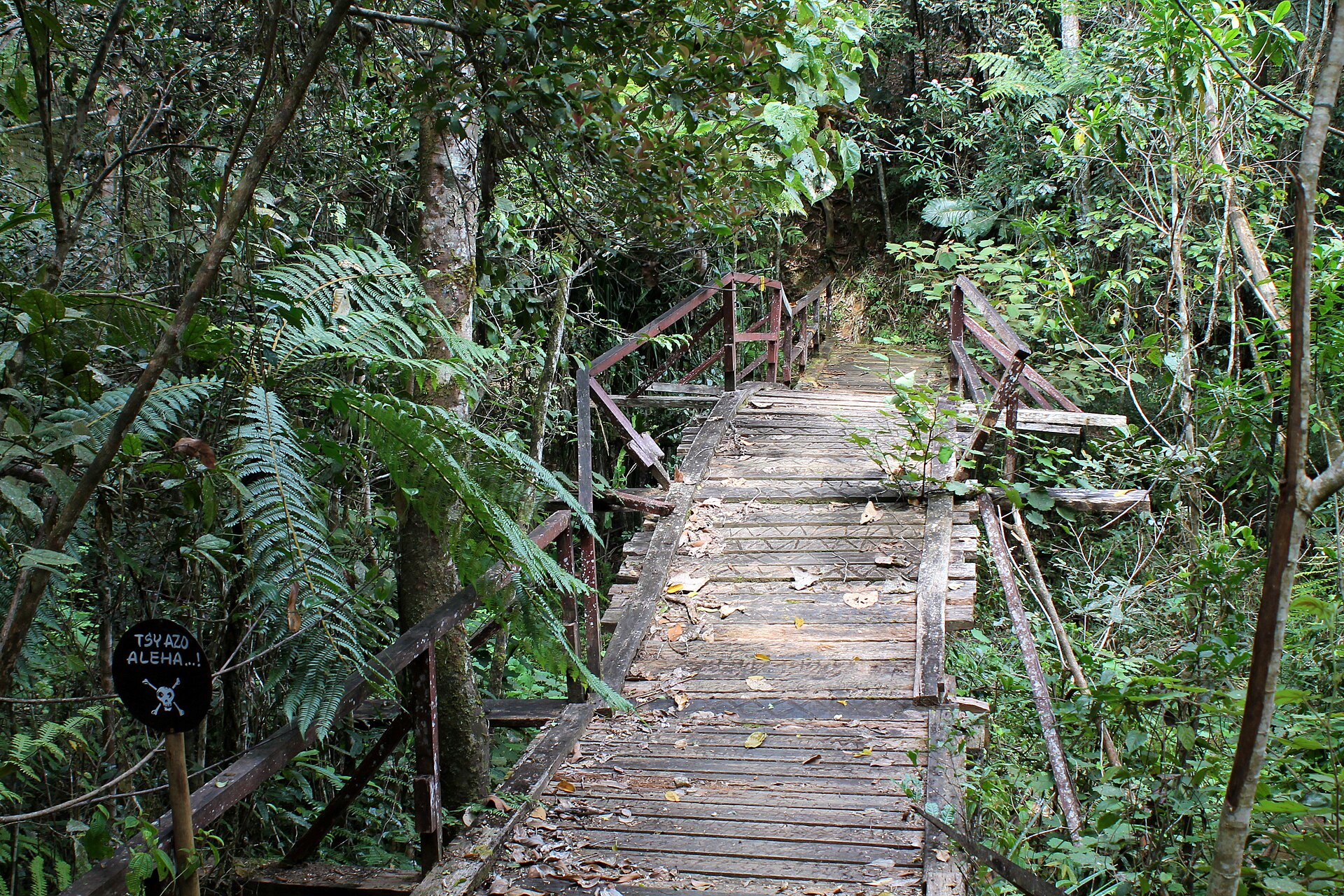
12–16 days
Eastern rainforest reserves with specialist guiding and time for nocturnal wildlife.
Best for
Wildlife travelers who value endemic species over iconic scenery.
Typical investment
$7,500–$15,000 per person
Route
Antananarivo → Andasibe → eastern rainforest
What makes it special
Eastern rainforest reserves with specialist guiding and time for nocturnal wildlife.
Reality check
Rain, humidity, leeches, and uneven trails are part of forest viewing.
Advisor takeaway
Use specialist naturalist guides and allow repeat forest walks.
Investment context
Based on two travelers sharing accommodations. International airfare is excluded. planning range, not a supplier quote; taxes, fees, permits, availability, guiding, room category, domestic air, transfers, and local transportation require confirmation.
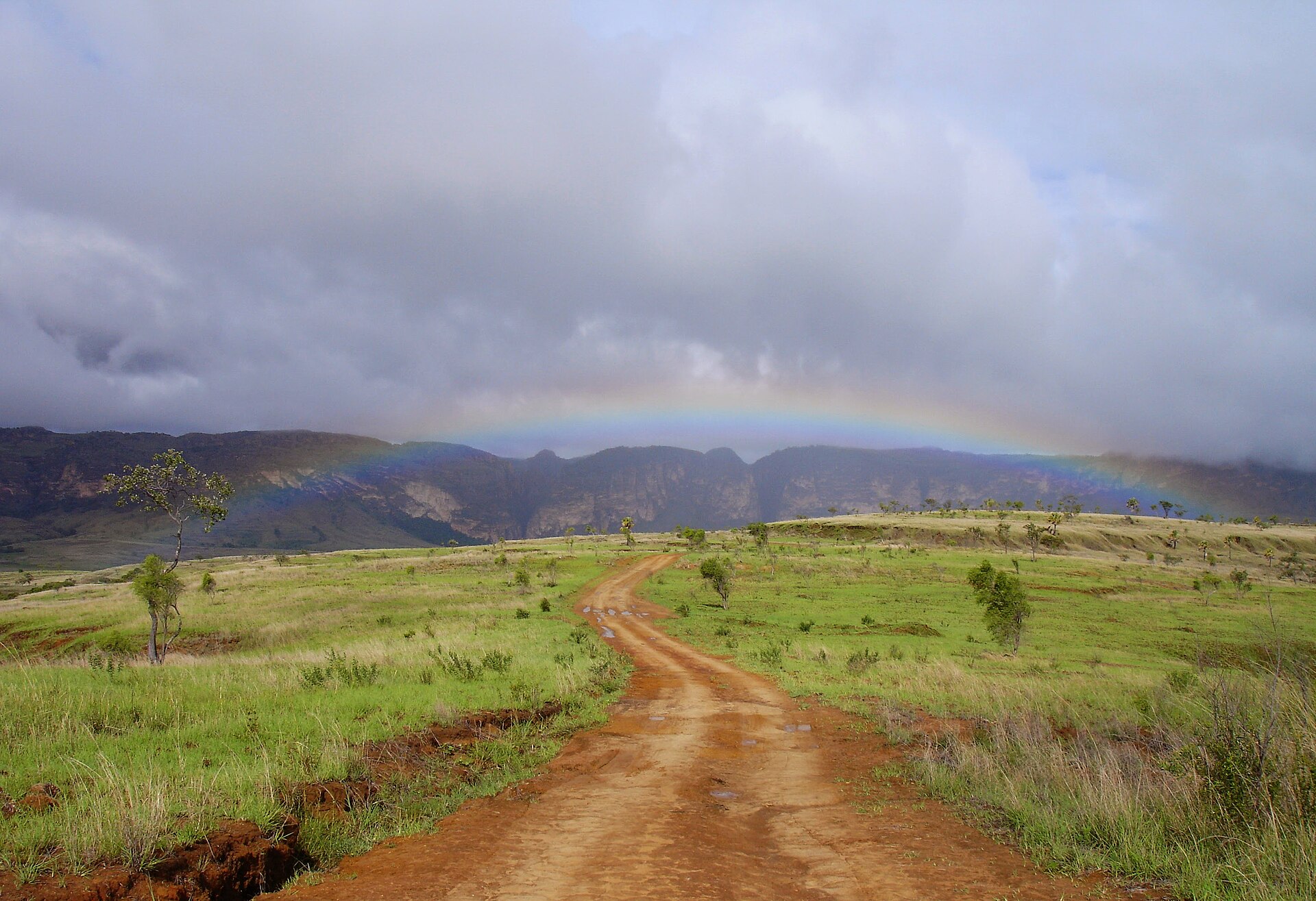
14–18 days
Red landscapes, ring-tailed lemurs, and a more expeditionary southern route.
Best for
Active travelers comfortable with longer road connections.
Typical investment
$8,500–$18,000 per person
Route
Antananarivo → highlands → Isalo → southern reserves
What makes it special
Red landscapes, ring-tailed lemurs, and a more expeditionary southern route.
Reality check
Southern road days are long and lodge standards vary.
Advisor takeaway
Protect recovery nights around the longest drives.
Investment context
Based on two travelers sharing accommodations. International airfare is excluded. planning range, not a supplier quote; taxes, fees, permits, availability, guiding, room category, domestic air, transfers, and local transportation require confirmation.
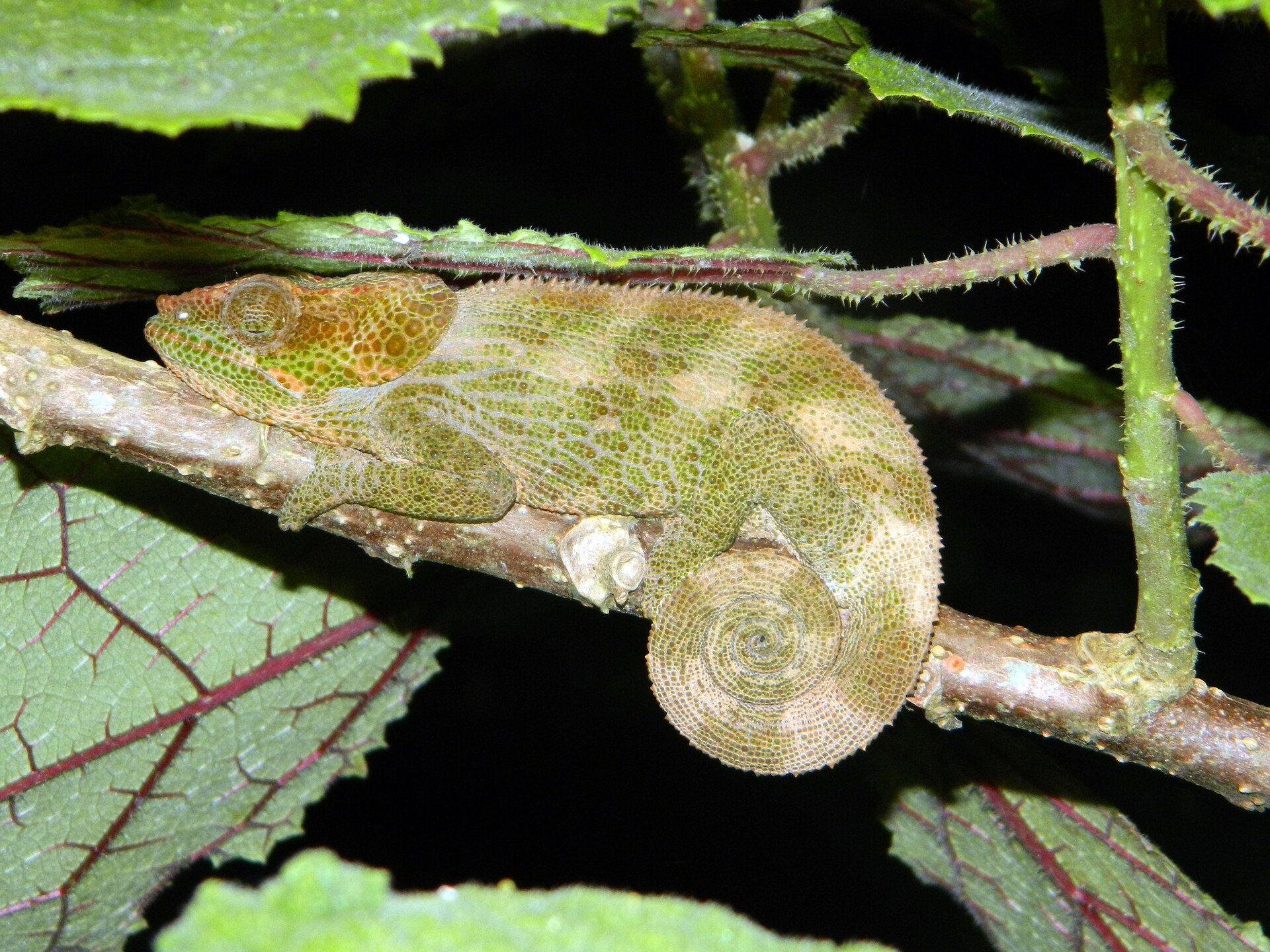
16–20 days
A wildlife-first Madagascar journey followed by genuine beach recovery.
Best for
Travelers wanting discovery balanced with a restorative finish.
Typical investment
$12,000–$26,000 per person
Route
Madagascar wildlife route → Seychelles or Mauritius
What makes it special
A wildlife-first Madagascar journey followed by genuine beach recovery.
Reality check
A beach finish adds another domestic or regional air dependency.
Advisor takeaway
Place the beach after the wildlife route and keep a flight buffer before departure.
Investment context
Based on two travelers sharing accommodations. International airfare is excluded. planning range, not a supplier quote; taxes, fees, permits, availability, guiding, room category, domestic air, transfers, and local transportation require confirmation.
Travel Planning Center
Practical decisions for timing, routing, access, and investment.
Related journeys
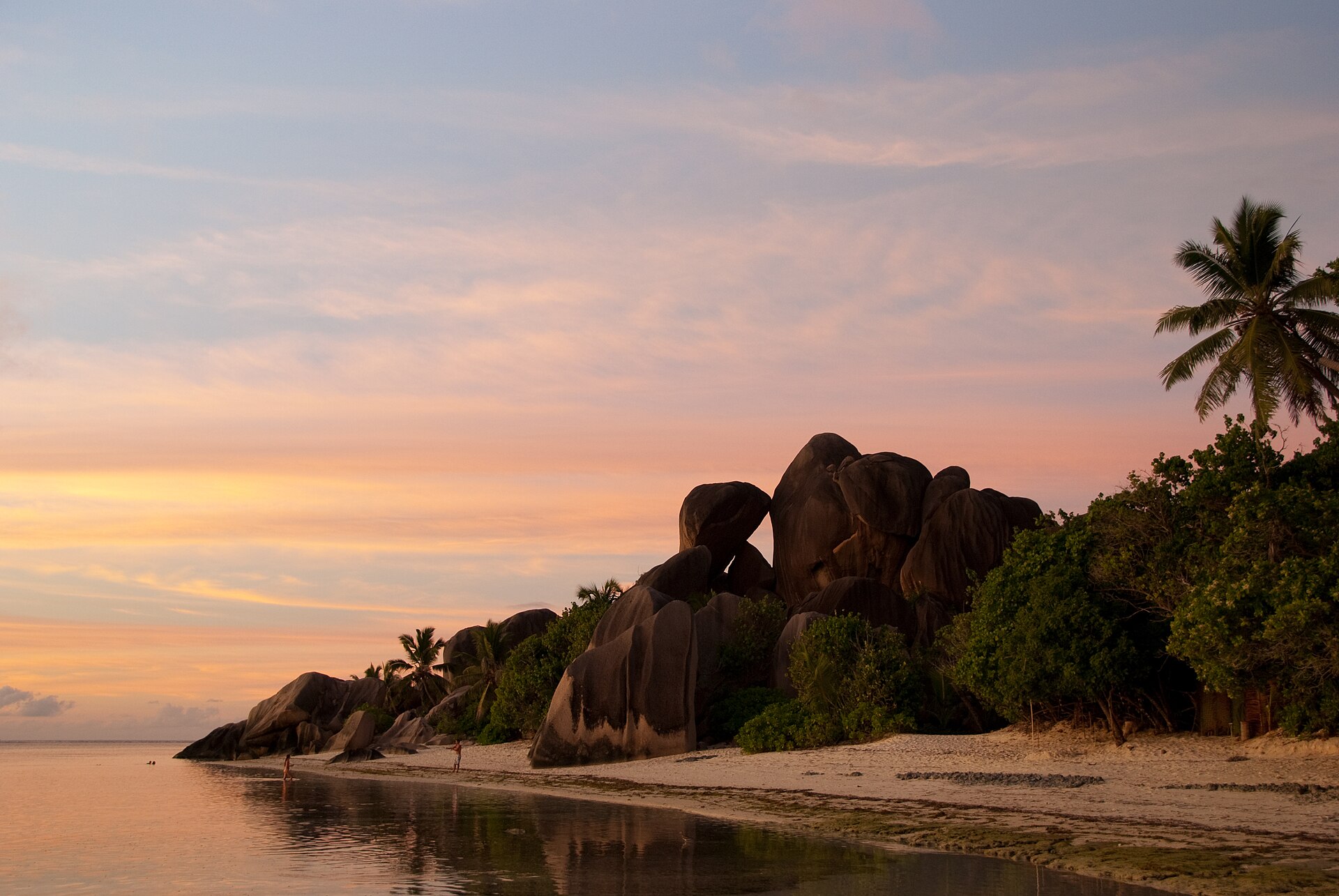
Granite-island recovery after an expeditionary route.
Choose Seychelles as a restorative finish; choose Madagascar alone when wildlife depth deserves every available day.
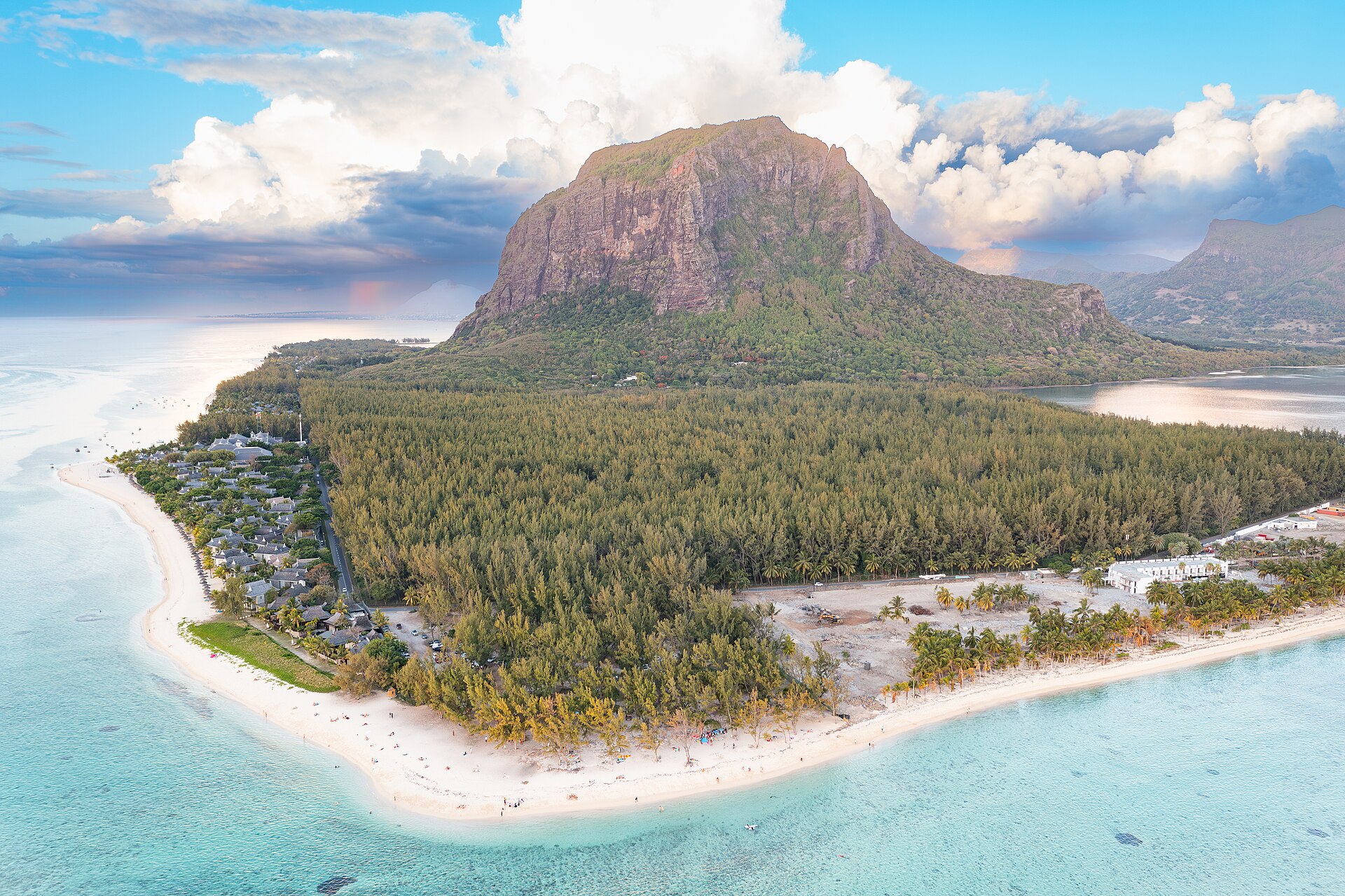
Comfortable lagoons, food, and mountain roads with easier logistics.
Choose Mauritius for polished recovery and inland touring; choose Madagascar for endemic wildlife and remoteness.
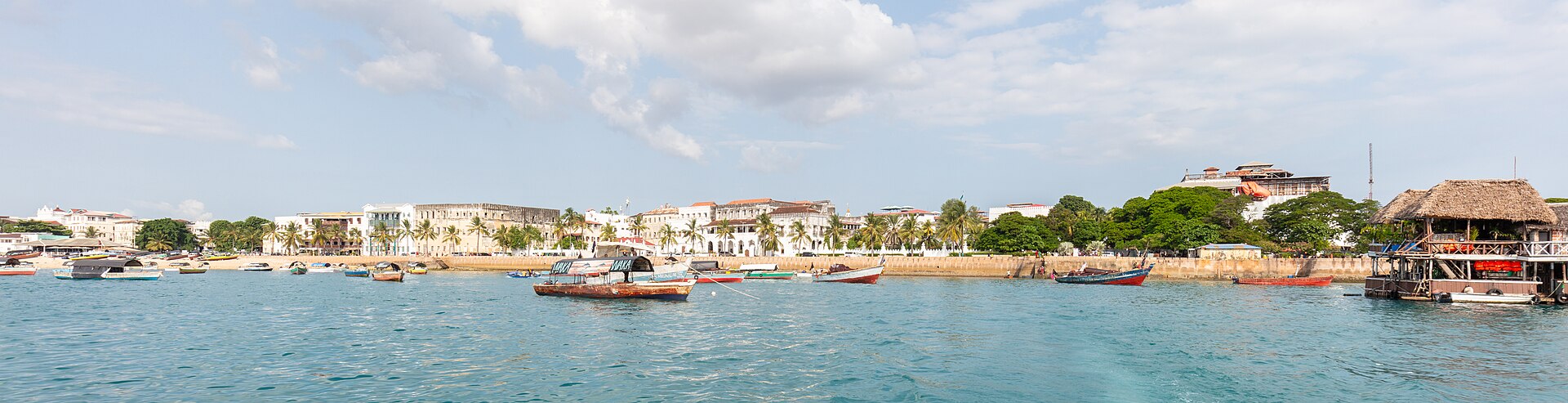
Safari scale, strong air links, and a Swahili-coast extension.
Choose Tanzania for classic safari structure; choose Madagascar for endemic species and singular habitats.
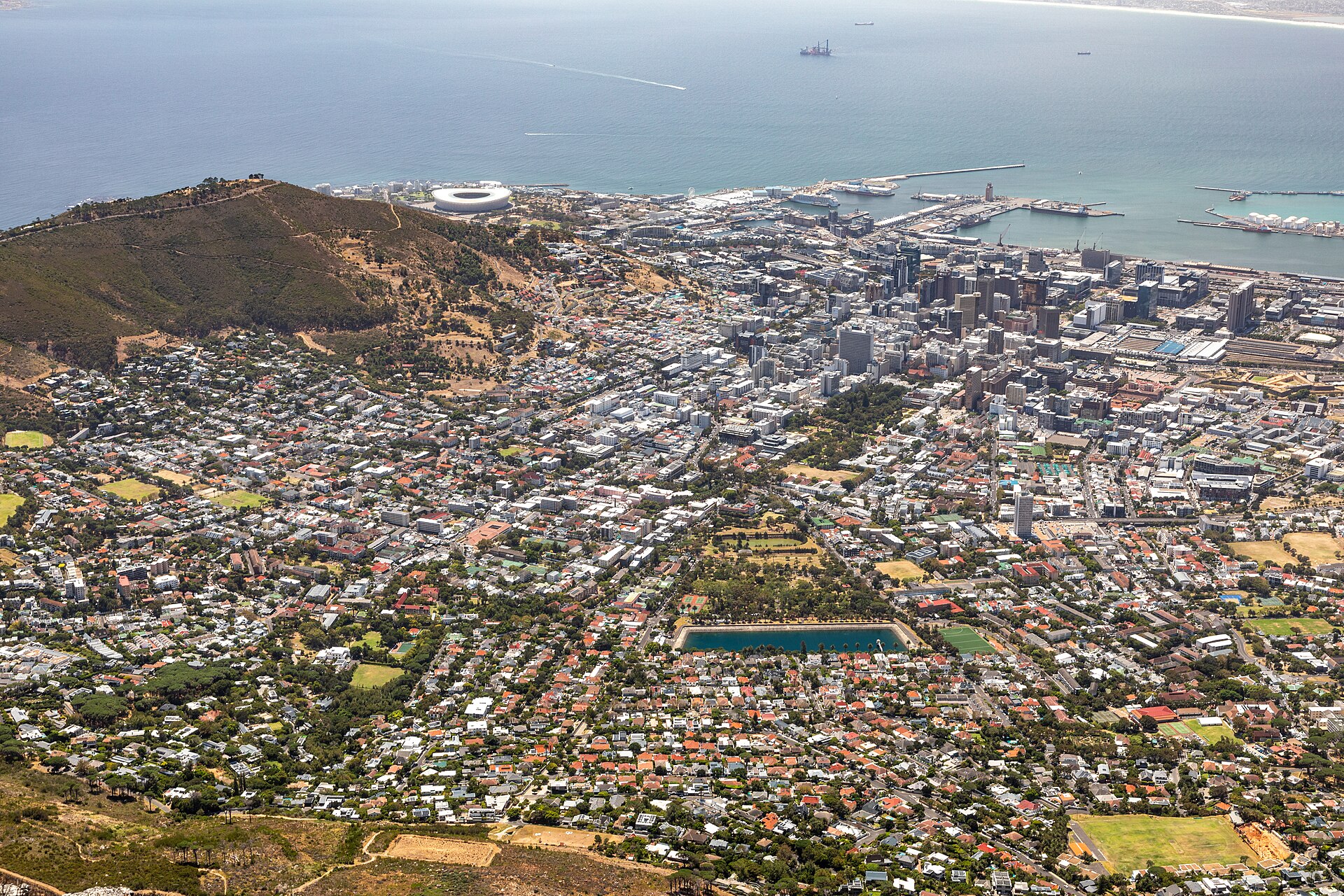
Cape Town, safari, and a high-infrastructure Southern Africa journey.
Choose South Africa for breadth and comfort; choose Madagascar for specialist nature and expeditionary roads.
Advisor note: Keep Madagascar distinct from neighboring countries and regional contexts.
Madagascar FAQ
Usually two purposeful ecosystems in ten to fourteen days. Adding a third region often needs two or three more nights plus a transport buffer.
Yes, but the west-east combination relies on domestic air or substantial backtracking through Antananarivo. It needs buffer time.
No. Species, season, weather, habitat, guide quality, and walking ability shape encounters; choose reserves around realistic targets.
Only when the wildlife route is already strong and the extra flight produces enough restorative nights to justify it.