
Advisor Starting Point
Bucharest
The Romanian Athenaeum, old center, Belle Époque fragments, communist-era history, contemporary culture, and strong dining deserve two or three nights.

Destination Guide
Transylvanian cities, castles with context, living rural traditions, painted monasteries, and vast Carpathian landscapes.
Romania needs a real route, not a Dracula checklist. Bucharest, Brașov, Sibiu, Sighișoara, Bucovina, Maramureș, the Carpathians, and the Danube Delta point in different directions. A strong journey uses private guiding and driving selectively while limiting long transfer days.
Travel styles
Experience Explorer
Choose the capital, Transylvanian city, castle, Saxon town, monastery route, and mountain landscape that should lead.
The Romanian Athenaeum, old center, Belle Époque fragments, communist-era history, contemporary culture, and strong dining deserve two or three nights.
Advisor insight
For a first trip, pair Bucharest with Brașov and Sibiu or Sighișoara. Add Bucovina, Maramureș, or the Delta only when the trip can support a separate regional chapter.
Traveler fit
Advisor guidance
Road distances often take longer than expected, and train quality varies by corridor. Bucharest, Transylvania, Bucovina, Maramureș, and the Delta cannot all be treated as nearby.
Bran's Dracula marketing can overshadow richer Saxon, royal, communist, Jewish, Roma, and rural histories. Expert context makes the destination more accurate and rewarding.
Common planning mistakes
Norma, Dock 10 Travel
Honest tradeoffs
Best Ways to Experience Romania
Bucharest works independently; Transylvania, monastery routes, scenic roads, and rural regions usually improve with a skilled driver-guide.
Best forFirst-time travelers wanting the capital, Brașov, Sibiu, Sighișoara, castles, and Saxon heritage.
Advisor noteUse a driver-guide between Transylvanian bases and choose Bran alongside stronger historical context.
Best forTravelers prioritizing Brașov, Sibiu, Sighișoara, fortified churches, villages, food, and landscapes.
Advisor noteLimit bases and use private touring for village clusters rather than changing hotels nightly.
Best forRepeat Europe travelers seeking painted monasteries, wooden churches, traditional villages, and living craft culture.
Advisor noteChoose one northern region on a shorter trip; both together require careful road or flight strategy.
Best forNature travelers wanting Carpathian hiking or wildlife and a separate Danube Delta wetland chapter.
Advisor noteUse ethical wildlife operators and understand that the mountains and Delta sit in different parts of the country.
Advisor-built trip ideas
Investment estimates are planning ranges per person, based on two travelers sharing, and exclude international airfare unless stated otherwise. Final pricing depends on travel dates, availability and the personalized itinerary.

9–11 days
Bucharest followed by Brașov, Bran and Peleș, Sibiu, and Sighișoara in a controlled first route.
Best for
First-time travelers wanting Romania's essential urban and Transylvanian contrast.
Typical investment
$5,500–$10,000 per person
Route
Bucharest → Sinaia and Brașov → Sighișoara → Sibiu
What makes it special
Capital context gives way to royal castles, Saxon squares, fortified landscapes, and Carpathian horizons.
Reality check
Do not add Bucovina or the Delta unless the trip has several more nights.
Advisor takeaway
Use a driver-guide for the castle and village corridor.
Investment context
Planning range per person, based on two travelers sharing accommodations. International airfare is excluded. Final pricing varies by season, hotel category, transportation, and private-guiding choices. Driven by Bucharest and Transylvania hotel category, private driver-guide days, castle entries, and season.

10–12 days
A slower route through Brașov, Sibiu, Sighișoara, villages, fortified churches, castles, and Carpathian scenery.
Best for
History, culture, and landscape travelers who prefer regional depth over the capital.
Typical investment
$6,500–$11,500 per person
Route
Brașov region → Sighișoara and villages → Sibiu region
What makes it special
Saxon urban heritage, living villages, castles, food, and mountain backdrops unfold without nightly moves.
Reality check
Village hospitality and luxury standards vary; hotel selection must be exact.
Advisor takeaway
Use two or three bases and day-tour outward.
Investment context
Planning range per person, based on two travelers sharing accommodations. International airfare is excluded. Final pricing varies by season, hotel category, transportation, and private-guiding choices. Driven by boutique regional hotels, private heritage guiding, village touring, transportation, and mountain activities.

11–14 days
Bucharest or Transylvania followed by Bucovina's painted monasteries and a focused Maramureș chapter when time allows.
Best for
Repeat Europe travelers prioritizing religious art, village traditions, and living heritage.
Typical investment
$7,500–$13,500 per person
Route
Bucharest or Transylvania → Bucovina → optional Maramureș
What makes it special
Painted monastery walls, wooden churches, crafts, and northern landscapes create Romania's most distinctive cultural extension.
Reality check
Bucovina and Maramureș involve long transfers; choose one unless the route has nearly two weeks.
Advisor takeaway
Use specialist local guides and high-quality rural stays.
Investment context
Planning range per person, based on two travelers sharing accommodations. International airfare is excluded. Final pricing varies by season, hotel category, transportation, and private-guiding choices. Driven by northern-region drivers, specialist monastery guiding, rural hotels, domestic transport, and seasonal road conditions.

12–15 days
Bucharest with a Carpathian landscape chapter and a separate Danube Delta lodge-and-boat experience.
Best for
Nature travelers wanting mountains, wetlands, wildlife, and regional food with expert support.
Typical investment
$9,000–$16,000 per person
Route
Bucharest → Carpathian base → Delta gateway and wetland lodge
What makes it special
Mountain panoramas and village food transition to reed channels, pelicans, boats, and vast wetland skies.
Reality check
The mountains and Delta are not adjacent; the route requires a flight, train, or long transfer strategy.
Advisor takeaway
Choose ethical wildlife and boat operators and match lodge access to mobility.
Investment context
Planning range per person, based on two travelers sharing accommodations. International airfare is excluded. Final pricing varies by season, hotel category, transportation, and private-guiding choices. Driven by private mountain transport, specialist nature guides, ethical wildlife activities, Delta boat and lodge standards, and season.
Travel Planning Center
Twenty practical decisions covering seasons, geography, driving, heritage, nature, and regional pairings.
Related Destinations

Budapest's grand Danube drama, thermal culture, and a countryside worth more than a passing glance.
Budapest, thermal baths, Danube architecture, Balaton, and wine country.
Budapest can pair with western Romania on a longer journey.
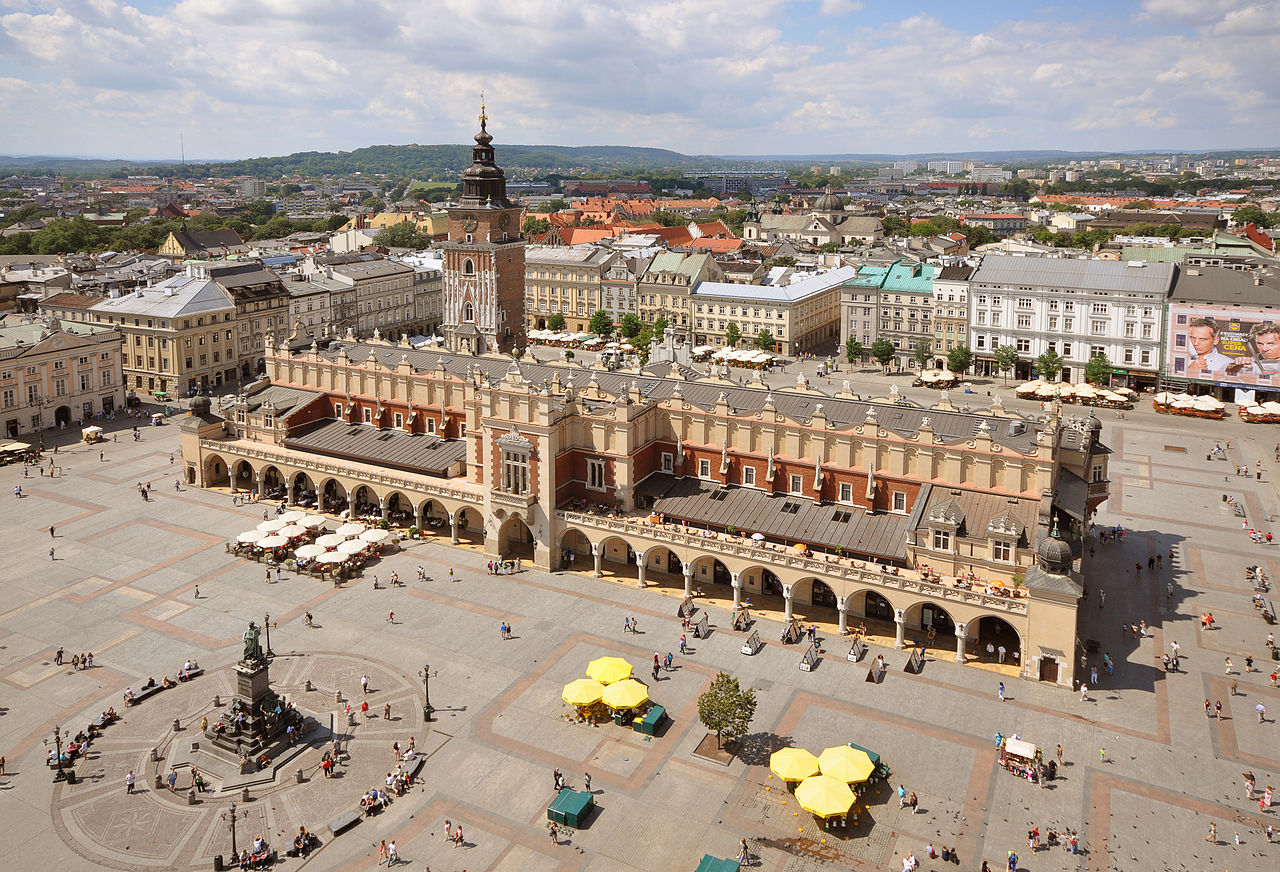
Royal cities, rebuilt capitals, Baltic heritage, monumental castles, living food culture, and wild landscapes.
Kraków, Warsaw, Gdańsk, castles, food, and Tatras.
Poland is a separate northern chapter better suited to a longer regional trip.
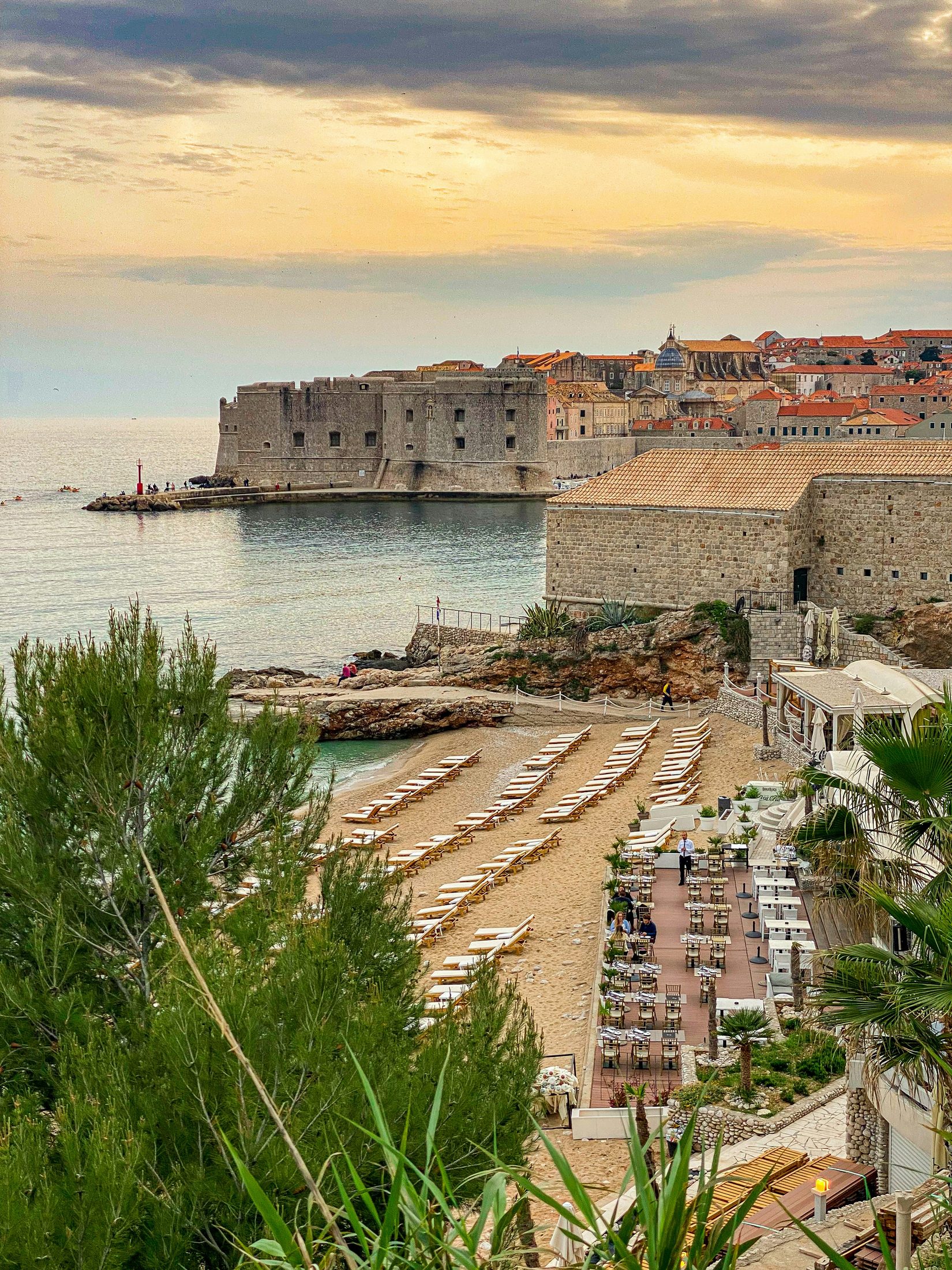
Adriatic coast, islands, Istria, and historic towns.
Choose Croatia for sea and islands; Romania for castles, mountains, and rural culture.

Istanbul. Cappadocia. Coast. Culture.
Istanbul, Cappadocia, archaeology, coast, food, and deeper cultural scale.
Use a direct flight and treat Turkey as a distinct second journey.
Advisor note: Hungary is the cleanest regional pairing, but Romania itself needs substantial time. Do not dilute Transylvania or a northern extension for a country-count itinerary.
Romania FAQ
Plan nine to eleven days for Bucharest and classic Transylvania. Twelve to fifteen days can add Bucovina, Maramureș, a mountain chapter, or the Danube Delta.
Bucharest provides national, royal, communist, and contemporary context. Transylvania offers Brașov, Sibiu, Sighișoara, castles, villages, and Carpathian scenery. Strong first trips often include both.
Yes when travelers understand its royal history, architecture, setting, crowds, and limited connection to the Dracula story. Pair it with stronger regional context rather than making it the whole trip.
A driver-guide is highly valuable for Transylvanian villages, castle combinations, Transfăgărășan, Bucovina, Maramureș, and mobility needs. Selected city corridors can work by rail.
The high road is seasonal and weather-dependent. Verify current official opening, closures, construction, traffic, and conditions immediately before travel and keep an alternate route.