
Advisor Starting Point
Lucerne & Lake Lucerne
Chapel Bridge, the Water Tower, lake steamers, Mount Pilatus, Mount Rigi, and a compact old town make Lucerne the most useful first Swiss base.

Destination Guide
Lakes, landmark peaks, and rail journeys with purpose.
Switzerland feels effortless only when its lake cities, car-free mountain villages, panoramic railways, and weather-sensitive excursions are sequenced with discipline. The best first journey chooses a clear alpine focus and limits hotel changes.
Travel styles
Experience Explorer
Choose the lake, mountain region, railway, and cultural rhythm that should define the journey.
Chapel Bridge, the Water Tower, lake steamers, Mount Pilatus, Mount Rigi, and a compact old town make Lucerne the most useful first Swiss base.
Advisor insight
Lucerne plus either the Jungfrau Region or Zermatt creates a coherent first trip. Add Montreux, St. Moritz, or another alpine base only when the available nights protect meaningful time in each place.
Traveler fit
Advisor guidance
Distances look short, but changing between lake hotels, valley railways, cable cars, mountain trains, and car-free villages takes real time. A smooth itinerary is built around station access and luggage, not only map distance.
Mountain views and high-altitude excursions are never weather-proof. Build more than one rewarding option into Lucerne, the Jungfrau Region, Zermatt, and Engadin stays.
Common planning mistakes
Norma, Dock 10 Travel
Honest tradeoffs
Best Ways to Experience Switzerland
Rail leads most Swiss journeys, while selective private transfers, ordinary intercity trains, and mountain reservations solve different planning problems.
Best forTravelers comfortable with stations who want Lucerne, Interlaken, Wengen, Mürren, Zermatt, Montreux, or St. Moritz without a rental car.
Advisor noteCompare point-to-point fares with the Swiss Travel Pass after the route and mountain excursions are known.
Best forTravelers who want the Glacier Express, Bernina Express, or GoldenPass to become part of the trip's emotional center.
Advisor noteA branded panoramic train is not automatically better than ordinary trains; compare daylight, direction, stops, reservation rules, and luggage.
Best forTravelers who want rail efficiency with luggage service, station assistance, private guiding, or selective transfers.
Advisor noteUse private support where it removes friction rather than duplicating Switzerland's strongest rail corridors.
Best forTravelers who want Swiss rail and mountains followed by Lake Como, Milan, or another focused northern Italy chapter.
Advisor noteProtect sufficient nights in both countries and choose the border crossing for the actual Swiss endpoint.
Advisor-built trip ideas
Investment estimates are planning ranges per person, based on two travelers sharing, and exclude international airfare unless stated otherwise. Final pricing depends on travel dates, availability and the personalized itinerary.

7–9 days
A disciplined first route pairing Lucerne's lake and old town with Lauterbrunnen, Wengen, Mürren, or Grindelwald.
Best for
First-time visitors who want classic Swiss variety without excessive hotel changes.
Typical investment
$5,500–$9,500 per person
Route
Zurich gateway → Lucerne → Jungfrau Region
What makes it special
Lake steamers, Chapel Bridge, waterfalls, car-free villages, and Eiger–Mönch–Jungfrau scenery create two complementary chapters.
Reality check
Choose one Jungfrau base; sleeping in Interlaken and multiple mountain villages adds avoidable transfers.
Advisor takeaway
Keep a flexible mountain day for the best available weather.
Investment context
Planning range per person, based on two travelers sharing, excluding international airfare. Final pricing varies by season, hotel category, transportation, and private-guiding choices. Driven primarily by Lucerne and Jungfrau-region hotel category, mountain-rail excursions, private guiding, and peak summer or festive-season demand.

9–11 days
Lucerne and the Jungfrau Region followed by a deliberate Matterhorn finale in Zermatt.
Best for
Travelers who want both major first-trip alpine regions and can support three bases.
Typical investment
$7,500–$12,500 per person
Route
Lucerne → Jungfrau Region → Zermatt
What makes it special
The route builds from lake scenery to waterfall valleys and finishes with the unmistakable Matterhorn.
Reality check
Weather can obscure the Matterhorn, and each base needs enough time to justify the transfer.
Advisor takeaway
Use luggage forwarding selectively and protect two or three Zermatt nights.
Investment context
Planning range per person, based on two travelers sharing, excluding international airfare. Final pricing varies by season, hotel category, transportation, and private-guiding choices. Driven by the number of alpine bases, Zermatt hotel category, luggage handling, reserved mountain excursions, and seasonal demand.

10–12 days
A rail-led crossing that links Lake Lucerne, the Matterhorn, the Glacier Express corridor, and Engadin.
Best for
Rail enthusiasts who want the journey itself to be a principal experience.
Typical investment
$9,000–$15,000 per person
Route
Lucerne → Zermatt → Glacier Express corridor → St. Moritz
What makes it special
Lake, high Alps, the Rhine watershed, the Landwasser railway landscape, and Engadin unfold without a rental car.
Reality check
The full Glacier Express is long; compare ordinary trains or a partial panoramic segment when flexibility matters more.
Advisor takeaway
Reserve the scenic segment only after confirming direction, daylight, class, and hotel sequence.
Investment context
Planning range per person, based on two travelers sharing, excluding international airfare. Final pricing varies by season, hotel category, transportation, and private-guiding choices. Driven by panoramic-rail class and reservations, Zermatt and St. Moritz accommodations, luggage service, and private touring around major rail stops.

12–14 days
A broad but controlled route connecting central Switzerland, the Bernese Alps, Lake Geneva, and the Matterhorn.
Best for
Travelers with two weeks who want French-speaking Switzerland and both major mountain regions.
Typical investment
$11,000–$18,000 per person
Route
Lucerne → Jungfrau Region → Montreux and Lavaux → Zermatt
What makes it special
Chapel Bridge, waterfall valleys, Lavaux vineyards, Château de Chillon, and the Matterhorn create distinct regional chapters.
Reality check
Four bases are the practical maximum; adding Zurich or St. Moritz would weaken the route.
Advisor takeaway
Use GoldenPass connections where they support the sequence, not simply for the brand name.
Investment context
Planning range per person, based on two travelers sharing, excluding international airfare. Final pricing varies by season, hotel category, transportation, and private-guiding choices. Driven by four-region routing, Lake Geneva and alpine hotel categories, mountain excursions, private guiding, and premium summer demand.
Travel Planning Center
Twenty practical decisions covering season, rail, luggage, mountain access, hotels, mobility, cost, and international combinations.
Related Destinations
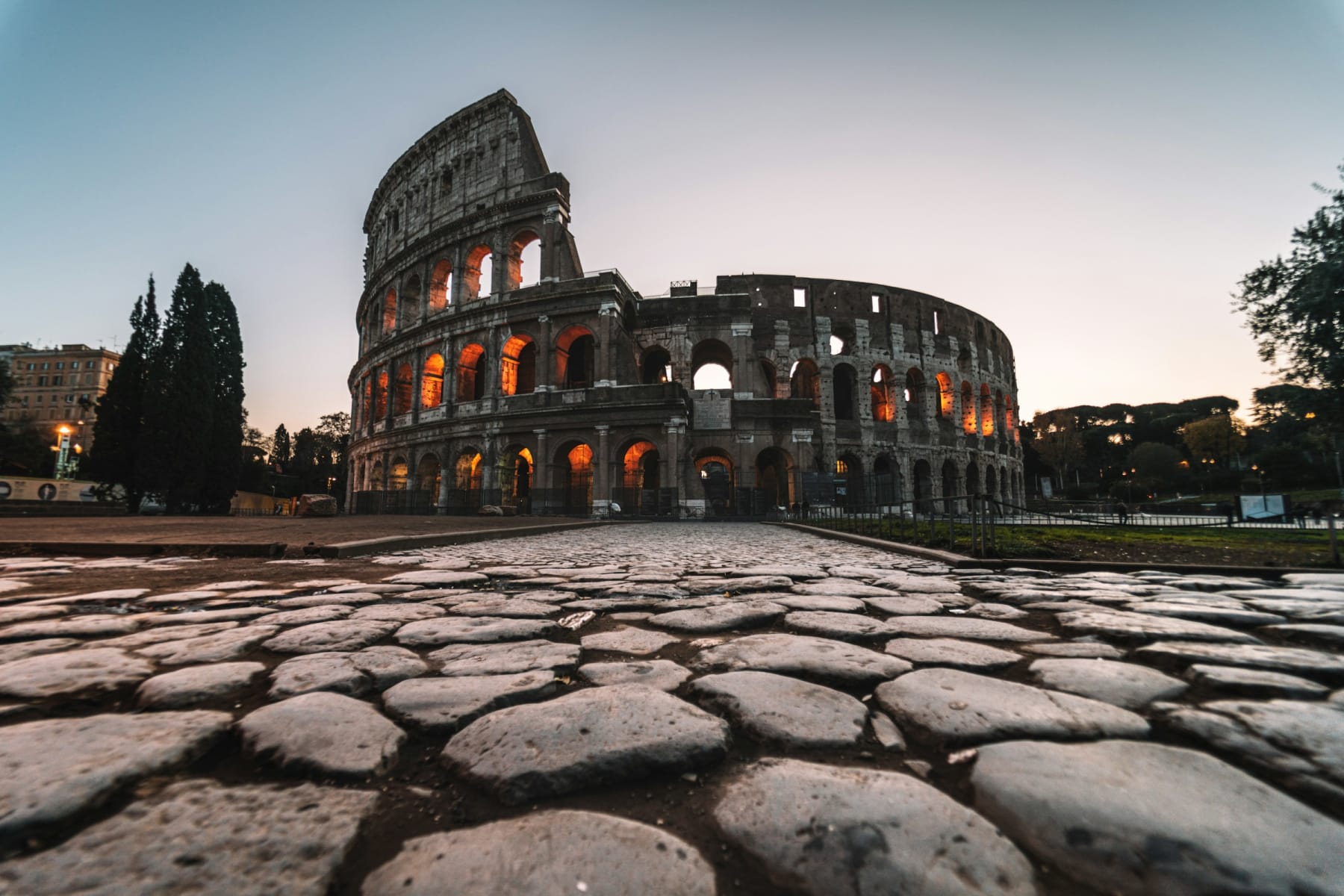
Food. Art. Coastlines. Timeless.
Art, food, cities, lakes, and regional variety south of the Alps.
Pair Zermatt or Ticino with northern Italy when the crossing supports the route and both countries receive enough nights.
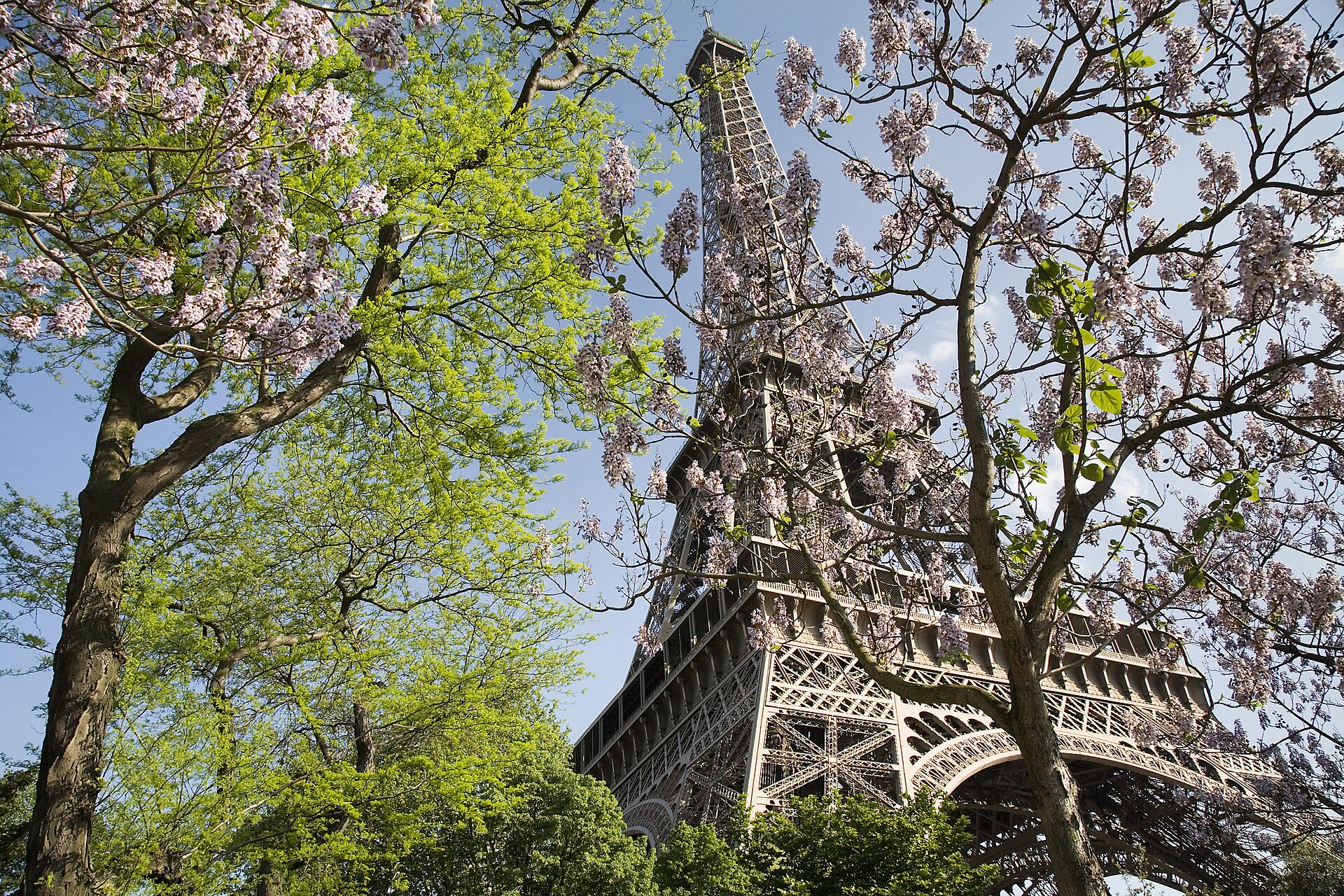
Paris, food, wine, countryside, art, and Lake Geneva connections.
Pair Montreux or Geneva with France when French-speaking Switzerland and a focused French chapter create useful contrast.

Fjords, Northern Lights, and midnight sun — timing changes everything.
Fjords, coastal voyages, scenic rail, and larger-scale northern landscapes.
Choose Norway for fjord and coast drama; choose Switzerland for denser rail, lake towns, and compact mountain access.
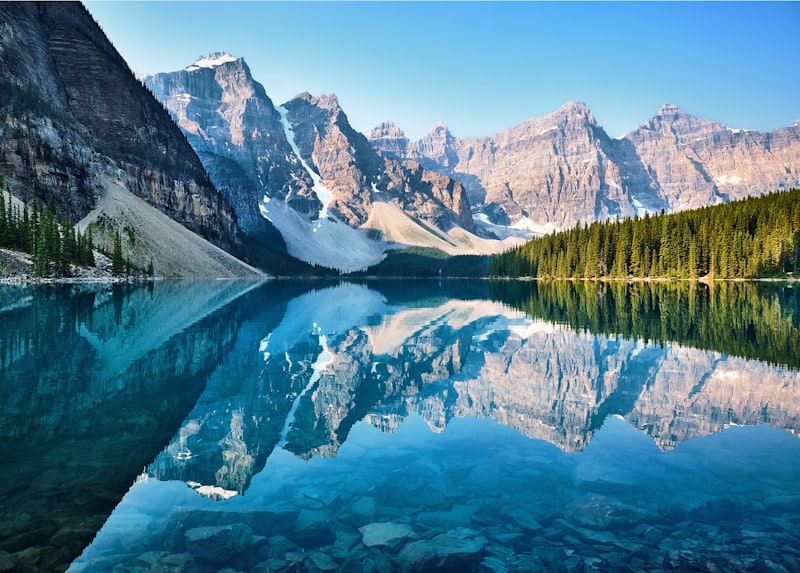
Rockies, wilderness scale, wildlife, road touring, and long-distance rail.
Choose Canada for wilderness scale; choose Switzerland for car-free villages, polished rail integration, and compact regional variety.
Advisor note: Switzerland can fill two weeks without another country. Add a pairing only when the crossing is logical and the combined route avoids one-night stops.
Switzerland FAQ
Plan seven to nine days for Lucerne plus one mountain region. Ten to fourteen days can support two or three major regions, but every additional base reduces weather flexibility and time on the ground.
Choose the Jungfrau Region for interconnected villages, waterfalls, varied excursions, and Eiger–Mönch–Jungfrau scenery. Choose Zermatt when the Matterhorn and one polished car-free base should define the trip.
Most classic routes do not. Lucerne, Interlaken, Wengen, Mürren, Zermatt, Montreux, and St. Moritz connect well by rail, and several mountain villages are car-free. A car helps only for selected rural routes outside the network.
They can be, but compare schedule, class, reservation cost, meal expectations, daylight, and ordinary regional alternatives. The Glacier Express, Bernina Express, and GoldenPass solve different route goals.
It can be, but station stairs, platform changes, steep villages, cobblestones, altitude, snow, cable cars, mountain railways, and hotel access vary. Review the exact route and assistance options before booking.