Advisor Starting Point
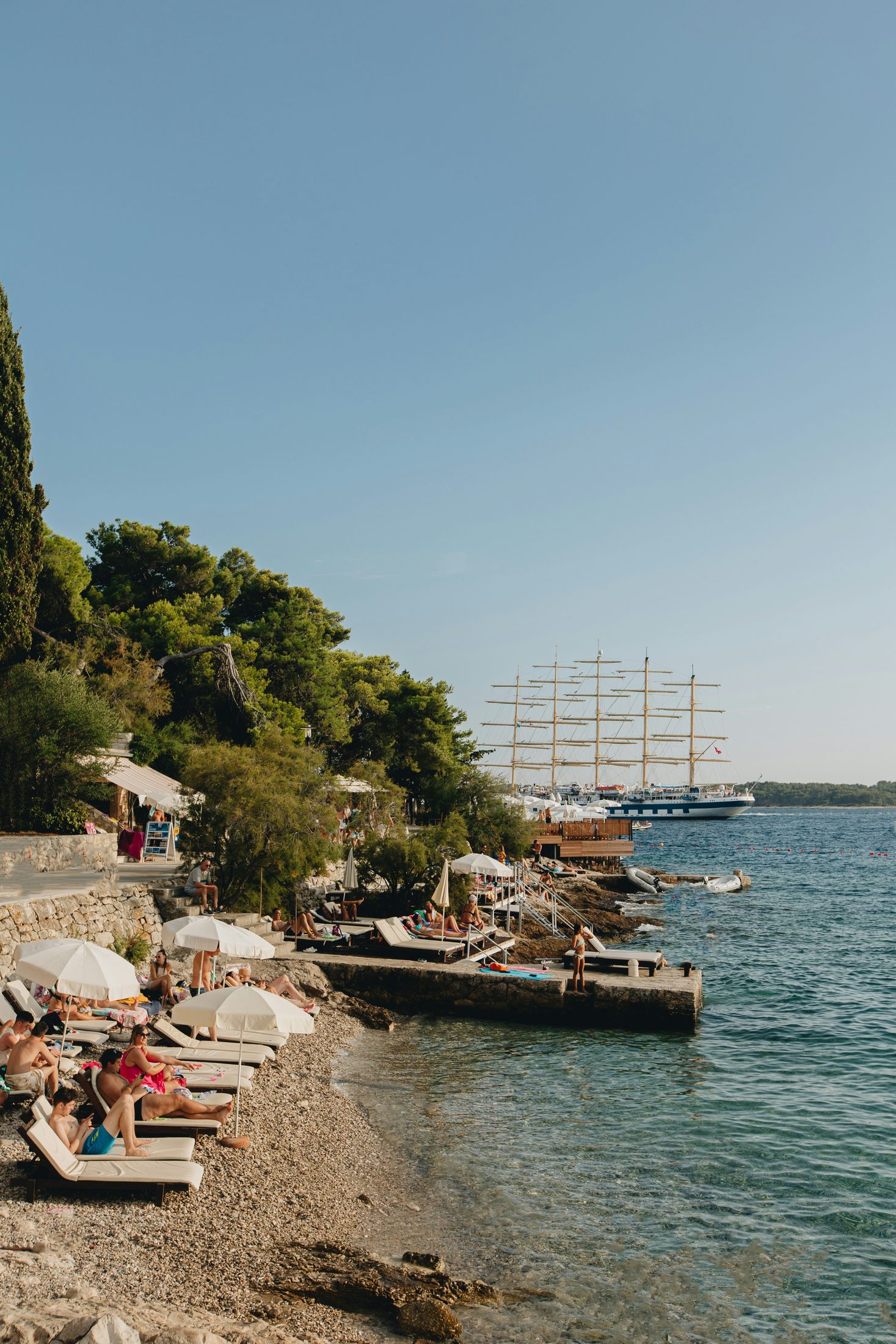
Adriatic Swimming
Clear water, pebble coves, swim platforms, and boat-accessed pauses along the coast.
Destination Guide
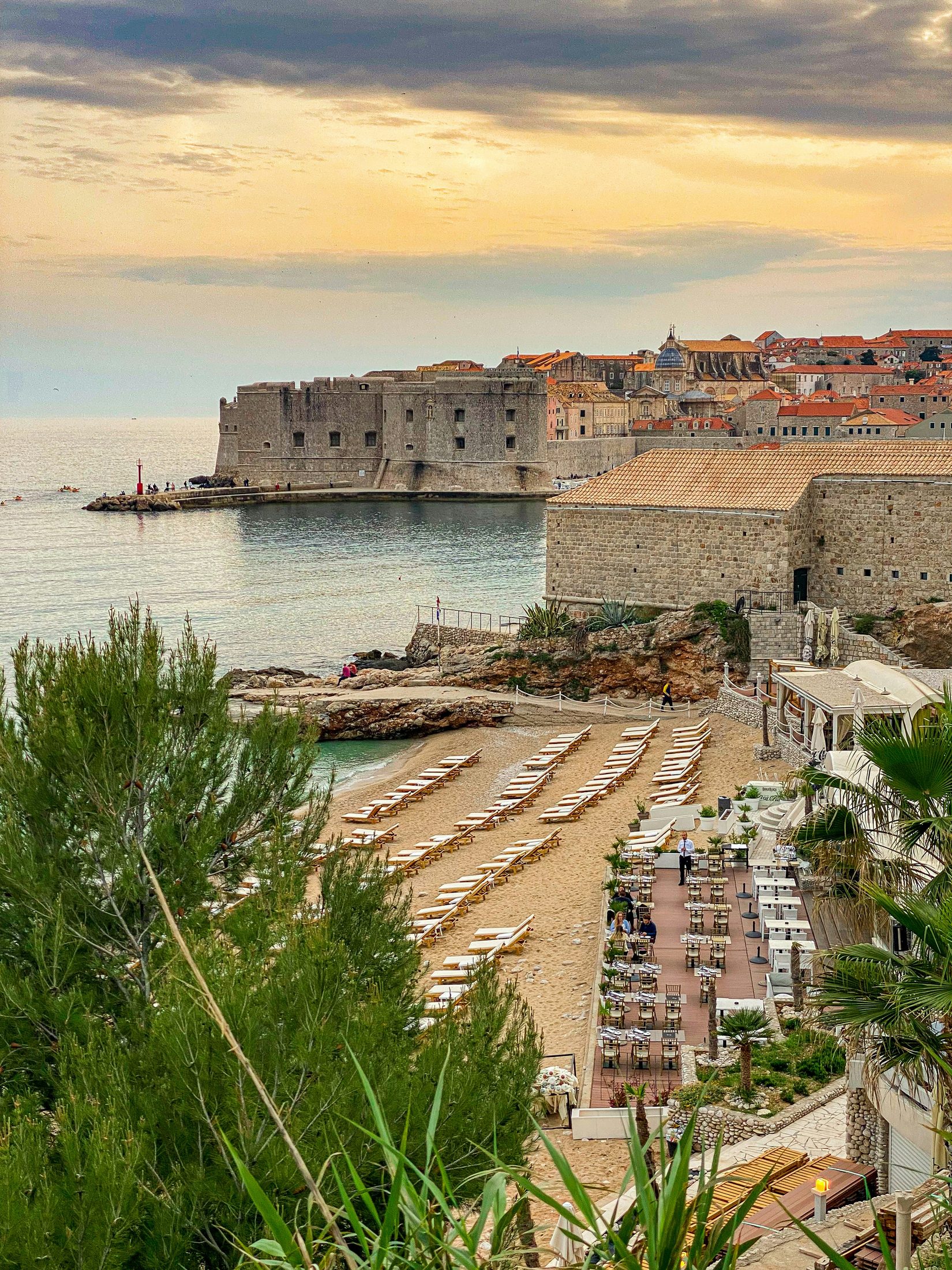
Stone towns. Clear water. A coast worth slowing down for.
Croatia connects historic coastal cities, islands, food, wine, and Adriatic water in a route that can feel effortless when transfers are edited carefully. The strongest trip chooses a clear rhythm instead of collecting every famous stop.
Travel styles
Experience Explorer
Choose the experience that should lead. It determines the route, number of moves, and whether the mainland, islands, or northern food country deserves more time.
Clear water, pebble coves, swim platforms, and boat-accessed pauses along the coast.
Advisor insight
Dubrovnik is a dramatic anchor, but Split, the islands, Istria, inland nature, and time on the water create different vacations. A good plan gives one or two of those layers enough room to matter.
Traveler fit
Advisor guidance
Croatia is compact on a map but not frictionless. Ferry schedules, summer traffic, hotel access, luggage, and long coastal drives can turn an ambitious route into a string of transfer days.
Its beaches are commonly pebble or rock rather than long soft-sand strands. Clear, often calm water is the appeal; water shoes and realistic access expectations can make swim days more comfortable.
Common planning mistakes
Norma, Dock 10 Travel
Honest tradeoffs
Advisor Guidance
The right format depends on how much water time, independence, guided context, or unpack-once ease belongs in the trip.
Best forFirst-time travelers who want Dubrovnik, Split, and one carefully chosen island with private support.
Advisor noteOften the strongest introduction when hotels, transfer days, and island timing are sequenced around a realistic coastal rhythm.
Best forTravelers who value swim stops, smaller harbors, and unpack-once access to several islands.
Advisor noteReview vessel size, cabin category, schedule, included excursions, and port time. A small ship is not the same experience as a private yacht or a large ocean cruise.
Best forTravelers who want a flexible day on the water without committing the whole trip to a sailing format.
Advisor noteA private day can reach coves and islands at a personal pace, while a multi-day charter adds cabin, crew, provisioning, and weather decisions of its own.
Best forCouples and repeat Europe travelers who want Istria or Dalmatia to unfold through meals, wine, and boutique stays.
Advisor noteThis route works best when culinary regions shape the itinerary rather than being squeezed between long coastal transfers.
Advisor-built trip ideas
Each route protects a different priority and uses planning ranges for advisor guidance rather than live pricing.
8–10 days
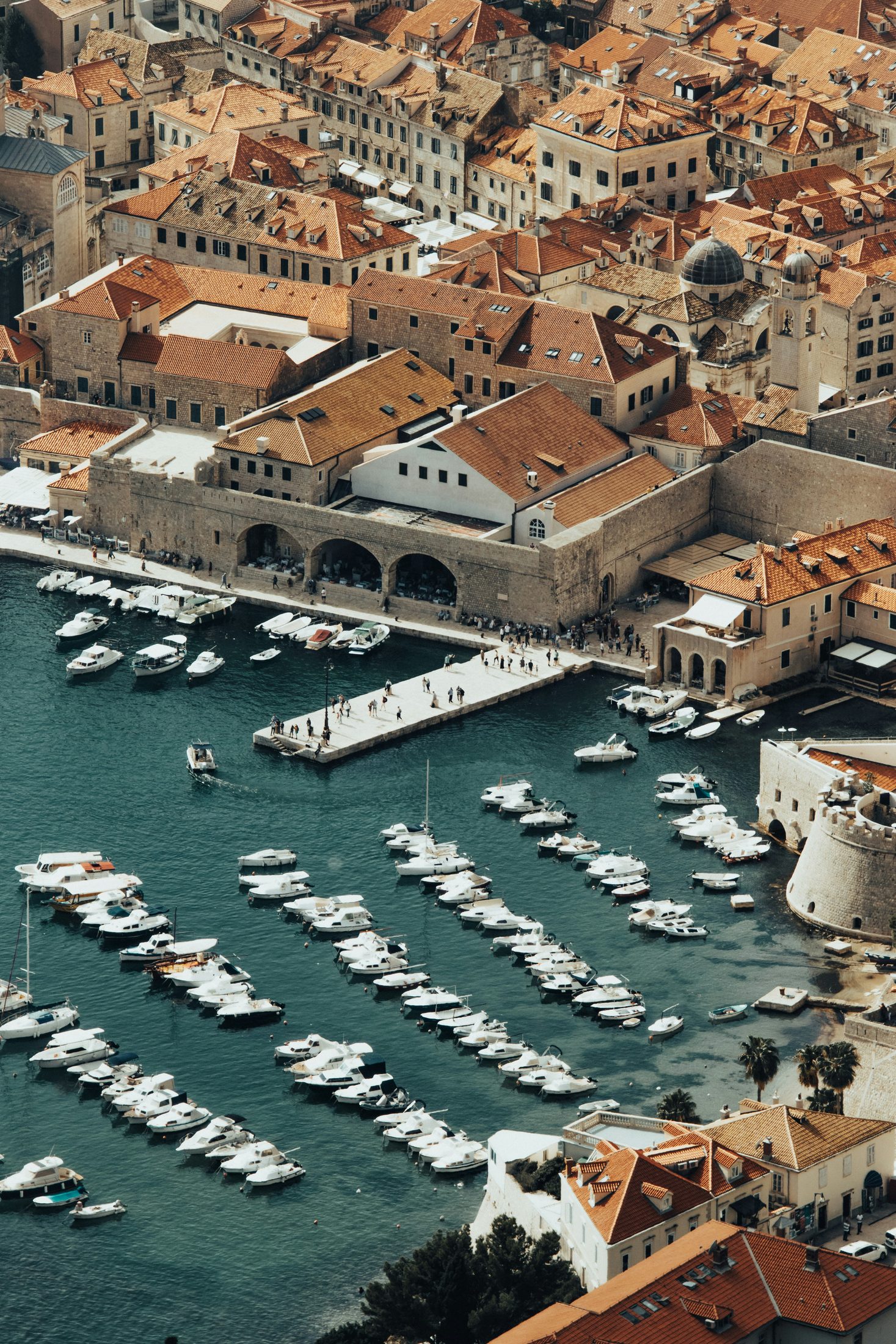
Dubrovnik, Split, and one island paced so the coast feels layered rather than logistical.
Best for
First-time Croatia travelers who want old towns, clear water, food, and one well-chosen island stay.
Typical investment
From $3,800–$7,000 per person
Route
Dubrovnik → Split → Hvar or Korčula
What makes it special
Historic coastal towns balanced with island time and enough breathing room for dinners, swims, and private guiding.
Reality check
Adding every famous island can turn Croatia into a ferry schedule instead of a vacation.
Advisor takeaway
Croatia works beautifully when the route is edited. The goal is not more stops; it is the right coastal rhythm.
Investment context
Based on two travelers sharing accommodations. International airfare is excluded. Final investment varies by season, hotel level, private guiding, transfers, ferry routing, and room category.
7–8 days
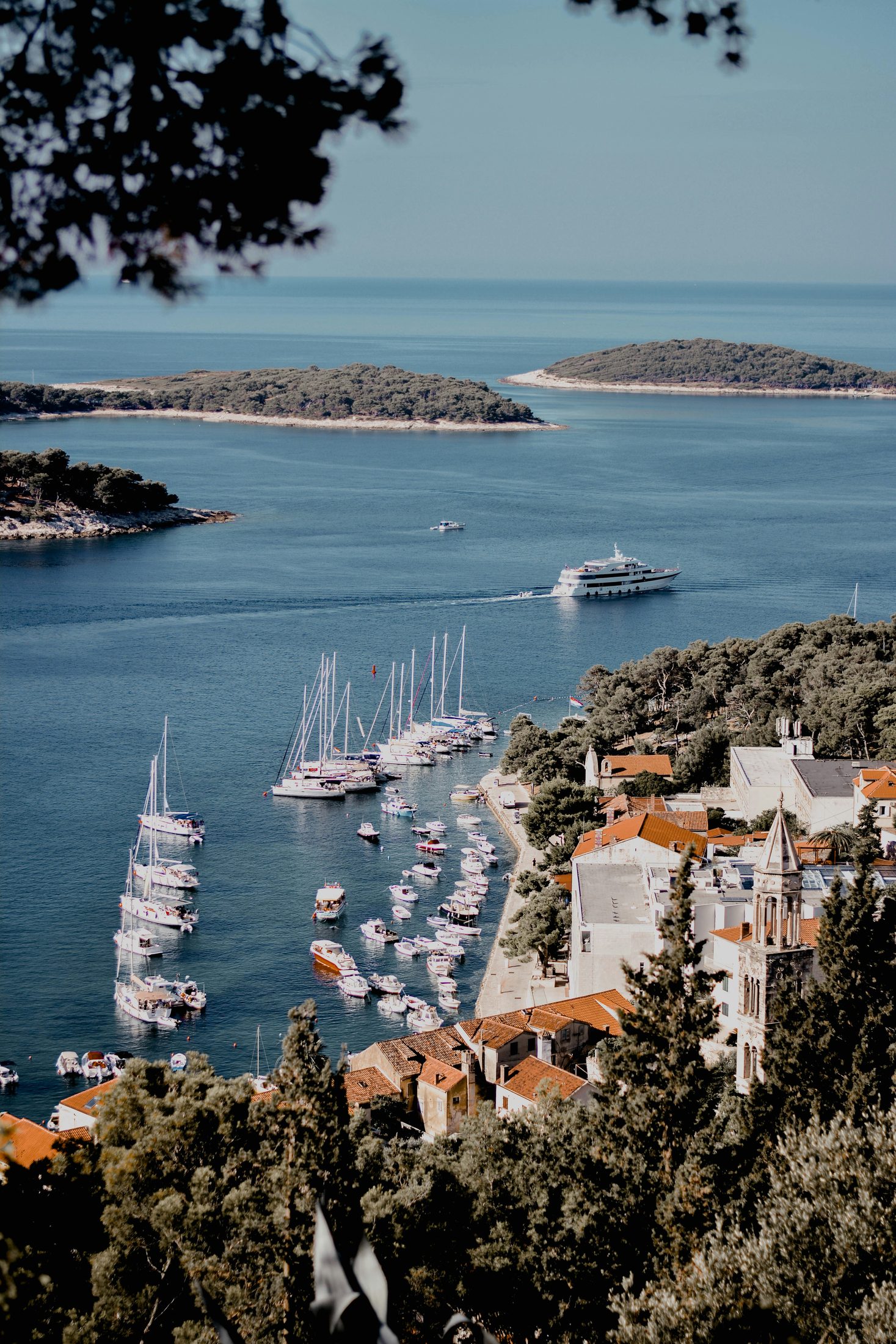
A water-led route with smaller harbors, swim stops, and coastal towns handled without unpacking every night.
Best for
Travelers who want island access, swimming, and an intimate Adriatic rhythm aboard a small ship.
Typical investment
From $5,500–$10,000 per person
Route
Split or Dubrovnik → Dalmatian islands → smaller harbors → coastal finish
What makes it special
The ship makes the sea part of the route while connecting distinct coastal stops.
Reality check
Small-ship itineraries vary by vessel, cabin, schedule, and inclusions; they should not be presented as private yacht charters.
Advisor takeaway
Review the ship and sailing pattern as carefully as the destination list.
Investment context
Based on two travelers sharing accommodations. International airfare is excluded. Final investment depends on ship category, cabin type, sailing date, included excursions, pre- or post-cruise stays, and private transfers.
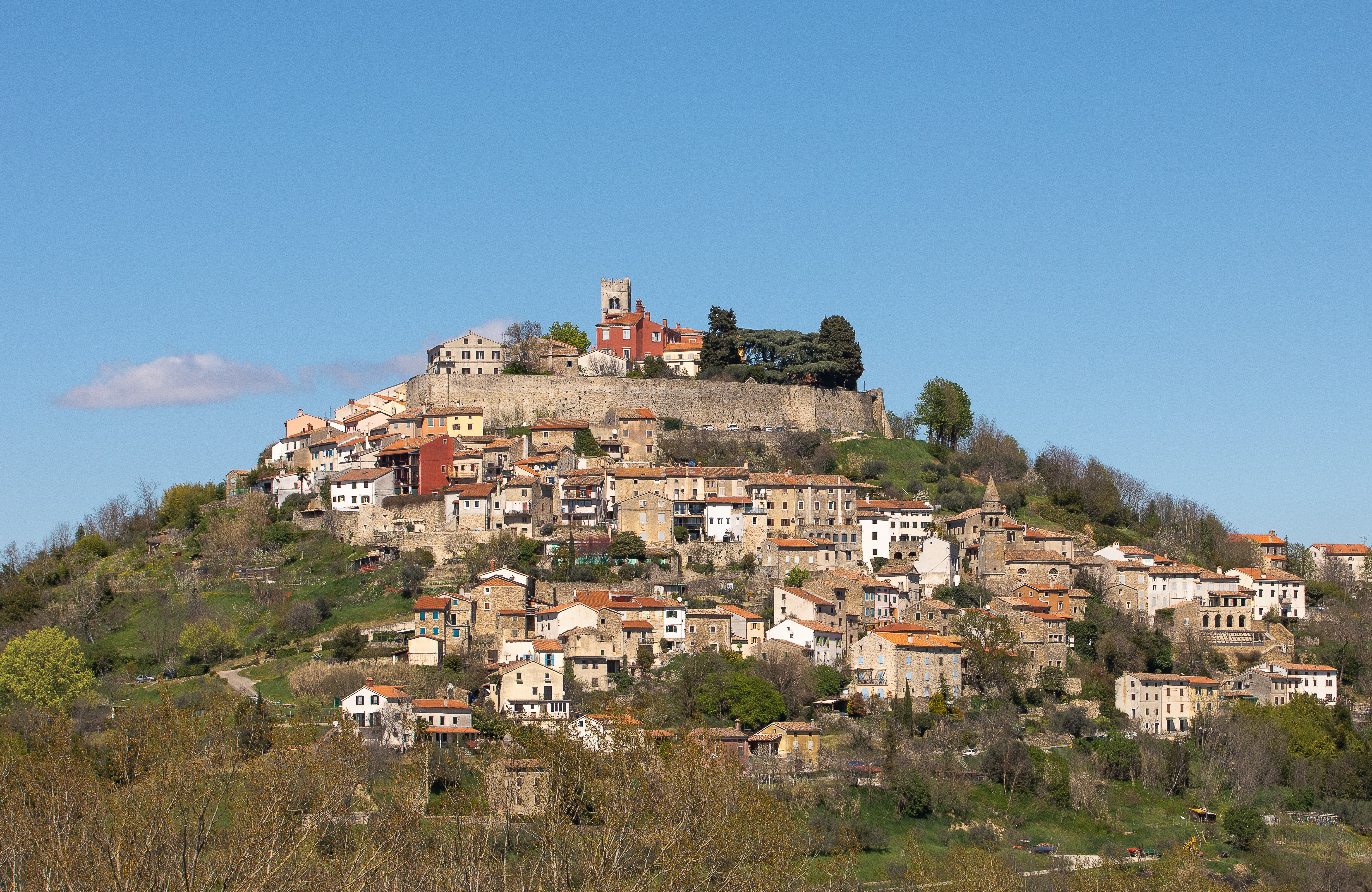
9–11 days
A slower journey pairing a focused coastal chapter with Istria's wine, truffles, hill towns, and dining.
Best for
Couples, food lovers, anniversary travelers, and repeat Europe guests who want Croatia beyond the best-known coast.
Typical investment
From $4,800–$8,500 per person
Route
Focused Adriatic coast → Istria → Rovinj, hill towns, wineries, and coastal dining
What makes it special
Seafood, olive oil, truffles, wine, and old towns create a more textured Croatian journey.
Reality check
Istria deserves real time and should not be reduced to a rushed transfer day.
Advisor takeaway
Give Istria enough nights for Rovinj, countryside, wine, and meals to feel like a real chapter rather than a rushed add-on.
Investment context
Based on two travelers sharing accommodations. International airfare is excluded. Final investment varies by boutique hotel level, private transportation, culinary experiences, winery visits, private guiding, and season.
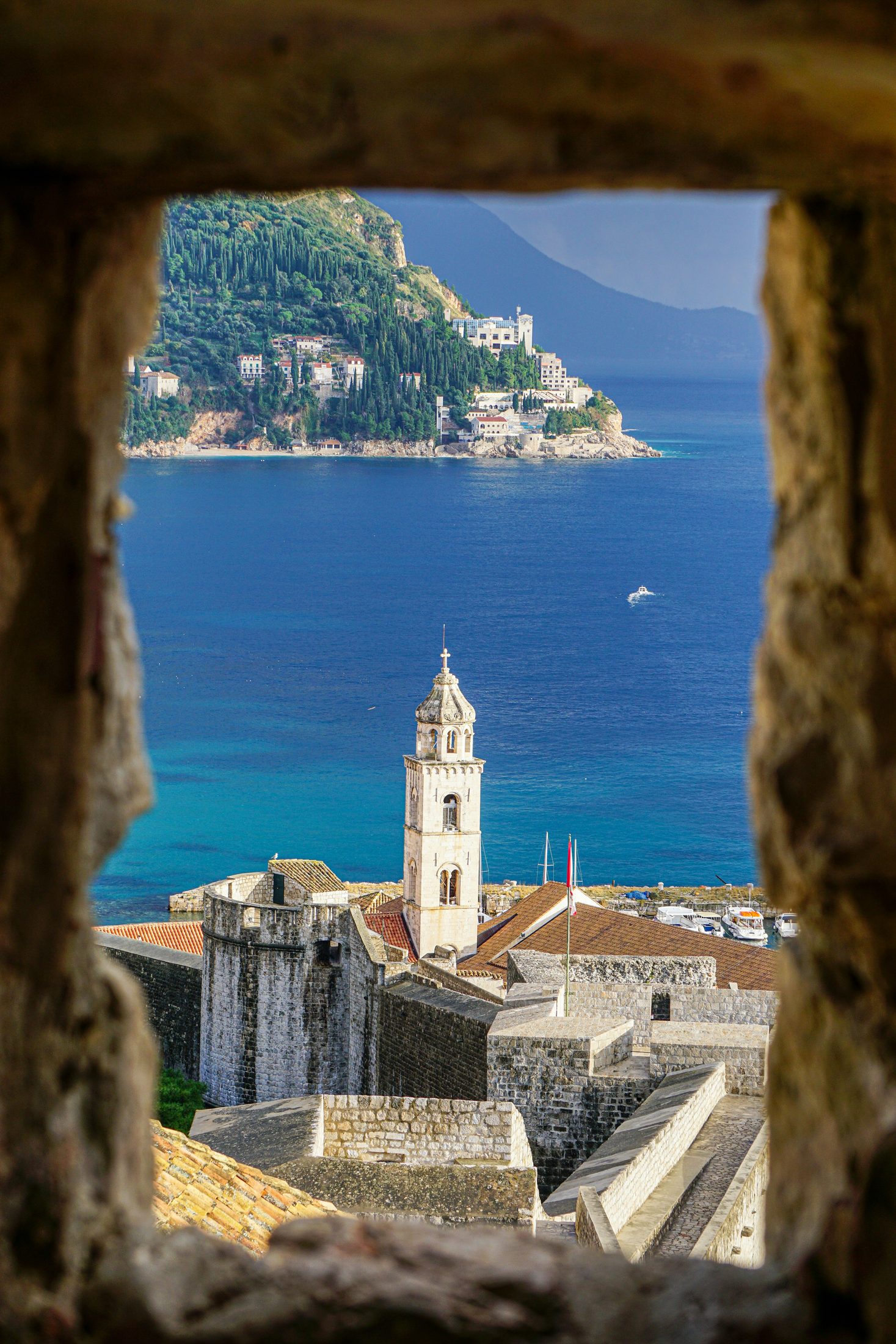
10–12 days
A Croatia-only route pairing northern food country or Zagreb with Split, one island, and a measured Dubrovnik finish.
Best for
Travelers who want Croatia's inland and northern contrasts without sacrificing a focused Adriatic chapter.
Typical investment
From $5,500–$9,500 per person
Route
Zagreb or Istria → Split → one Dalmatian island → Dubrovnik
What makes it special
City culture, food country, island time, and the southern walled coast reveal distinct Croatian personalities.
Reality check
The route crosses real distance; use strategic private transfers or a domestic connection rather than treating every stop as adjacent.
Advisor takeaway
Choose either Zagreb or Istria as the northern chapter, then protect enough nights for the coast to remain a vacation rather than a transfer plan.
Investment context
Based on two travelers sharing accommodations. International airfare is excluded. Final investment depends on routing, private transfers, rail or driver arrangements, hotel category, guided experiences, and season.
Travel Planning Center
Twenty practical decisions covering season, transport, stays, experiences, and travel logistics.
Related Destinations

Alpine lakes, an easygoing capital, emerald valleys, wine country, and an Adriatic finale in one remarkably compact journey.
Ljubljana, Lake Bled, alpine scenery, and a compact contrast to the Adriatic.
Pair it with Croatia when the trip has enough time for a distinct alpine chapter.
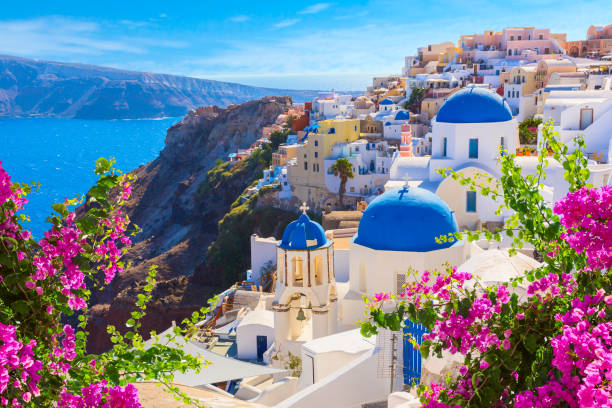
Islands, history, and sunsets — but the way you do it changes everything.
Iconic islands, ancient sites, tavernas, and a strongly Aegean rhythm.
Choose Greece for a more island-led trip; choose Croatia for connected coastal towns and Adriatic logistics.
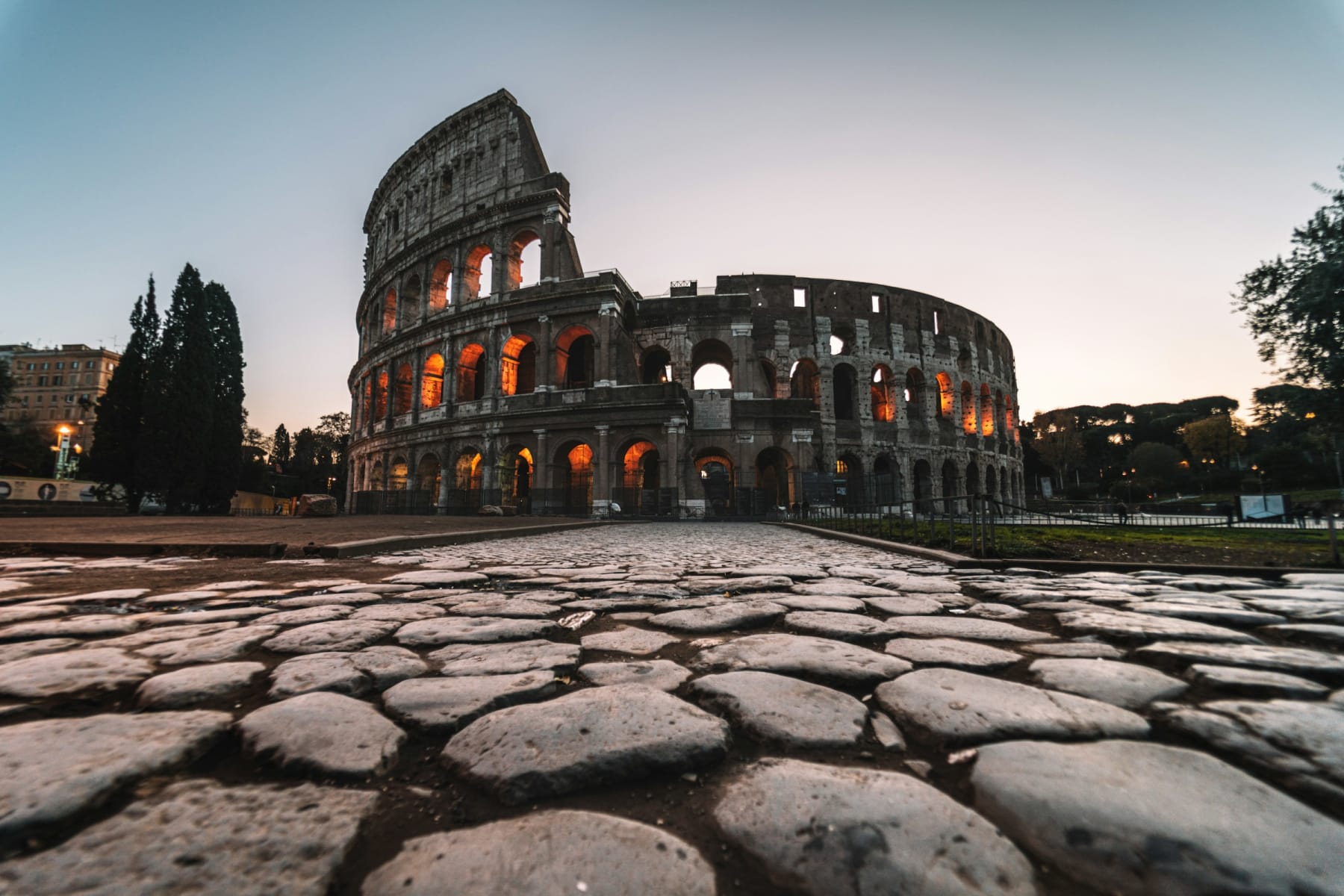
Food. Art. Coastlines. Timeless.
Art, food, iconic cities, countryside, and broad cultural depth.
Italy offers greater scale; Croatia can feel more focused around coast, islands, and water.

A dramatic Adriatic bay, fortified stone towns, island churches, mountain roads, and a compact coast that rewards unhurried travel.
Bay scenery, mountain-backed coast, and a compact Adriatic extension.
Montenegro works best as a deliberate chapter, not a border-crossing day added only to collect another country.
Advisor note: Croatia stands comfortably on its own. Add Slovenia, Montenegro, Italy, or Greece only when the connection protects a meaningful chapter in each destination.
Croatia FAQ
Plan 8–10 days for Dubrovnik, Split, and one focused island chapter. Use 10–14 days when adding Istria, inland nature, a deeper island route, or a carefully limited Slovenia pairing.
May through June and September usually balance warm coastal conditions with lighter crowds. July and August bring peak island energy and broad schedules, along with heat, demand, and higher prices.
A small ship can suit travelers who value swim stops, smaller harbors, and unpack-once island access. A land journey offers greater hotel choice and deeper city stays, while a private yacht is a separate charter product with different control and cost.
Many Croatian beaches and swim spots are pebble or rock rather than soft sand. The clear Adriatic water is the draw; water shoes and a realistic check of beach, ladder, or path access can improve comfort.