Advisor Starting Point
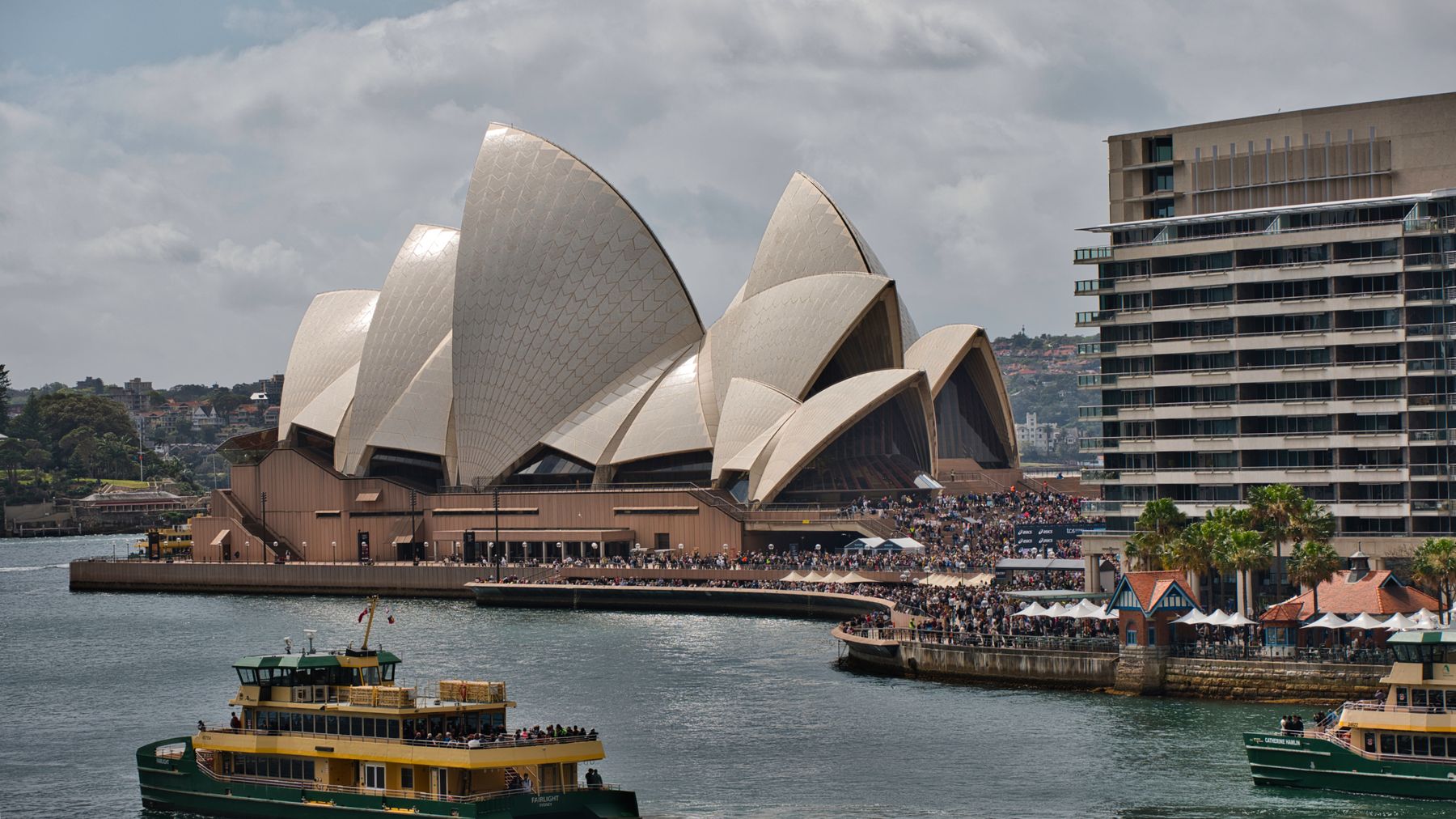
Sydney
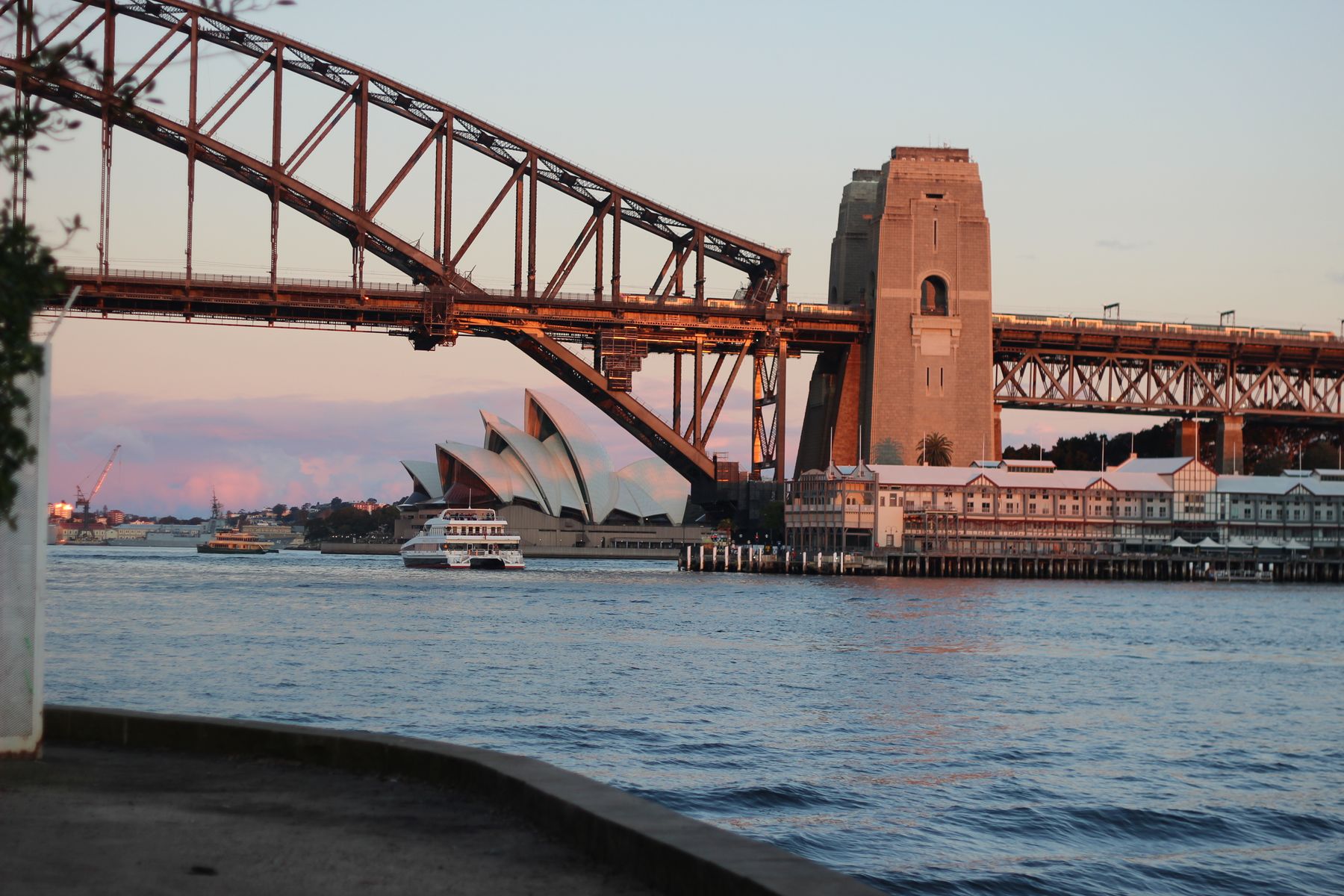
Harbour ferries, the Opera House, coastal walks, dining, beaches, and design make Sydney a strong arrival chapter rather than a quick landmark stop.
Destination Guide
Iconic harbours, living reefs, ancient Country, remarkable wildlife, and distances that reward a deliberate route.
Australia is a continent-sized journey, not a single circuit. Decide whether the east coast, Red Centre, southern food and wildlife, or a New Zealand pairing deserves priority before booking domestic flights.
Travel styles
Experience Explorer
Choose the city, reef, desert, food, coast, wildlife, and cultural experiences that should lead the route.
Harbour ferries, the Opera House, coastal walks, dining, beaches, and design make Sydney a strong arrival chapter rather than a quick landmark stop.
Advisor insight
Australia works best when two or three regions form a coherent journey. Sydney, the Reef, Uluru, Melbourne, and Tasmania each deserve real time; trying to include them all usually turns the trip into airports.
Traveler fit
Advisor guidance
Australia is roughly continental in scale. Sydney, Cairns, Uluru, Melbourne, and Tasmania are not adjacent stops, and every additional region adds a meaningful travel day.
Seasonality is regional. Reef conditions, tropical rain, desert heat, southern winter, bushfire risk, and marine weather cannot be reduced to one national best month.
Common planning mistakes
Norma, Dock 10 Travel
Honest tradeoffs
Best Ways to Experience Australia
The right combination of flights, private touring, selective drives, and downtime keeps the continent from becoming a transit itinerary.
Best forFirst-time travelers wanting Australia's strongest city-and-nature contrast.
Advisor noteUse a reef base and vessel chosen for actual marine access, not merely airport convenience.
Best forFood, design, wine, wildlife, and travelers who enjoy purposeful self-drive time.
Advisor notePair Sydney or Melbourne with the Great Ocean Road, Tasmania, or one wildlife-rich coast—not all three.
Best forTravelers prioritizing desert landscapes, Aboriginal-led context, and distinctive lodging.
Advisor noteProtect two or three nights and plan heat, walking ability, sunrise timing, and cultural access carefully.
Best forLonger milestone journeys seeking reef, cities, fjords, mountains, and lodge experiences.
Advisor noteUse at least fourteen nights and choose one clear Australian chapter before crossing the Tasman.
Advisor-built trip ideas
Investment estimates are planning ranges per person, based on two travelers sharing, and exclude international airfare unless stated otherwise. Final pricing depends on travel dates, availability and the personalized itinerary.

12–14 days
Sydney harbor and neighborhoods, Melbourne food and design, then reef and rainforest in Tropical North Queensland.
Best for
First-time travelers who want Australia's strongest city-and-reef contrasts without adding the Red Centre.
Typical investment
$8,500–$15,000 per person
Route
Sydney 4 nights → Melbourne 3 nights → Port Douglas, Cairns, or reef-island base 4–6 nights
What makes it special
Three distinct Australia experiences follow a clean east-coast flight sequence.
Reality check
The reef base must match season, boat tolerance, resort goals, and swimmer confidence.
Advisor takeaway
Protect arrival recovery in Sydney and do not make Melbourne or the reef a two-night stop.
Investment context
planning range in USD per person for two travelers sharing. Assumes upper-upscale lodging, economy domestic flights, private transfers, selected private city touring, and one shared or small-group reef day. International airfare excluded; season, routing, room category, transportation, guiding, availability, taxes, and local charges affect final pricing. Guidance only, not a quote.
.jpg?width=1800)
11–13 days
Harbor city, Red Centre, reef, and rainforest create Australia's most dramatic landscape-led first journey.
Best for
Travelers prioritizing Uluru, Indigenous-led interpretation, reef, and rainforest over a second major city.
Typical investment
$10,000–$18,000 per person
Route
Sydney 4 nights → Uluru and Red Centre 3 nights → Cairns or Port Douglas 4–5 nights
What makes it special
Desert and tropical north deliver a stronger geographic story than another city stop.
Reality check
Flight schedules, Red Centre heat, tropical wet season, and reef conditions constrain dates and order.
Advisor takeaway
Three nights in the Red Centre protects the journey from becoming an airport-and-sunset add-on.
Investment context
planning range in USD per person for two travelers sharing. Assumes upper-upscale Sydney lodging, a premium Red Centre resort, a 4.5–5-star tropical resort, economy domestic flights, private transfers, specialist Red Centre touring, and a reef day. International airfare excluded; season, routing, room category, transportation, guiding, availability, taxes, and local charges affect final pricing. Guidance only, not a quote.
13–16 days
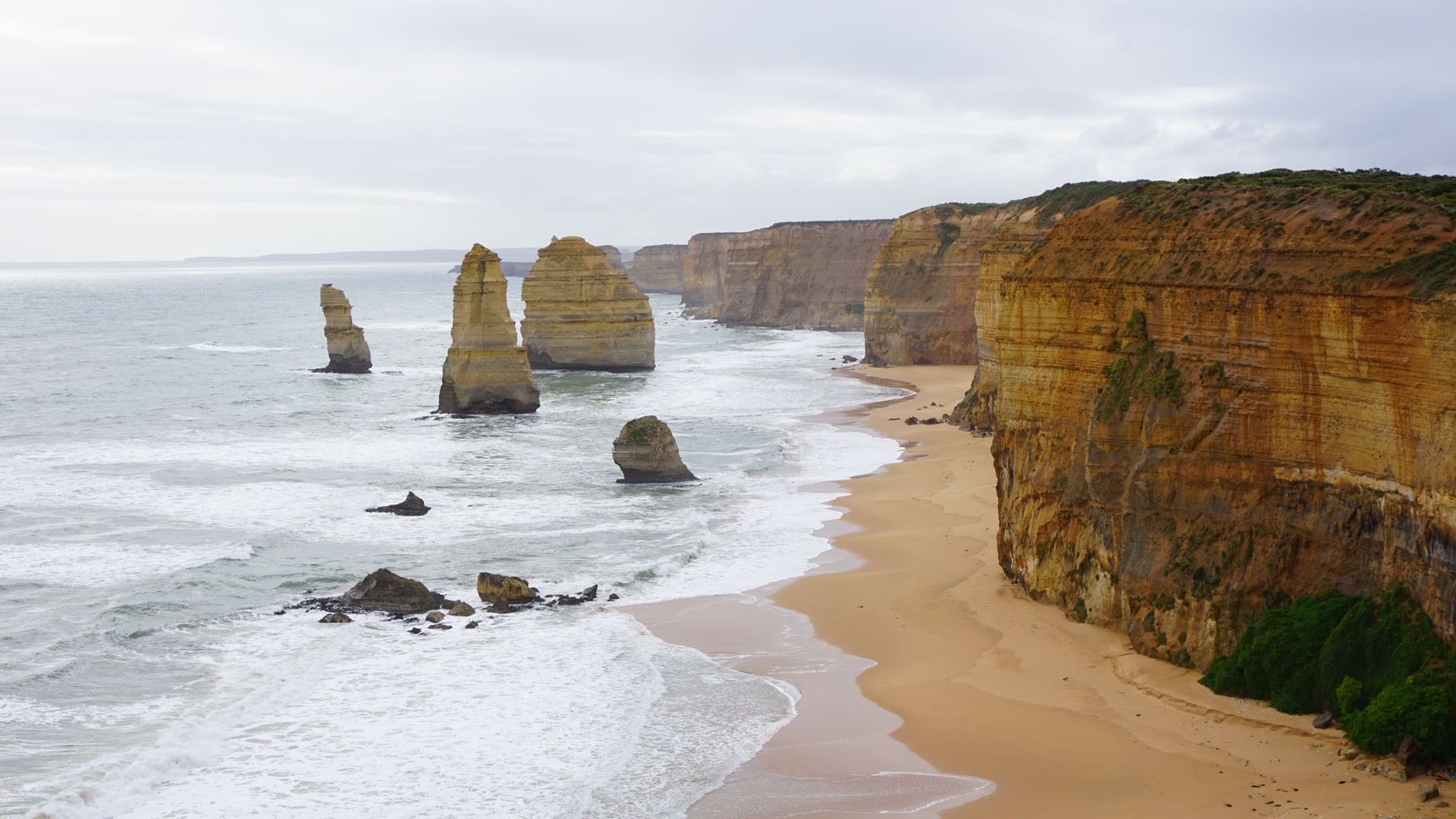
A cooler-climate Australia of wilderness, boutique lodges, wildlife, wine, food, and coastal roads.
Best for
Repeat visitors and nature or culinary travelers who prefer depth over first-time icons.
Typical investment
$10,000–$17,000 per person
Route
Hobart → Freycinet and east coast → Launceston, followed by one focused Melbourne, Adelaide and wine-country, or Kangaroo Island extension
What makes it special
Tasmania's intimate wilderness pairs with one coherent southern contrast.
Reality check
Including Victoria, South Australia, and Kangaroo Island together would undermine the pacing.
Advisor takeaway
Select the mainland extension according to food, wildlife, or road-trip priorities.
Investment context
planning range in USD per person for two travelers sharing. Assumes boutique 4–5-star lodging, economy gateway flights, a premium rental car or selected private-driver days, and wildlife, wine, or coastal experiences. International airfare excluded; season, routing, room category, transportation, guiding, availability, taxes, and local charges affect final pricing. Guidance only, not a quote.
19–24 days
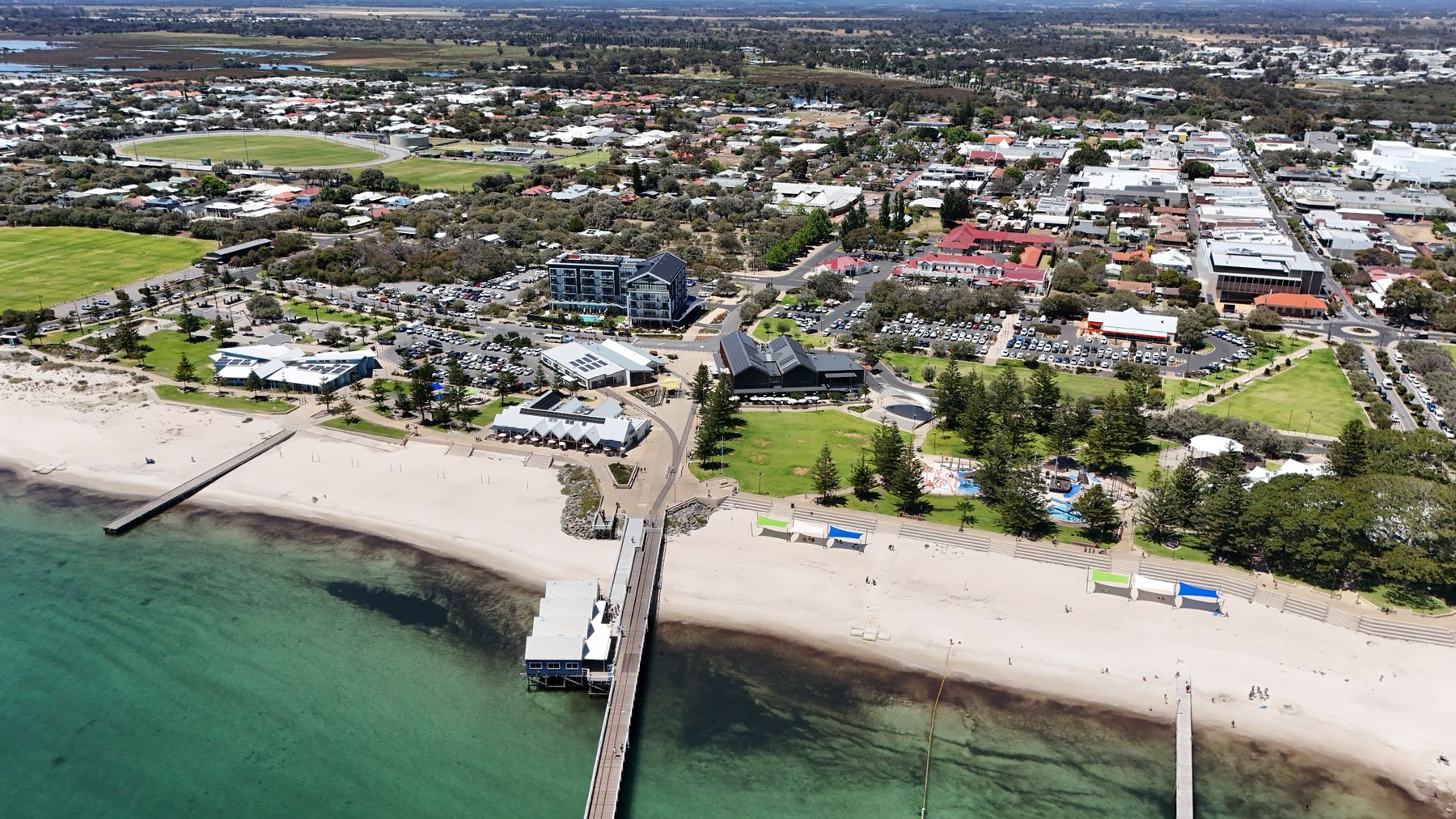
A high-touch, multi-region journey linking Australia's defining contrasts through leading hotels, remote lodges, private interpretation, and seamless logistics.
Best for
Milestone travelers seeking several regions without sacrificing lodge quality or meaningful time on the ground.
Typical investment
$22,000–$50,000 per person
Travel Planning Center
Twenty practical decisions covering seasons, geography, transport, culture, access, and investment.
Related Destinations
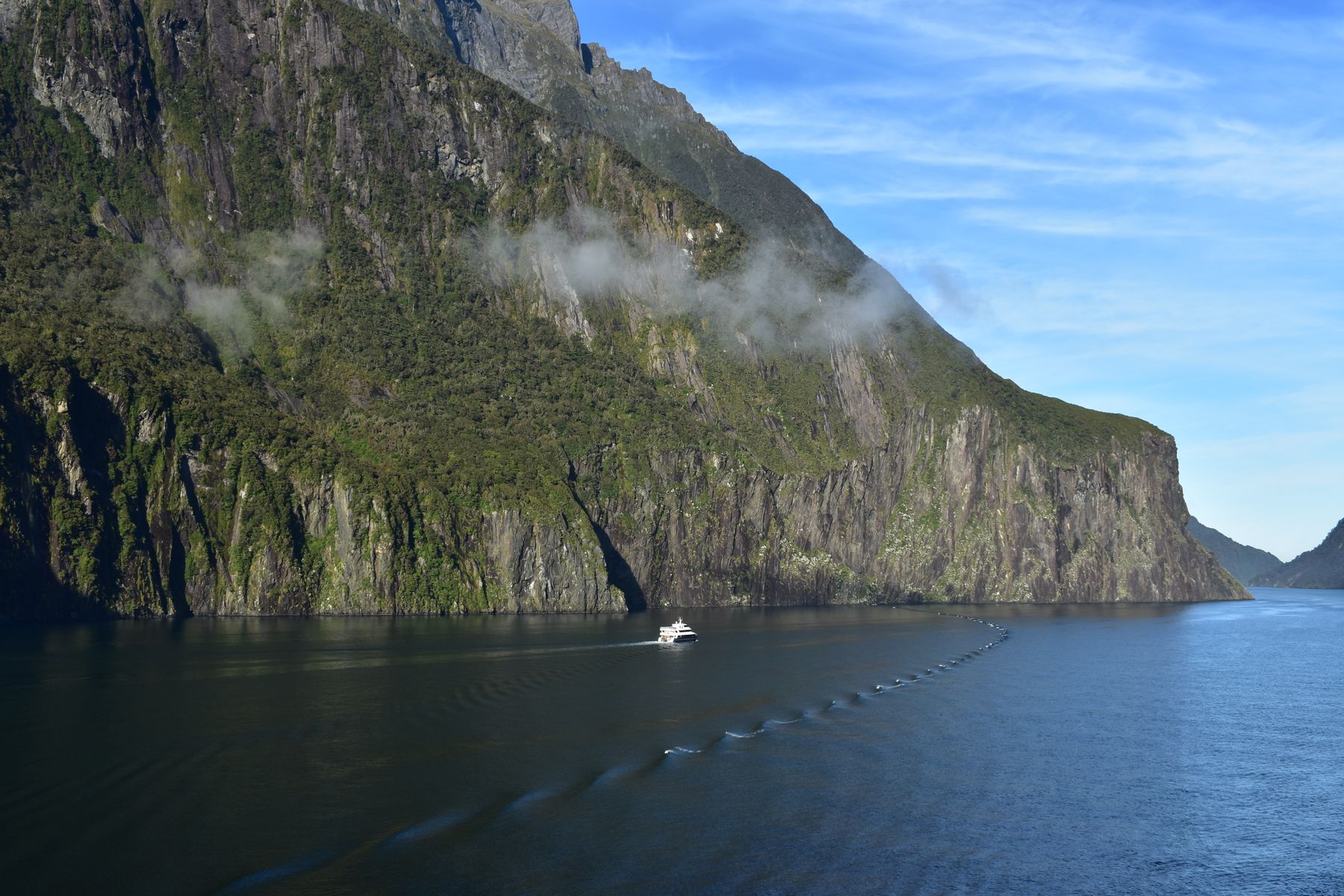
Fjords, mountains, lodges, road journeys, and Māori culture.
More compact and landscape-led than Australia, with strong lodge and road-trip appeal.
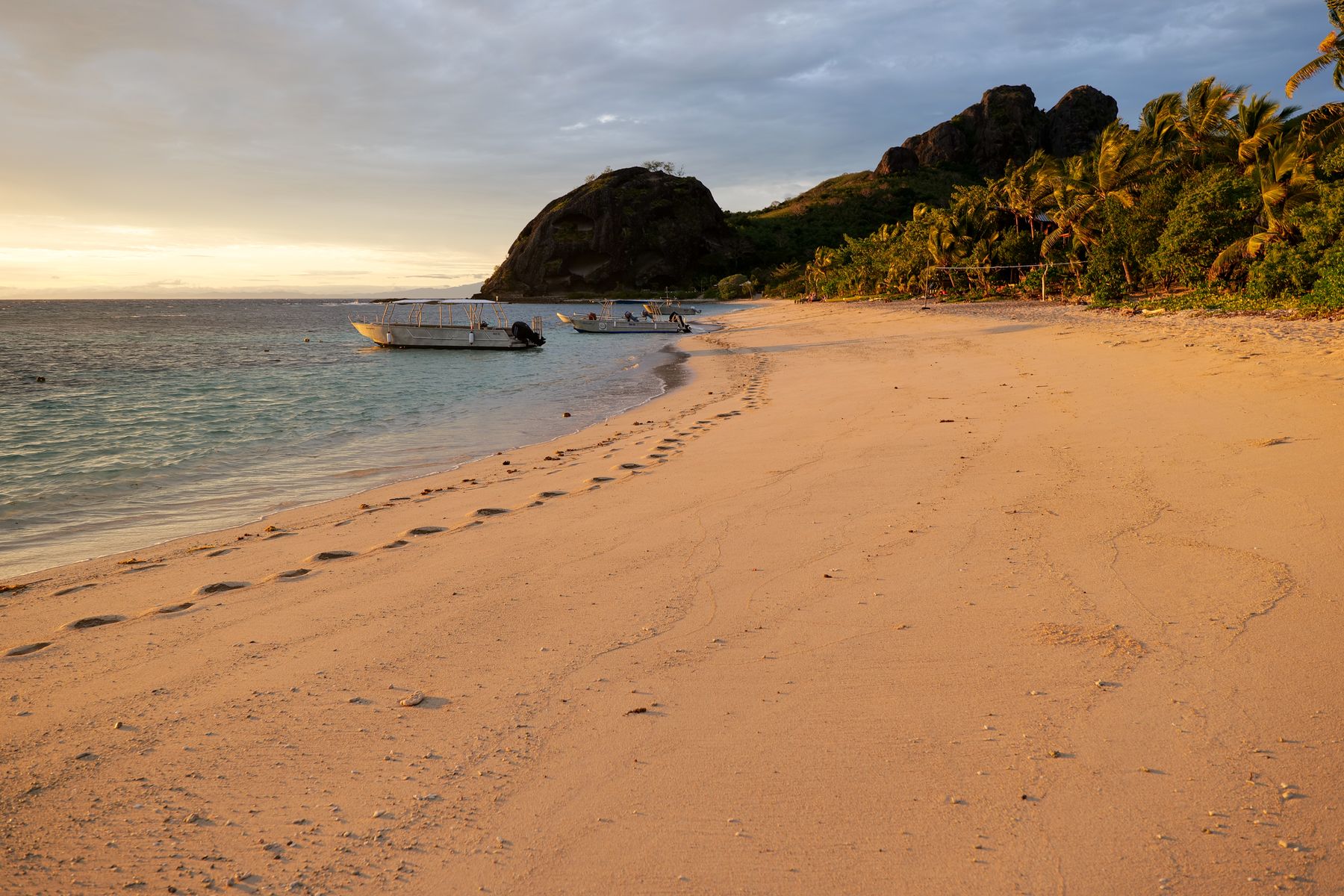
Island resorts, reefs, village hospitality, and restorative time.
A beach-led Pacific finish after a focused Australian journey.
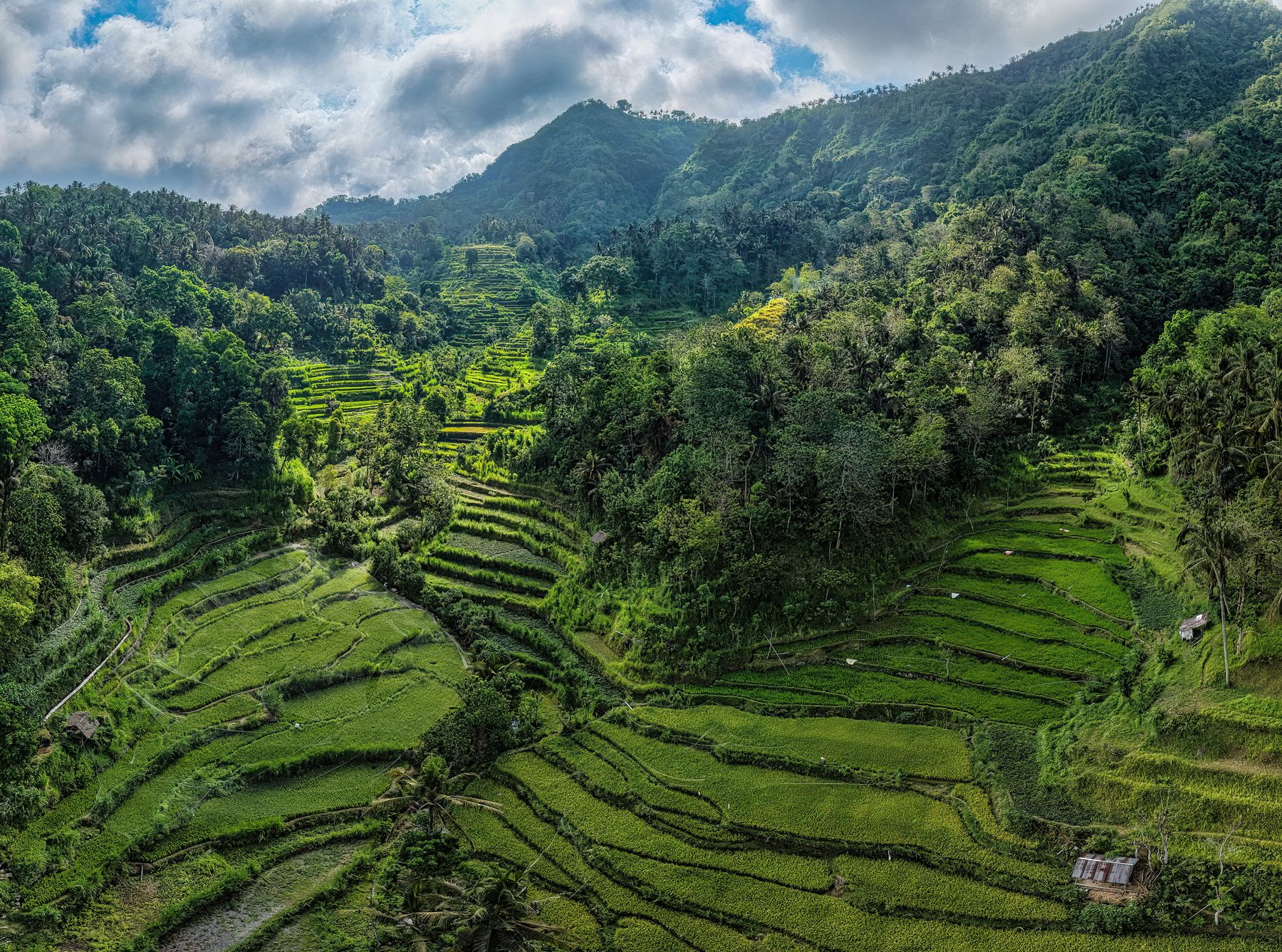
Living culture, wellness, rice landscapes, and island rhythm.
A warmer, slower cultural contrast to Australia's continental scale.

Cities, rail, food, craft, and structured cultural touring.
A compact rail-led contrast to Australia's flights, drives, and nature.
Advisor note: New Zealand is the most natural long-form pairing; Fiji works best as a restorative finish. Bali and Japan usually deserve separate journeys.
Australia FAQ
Eight to ten days supports two well-chosen regions. Twelve to fifteen days is better for three major geographies, while Australia plus New Zealand benefits from fourteen to eighteen days.
Choose the Reef for tropical marine access and an east-coast route; choose Uluru for desert landscape and Aboriginal-led cultural context. Include both only when time and flights support them.
There is no single national season. The best dates depend on the Reef, tropical north, Red Centre, southern cities, Tasmania, marine conditions, and planned activities.
Self-drive works well in selected regions such as the Great Ocean Road and Tasmania. Flights and private guiding are usually better for long-distance or context-rich parts of the trip.
Add New Zealand when at least fourteen nights allow one focused Australian chapter and a meaningful New Zealand route without compressing both countries.