
Advisor Starting Point
Berlin
Brandenburg Gate, the Reichstag, Museum Island, Cold War sites, memorials, neighborhoods, and contemporary culture need several focused days.

Destination Guide
Historic capitals, living cities, river valleys, and regional traditions.
Germany rewards regional choices. Berlin, Bavaria, the Rhine and Moselle, historic towns, and the southwest each need a clear role; high-speed rail links major cities while rural castles, wine villages, and scenic roads require more deliberate transport.
Travel styles
Experience Explorer
Choose the history, city culture, river landscape, historic towns, or regional traditions that should lead the trip.
Brandenburg Gate, the Reichstag, Museum Island, Cold War sites, memorials, neighborhoods, and contemporary culture need several focused days.
Advisor insight
Berlin and Munich are distinct anchors, not interchangeable highlights. A Rhine, Romantic Road, or Black Forest chapter works best when it replaces another region rather than being squeezed between cities.
Traveler fit
Advisor guidance
Germany is larger and more regionally varied than many first itineraries allow. Berlin, Munich, the Rhine, Black Forest, and Romantic Road cannot all be treated as nearby day trips.
Sunday closures, holiday schedules, museum reservations, major trade fairs, Oktoberfest, and Christmas markets can reshape availability and price. Historical sites also deserve time and sensitive interpretation.
Common planning mistakes
Norma, Dock 10 Travel
Honest tradeoffs
Best Ways to Experience Germany
Rail connects the large cities; river valleys, castle routes, and the rural southwest need a more selective plan.
Best forTravelers linking Berlin, Hamburg, Cologne, Frankfurt, Nuremberg, or Munich.
Advisor noteUse direct ICE services and keep arrival days light enough for station and hotel logistics.
Best forTravelers drawn to castles, vineyards, river scenery, and historic towns.
Advisor noteCoordinate boats, trains, wine visits, luggage, and the right overnight base before booking.
Best forTravelers pairing Munich with Neuschwanstein, alpine towns, or the Romantic Road.
Advisor noteA driver-guide adds value where rural transfers, castle entry times, and mountain weather compete.
Best forTravelers prioritizing the Black Forest, Romantic Road, Moselle villages, or rural flexibility.
Advisor noteReview parking, environmental zones, one-way fees, road rules, and whether rail can replace city driving.
Advisor-built trip ideas
Investment estimates are planning ranges per person, based on two travelers sharing, and exclude international airfare unless stated otherwise. Final pricing depends on travel dates, availability and the personalized itinerary.

8–10 days
Germany's two strongest first-time city anchors joined by high-speed rail.
Best for
First-time visitors prioritizing history, museums, urban culture, and a Bavarian contrast.
Typical investment
$4,500–$8,000 per person
Route
Berlin → ICE rail → Munich
What makes it special
National history, Cold War context, Museum Island, Marienplatz, palaces, and Bavarian culture form a clear two-city narrative.
Reality check
Eight days allows limited room for distant day trips; choose one Munich-area extension.
Advisor takeaway
Reserve Berlin history and Munich seasonal experiences before filling remaining days.
Investment context
Planning range per person, based on two travelers sharing, excluding international airfare. Final pricing varies by season, hotel category, transportation, and private-guiding choices. Driven by Berlin and Munich hotel category, high-speed rail, private historical guiding, museum planning, and festival or Christmas-market dates.

8–10 days
Frankfurt gateway, Rhine Gorge villages, castles, and Heidelberg with room for the Moselle.
Best for
Travelers who prefer river landscapes, wine towns, castles, and smaller-city history.
Typical investment
$5,000–$8,500 per person
Route
Frankfurt → Rhine Gorge → optional Moselle → Heidelberg
What makes it special
Bacharach, St. Goar, river boats, vineyards, castles, and Heidelberg's Neckar setting reveal western Germany at human scale.
Reality check
Boat schedules, castle closures, and small-town luggage moves require exact sequencing.
Advisor takeaway
Choose one or two overnight bases instead of relocating for every village.
Investment context
Planning range per person, based on two travelers sharing, excluding international airfare. Final pricing varies by season, hotel category, transportation, and private-guiding choices. Driven by Rhine or Moselle hotel location, private touring, river travel, castle access, and transportation between smaller historic towns.

9–11 days
Munich, Nuremberg, royal castles, and a deliberate alpine chapter.
Best for
Travelers drawn to Bavarian history, food, festive traditions, castles, and mountain scenery.
Typical investment
$6,000–$10,000 per person
Route
Munich → Nuremberg → Füssen or Bavarian Alps
What makes it special
Marienplatz, Nymphenburg, Nuremberg history, Neuschwanstein, and alpine landscapes balance city and region.
Reality check
Oktoberfest and Christmas-market dates compress availability; Neuschwanstein entry and mountain weather need contingency.
Advisor takeaway
Decide between Füssen, Garmisch-Partenkirchen, or another alpine base rather than treating the Alps as one day trip.
Investment context
Planning range per person, based on two travelers sharing, excluding international airfare. Final pricing varies by season, hotel category, transportation, and private-guiding choices. Driven by Munich and alpine hotel category, private touring to castles or mountain regions, rail versus driver use, and Oktoberfest or holiday demand.

12–14 days
A three-region route linking Berlin's history, the Rhine's landscapes, and Bavaria's cities and Alps.
Best for
Travelers with two weeks who want national breadth without attempting every corner of Germany.
Typical investment
$8,500–$14,000 per person
Route
Berlin → Rhine and Heidelberg → Munich and Bavaria
What makes it special
The route moves from national history to rivers and castles, then finishes with Bavarian culture and optional alpine scenery.
Reality check
Three regions already fill two weeks; Black Forest, Hamburg, and Dresden should wait for another trip.
Advisor takeaway
Use direct rail for long crossings and protect at least three nights in Berlin and Munich.
Investment context
Planning range per person, based on two travelers sharing, excluding international airfare. Final pricing varies by season, hotel category, transportation, and private-guiding choices. Driven by three-region routing, high-speed rail, multiple guided historical experiences, hotel category, and seasonal city demand.
Travel Planning Center
Use these practical notes to settle season, transport, reservations, mobility, and regional scope.
Related Destinations

Imperial cities, musical traditions, and alpine chapters in balance.
Imperial Vienna, musical Salzburg, Danube landscapes, and alpine chapters.
Pair Bavaria with Salzburg or Vienna only when both countries keep meaningful nights.

Lakes, landmark peaks, and rail journeys with purpose.
Denser alpine rail, iconic peaks, lake cities, and polished mountain hotels.
Connect southwest Germany or Munich with Switzerland when the route is rail-logical.
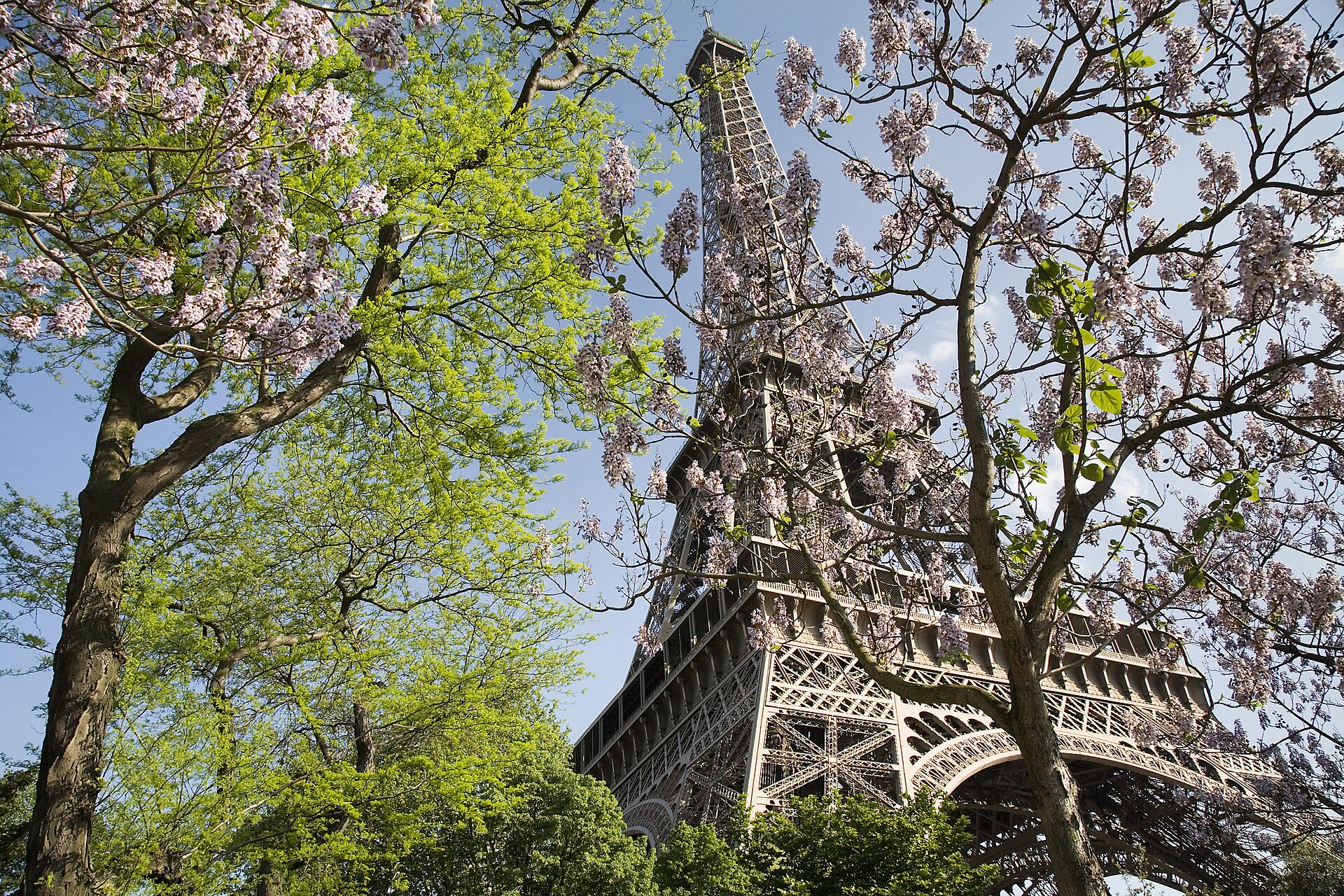
Art, food, wine, cities, countryside, and a strong Alsace or Rhine pairing.
Alsace can follow the Black Forest or Rhine without forcing a distant capital.
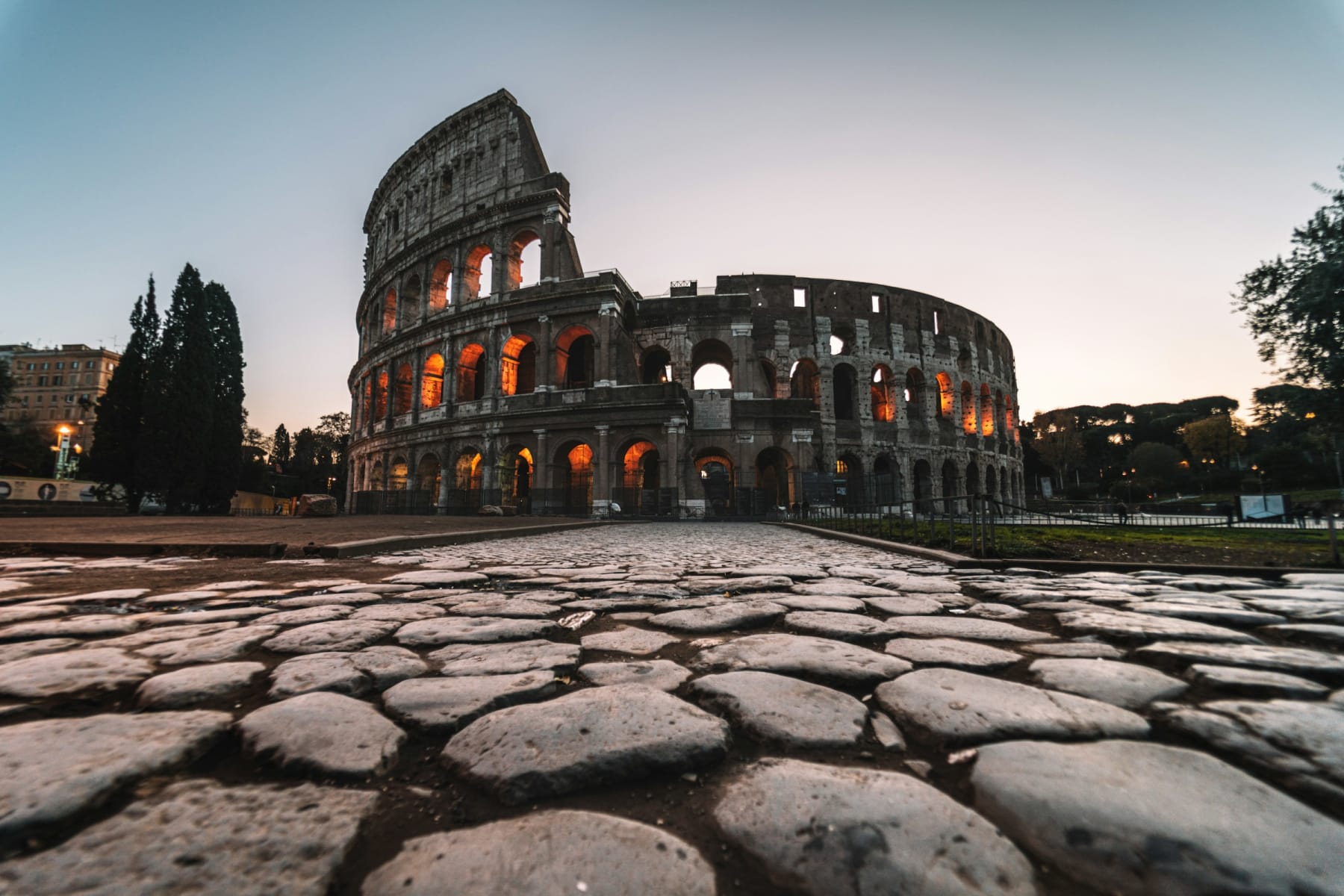
Food. Art. Coastlines. Timeless.
Art, food, regional cities, lakes, coast, and warmer southern contrast.
Northern Italy works after Bavaria only when the alpine crossing and total duration are sensible.
Advisor note: Germany can fill two weeks without another country. Add Austria, Switzerland, France, the Netherlands, Belgium, or Italy only when the border crossing strengthens one coherent regional route.
Germany FAQ
Plan eight to ten days for Berlin and Munich or one city plus a regional chapter. Twelve to fourteen days can connect Berlin, the Rhine, and Bavaria without attempting the whole country.
Choose Berlin for national history, museums, Cold War context, neighborhoods, and modern culture. Choose Munich and Bavaria for palaces, traditions, alpine access, and castle touring. With eight to ten days, both can work by direct rail.
Rail is usually better between major cities. A car or driver helps with the Romantic Road, Black Forest, rural Moselle, and selected castle or alpine days, but city parking and environmental zones add friction.
Dates vary by city and year, generally from late November into December. Confirm official dates, closures, and hotel availability for each selected market before booking.
It can be, but cobblestones, station changes, castle slopes, historic hotel lifts, river boats, museum distances, and winter weather vary. Review the exact route and accommodations before booking.