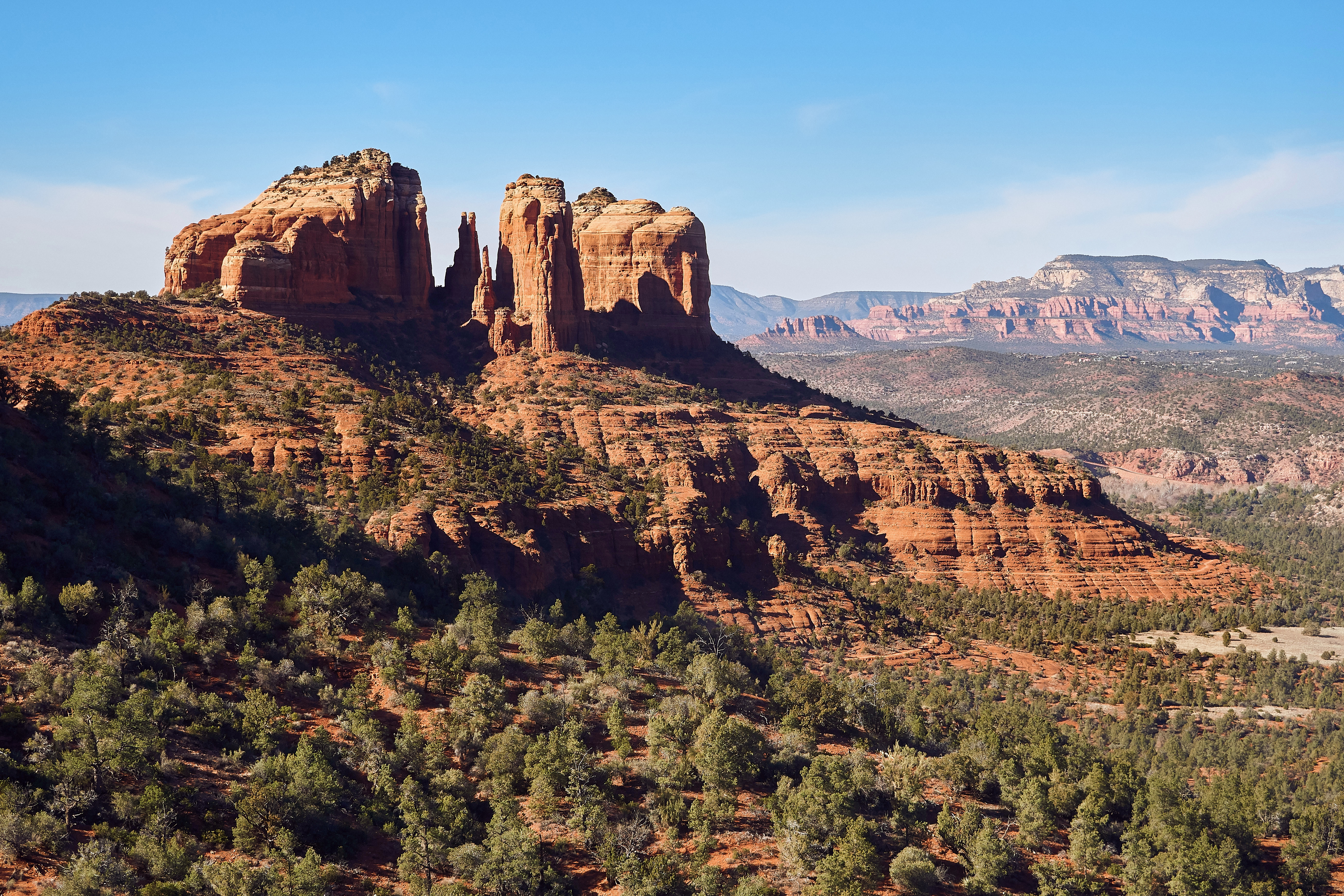
First-Visit Anchor
Sedona & Red Rock Arizona
Sedona combines red-rock trails, scenic drives, galleries, spas, spiritual traditions, and a polished desert-town base with real parking, heat, and trail-access constraints.
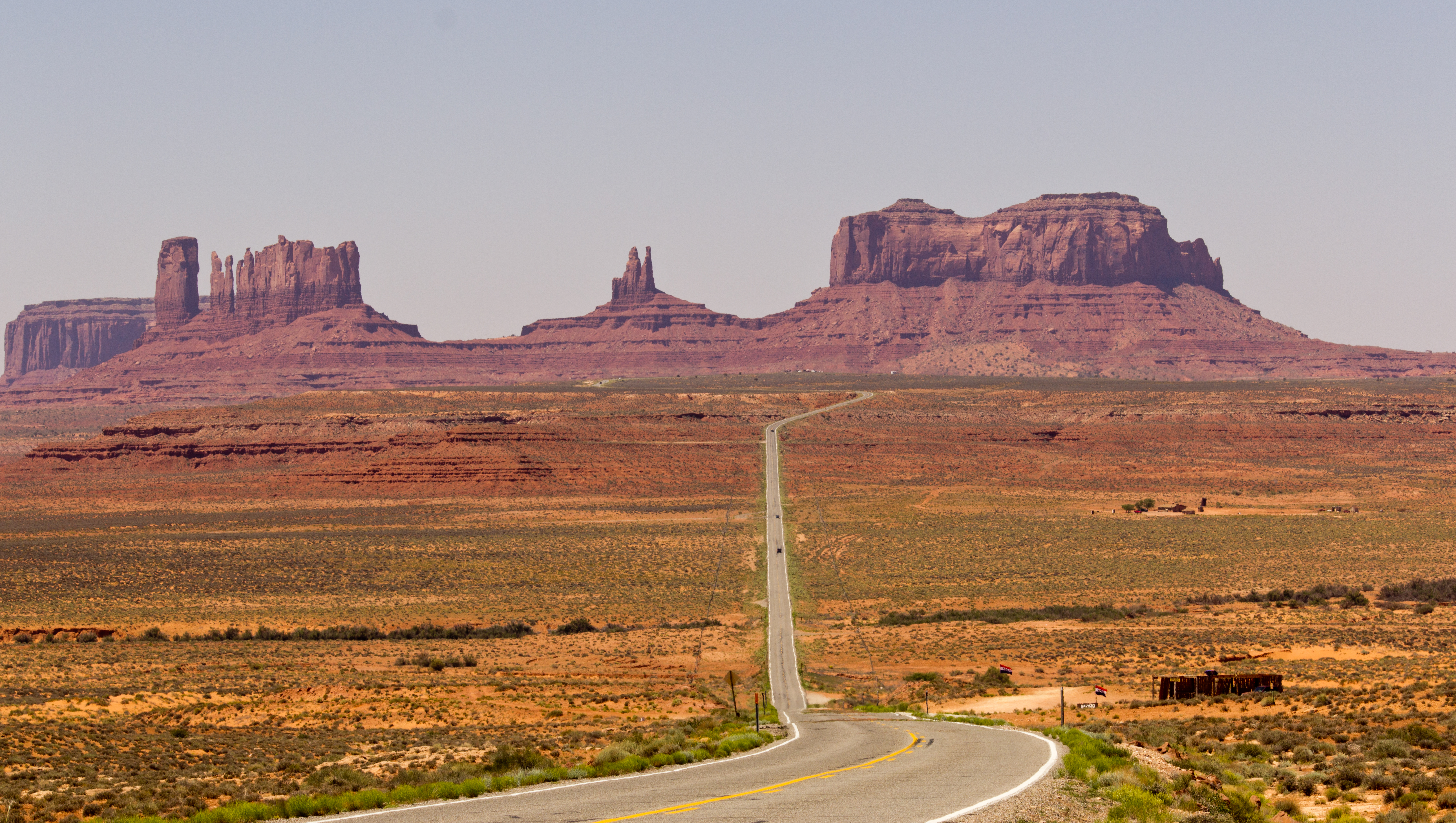
United States Signature Collection
Choose the right balance of national parks, desert culture, restorative stays, and road-trip scale.
The Southwest is not one loop and not one climate. The strongest journey chooses an Arizona, Utah, or New Mexico spine, protects canyon and cultural bases, respects tribal sovereignty, and treats altitude, heat, shuttles, seasonal access, and long drives as part of the design.
Travel styles
Experience Explorer
Six chapters separate red-rock Arizona, canyon parks, southern Utah, northern New Mexico, Sonoran resorts, and Navajo Nation landscapes.
Sedona combines red-rock trails, scenic drives, galleries, spas, spiritual traditions, and a polished desert-town base with real parking, heat, and trail-access constraints.
Advisor insight
Choose the trip's center of gravity before drawing the loop. Sedona, Grand Canyon, Zion, Santa Fe, Tucson, and Monument Valley reward different seasons, movement patterns, and traveler priorities.
Traveler fit
Advisor guidance
The map compresses distance. Canyon roads, park traffic, shuttle queues, scenic stops, weather, and sparse services can turn modest mileage into a full operating day.
Conditions vary sharply. A cool Grand Canyon rim, hot inner canyon, snowy Bryce plateau, and warm Sonoran resort can occur in the same travel window.
Common planning mistakes
Norma, Dock 10 Travel
Honest tradeoffs
Best Ways to Experience the Southwest
Four journey shapes serve different park, culture, wellness, movement, and investment priorities.
Best forFirst-time travelers prioritizing Grand Canyon, Zion, Bryce, and a coherent northern Arizona–southern Utah road trip.
Advisor noteUse an open-jaw LAS/PHX or LAS/Flagstaff strategy, protect two-night park bases, and avoid adding New Mexico.
Best forCouples, friends, and restorative travelers who want Scottsdale or Tucson plus Sedona with minimal packing.
Advisor noteChoose two bases, protect real spa and pool time, and schedule desert activity early in warm months.
Best forArt, architecture, food, history, and living-culture travelers who prefer depth over park collecting.
Advisor noteGive Santa Fe and Taos distinct time, verify Pueblo access respectfully, and treat high-road drives as experiences.
Best forExperienced travelers with two full weeks, a premium budget, and tolerance for a selective multi-state route.
Advisor noteUse open-jaw flights and private transfers selectively; Arizona, Utah, and New Mexico cannot all receive equal depth in fifteen days.
Southwest Decision Guide
State emphasis, experience priority, and movement tolerance define the route before individual stops do.
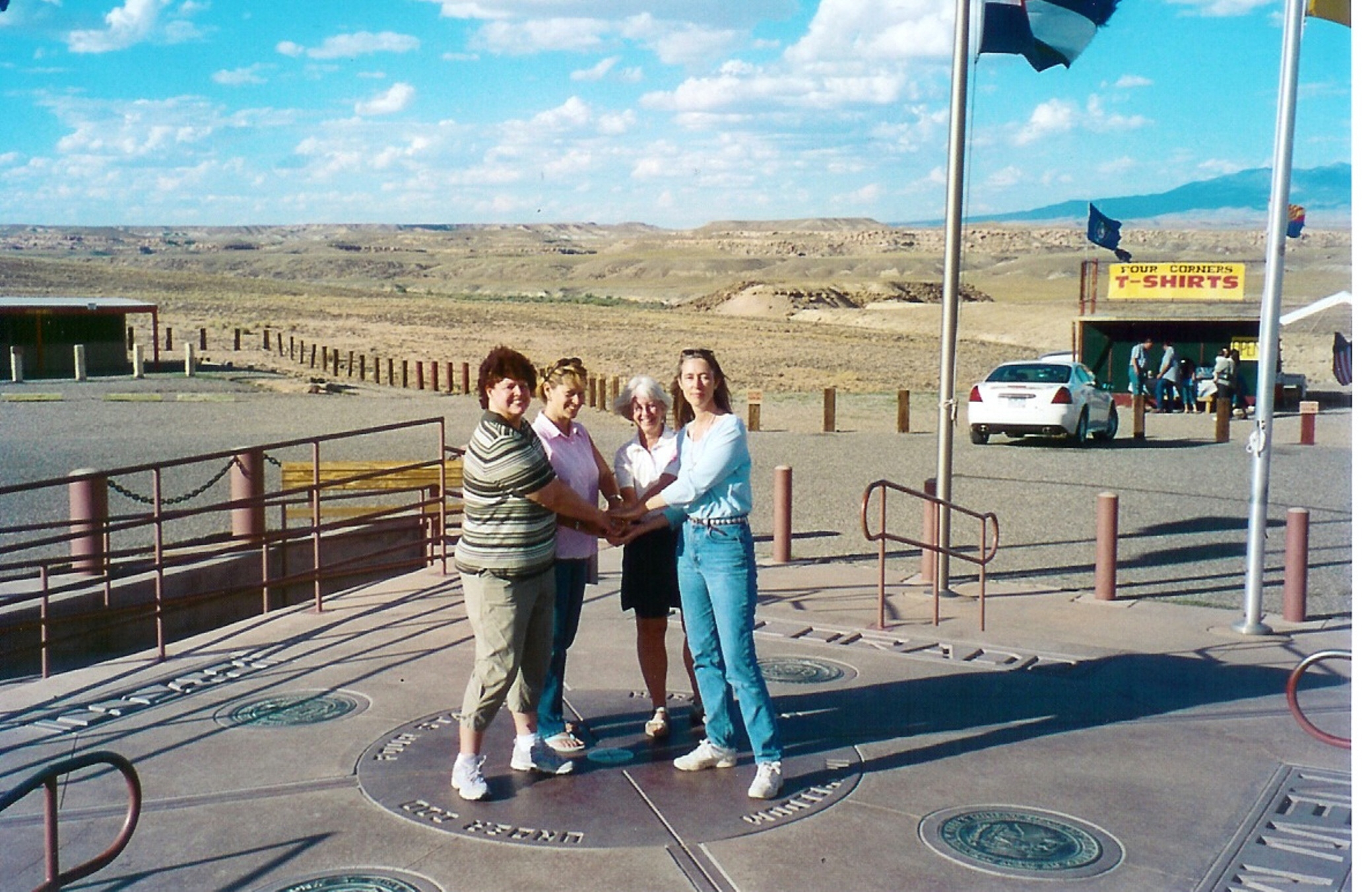
Red rock, canyon parks, or cultural high desert
Arizona balances Sedona, Grand Canyon, Navajo Nation, and Sonoran resorts; Utah emphasizes dense national-park scenery; New Mexico leads with art, food, adobe cities, history, and living cultures.
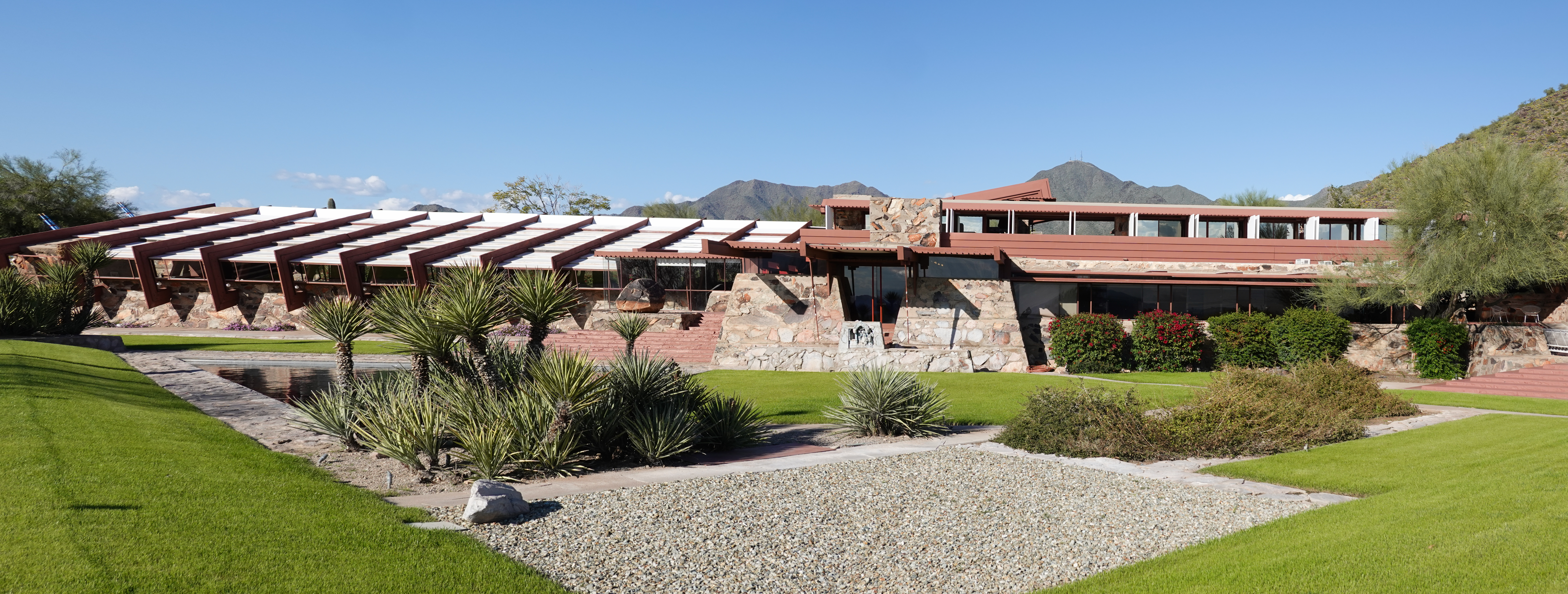
Active landscapes or restorative context
Park-led journeys prioritize dawn starts, trail access, shuttles, elevation, and lodge positioning; resort-and-culture journeys prioritize spa time, art, architecture, food, and fewer moves.
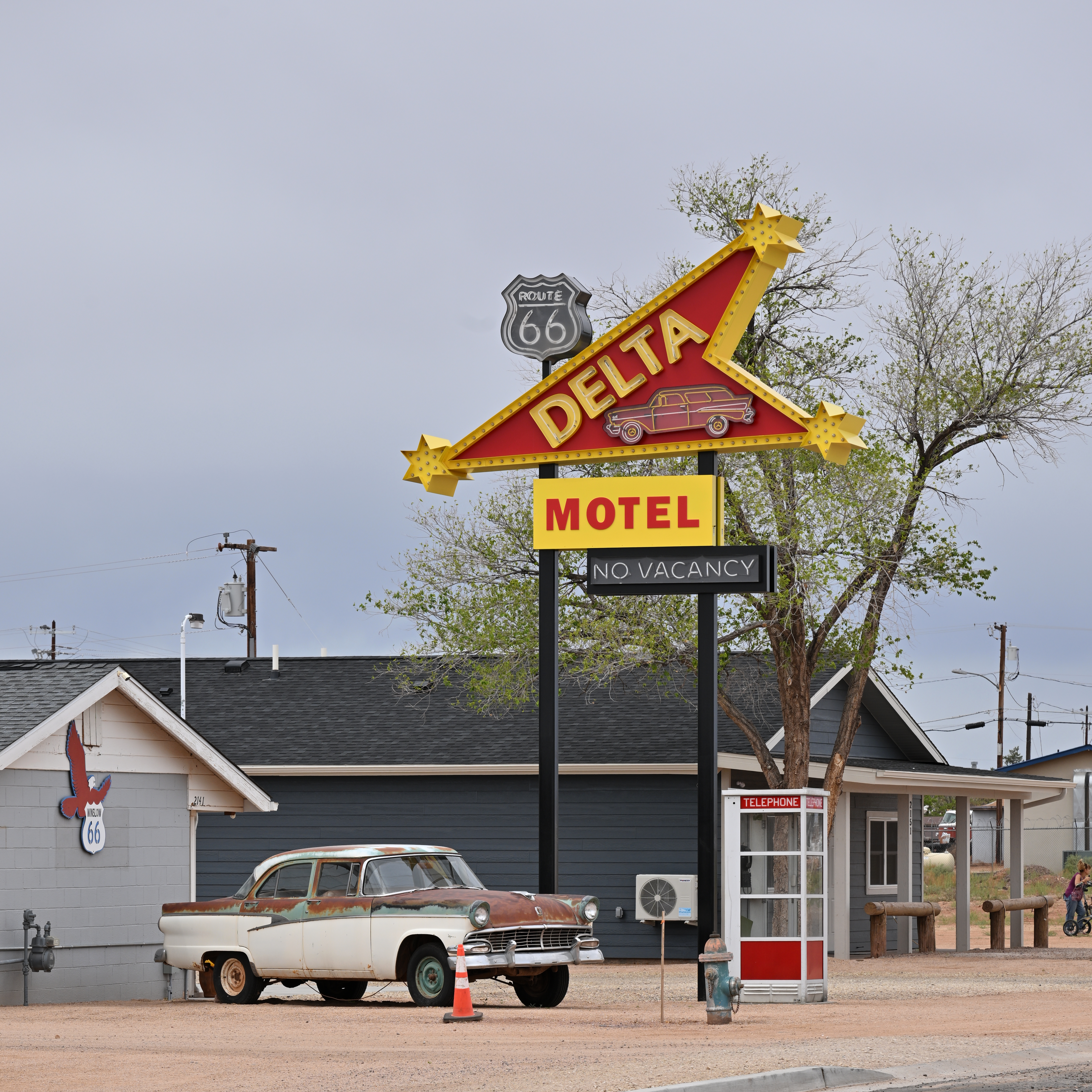
Depth or geographic contrast
A One Base stay protects resort, food, art, and nearby nature; a Southwest Road Trip creates landscape progression but adds packing, long transfers, fuel, weather, and vehicle dependencies.
Advisor-built Signature journeys
Investment estimates are planning ranges per person, based on two travelers sharing, and exclude international airfare unless stated otherwise. Final pricing depends on travel dates, availability and the personalized itinerary.
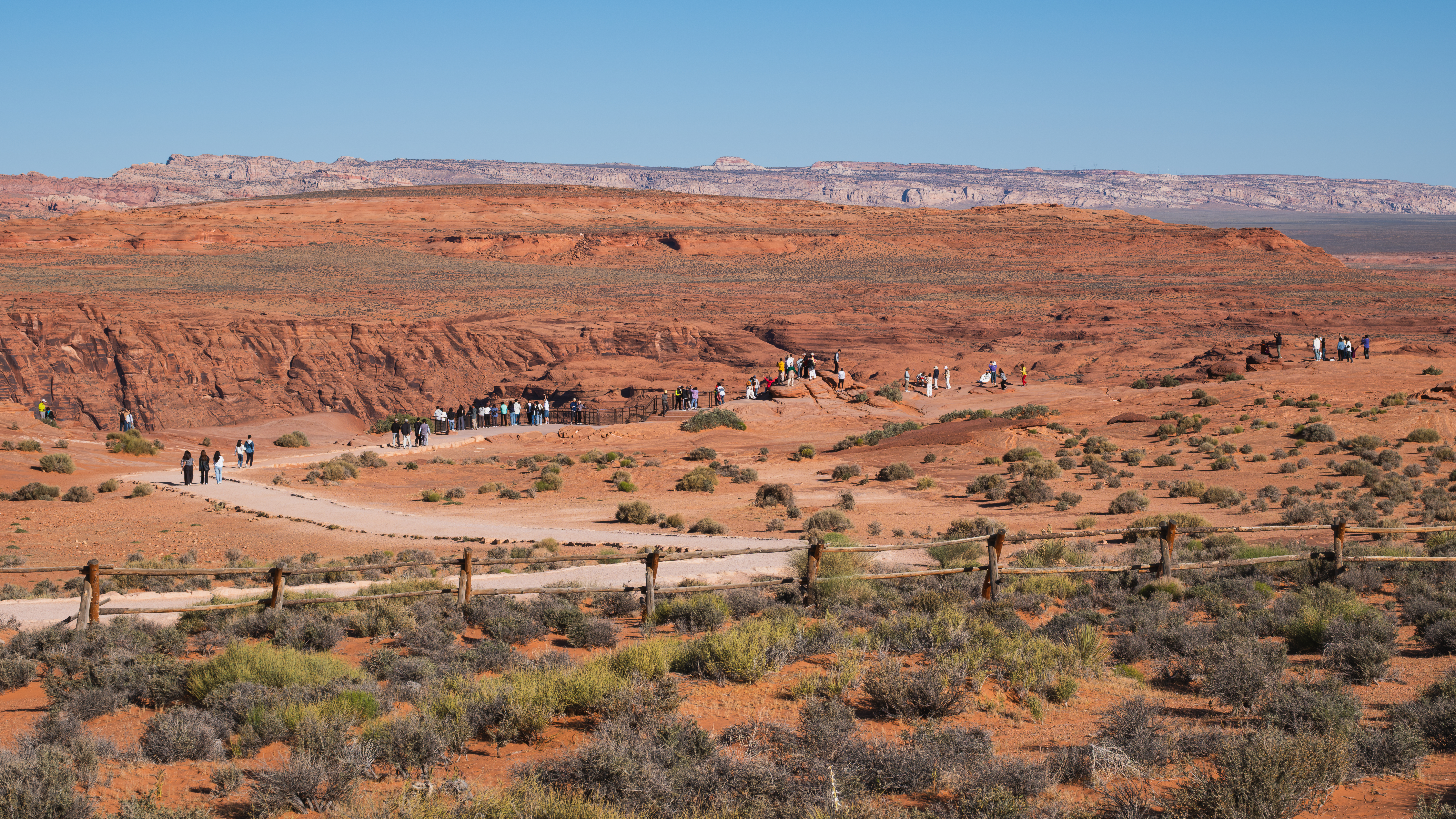
9 days
A first-time northern Arizona and southern Utah road journey linking Sedona, Grand Canyon, Page, Zion, and Bryce with protected bases.
Best for
First-time park travelers who want iconic canyon scenery without adding New Mexico or the Sonoran resort corridor.
Typical investment
From $3,399 per person
Route
Phoenix or Flagstaff → Sedona (2 nights) → Grand Canyon South Rim (2 nights) → Page (1 night) → Zion (2 nights) → Bryce (1 night) → Las Vegas
What makes it special
One directional spine moves from red-rock town life through canyon scale and Navajo Nation context into southern Utah's cliffs and hoodoos.
Reality check
This is still an active survey; summer heat, Grand Canyon altitude, Zion shuttle operations, and one-night Page/Bryce stops require discipline.
Advisor takeaway
Reconcile the added night and exact source-product inclusions; verify Zion operations, park access, and current Navajo Nation rules live.
Investment context
Investment estimates are planning ranges per person, based on two travelers sharing, and exclude international airfare unless stated otherwise. Final pricing depends on travel dates, availability and the personalized itinerary. Direct market anchor: Collette Canyon Country featuring Arizona & Utah, eight days and ten meals, from $3,399 per person on the reviewed official listing. The GuidePilot route adds one pacing night and may change Sedona, Grand Canyon, Zion, and Bryce sequencing; departure, hotels, room, meals, coach, admissions, taxes, fees, terms, insurance, and air require reconciliation.
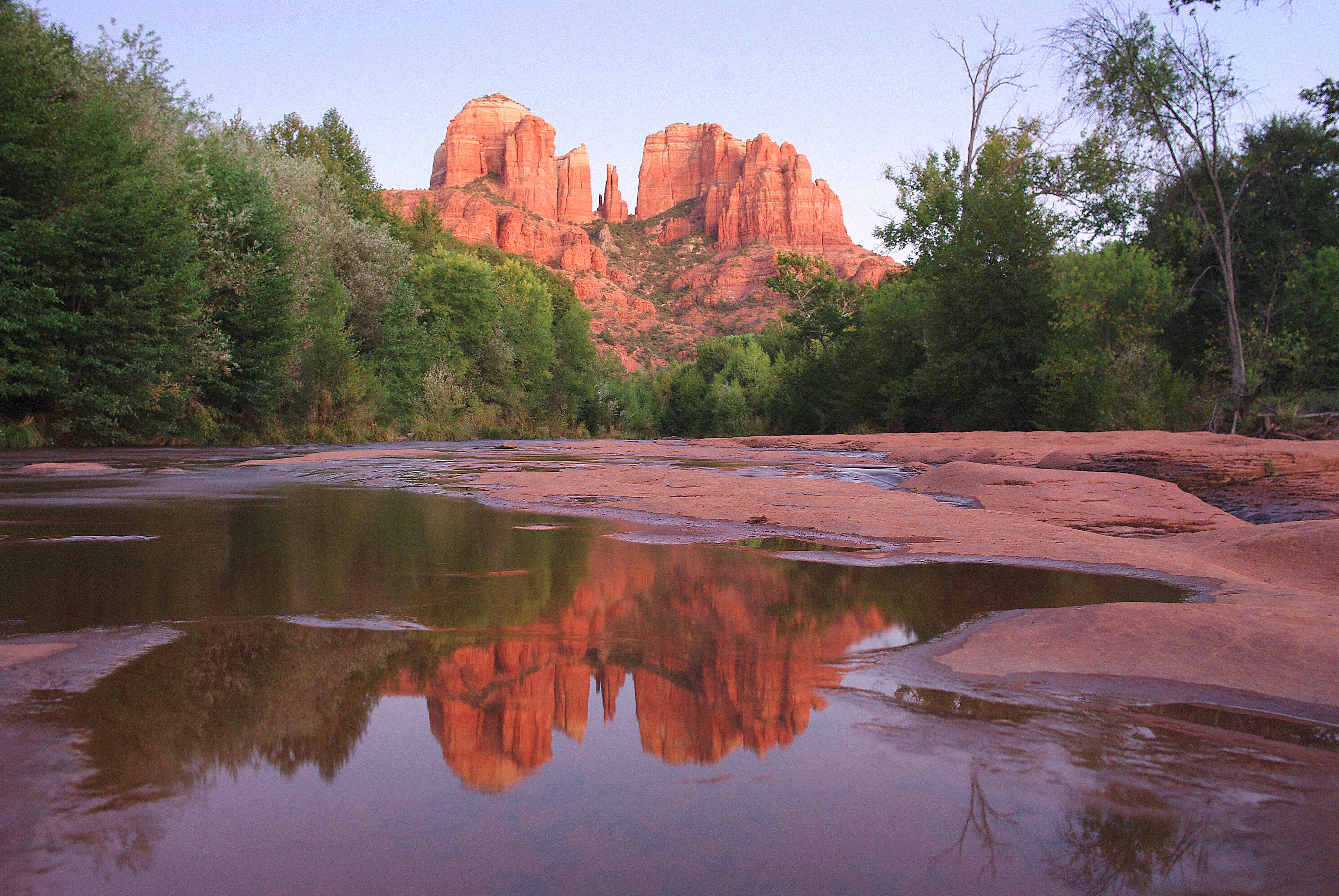
8 days
A restorative two-base journey pairing a Sonoran resort in Scottsdale or Tucson with Sedona's red rock, art, and wellness rhythm.
Best for
Couples, friends, spa travelers, and soft-adventure guests who want low packing frequency and flexible daily energy.
Typical investment
Planning benchmark from $7,500 per person
Route
Phoenix → Scottsdale or Tucson resort (4 nights) → Sedona (3 nights) → Phoenix or Flagstaff
What makes it special
Desert design, spa programming, pools, Sonoran nature, Sedona art, and red-rock scenery are protected as stays rather than squeezed between park transfers.
Reality check
The route is not a national-parks tour, and warm-season outdoor activity must be timed around heat and hydration.
Advisor takeaway
Treat $7,500 as an benchmark only; reconcile occupancy rules, included credits, spa treatments, resort fees, transfers, and Sedona additions.
Investment context
Investment estimates are planning ranges per person, based on two travelers sharing, and exclude international airfare unless stated otherwise. Final pricing depends on travel dates, availability and the personalized itinerary. GuidePilot planning benchmark, not a directly comparable supplier product: Canyon Ranch Tucson's reviewed Spa Renewal basis starts at $1,215 per person per night for double-plus occupancy, or $4,860 for four nights before tax. The benchmark adds Scottsdale or Sedona lodging, vehicle or transfers, dining, spa choices, taxes, fees, terms, insurance, and air; every component requires live sourcing.
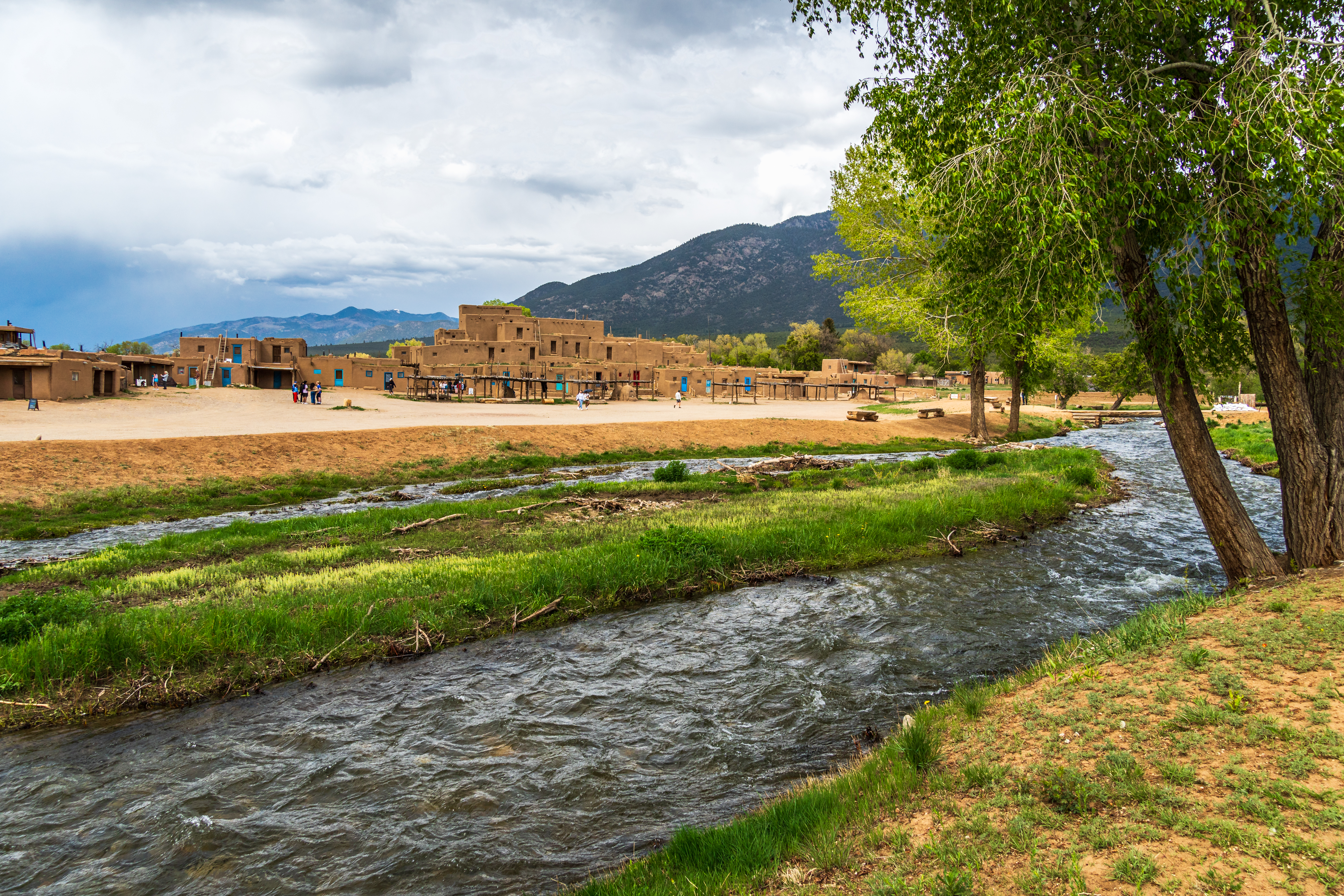
10 days
A culture-led route through Albuquerque, Santa Fe, the High Road, Taos, and selected Pueblo or landscape experiences with fewer hotel changes.
Best for
Art, architecture, cuisine, history, photography, and culturally curious travelers who prefer depth to park collecting.
Typical investment
From $4,999 per person
Route
Albuquerque (1 night) → Santa Fe (4 nights) → Taos (3 nights) → Albuquerque (1 night)
What makes it special
Museums, adobe architecture, New Mexican food, high-desert drives, and living communities receive enough time for guided, respectful interpretation.
Reality check
Pueblo access, ceremonies, photography, roads, and opening hours are community-specific and can change; no visit is guaranteed.
Advisor takeaway
Reconcile the New Mexico-focused normalization and confirm current community rules through authoritative local sources before proposing access.
Investment context
Investment estimates are planning ranges per person, based on two travelers sharing, and exclude international airfare unless stated otherwise. Final pricing depends on travel dates, availability and the personalized itinerary. Normalized direct market anchor: Collette Spirit of the American Southwest, ten days, land only, double occupancy, from $4,999 per person on the reviewed official listing. The GuidePilot route concentrates on Albuquerque, Santa Fe, Taos, and northern New Mexico rather than retaining every Arizona element; hotels, transport, guides, Pueblo access, meals, taxes, fees, terms, insurance, and air require reconciliation.
15 days
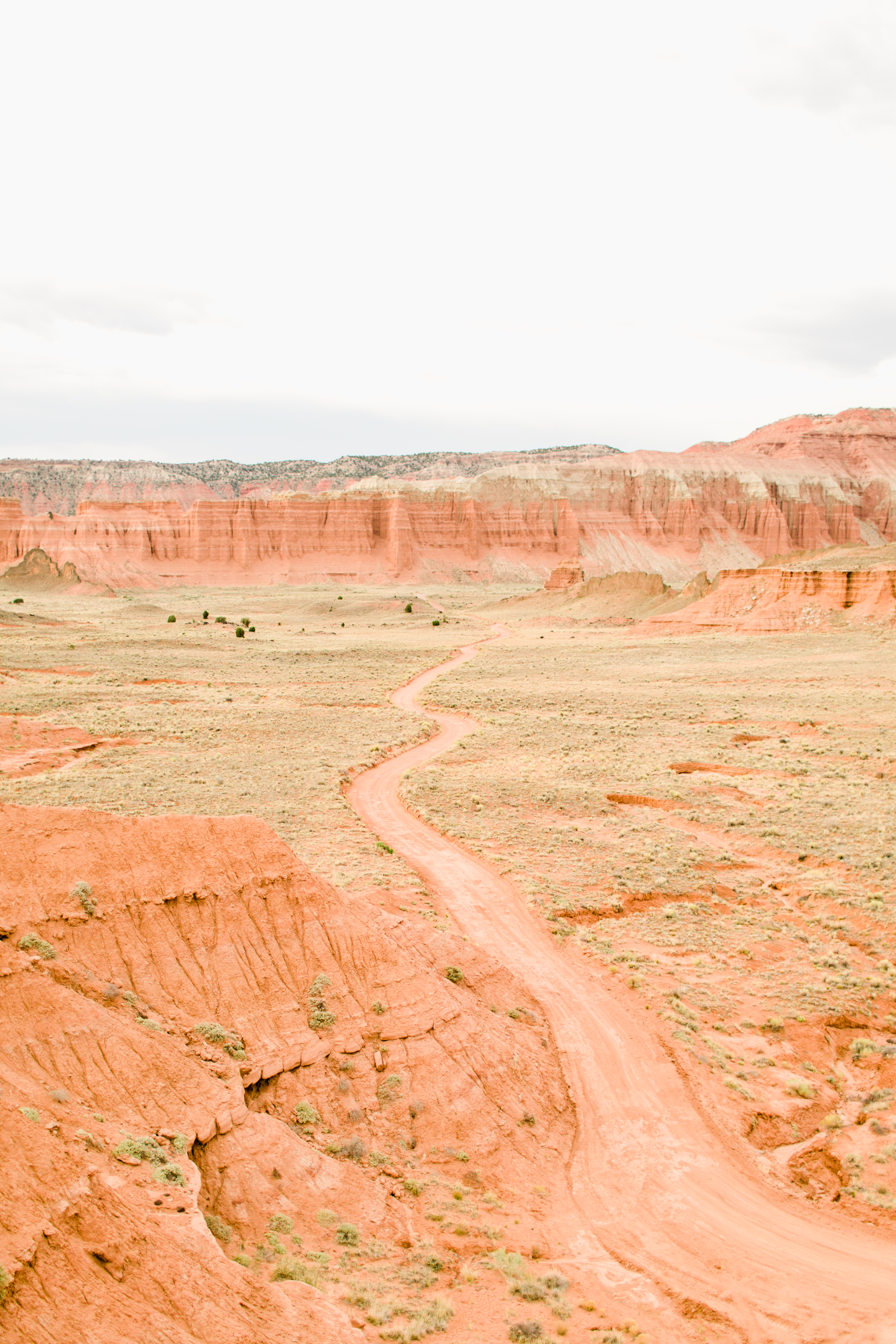
A premium open-jaw journey joining selected Arizona and Utah icons with a northern New Mexico cultural finish without pretending to cover every park.
Best for
Experienced travelers with two weeks, a premium budget, and equal interest in monumental scenery, guiding, food, art, and comfortable pacing.
Typical investment
Planning benchmark from $15,000 per person
Route
Phoenix → Sedona (2 nights) → Grand Canyon (2 nights) → Monument Valley/Page (2 nights) → Zion or Capitol Reef (2 nights) → Santa Fe (4 nights) → Taos (2 nights) → Albuquerque
What makes it special
The route connects red-rock Arizona, Navajo Nation context, one selective Utah park chapter, and northern New Mexico culture through protected premium bases.
Reality check
Fifteen days still requires choices: Bryce, Moab, Tucson, and deeper New Mexico cannot all fit without weakening the journey.
Advisor takeaway
Treat $15,000 as an benchmark only and source every premium transfer, guide, tribal-land experience, lodge minimum, and cancellation term live.
Investment context
Investment estimates are planning ranges per person, based on two travelers sharing, and exclude international airfare unless stated otherwise. Final pricing depends on travel dates, availability and the personalized itinerary. GuidePilot planning benchmark, not a directly comparable supplier product: synthesized from Tauck Spirit of the Desert's reviewed ten-day parks positioning from $8,690 per person and Collette Spirit of the American Southwest's reviewed ten-day cultural positioning from $4,999, plus premium open-jaw, private-guide, lodge, tribal-land, vehicle, and transfer components. Every inclusion, tax, fee, term, insurance, and air element requires live sourcing and reconciliation.
Travel Planning Center
Twenty practical decisions organize geography, driving, parks, tribal lands, climate, lodging, travelers, and investment.
Compare the Collection
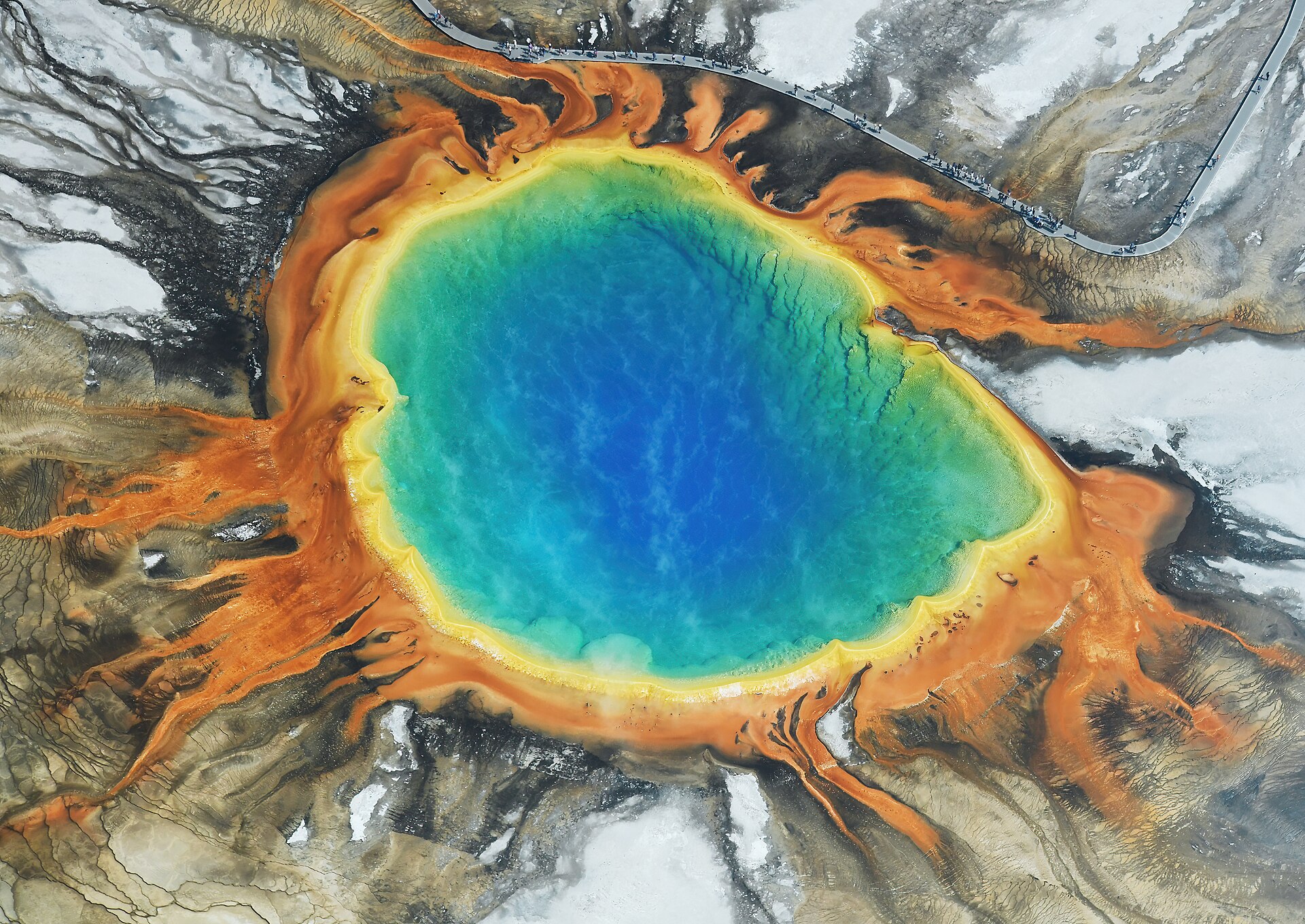
Choose the right parks, season, route, lodging, and pace—not the longest possible checklist.
A park-led collection where protected landscapes dominate every chapter.
Choose Southwest when art, food, resorts, living cultures, and regional roads matter as much as the parks.
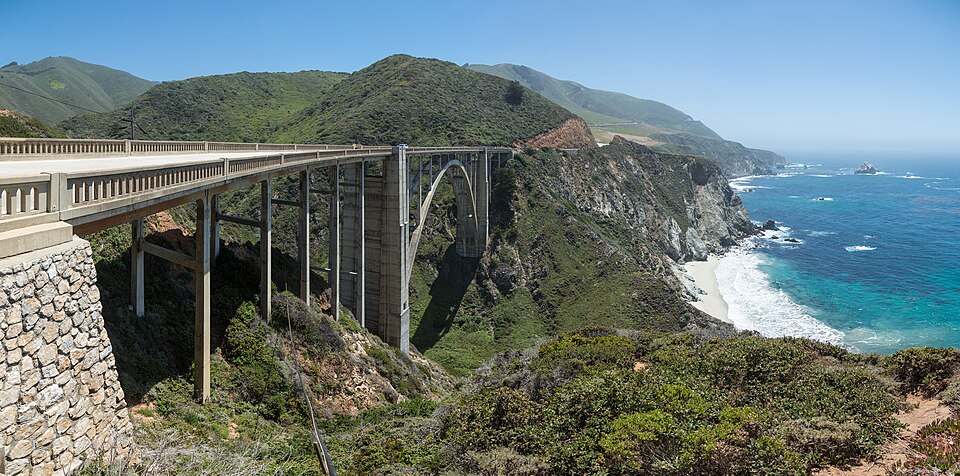
Build one great journey from coast, cities, wine country, mountains, and desert.
Pacific cities, coast, wine, mountains, desert, and a broad one-state journey.
California offers greater urban and coastal range; the Southwest concentrates canyon, adobe, high-desert, and Sonoran identity.
Choose the right balance of cities, islands, rainforest, mountains, wine country, and Pacific coast.
Cooler cities, islands, rainforest, mountains, wine, and Pacific coast.
Choose the Southwest for dry-land scale, desert light, adobe culture, and resort warmth; choose the Northwest for water and evergreen landscapes.
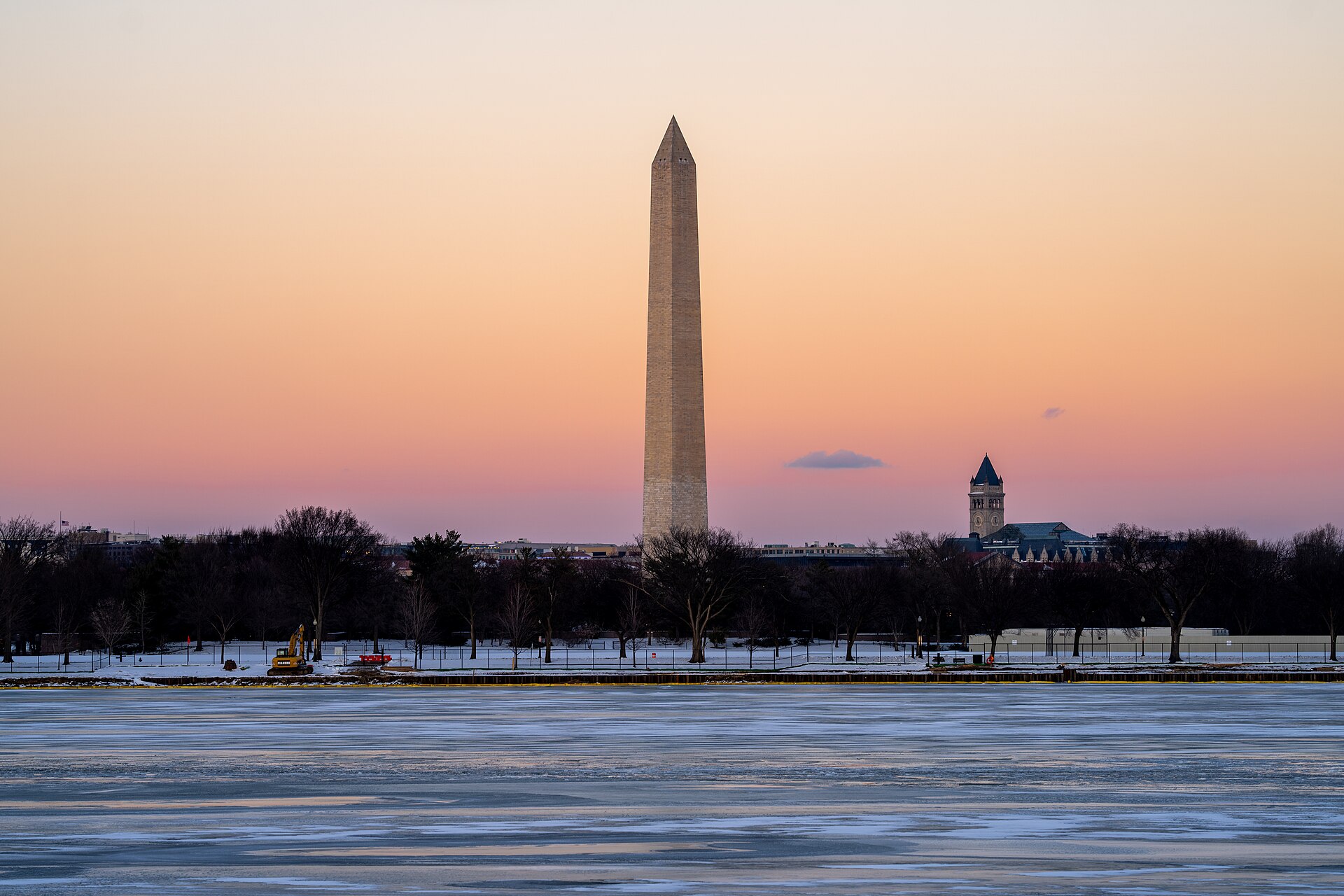
Shape a capital stay from national stories, living neighborhoods, public institutions, and room to absorb them.
Museums, monuments, neighborhoods, and a compact urban cultural journey.
Choose Washington for car-light institutional depth; choose the Southwest for regional driving, landscapes, resorts, and living high-desert cultures.
Advisor note: Compare the defining promise first—desert region, park immersion, Pacific city-and-nature travel, California variety, or eastern urban culture—then compare season, movement, and investment.
Southwest FAQ
Use eight or nine days for one focused Arizona or Utah route, eight to ten for northern New Mexico or a resort-and-Sedona pairing, and about fourteen or fifteen for a selective multi-state journey.
Choose Arizona for the broadest mix of canyon icons, Sedona, Navajo Nation, and resorts; Utah for park density; or New Mexico for art, food, adobe cities, and cultural depth.
Only with roughly two weeks, open-jaw logistics, selective stops, and acceptance of long transfer days. Most travelers should pair Grand Canyon with either Utah or New Mexico, not both.
Usually yes outside resort centers. Compare one-way rentals, road restrictions, parking, fuel, seasonal conditions, and whether private transfers or Navajo-led tours improve specific segments.
Spring and fall often balance temperatures, but elevation creates major differences. Summer can be extremely hot at lower elevations while winter can bring snow and ice to canyon rims and plateaus.
Yes with stop-specific planning. Scenic drives, shuttles, viewpoints, museums, and resorts can work well, but exact surfaces, boarding, rooms, restrooms, heat, altitude, and tribal-site access must be confirmed.