Advisor Starting Point
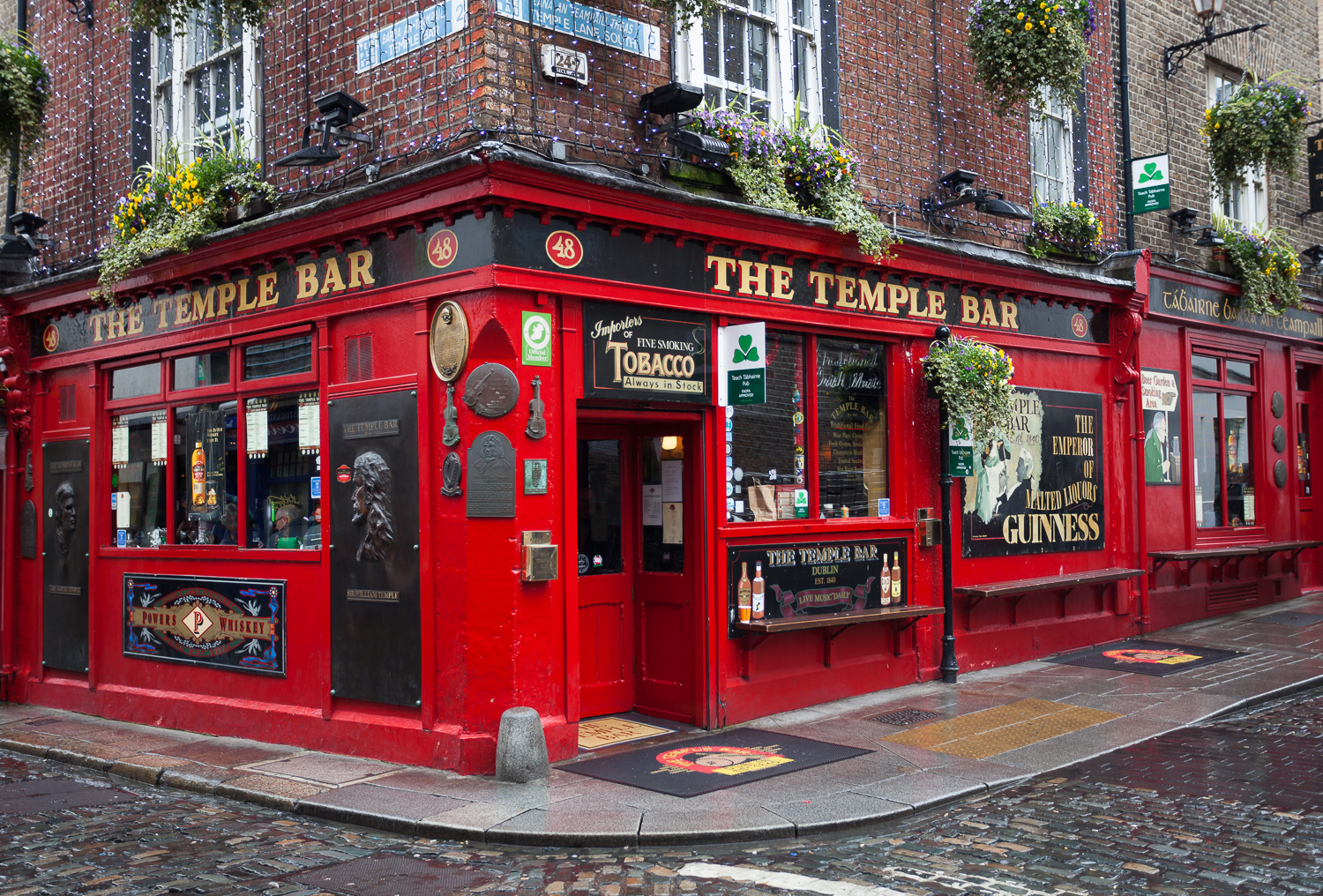
Dublin
Museums, literary history, Georgian streets, food, pubs, and an easy opening before the countryside.
Destination Guide
Landscape, story, and the freedom to slow down.
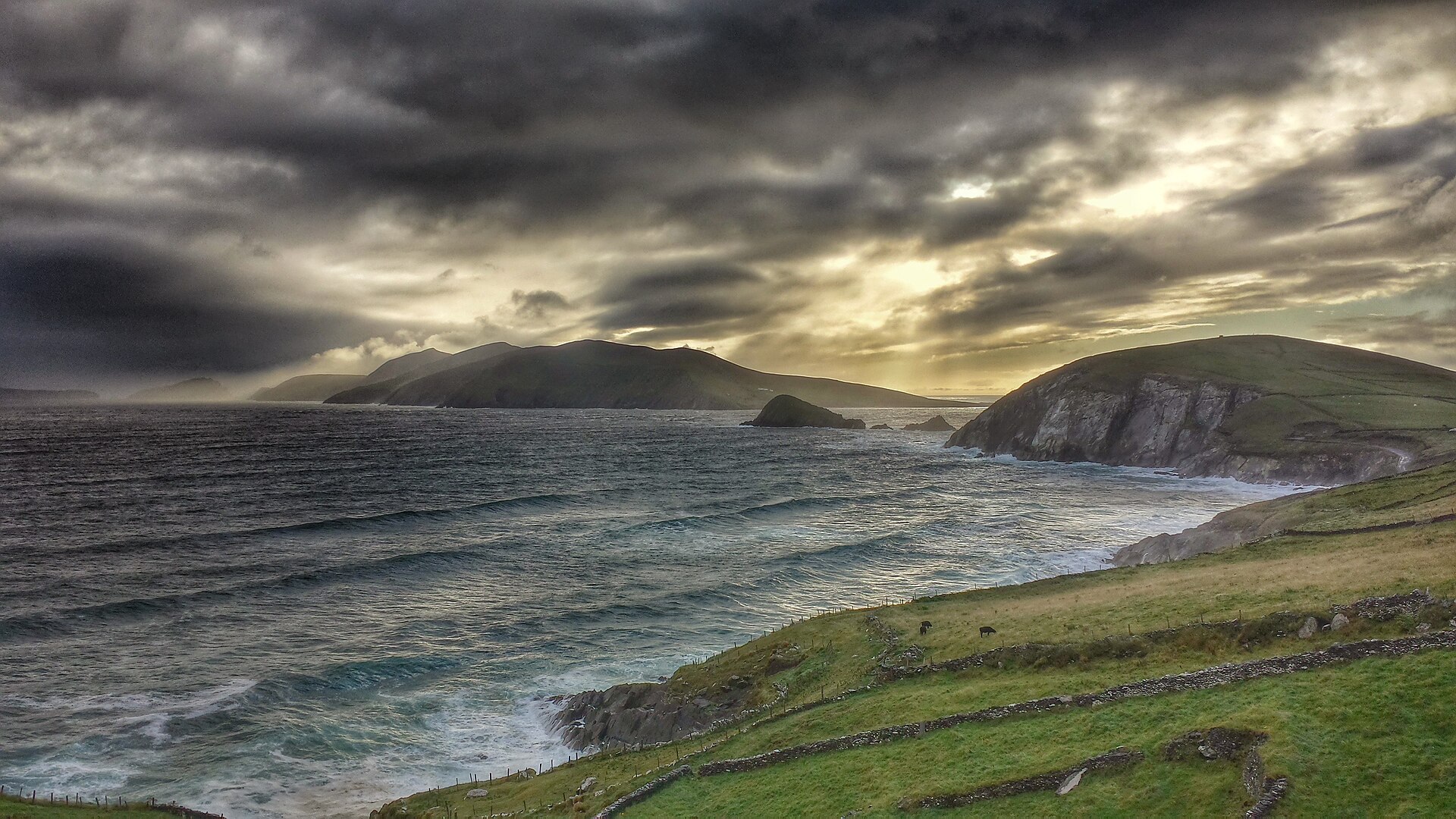
Ireland is strongest when Dublin opens the story and the route leaves room for the western coast, music, conversation, castle or manor stays, changing weather, and unscripted stops instead of becoming a fast scenic loop.
Travel styles
Experience Explorer
Choose the city, western region, heritage interest, and operating style that should lead. Ireland becomes more personal when the route protects local texture.
Museums, literary history, Georgian streets, food, pubs, and an easy opening before the countryside.
Advisor insight
Begin with Dublin, then choose Galway and Connemara or Kerry and Dingle according to the desired mix of music, coast, countryside, and road time. Castles, ancestry, and golf should deepen that route rather than crowd it.
Traveler fit
Advisor guidance
Rural roads are slower and more tiring than the map suggests, and one-night stays quickly erode the local texture that makes Ireland memorable.
Rain is possible year-round, while historic hotels, villages, castles, and coastal viewpoints can involve steps, uneven paths, and weather-exposed walking.
Common planning mistakes
Norma, Dock 10 Travel
Honest tradeoffs
Best Ways to Experience Ireland
The operating style changes the comfort, cost, storytelling, and amount of countryside that belongs in the route.
Best forCouples, families, heritage travelers, and special occasions prioritizing comfort and context.
Advisor noteA driver-guide reduces road stress while connecting scenery, history, stories, and spontaneous stops.
Best forConfident left-side drivers who value independence and accept slower rural roads.
Advisor noteUse realistic mileage, an automatic car when appropriate, strong hotel geography, and protected arrival days.
Best forTravelers with family roots or a deeper interest in Irish history and place.
Advisor noteStart with records and known locations before arranging specialists, drivers, and visits to ancestral areas.
Best forMilestone travelers who want estate stays, iconic links, dining, spa time, or a polished country-house rhythm.
Advisor noteTee times and property geography should shape the route before extra sightseeing is added.
Advisor-built trip ideas
Four formats using planning ranges for guidance rather than guaranteed package prices or live supplier quotes.

8–10 days
Dublin and one coherent western arc create a first trip with icons, local texture, and manageable road time.
Best for
First-time Ireland travelers who want city culture, coast, music, and a memorable country stay.
Typical investment
From $4,500–$9,500 per person
Route
Dublin → Galway and Connemara → Cliffs region → Kerry or Dingle → castle or manor finish
What makes it special
The route balances Dublin's history with western music, scenery, villages, and one lodging experience that becomes part of the story.
Reality check
Adding every peninsula and Northern Ireland turns the journey into a windshield itinerary.
Advisor takeaway
Select one western arc and protect two-night stays wherever possible.
Investment context
Based on two travelers sharing accommodations. International airfare is excluded. Final investment varies by hotel category, self-drive or transfer plan, private guiding, castle or manor stays, included experiences, and season.
.jpg?width=1800)
9–12 days
A chauffeur-led journey that turns road time into story, removes driving stress, and allows flexible countryside stops.
Best for
Couples, families, special occasions, and travelers who value comfort and local context.
Typical investment
From $7,000–$15,000 per person
Route
Dublin → Galway and Connemara → Dingle or Kerry → selected country estate
What makes it special
The driver-guide connects history, landscape, people, and unscripted stops without asking the traveler to manage rural roads.
Reality check
A private driver raises the investment and still cannot make an overpacked route feel slow.
Advisor takeaway
Use the added flexibility to deepen the route rather than add more mileage.
Investment context
Based on two travelers sharing accommodations. International airfare is excluded. Final investment varies by driver-guide days, hotel and castle or manor category, route length, private touring, dining and experiences, and season.
.jpeg?width=1800)
8–11 days
A personal journey connecting records and family places with expert context, countryside, and a meaningful estate stay.
Best for
Heritage travelers, families, and milestone guests who want history to feel personal.
Typical investment
From $5,500–$12,000 per person
Route
Dublin records and context → ancestral county or heritage region → castle or manor stay → optional west-coast chapter
What makes it special
Known family evidence and local expertise turn the route into more than a generic heritage tour.
Reality check
Ancestry results and access cannot be guaranteed, and research should begin before the travel route is finalized.
Advisor takeaway
Build from documented locations, then choose the specialist and transportation that make those places reachable.
Investment context
Based on two travelers sharing accommodations. International airfare is excluded. Final investment varies by genealogy research, specialist guiding, ancestral-region access, private-driver days, castle or manor category, golf or estate experiences, and season.
12–16 days
Two distinct Celtic chapters linked by a sensible flight instead of a blurred checklist of castles and scenery.
Best for
Travelers who want Ireland's musical countryside and Scotland's city and Highland drama.
Typical investment
From $8,500–$18,000 per person
Route
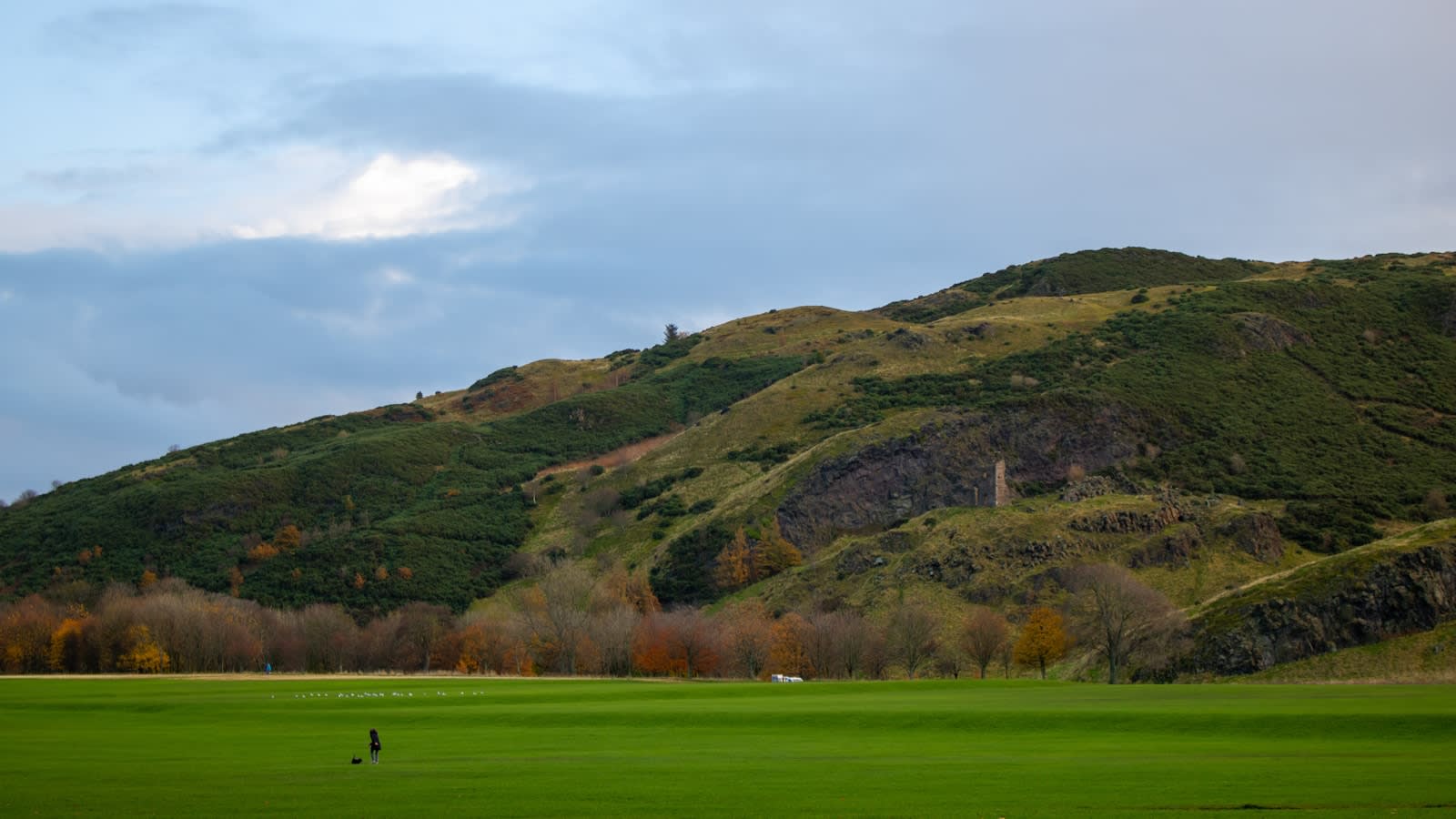
Dublin → focused western Ireland chapter → flight → Edinburgh → focused Highlands chapter
What makes it special
The pairing offers related heritage but clearly different cultural, landscape, and travel rhythms.
Reality check
Twelve days requires restraint, and a comprehensive circuit of both countries needs more time.
Advisor takeaway
Give each country a clear anchor and avoid sacrificing nights to backtracking.
Investment context
Based on two travelers sharing accommodations. International airfare is excluded. Final investment varies by country split, hotel level, private driver-guides, regional flights, rail or transfers, castle stays, included experiences, and season.
Travel Planning Center
Twenty practical decisions covering weather, driving, regional pacing, heritage, mobility, lodging, and country combinations.
Related Destinations
Choose the route before the castle list.
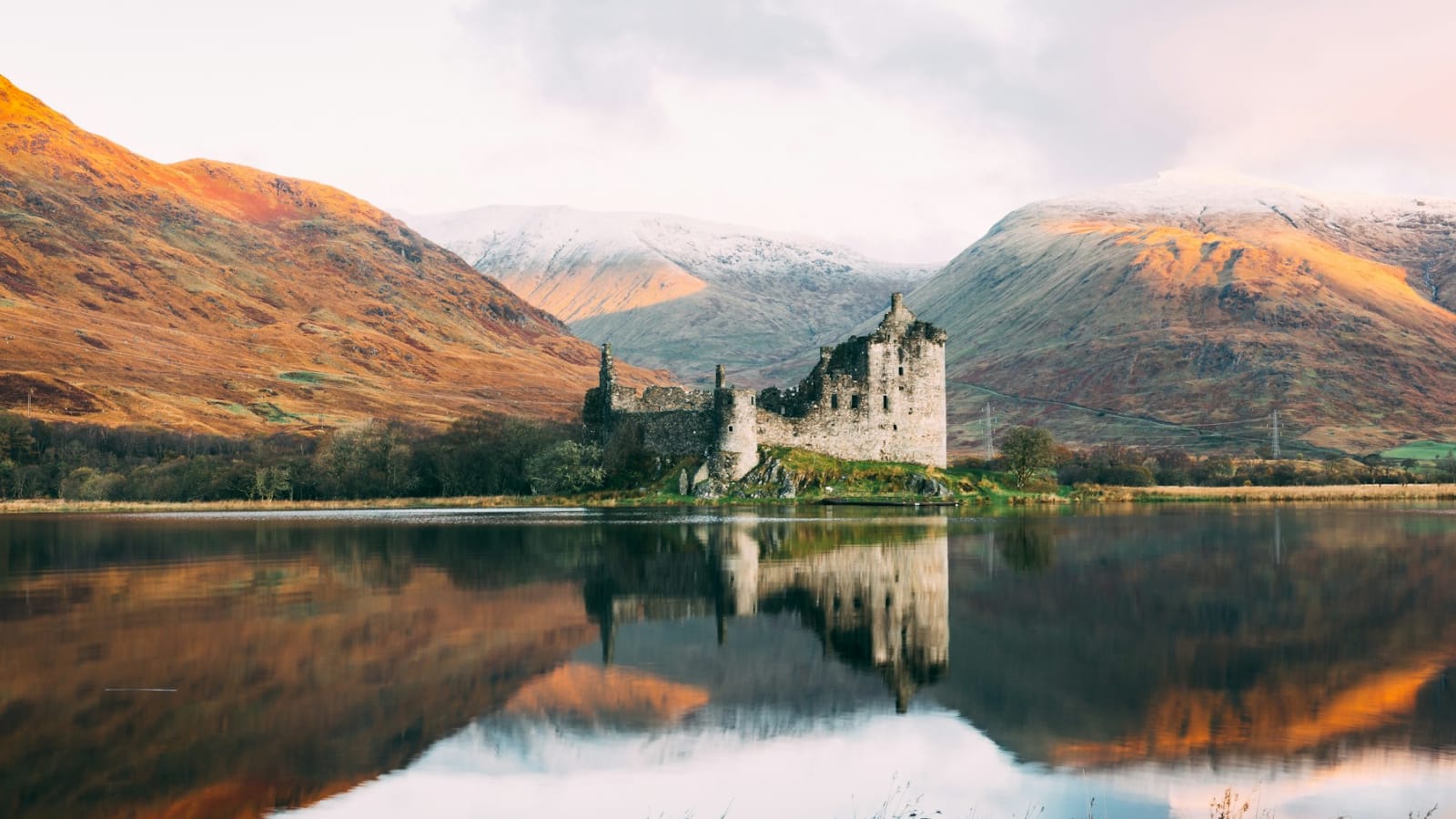
Castles, whisky, Edinburgh, Highlands drama, golf, and a distinct Celtic chapter.
Choose Ireland for music, conversation, and softer countryside rhythm; choose Scotland for castles, whisky, and Highland scale.

London polish. Countryside depth. Better pacing.
London culture, theater, royal history, countryside manors, and convenient transatlantic gateways.
England adds polished city and country-house contrast; Ireland keeps the trip more landscape, heritage, and music-led.

Fire, ice, and landscapes that don't look real — but the planning matters more than you think.
Volcanoes, glaciers, lagoons, waterfalls, and a dramatic stopover or standalone journey.
Iceland is more elemental and nature-intensive; Ireland is warmer, more social, and richer in heritage conversation.

Fjords, Northern Lights, and midnight sun — timing changes everything.
Fjords, rail, coastal voyages, Arctic seasons, and landscape-led northern travel.
Norway leads with large-scale fjord logistics; Ireland leads with approachable countryside, music, and story.
Advisor note: Ireland stands comfortably on its own. Add Scotland, England, Iceland, or Norway only when the duration, gateway, and transportation plan protect a meaningful chapter in each place.
Ireland FAQ
Plan about eight to ten days for Dublin and one coherent western arc. A slower private-driver journey, deeper heritage trip, or Ireland and Scotland combination benefits from additional time.
Self-drive can suit confident left-side drivers who value independence. A private driver-guide reduces fatigue on rural roads and adds storytelling, navigation, flexible stops, and easier access to countryside hotels.
May, June, and September often balance daylight, countryside touring, and crowds. July and August are busiest, while variable weather and rain are possible throughout the year.
Yes. Allow roughly twelve to sixteen days, link logical gateways by air, and give each country a focused chapter instead of attempting comprehensive circuits of both.
Ireland can be planned successfully, but historic hotels, castles, villages, coastal viewpoints, vehicles, and rural paths vary. Review steps, elevators, walking surfaces, weather exposure, drive length, and room access for the exact traveler.