Regional Guide · Africa
Africa
Game drives, Cape vineyards, ancient wonders, and island escapes off the eastern coast.
Destination Guides
Read the full guides for this region
 GuideKenyaKenya rewards travelers who choose regions by season and safari style rather than animal checklists. The Masai Mara, Amboseli, Samburu, Laikipia, Nairobi, and Diani each serve a different purpose. Strong planning protects game-drive time, limits camp changes, selects guides and reserve access carefully, and treats culture as relationship rather than performance.Read the Full Guide
 GuideTanzaniaTanzania rewards travelers who plan around ecosystems, season, and distance. The northern circuit offers extraordinary concentration and variety; the south trades famous names for remoteness. Zanzibar belongs when it receives enough time to become a true change of pace rather than another transfer.Read the Full Guide
%2C%20Table%20Mountain%2C%20Blick%20auf%20City%20Bowl%20--%202024%20--%202826.jpg?width=1800) GuideSouth AfricaSouth Africa works best as a layered journey rather than a safari with a city attached. Cape Town, the Winelands, the Cape Peninsula, a carefully chosen reserve, and the Garden Route each promise a different experience. Strong planning resolves flight geography, malaria preferences, reserve access, and pace before selecting hotels.Read the Full Guide
GuideSouth AfricaSouth Africa works best as a layered journey rather than a safari with a city attached. Cape Town, the Winelands, the Cape Peninsula, a carefully chosen reserve, and the Garden Route each promise a different experience. Strong planning resolves flight geography, malaria preferences, reserve access, and pace before selecting hotels.Read the Full Guide GuideBotswanaBotswana is defined by water, season, access, and exclusivity. Fly-in camps, small aircraft, changing flood levels, and high conservation costs make it a deliberate rather than casual safari choice. The best journeys pair complementary habitats and give each camp enough time.Read the Full Guide
 GuideNamibiaNamibia rewards travelers who embrace distance as part of the experience. Its signature route connects desert, coast, wildlife, and northern culture across long but cinematic roads. Strong planning decides self-drive confidence, guide value, lodge placement, vehicle comfort, and flight upgrades before adding stops.Read the Full Guide
 GuideMoroccoMorocco is most rewarding when travelers slow down enough to understand the medinas, landscapes, and hospitality behind the color. Private guides, well-located riads, realistic road days, and intentional desert choices protect the journey from becoming a market-and-photo checklist.Read the Full Guide
 GuideEgyptEgypt combines ancient sites, river travel, private Egyptologist guiding, and optional Red Sea recovery. Cruise quality, domestic flights, heat, and pacing shape the experience.Read the Full Guide
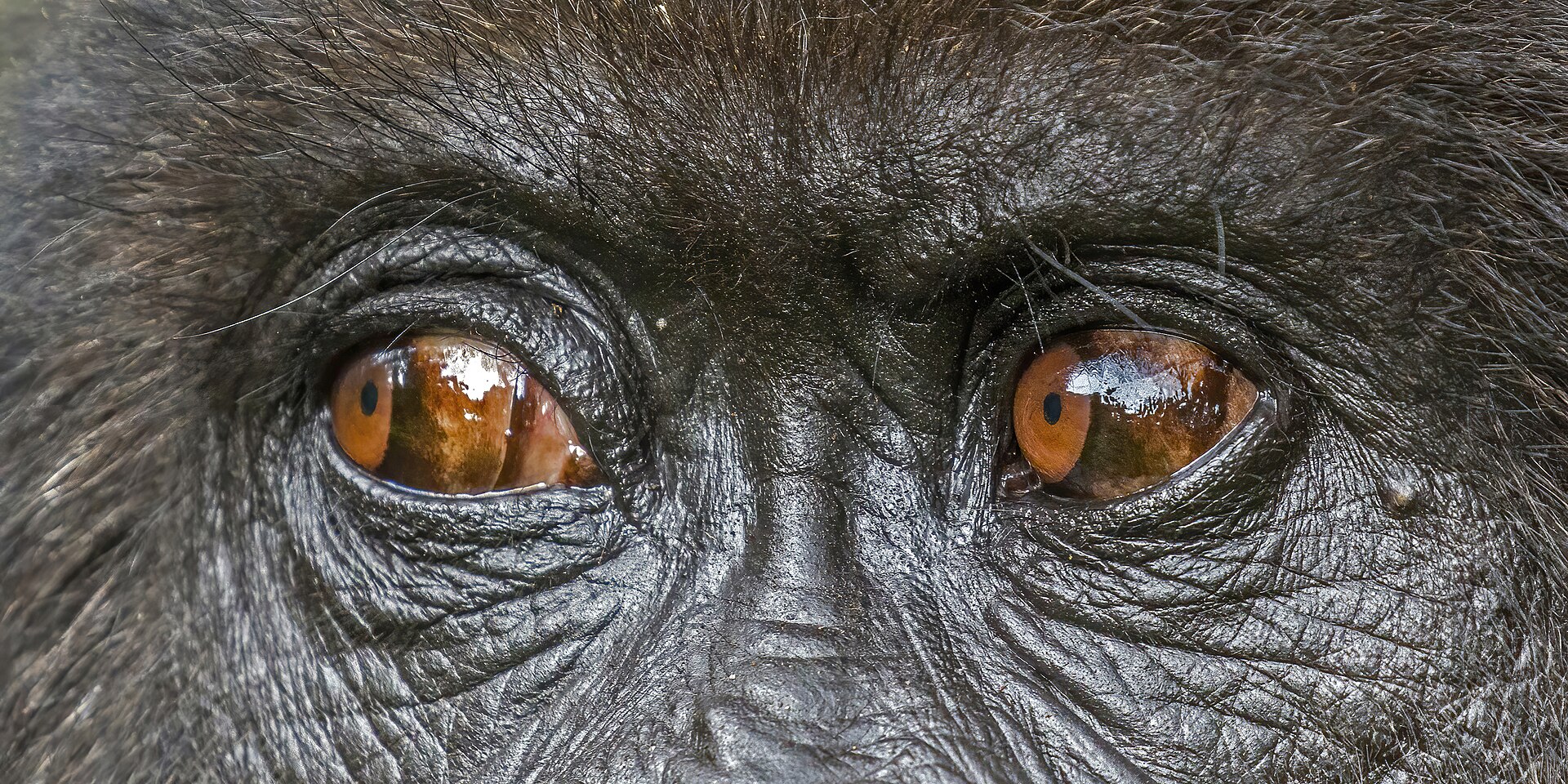 GuideRwandaRwanda is compact but not effortless. Trek permits, terrain, lodge position, road time, and the contrast between forest, savannah, and Kigali define the journey.Read the Full Guide
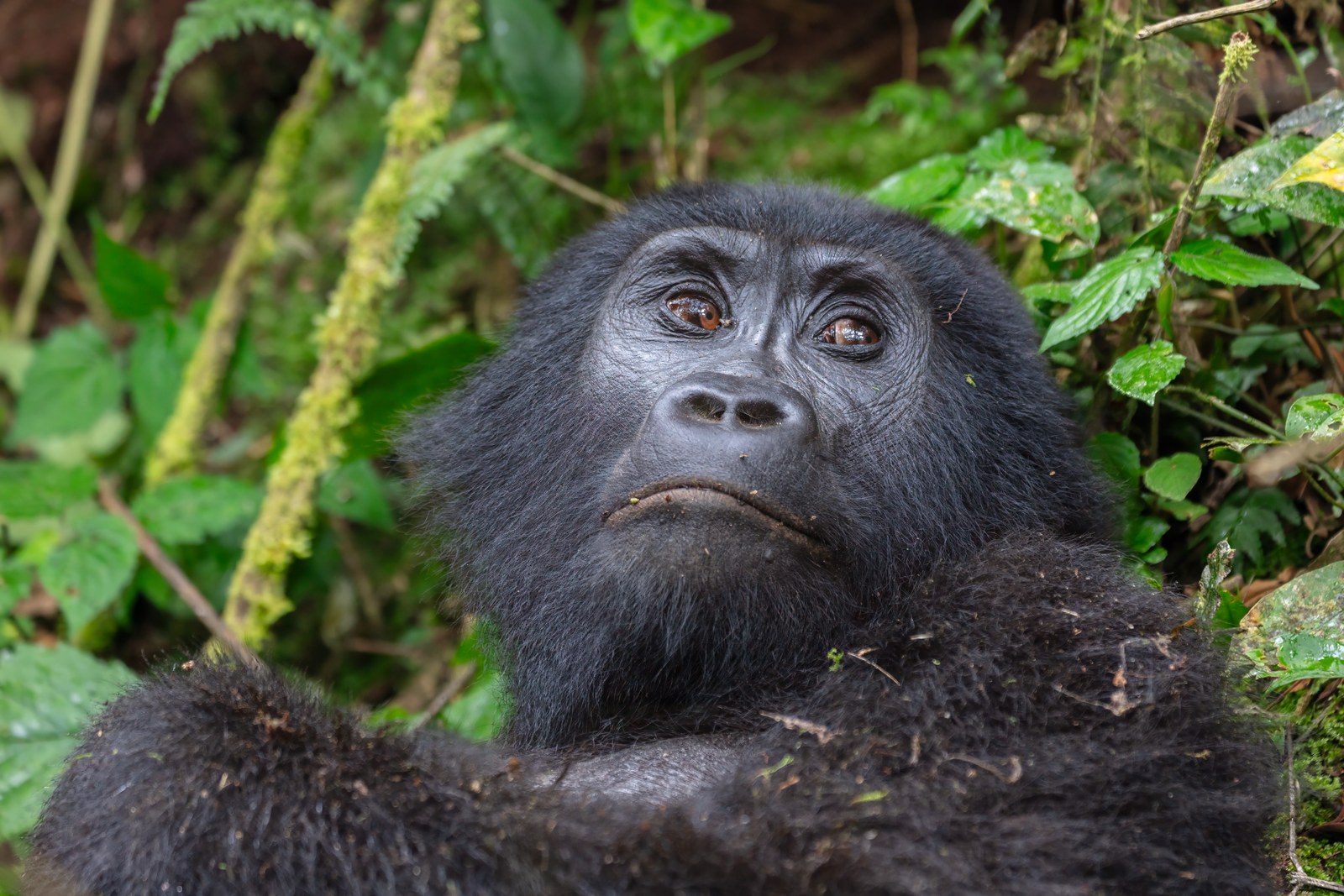 GuideUgandaPlan Uganda with an advisor who protects access, seasonality, pacing, and the reason each stop belongs.Read the Full Guide
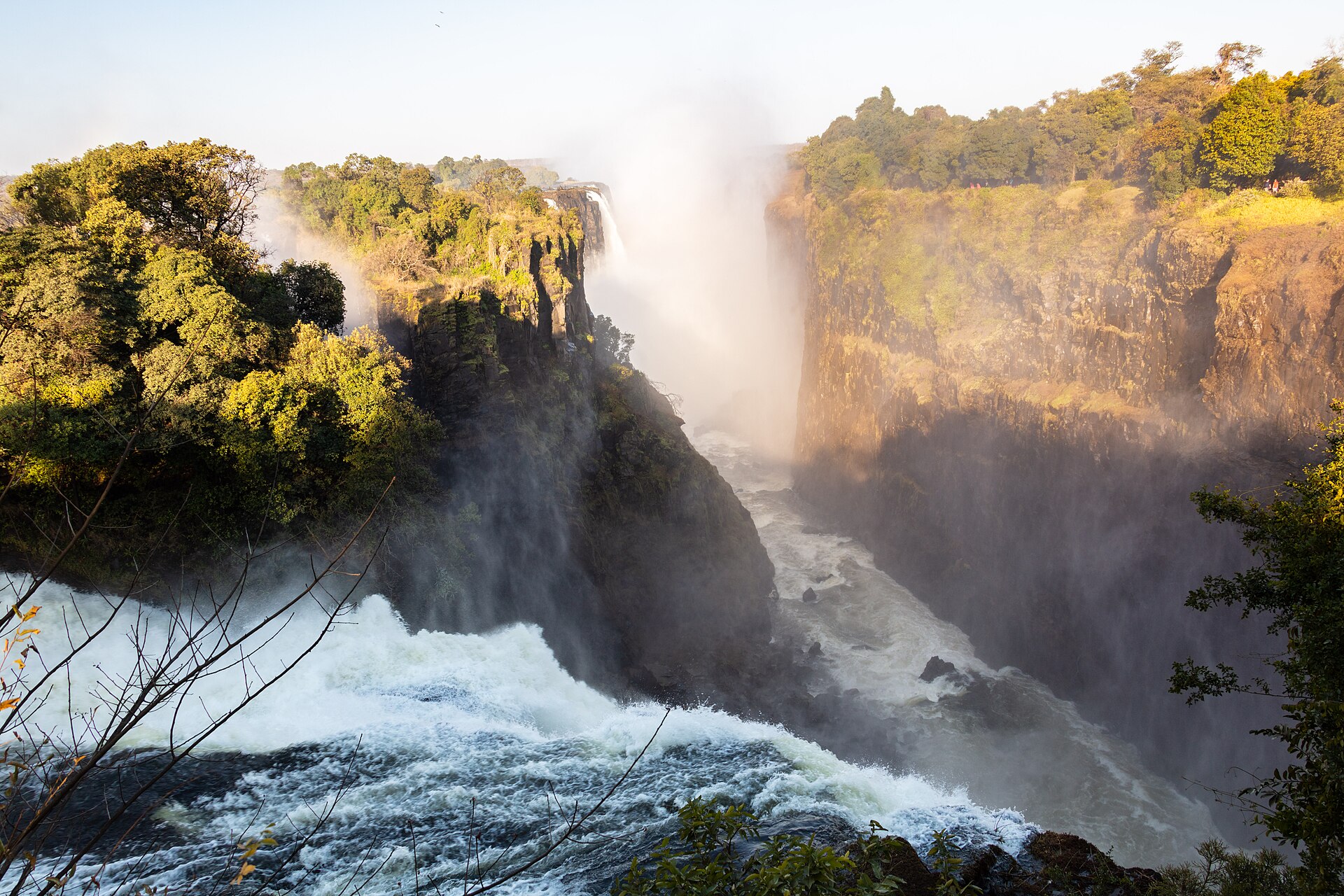 GuideZambiaZambia pairs Mosi-oa-Tunya with South Luangwa's walking tradition, the river-based Lower Zambezi, and remote parks that need deliberate flight and camp planning. The strongest route chooses two or three ecosystems and leaves enough time to experience each one well.Read the Full Guide
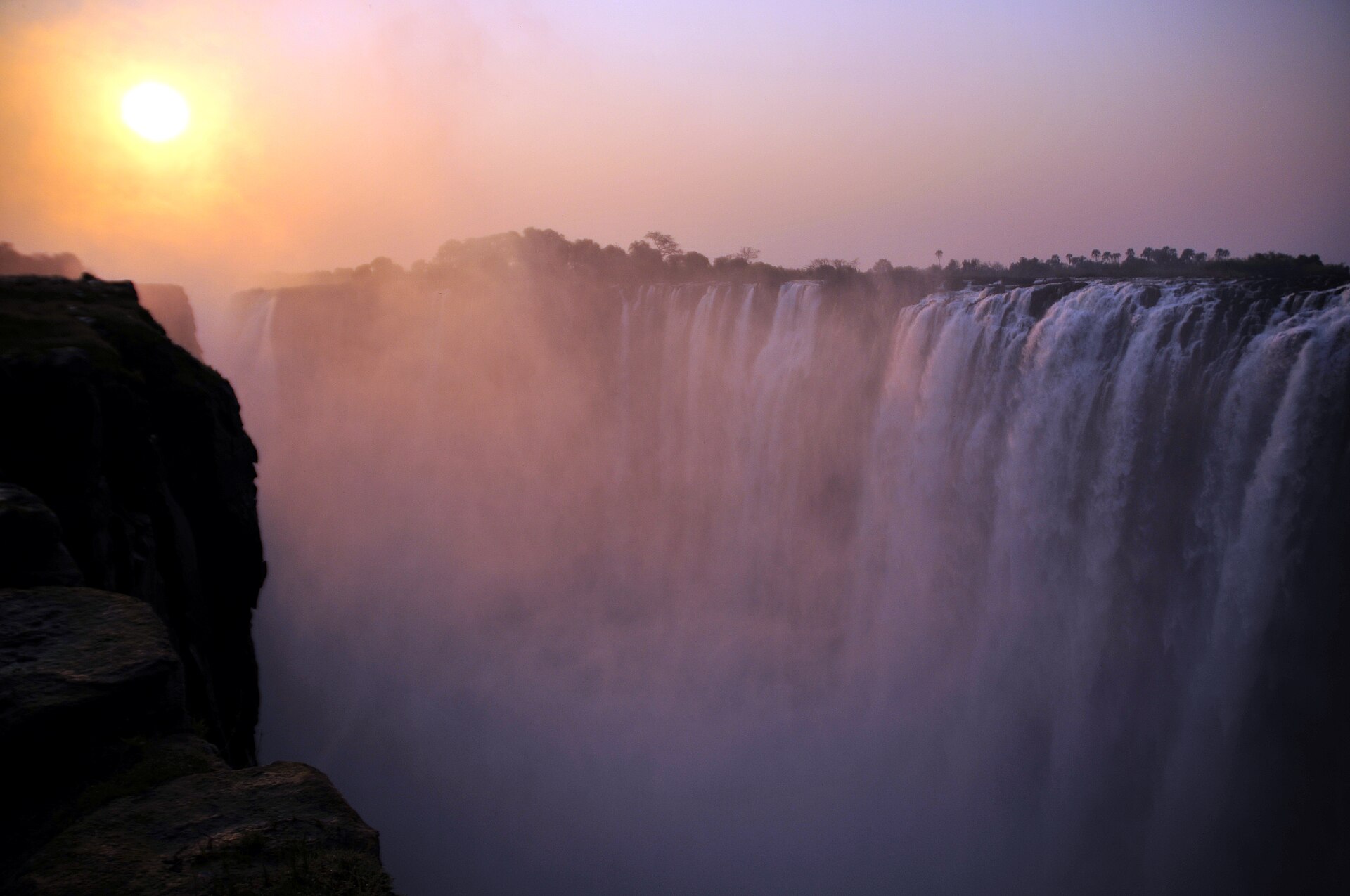 GuideZimbabweZimbabwe can join Victoria Falls, Hwange's waterhole country, Mana Pools' walking and canoeing traditions, and the stone cities and granite hills of the south. The best route chooses a clear safari rhythm and protects enough nights for the distances between regions.Read the Full Guide
Why Travel There
Plan Africa by the kind of trip you actually want.
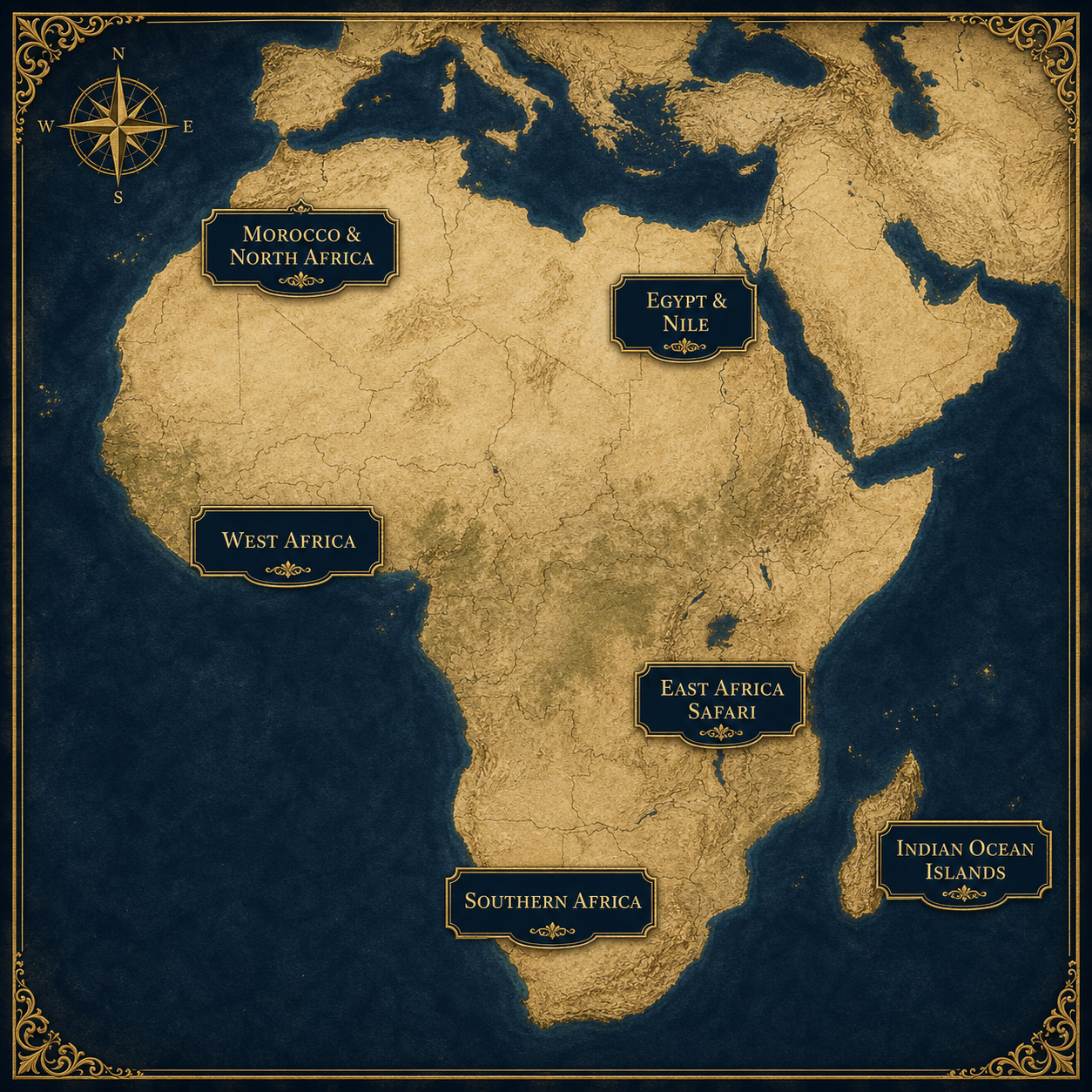
Africa planning depends heavily on season, lodge style, transfers, and how much wildlife time belongs in the trip. The right subregion keeps safari, desert, Nile, Cape, and island dreams from being forced into one generic itinerary.
Best For
- Safaris and wildlife-first journeys
- Egypt, Morocco, Cape Town, and wine country
- Indian Ocean beach extensions
Destination Guides
Explore Africa
Botswana
Mokoro channels in the Okavango Delta, elephant-rich Chobe, Moremi's mosaic, salt-pan horizons, and an intentionally low-density safari rhythm.
Botswana is defined by water, season, access, and exclusivity. Fly-in camps, small aircraft, changing flood levels, and high conservation costs make it a deliberate rather than casual safari choice. The best journeys pair complementary habitats and give each camp enough time.
Egypt
Cairo, Giza, Luxor, Aswan, and the Nile work best when the route is sequenced with care.
Egypt combines ancient sites, river travel, private Egyptologist guiding, and optional Red Sea recovery. Cruise quality, domestic flights, heat, and pacing shape the experience.
Kenya
Elephants beneath Kilimanjaro, the Mara's open plains, private conservancies, Samburu's dry north, Nairobi energy, and an Indian Ocean finish.
Kenya rewards travelers who choose regions by season and safari style rather than animal checklists. The Masai Mara, Amboseli, Samburu, Laikipia, Nairobi, and Diani each serve a different purpose. Strong planning protects game-drive time, limits camp changes, selects guides and reserve access carefully, and treats culture as relationship rather than performance.
Morocco
Jemaa el-Fnaa at sunset, Fez's living medina, High Atlas villages, Sahara horizons, garden riads, blue Chefchaouen, and a cuisine built for long tables.
Morocco is most rewarding when travelers slow down enough to understand the medinas, landscapes, and hospitality behind the color. Private guides, well-located riads, realistic road days, and intentional desert choices protect the journey from becoming a market-and-photo checklist.
Namibia
Deadvlei's sculptural trees, Sossusvlei's red dunes, Etosha waterholes, Atlantic fog, desert roads, and cultures rooted in one of Africa's most elemental landscapes.
Namibia rewards travelers who embrace distance as part of the experience. Its signature route connects desert, coast, wildlife, and northern culture across long but cinematic roads. Strong planning decides self-drive confidence, guide value, lodge placement, vehicle comfort, and flight upgrades before adding stops.
Rwanda
Gorilla trekking, Kigali, Nyungwe, and Akagera reward a carefully balanced wildlife and culture route.
Rwanda is compact but not effortless. Trek permits, terrain, lodge position, road time, and the contrast between forest, savannah, and Kigali define the journey.
South Africa
Cape Town beneath Table Mountain, the Winelands' estates, private-reserve wildlife, the Garden Route, and a country whose food, culture, and landscapes reward real time.
South Africa works best as a layered journey rather than a safari with a city attached. Cape Town, the Winelands, the Cape Peninsula, a carefully chosen reserve, and the Garden Route each promise a different experience. Strong planning resolves flight geography, malaria preferences, reserve access, and pace before selecting hotels.
Tanzania
The Serengeti's endless plains, Ngorongoro's natural amphitheater, Tarangire elephants, remote southern wilderness, and Zanzibar's Indian Ocean rhythm.
Tanzania rewards travelers who plan around ecosystems, season, and distance. The northern circuit offers extraordinary concentration and variety; the south trades famous names for remoteness. Zanzibar belongs when it receives enough time to become a true change of pace rather than another transfer.
Uganda
A deliberate Uganda journey shaped around its defining wildlife, landscapes, and local context.
Plan Uganda with an advisor who protects access, seasonality, pacing, and the reason each stop belongs.
Zambia
Walking country. Wild rivers. A safari that rewards depth over speed.
Zambia pairs Mosi-oa-Tunya with South Luangwa's walking tradition, the river-based Lower Zambezi, and remote parks that need deliberate flight and camp planning. The strongest route chooses two or three ecosystems and leaves enough time to experience each one well.
Zimbabwe
A thundering gorge, legendary guides, and landscapes shaped by stone and river.
Zimbabwe can join Victoria Falls, Hwange's waterhole country, Mana Pools' walking and canoeing traditions, and the stone cities and granite hills of the south. The best route chooses a clear safari rhythm and protects enough nights for the distances between regions.