
Advisor Starting Point
Vienna
Schönbrunn, the Belvedere, Hofburg, Ringstrasse, museums, coffeehouses, and performance planning reward at least three full days.

Destination Guide
Imperial cities, musical traditions, and alpine chapters in balance.
Austria works best when Vienna's cultural density, Salzburg's intimate scale, the Danube, and the Alps are given distinct roles. A strong route uses rail for the east-to-west spine and adds private touring only where rural access or deeper context earns it.
Travel styles
Experience Explorer
Choose the imperial, musical, Danube, lake, or mountain chapter that should lead the journey.
Schönbrunn, the Belvedere, Hofburg, Ringstrasse, museums, coffeehouses, and performance planning reward at least three full days.
Advisor insight
Vienna and Salzburg create the strongest first framework. Add Wachau, Salzkammergut, or Tirol only when the nights and transportation plan protect a meaningful regional stay.
Traveler fit
Advisor guidance
Vienna, Salzburg, Hallstatt, the Wachau, and Innsbruck look close on a map, but rural connections, lake-district touring, and east-to-west travel still consume time. Build the route around a clear city-and-region sequence.
Hallstatt is heavily visited, classical performances vary in quality and venue, and Christmas-market dates create compressed demand. Exact timing matters more than a generic best-season label.
Common planning mistakes
Norma, Dock 10 Travel
Honest tradeoffs
Best Ways to Experience Austria
Rail handles the major city corridor; private touring adds the most value in Wachau, the lake district, and selected alpine routes.
Best forTravelers focusing on Vienna, Salzburg, and Innsbruck with efficient city-center connections.
Advisor noteReserve performances and high-priority museums before filling the daily schedule.
Best forTravelers who want Melk Abbey, Dürnstein, vineyards, and Danube scenery with Vienna.
Advisor noteMatch the day to seasonal boats, winery access, cycling ability, and return logistics.
Best forTravelers adding Hallstatt, Wolfgangsee, Zell am See, Grossglockner, or rural Tirol.
Advisor noteUse a driver-guide on the days when rail and bus connections would turn scenery into logistics.
Best forTravelers pairing Austria with Germany, Czechia, Hungary, Switzerland, or Slovenia.
Advisor noteChoose one cross-border direction and protect Austria's own regional depth.
Advisor-built trip ideas
Investment estimates are planning ranges per person, based on two travelers sharing, and exclude international airfare unless stated otherwise. Final pricing depends on travel dates, availability and the personalized itinerary.

7–9 days
Austria's two essential city chapters connected by direct rail and paced for culture rather than checklists.
Best for
First-time visitors who want imperial Vienna and intimate Salzburg without unnecessary rural transfers.
Typical investment
$4,500–$7,500 per person
Route
Vienna → direct rail → Salzburg
What makes it special
Palaces, museums, coffeehouses, Mozart, fortress views, and carefully selected performances reveal two very different Austrian cities.
Reality check
Seven days leaves little room for both Wachau and Salzkammergut; choose the stronger extension.
Advisor takeaway
Protect three Vienna nights and two or three Salzburg nights before adding day trips.
Investment context
Planning range per person, based on two travelers sharing, excluding international airfare. Final pricing varies by season, hotel category, transportation, and private-guiding choices. Driven by Vienna and Salzburg hotel category, performance tickets, private city guiding, and peak Christmas-market or summer dates.

8–10 days
Vienna and Salzburg with a purposeful Danube chapter built around Melk, Dürnstein, and Wachau vineyards.
Best for
Culture, wine, history, and river-landscape travelers who want one focused rural contrast.
Typical investment
$5,500–$9,000 per person
Route
Vienna → Melk and Dürnstein in the Wachau → Salzburg
What makes it special
Imperial collections, a Baroque abbey, vineyard slopes, Danube villages, and Salzburg music create a layered cultural route.
Reality check
Boat schedules and winery access are seasonal; Wachau should not be improvised as a generic drive.
Advisor takeaway
Decide whether Wachau is a day trip or overnight based on wine, cycling, and desired pace.
Investment context
Planning range per person, based on two travelers sharing, excluding international airfare. Final pricing varies by season, hotel category, transportation, and private-guiding choices. Driven by Vienna and Salzburg accommodations, Wachau touring style, cultural admissions, private guiding, and seasonal event demand.

9–11 days
A westward landscape route from Salzburg through a chosen lake base to Innsbruck and Tirol.
Best for
Travelers prioritizing mountains, lakes, villages, soft adventure, and a smaller-city rhythm.
Typical investment
$6,500–$10,500 per person
Route
Salzburg → Wolfgangsee, Hallstatt, or Zell am See → Innsbruck and Tirol
What makes it special
Fortress views, clear lakes, alpine roads, mountain lifts, and Tirol's city-to-peak geography keep the landscape central.
Reality check
Hallstatt, Wolfgangsee, Zell am See, and Grossglockner do not all fit elegantly; select one coherent lake-and-mountain sequence.
Advisor takeaway
Use rail at the ends and private support where the rural middle would otherwise fragment.
Investment context
Planning range per person, based on two travelers sharing, excluding international airfare. Final pricing varies by season, hotel category, transportation, and private-guiding choices. Driven by alpine and lakes-region accommodations, private transportation outside rail corridors, mountain excursions, and summer or winter seasonality.

12–14 days
A disciplined east-to-west journey combining imperial Vienna, the Danube, Salzburg, and Innsbruck or a Tirol base.
Best for
Travelers with two weeks who want Austria's cultural and alpine range without adding another country.
Typical investment
$8,500–$13,500 per person
Route
Vienna → Wachau → Salzburg → Innsbruck and Tirol
What makes it special
The route moves from imperial collections and Danube vineyards to music, lakes, and the Nordkette above Innsbruck.
Reality check
Four regional chapters are the practical maximum; adding Prague, Budapest, Hallstatt, and Grossglockner would weaken the route.
Advisor takeaway
Use the rail corridor as the spine and make only the rural touring days private.
Investment context
Planning range per person, based on two travelers sharing, excluding international airfare. Final pricing varies by season, hotel category, transportation, and private-guiding choices. Driven by east-to-west routing, four regional stays, private Wachau or alpine touring, hotel category, and seasonal performance or holiday demand.
Travel Planning Center
Twenty practical decisions covering seasons, performances, rail, rural touring, hotels, access, pace, and regional combinations.
Related Destinations

Lakes, landmark peaks, and rail journeys with purpose.
Denser alpine rail, iconic peaks, lake cities, and polished mountain hotels.
Pair Tirol with eastern Switzerland only when the rail or transfer sequence protects both alpine chapters.
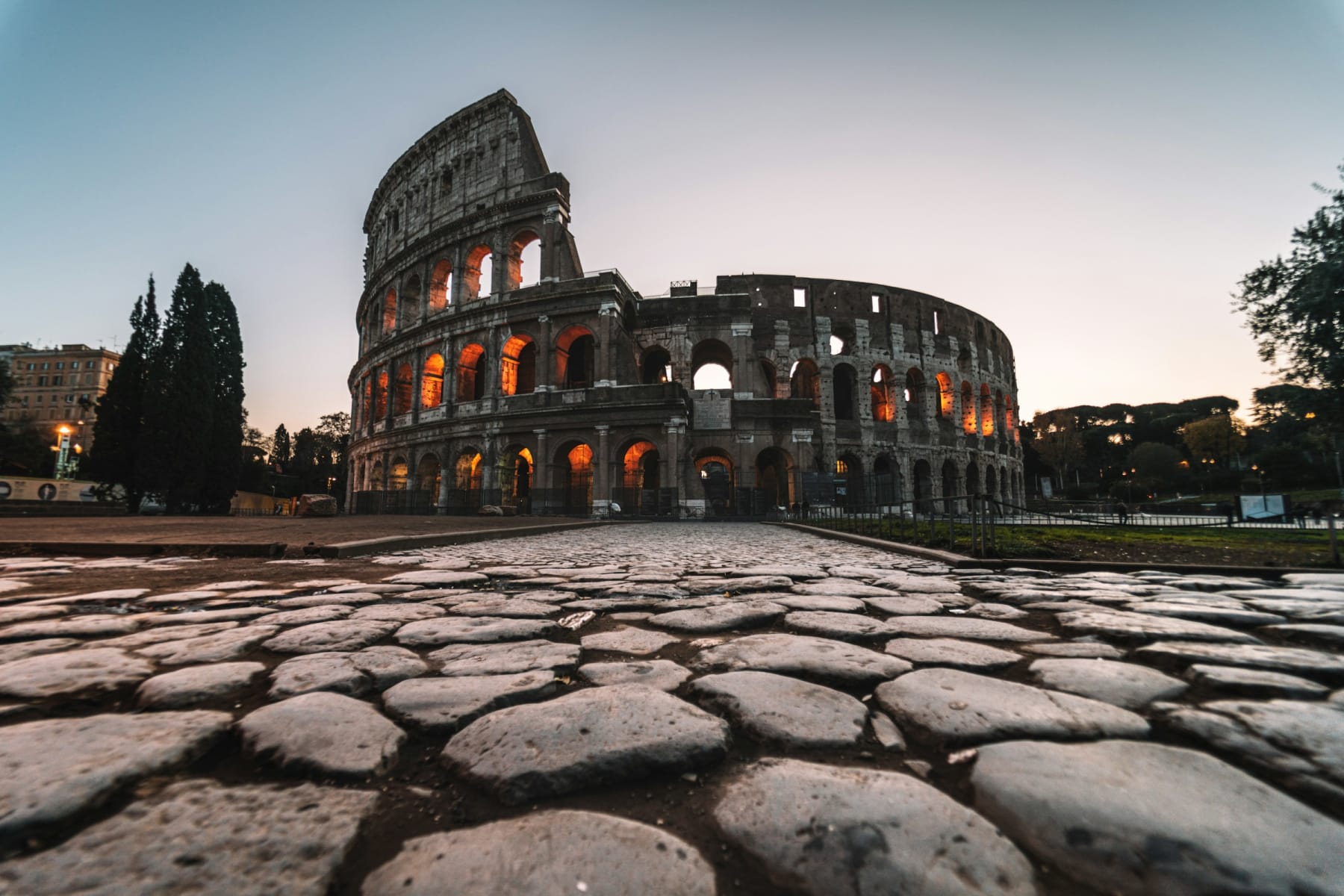
Food. Art. Coastlines. Timeless.
Art, food, regional cities, lakes, coast, and cultural variety south of the Alps.
Italy can follow Tirol or Salzburg, but a focused northern Italian region is stronger than a rushed national add-on.
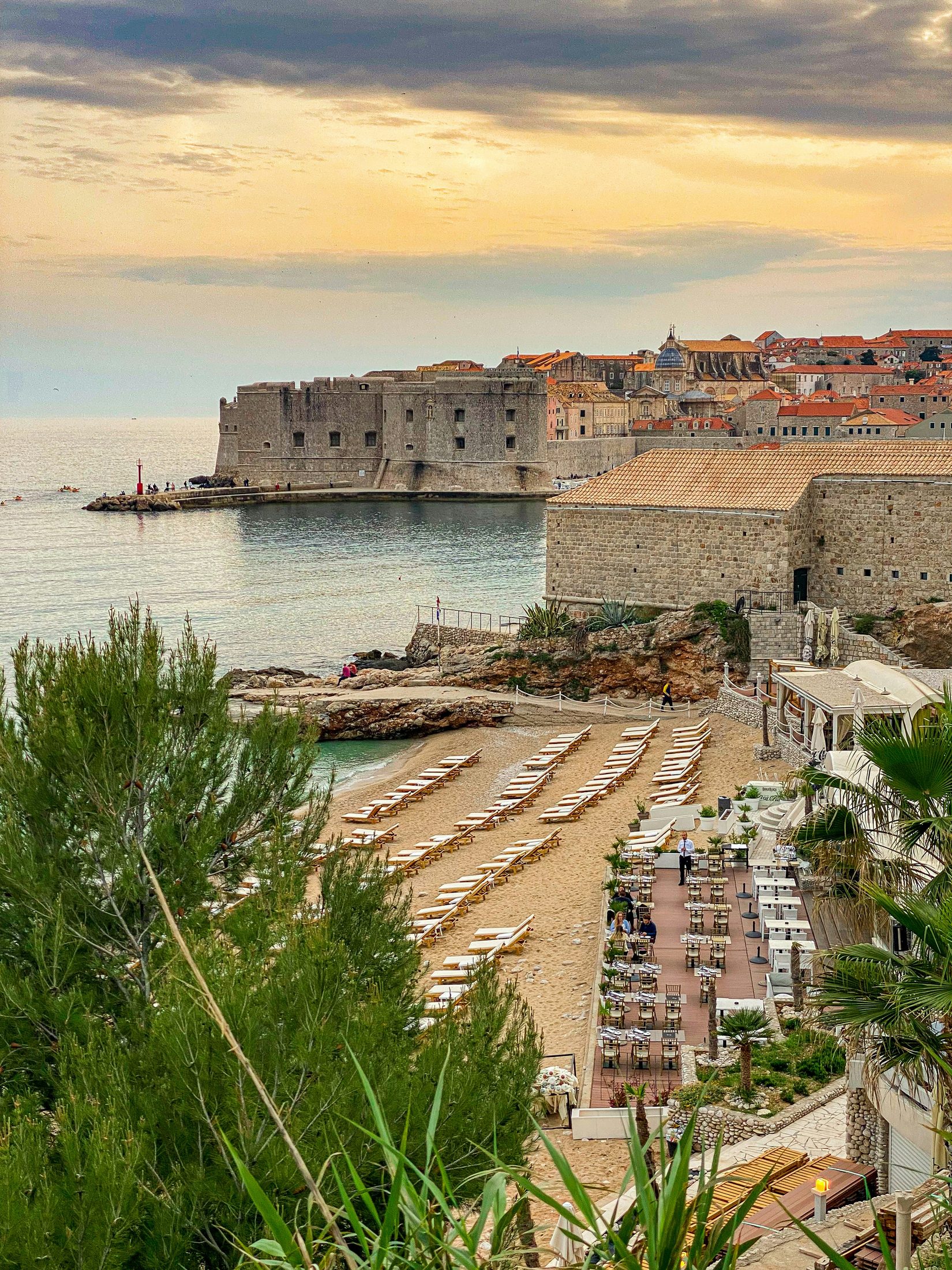
Adriatic coast, islands, walled cities, national parks, and a warmer finish.
Use Croatia as a substantial second chapter, not a brief detour from Vienna.
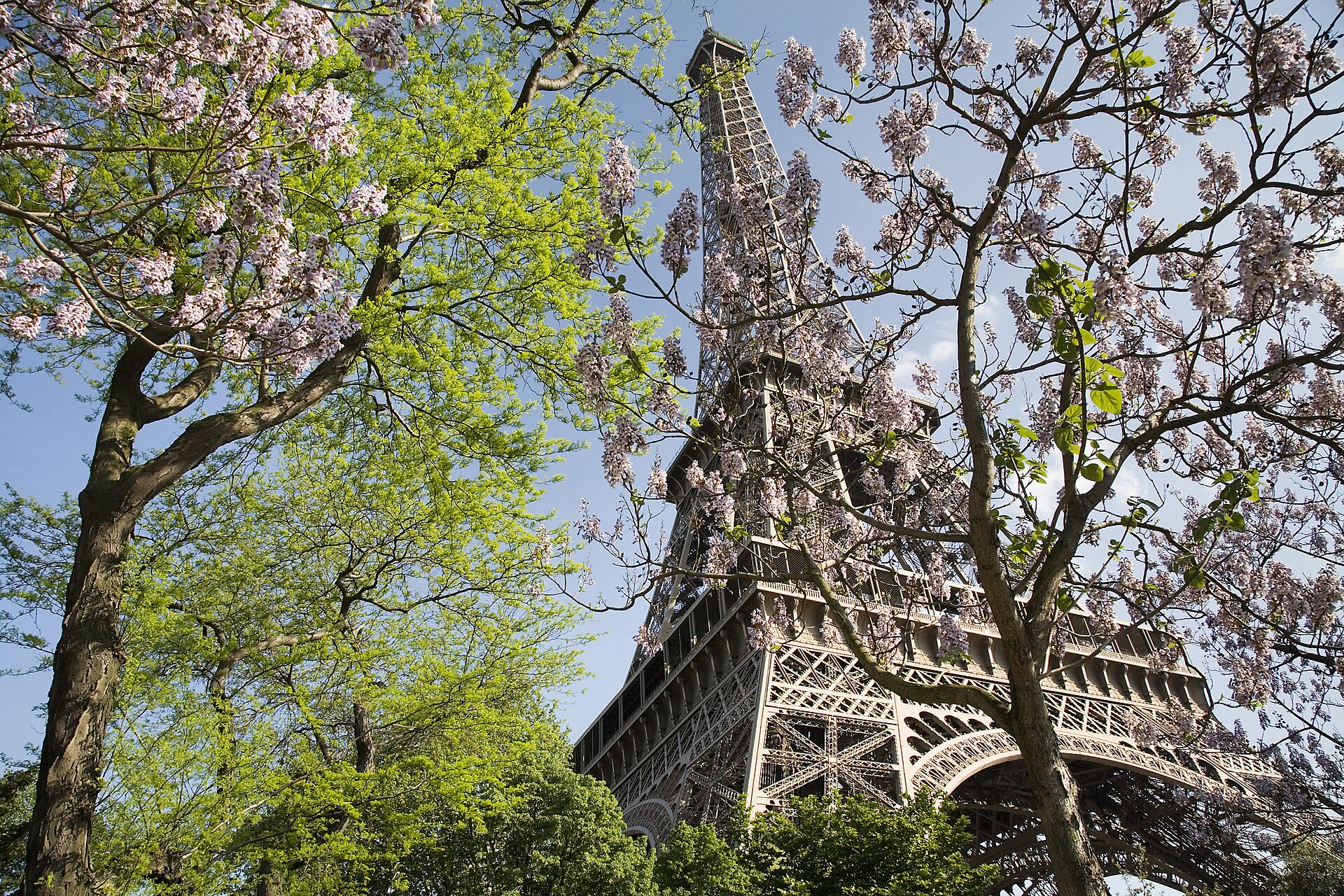
Art, food, wine, cities, countryside, and a broader cultural scale.
Choose France for greater regional breadth; choose Austria for a tighter city, music, Danube, and Alps sequence.
Advisor note: Austria can fill two weeks without another country. Add Germany, Czechia, Hungary, Switzerland, Slovenia, Italy, or Croatia only when the crossing is logical and neither destination becomes a checklist.
Austria FAQ
Plan seven to nine days for Vienna and Salzburg. Ten to fourteen days can add Wachau, Salzkammergut, Innsbruck, or Tirol without forcing one-night stays.
Give Vienna more time for museums, palaces, coffeehouses, neighborhoods, and performance depth. Give Salzburg two or three nights for the old town, fortress, music, and a purposeful lake or mountain extension.
Not for Vienna, Salzburg, and Innsbruck. Rail handles the city corridor well. A car or driver can improve Wachau, Salzkammergut, Grossglockner, and selected Tirol routes when rural flexibility matters.
It can be, especially as part of a wider Salzkammergut plan. Crowd timing, transportation, mobility, and whether Wolfgangsee, St. Wolfgang, or Bad Ischl belongs in the same chapter should be decided together.
It can be, but cobblestones, palace distances, station changes, historic hotel lifts, upper and lower town access, snow, mountain railways, cable cars, and lake boats vary. Review the exact route before booking.