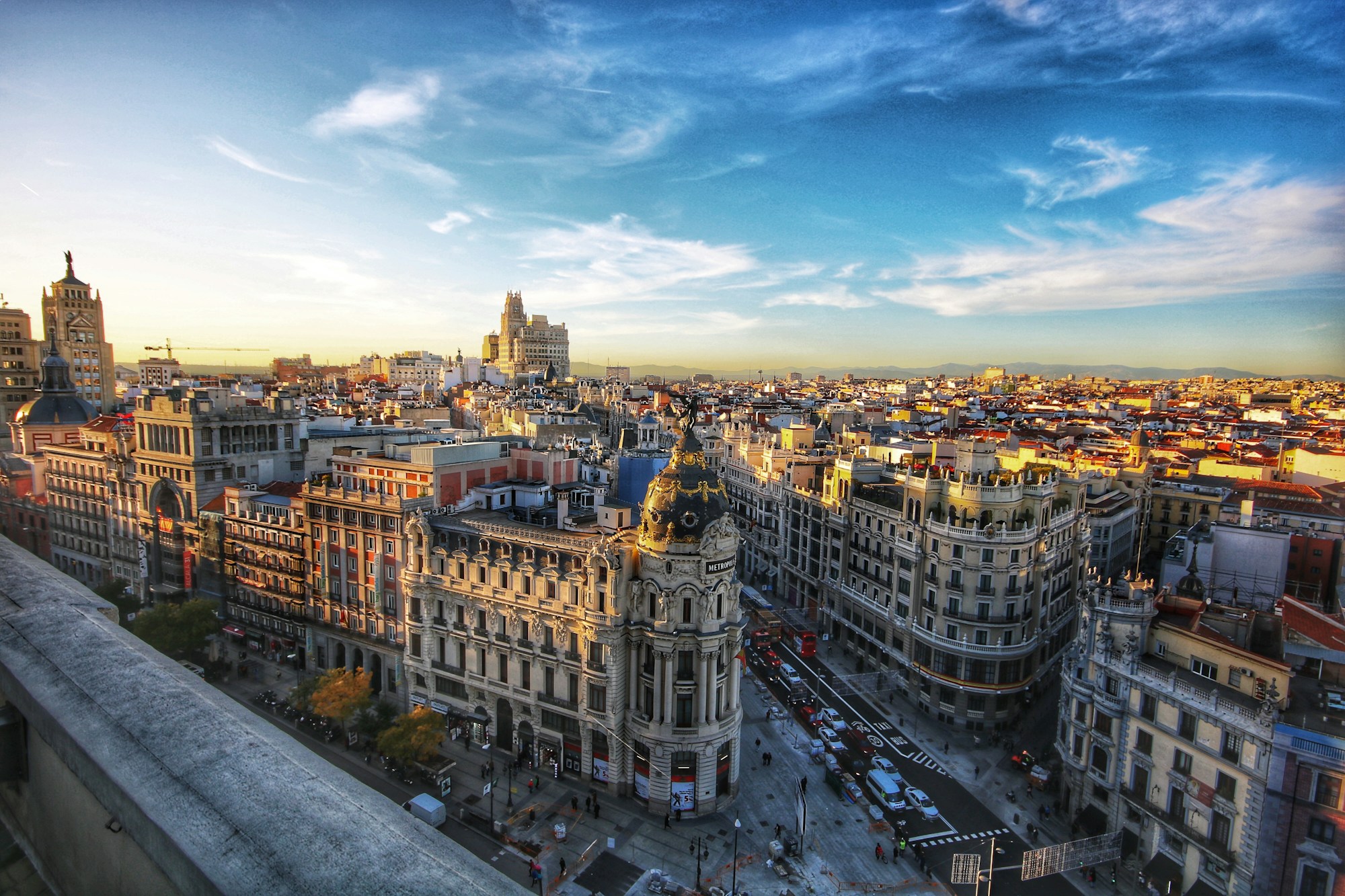
Advisor Starting Point
Madrid
Museums, plazas, food, elegant hotels, day trips, and a central launch point for rail-led Spain.
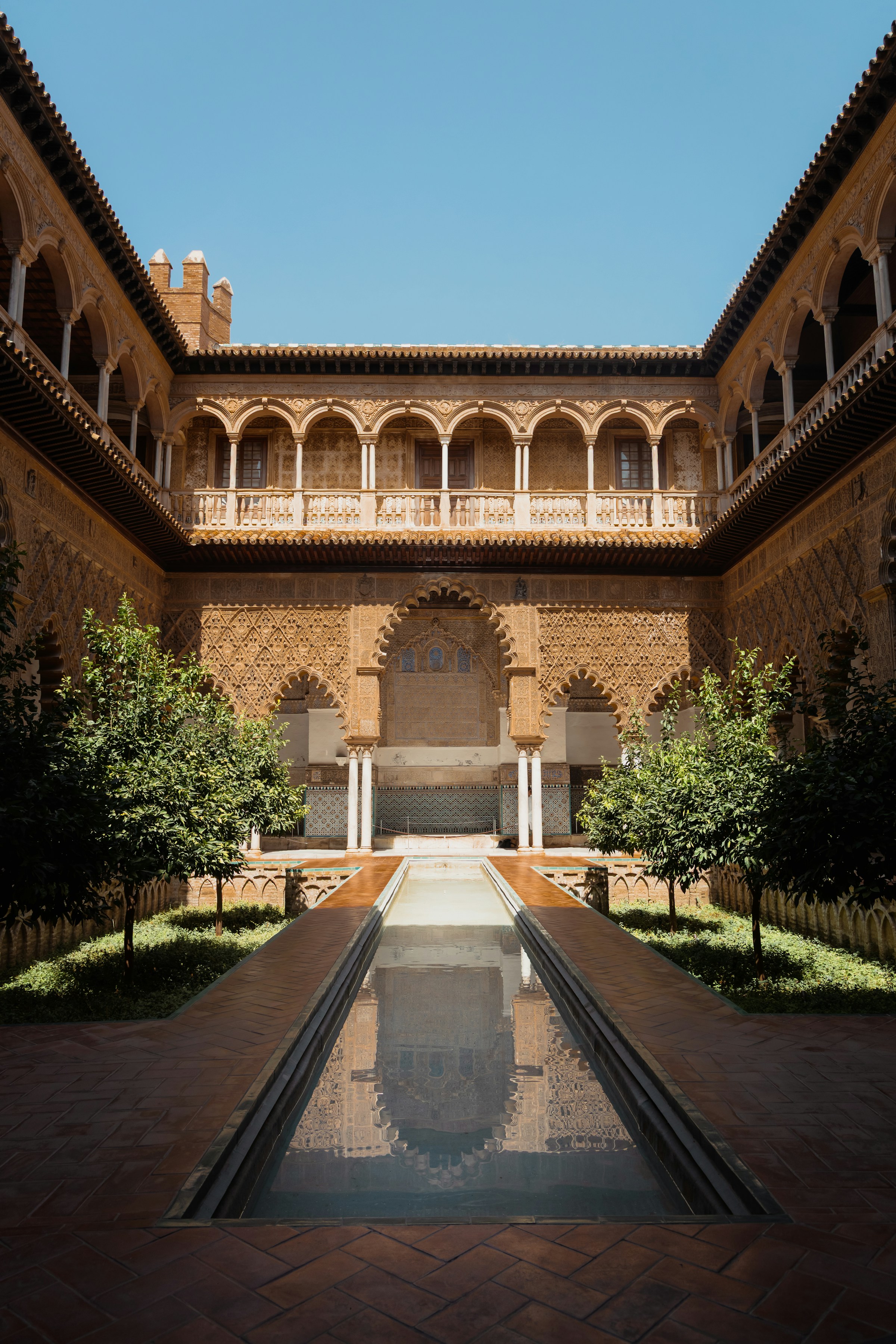
Destination Guide
Big culture. Distinct regions. Better pacing.
Spain becomes richer when Madrid, Barcelona, Andalusia, the Basque Country, Rioja, or the coast is allowed to set the rhythm. The strongest itinerary chooses a regional story instead of treating the country as a quick city checklist.
Travel styles
Experience Explorer
Choose the experience that should lead. It determines the route, transportation, hotel geography, and whether another region or country belongs.
Museums, plazas, food, elegant hotels, day trips, and a central launch point for rail-led Spain.
Advisor insight
Madrid or Barcelona can anchor a first trip, but Andalusia, Rioja, the Basque Country, Costa Brava, and Mallorca create very different second chapters. Choose the contrast before adding stops.
Traveler fit
Advisor guidance
Madrid, Barcelona, Andalusia, Rioja, the Basque Country, Mallorca, and the Costa Brava each create a different Spain. Efficient rail does not make every combination effortless.
Heat, crowds, meal timing, historic streets, hotel access, and regional transfers change how the trip feels. Spain rewards travelers who choose a rhythm before choosing a map.
Common planning mistakes
Norma, Dock 10 Travel
Honest tradeoffs
Advisor Guidance
Choose the format according to regional scope, desired independence, food and cultural priorities, mobility, and how much logistical support should be built in.
Best forCouples, food lovers, and travelers who want flexibility with polished private support.
Advisor noteSpain works beautifully when private guides, high-speed rail, drivers, and well-located hotels are sequenced with breathing room.
Best forTravelers who want city, culture, and regional context handled in a social format.
Advisor noteCompare group size, hotel location, guide quality, included meals, and daily pace before comparing the destination list.
Best forTravelers drawn to Rioja, San Sebastian, tapas, markets, vineyards, and meal-led days.
Advisor noteSpain becomes more memorable when meals and regional ingredients drive the route instead of filling free time.
Best forIndependent travelers linking Madrid, Barcelona, Seville, Cordoba, or another well-connected city.
Advisor noteRail is strong, but station access, luggage, seat class, timing, and the regional sequence still matter.
Advisor-built trip ideas
Four formats using planning ranges for guidance rather than guaranteed package prices or live supplier quotes.
%20(edited).jpg?width=1800)
9–11 days
Madrid and Barcelona pair with one slower regional chapter instead of becoming a rushed country sampler.
Best for
First-time Spain travelers who want iconic cities and one contrasting region.
Typical investment
From $4,500–$9,500 per person
Route
Madrid → Barcelona → Rioja, Costa Brava, or Seville
What makes it special
Big-city art and architecture are balanced by food, coast, or southern atmosphere.
Reality check
Adding Andalusia, Mallorca, northern Spain, and Portugal makes this route feel scattered.
Advisor takeaway
Choose the third chapter for contrast and protect enough nights for it to change the pace.
Investment context
Based on two travelers sharing accommodations. International airfare is excluded. Final investment varies by hotel category, private guiding, high-speed rail class, selected third region, included experiences, and travel season.

8–10 days
A southern route through Seville, Cordoba, and Granada built around architecture, music, food, and unhurried evenings.
Best for
Travelers drawn to layered history, architecture, flamenco, and a distinct southern mood.
Typical investment
From $4,800–$10,500 per person
Route
Seville → Cordoba → Granada → optional Madrid
What makes it special
Moorish architecture, courtyards, plazas, flamenco, and late-day atmosphere create a cohesive regional story.
Reality check
Summer heat and monument timing matter; this should not be treated as a checklist sprint.
Advisor takeaway
Protect mornings for major sites and leave evenings open enough for Andalusia's rhythm to emerge.
Investment context
Based on two travelers sharing accommodations. International airfare is excluded. Final investment varies by boutique or palace hotel level, private guiding, rail and driver arrangements, timed monument access, season, and included cultural experiences.

9–12 days
A meal-led journey through Rioja, San Sebastian, the Basque Country, Madrid, or Barcelona.
Best for
Food lovers, wine travelers, couples, and repeat-Europe guests who want regional depth.
Typical investment
From $6,500–$13,500 per person
Route
Madrid or Barcelona → Rioja → San Sebastian and the Basque Country
What makes it special
Markets, tapas, pintxos, wine estates, destination dining, and local rhythm make food the route's design pillar.
Reality check
This is not the strongest format when beach time or nonstop sightseeing is the priority.
Advisor takeaway
Use private transfers strategically and let one extraordinary meal anchor the place around it.
Investment context
Based on two travelers sharing accommodations. International airfare is excluded. Final investment varies by hotel category, private tastings, winery and regional transfers, guided market or pintxos experiences, dining inclusions, routing, and season.

14+ days
An Iberian pairing that protects Spain's energy and Portugal's softer wine-and-coast rhythm instead of blurring the two countries.
Best for
Travelers who want two distinct Iberian personalities and have enough time for both.
Typical investment
From $8,500–$17,500 per person
Route
Barcelona or Madrid → Seville or Rioja → Lisbon → Porto or the Douro
What makes it special
Cities, food, wine, architecture, and coast unfold through two related but clearly different cultures.
Reality check
Under twelve days usually forces too many compromises and makes the border crossing the itinerary.
Advisor takeaway
Edit each country to one clear story and use gateways that minimize backtracking.
Investment context
Based on two travelers sharing accommodations. International airfare is excluded. Final investment varies by hotel category, selected regions, high-speed rail or flight arrangements, private transfers, guided experiences, cross-border routing, and travel season.
Travel Planning Center
Twenty practical decisions covering season, route, rail, regional differences, coast, mobility, food, and traveler comfort.
Related Destinations

Wine, historic cities, Atlantic coast, islands, and a softer Iberian pace.
Choose Portugal for gentler logistics and Atlantic rhythm; choose Spain for larger city energy and stronger regional contrast.

Paris, countryside, Riviera atmosphere, food, wine, and polished cultural depth.
France often feels more formal and refined; Spain feels more energetic, regional, and late-night.
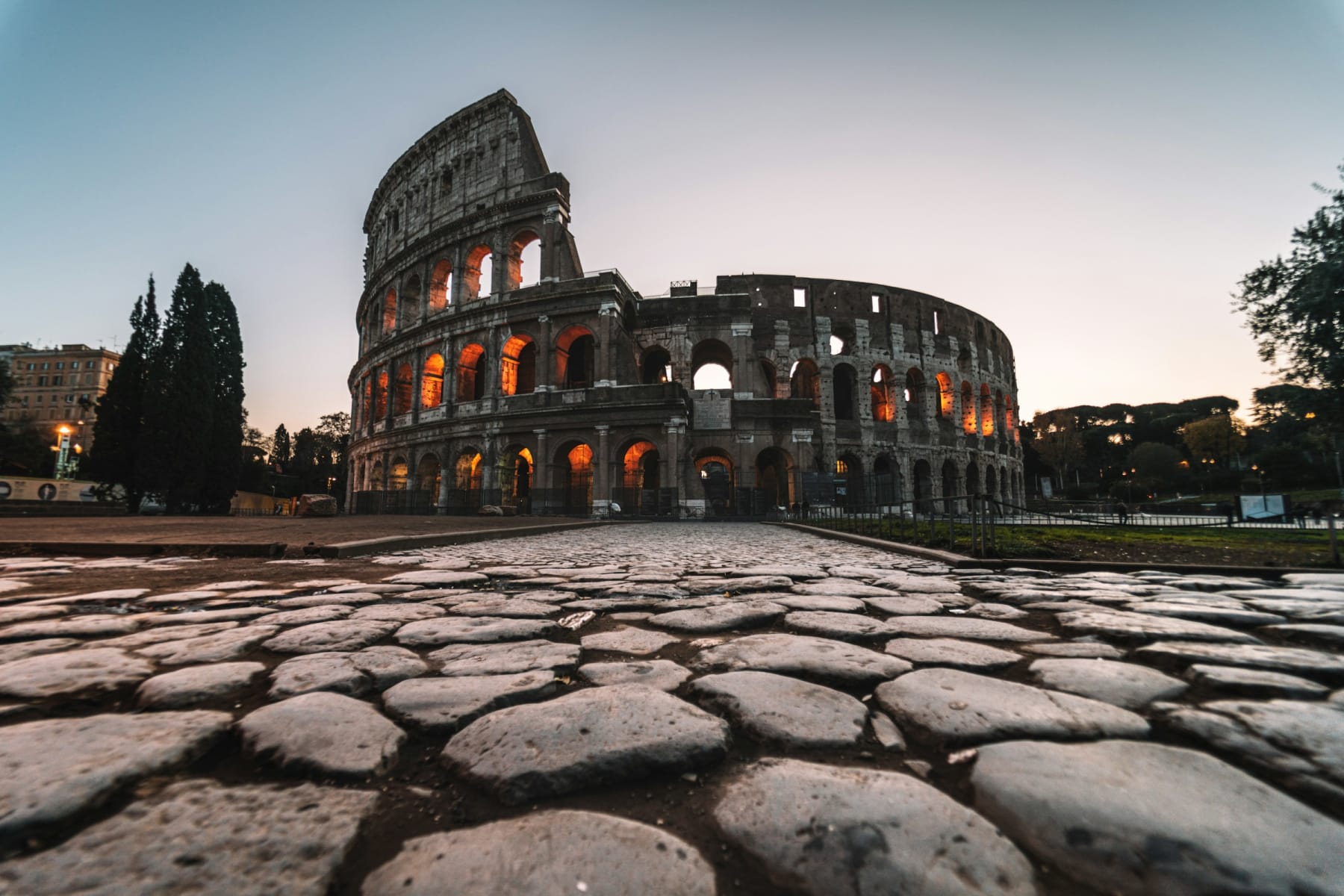
Food. Art. Coastlines. Timeless.
Dense art history, iconic cities, countryside, coast, and deeply regional food.
Choose Italy for classic art-route depth; choose Spain for Iberian architecture, regional identity, and a different food rhythm.

Jemaa el-Fnaa at sunset, Fez's living medina, High Atlas villages, Sahara horizons, garden riads, blue Chefchaouen, and a cuisine built for long tables.
Riads, medinas, design, food, Atlas landscapes, desert, and a strong cultural contrast.
Choose Morocco for a more immersive North African journey; choose Spain for easier rail, European cities, and regional combinations.
Advisor note: Spain stands comfortably on its own. Add Portugal, France, Italy, or Morocco only when the duration protects the contrast and the transportation plan does not become the trip.
Spain FAQ
Plan about 9–11 days for Madrid, Barcelona, and one carefully chosen regional chapter. Longer trips can add Andalusia, northern Spain, an island, or Portugal without turning every day into transit.
Choose Madrid for major museums, plazas, central rail access, and links to Andalusia or northern Spain. Choose Barcelona for architecture, design, neighborhoods, dining, and a Mediterranean city setting.
Spring and fall often balance cities, culture, and comfortable touring. Summer can suit northern coast and island plans, while Andalusia and inland cities require a deliberate heat and pacing strategy.
Yes. The approved archetype uses 14 days or more, a restrained route, and clean gateways so both countries retain a distinct identity.
Spain can be planned successfully, but conditions vary by city, station, hotel, historic district, monument, and coast. Review steps, cobblestones, elevators, rail assistance, vehicle access, walking distances, and heat for the exact route.