Regional Guide · North America
North America
From Alaska's glaciers to Hawaii's shores — and every national park, coast, and city in between.
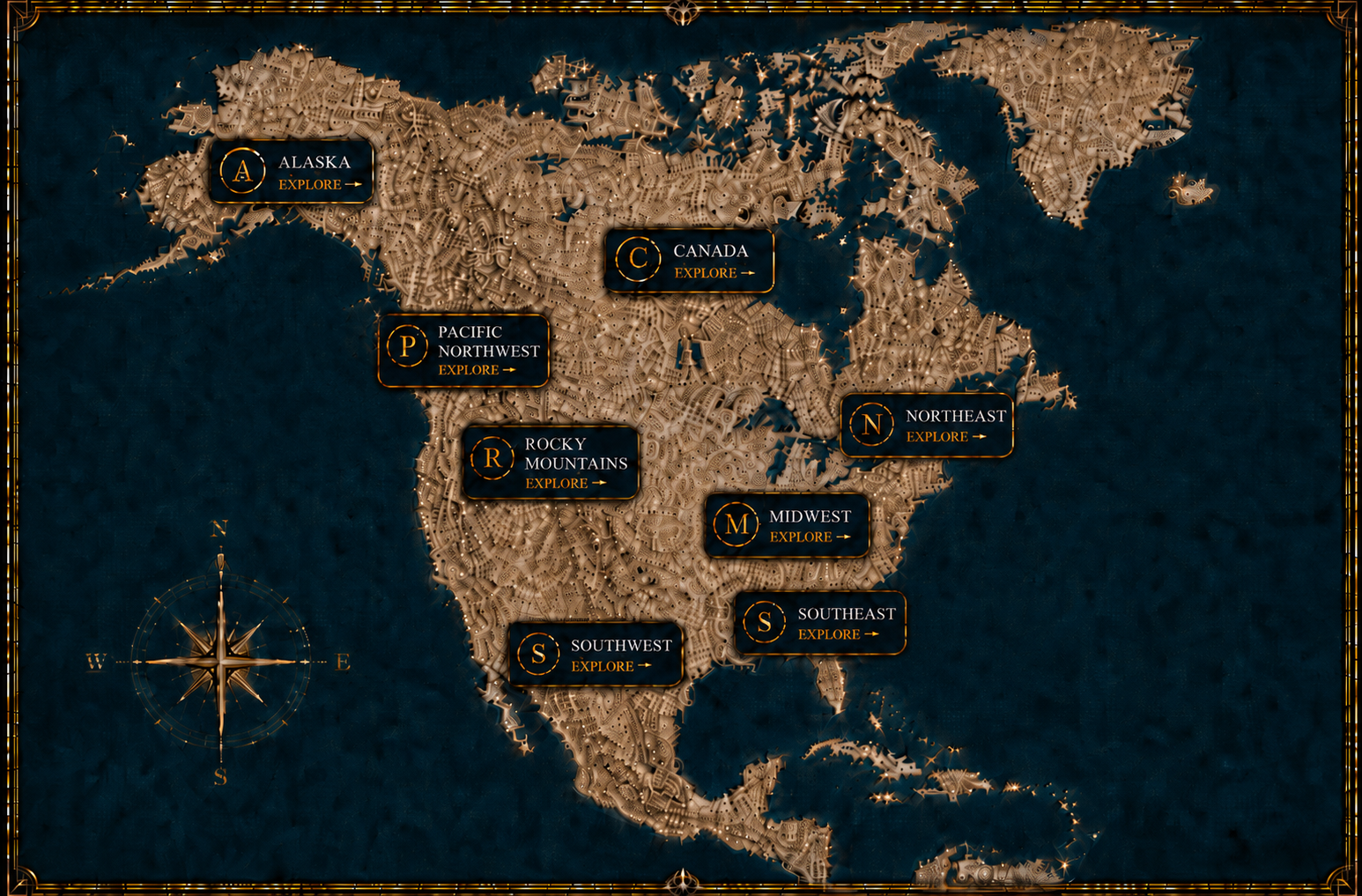
Destination Guides
Read the full guides for this region
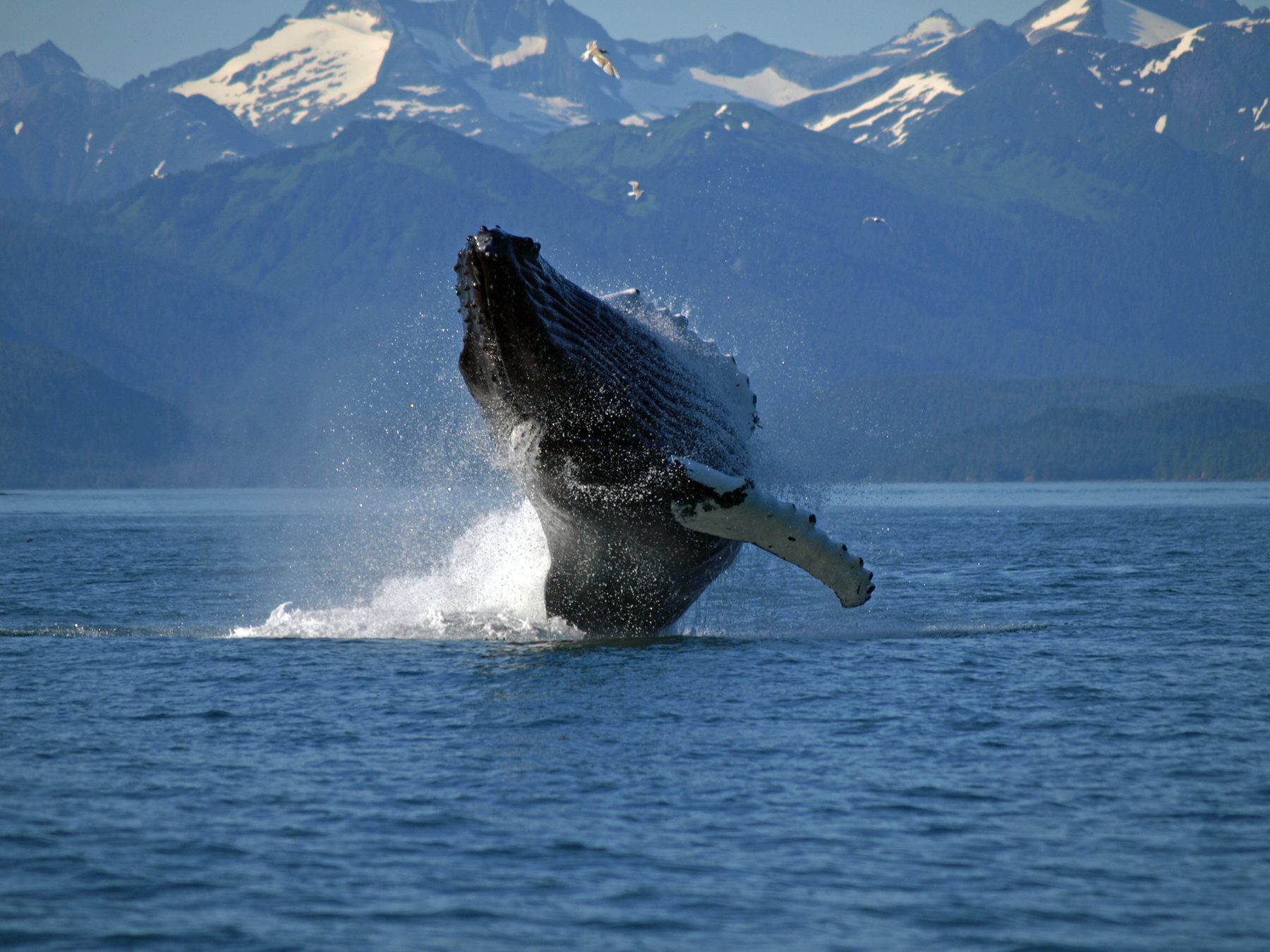 GuideAlaskaAlaska is several trips inside one state. Southeast fjords and ports, Denali and the Interior, Anchorage and the Kenai Peninsula, rail corridors, wildlife, glaciers, and expedition access require different logistics. The strongest plan starts with cruise, land, or a deliberate combination—then protects enough time for the route to work.Read the Full Guide
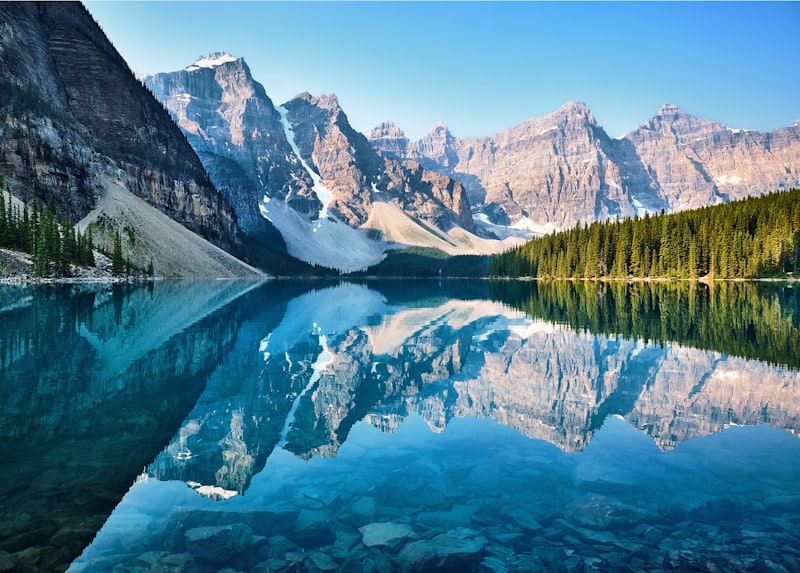 GuideCanadaCanada rewards a clear regional point of view: mountain scale in the Rockies, Pacific energy in British Columbia, French-influenced culture in Quebec, or a longer rail story. The strongest itinerary gives one Canada enough time to feel complete.Read the Full Guide
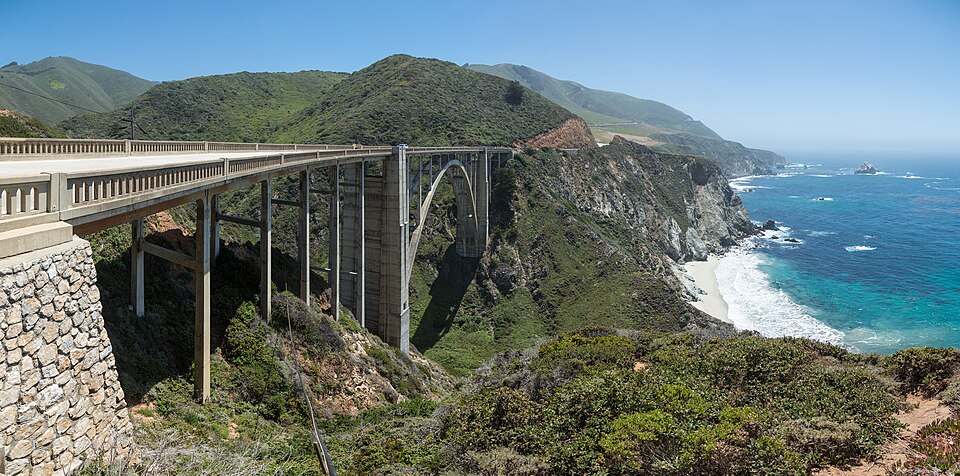 GuideCaliforniaCalifornia is not a list of famous cities. The right trip chooses a geographic spine—Northern California, Highway 1, Southern California, or the national parks—and gives each stop a distinct purpose. This guide helps you decide what belongs together, what needs more time, and what should wait for another journey.Read the Full Guide
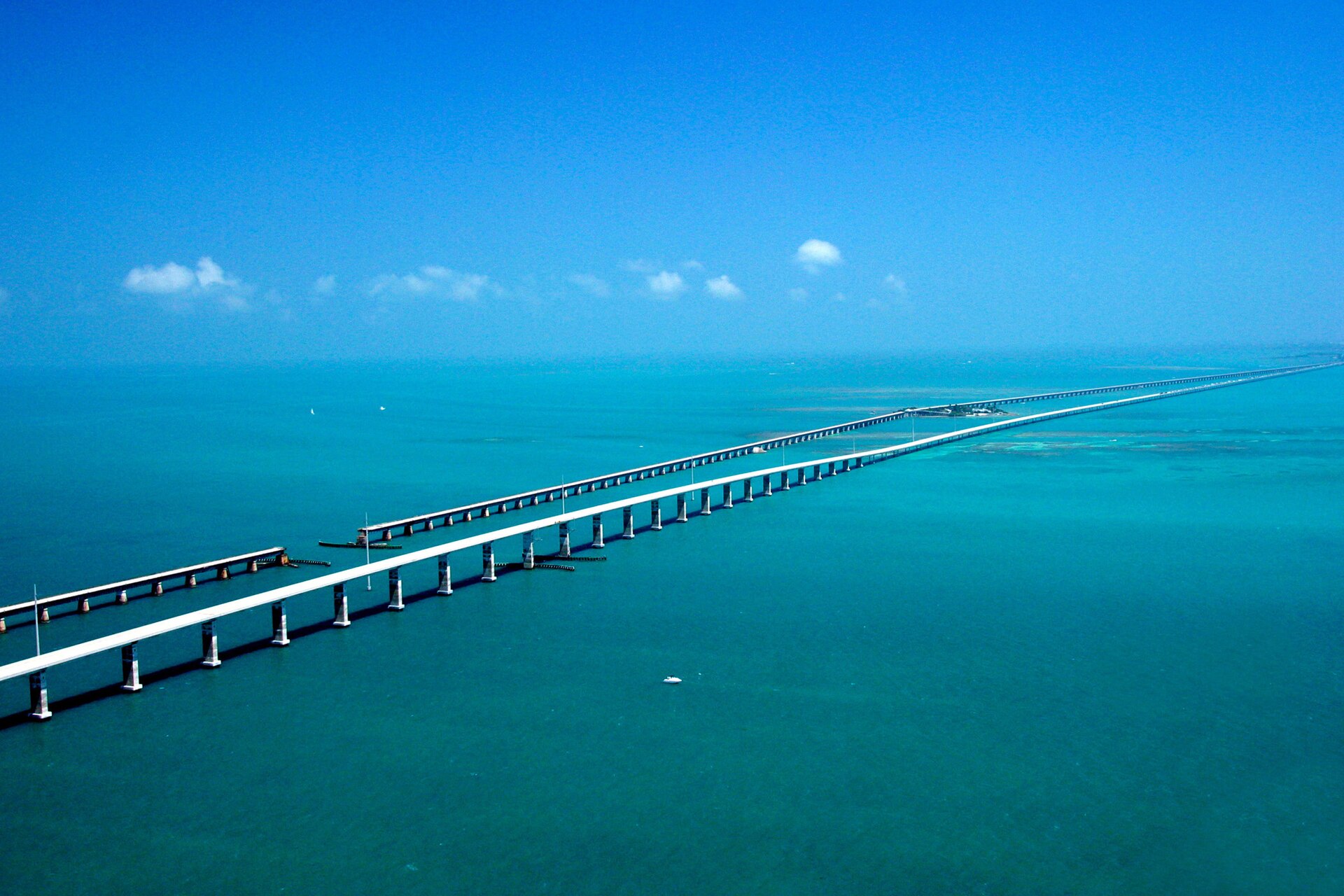 GuideFloridaFlorida works when the trip has a point of view. Choose family entertainment, a South Florida road journey, Gulf Coast restoration, nature, or a larger state narrative—then connect only the chapters that earn their travel time.Read the Full Guide
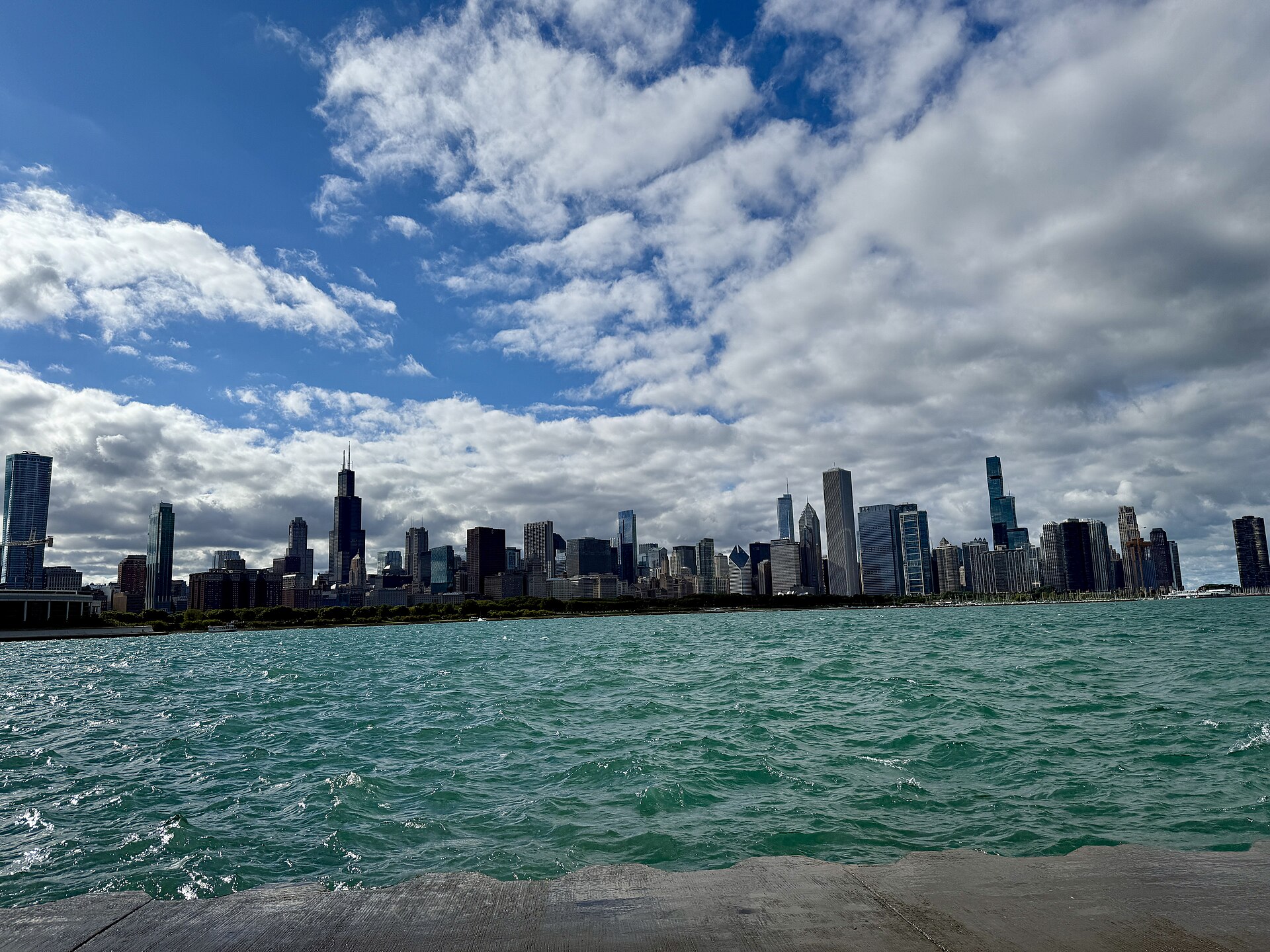 GuideGreat LakesThe Great Lakes are not one drive-around-the-water checklist. Strong trips choose a geographic spine—Chicago and Wisconsin, northern Michigan, or the Lake Erie cities—then protect ferry schedules, seasonal access, and enough nights for places with very different rhythms.Read the Full Guide
 GuideHawaiiHawaii is an island system, not a single resort promise. Oʻahu layers Honolulu, Waikīkī, royal history, museums, food, and surf culture; Maui balances resort time with Haleakalā and the Road to Hāna; Hawaiʻi Island adds living volcanoes and enormous driving scale; Kauaʻi rewards travelers who prioritize nature and a quieter rhythm. The strongest plan protects culture, community, and realistic island time.Read the Full Guide
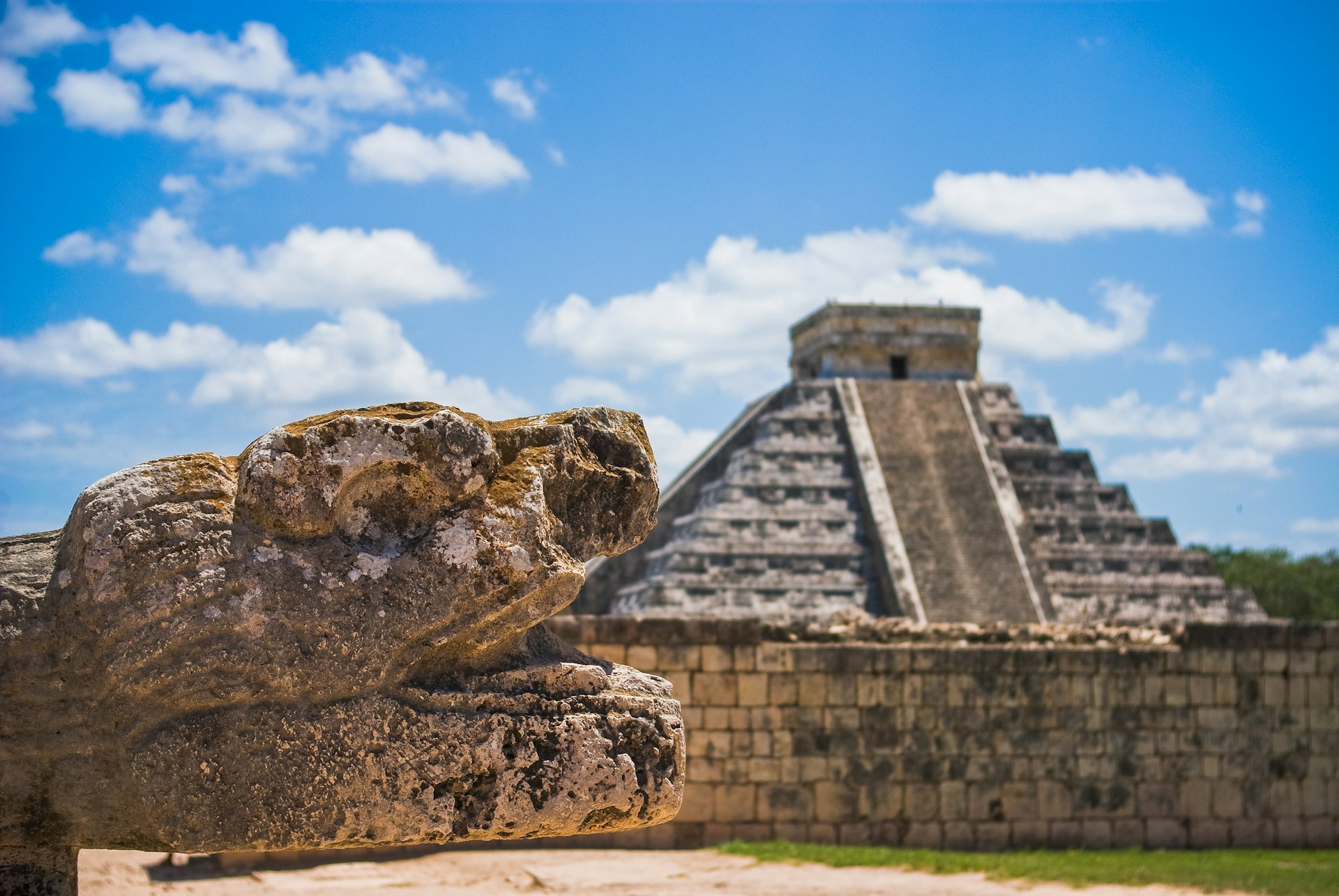 GuideMexicoMexico is often treated as a single beach category, but the strongest trips begin by separating the country's very different travel personalities. Riviera Maya and Cancun bring Caribbean water, all-inclusive resorts, cenotes, and Mayan ruins. Cabo brings desert-meets-sea scenery, Pacific drama, whale watching, villas, and polished luxury resorts. Mexico City brings food, art, architecture, neighborhoods, and cultural depth that can turn a beach trip into something much richer.Read the Full Guide
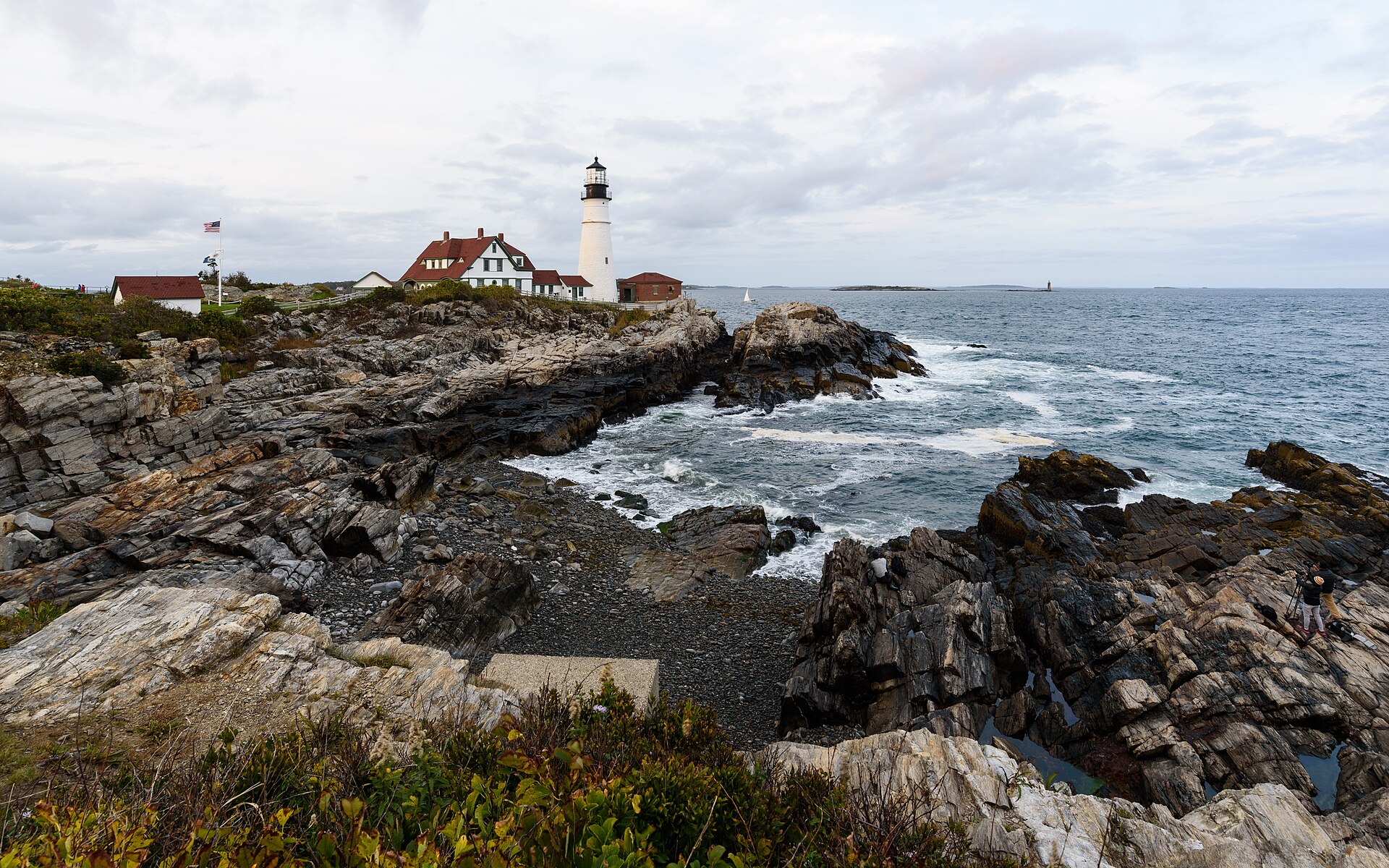 GuideNew EnglandNew England is not a six-state checklist. The strongest journey chooses a regional spine—Boston and history, Maine and the coast, foliage and mountains, or a longer grand circuit—then protects enough time for two-lane roads, character inns, weather, and the towns between landmarks.Read the Full Guide
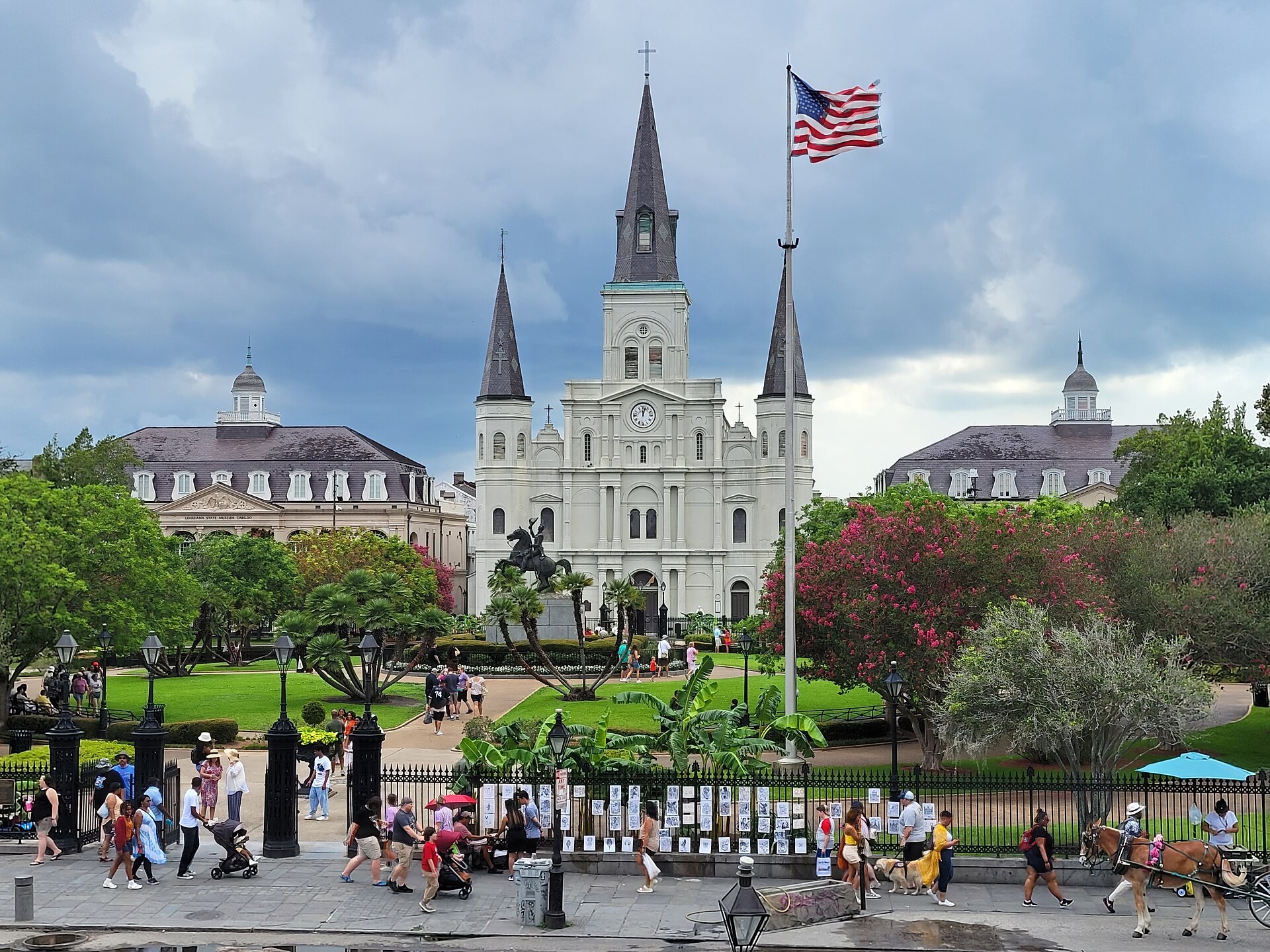 GuideNew OrleansNew Orleans is more than a French Quarter checklist. The strongest trip balances iconic streets with living neighborhoods, live music with thoughtful cultural context, Creole foodways with Louisiana’s wider Cajun traditions, and late nights with heat-aware, realistic pacing.Read the Full Guide
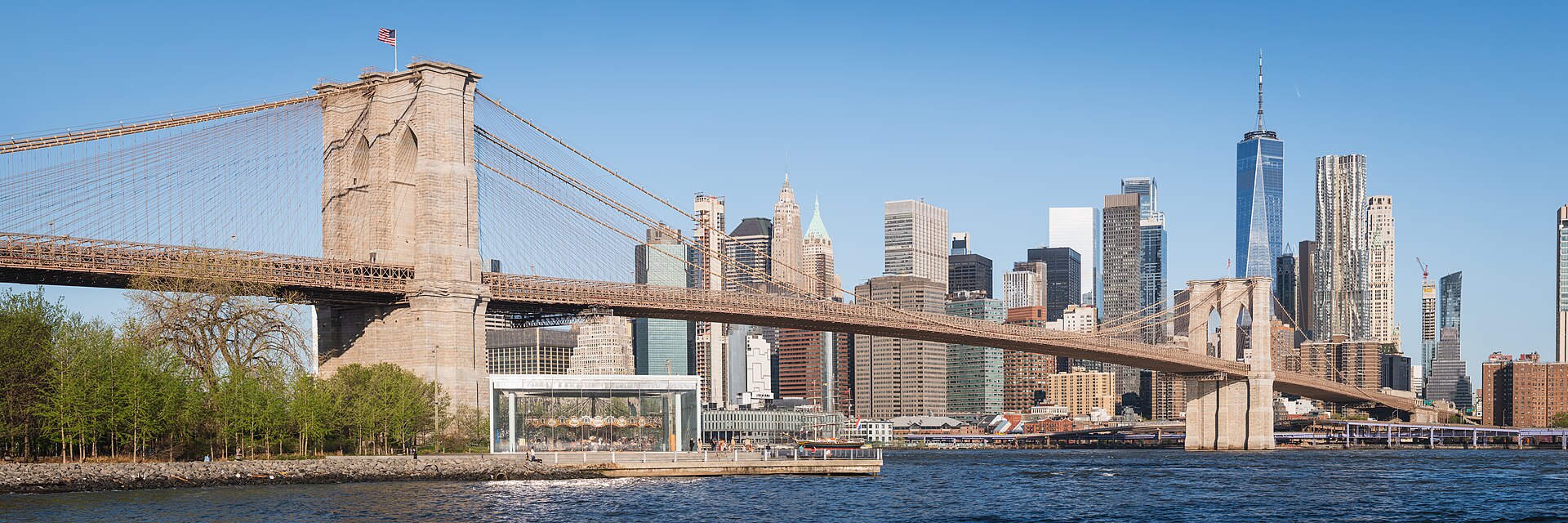 GuideNew York CityNew York rewards selection. Choose the landmarks that matter, the neighborhood rhythm that fits, and a realistic daily geography—then let museums, Broadway, parks, food, and borough life form one coherent city story.Read the Full Guide
 GuidePacific NorthwestThe Pacific Northwest is a regional journey, not a Seattle–Portland checklist. The strongest trip chooses a Washington or Oregon spine, treats ferries and scenic drives as operating days, protects lodge and city time, and uses season, weather, mobility, and road tolerance to decide what belongs.Read the Full Guide
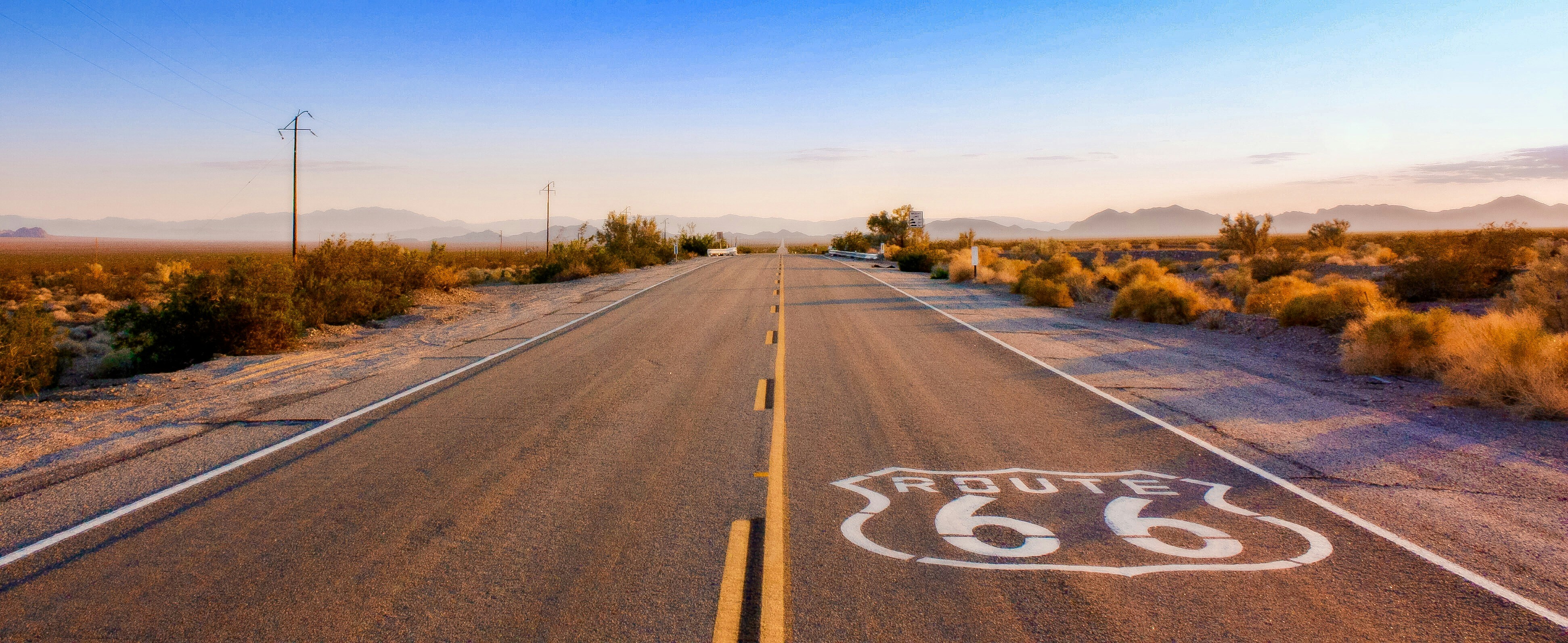 GuideRoute 66Route 66 is a 2,400-plus-mile corridor of changing alignments, working communities, preserved roadside businesses, major cities, and landscapes from the Great Lakes to the Pacific. The strongest journey decides how much road to follow, where Interstate connectors protect time, and which places deserve more than a photograph.Read the Full Guide
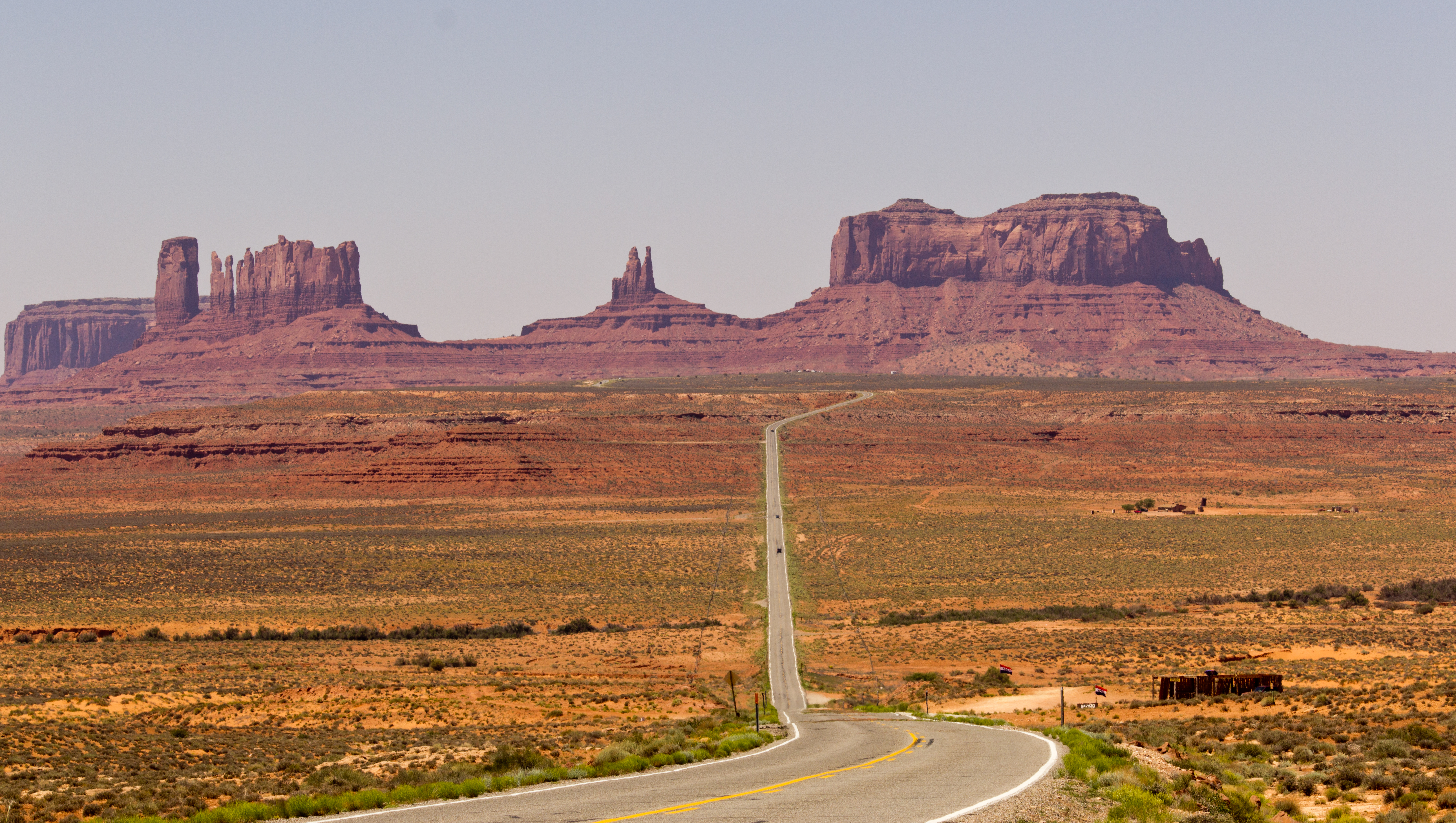 GuideSouthwestThe Southwest is not one loop and not one climate. The strongest journey chooses an Arizona, Utah, or New Mexico spine, protects canyon and cultural bases, respects tribal sovereignty, and treats altitude, heat, shuttles, seasonal access, and long drives as part of the design.Read the Full Guide
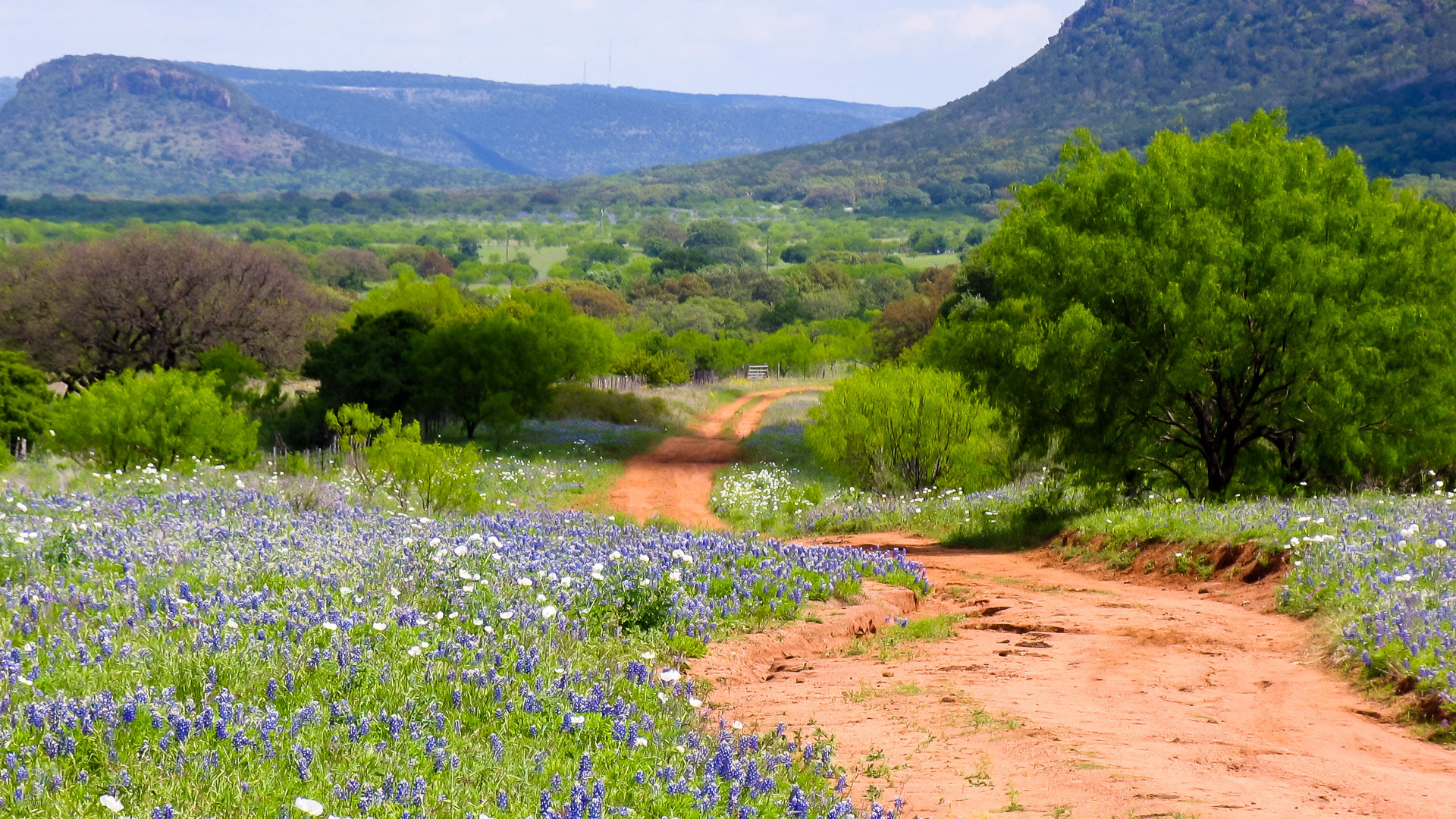 GuideTexasTexas rewards regional decisions. The strongest trip treats Austin, San Antonio, Dallas–Fort Worth, Houston, Hill Country, and West Texas as different experiences, then connects only the combinations that fit the traveler’s time, season, and tolerance for distance.Read the Full Guide
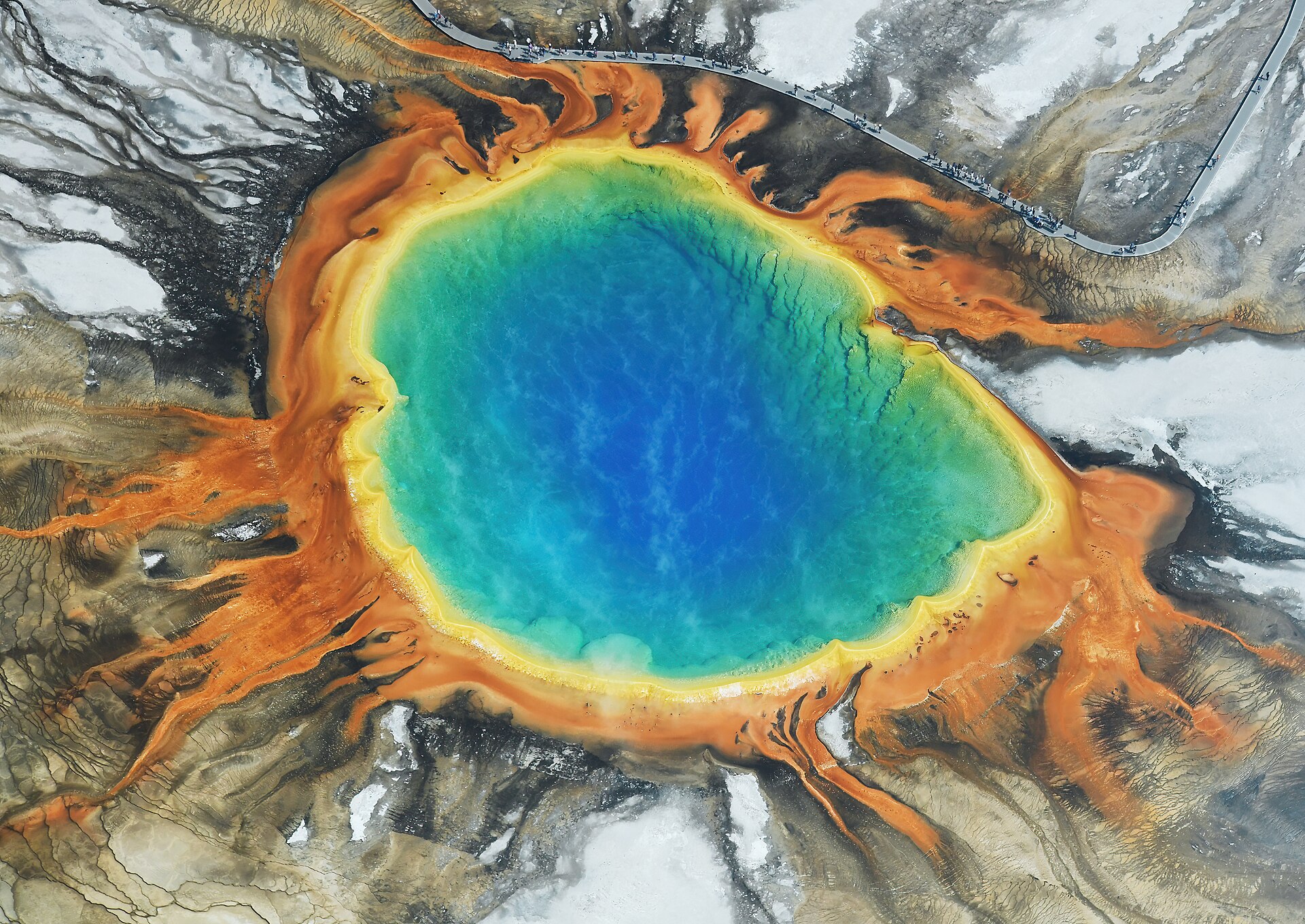 GuideU.S. National ParksAmerica's national parks are a collection of distinct operating environments, not one interchangeable trip type. The strongest journey starts with one geographic spine, protects meaningful time inside each park, and plans entrances, permits, wildlife hours, altitude, weather, lodging, and gateway logistics before adding another icon.Read the Full Guide
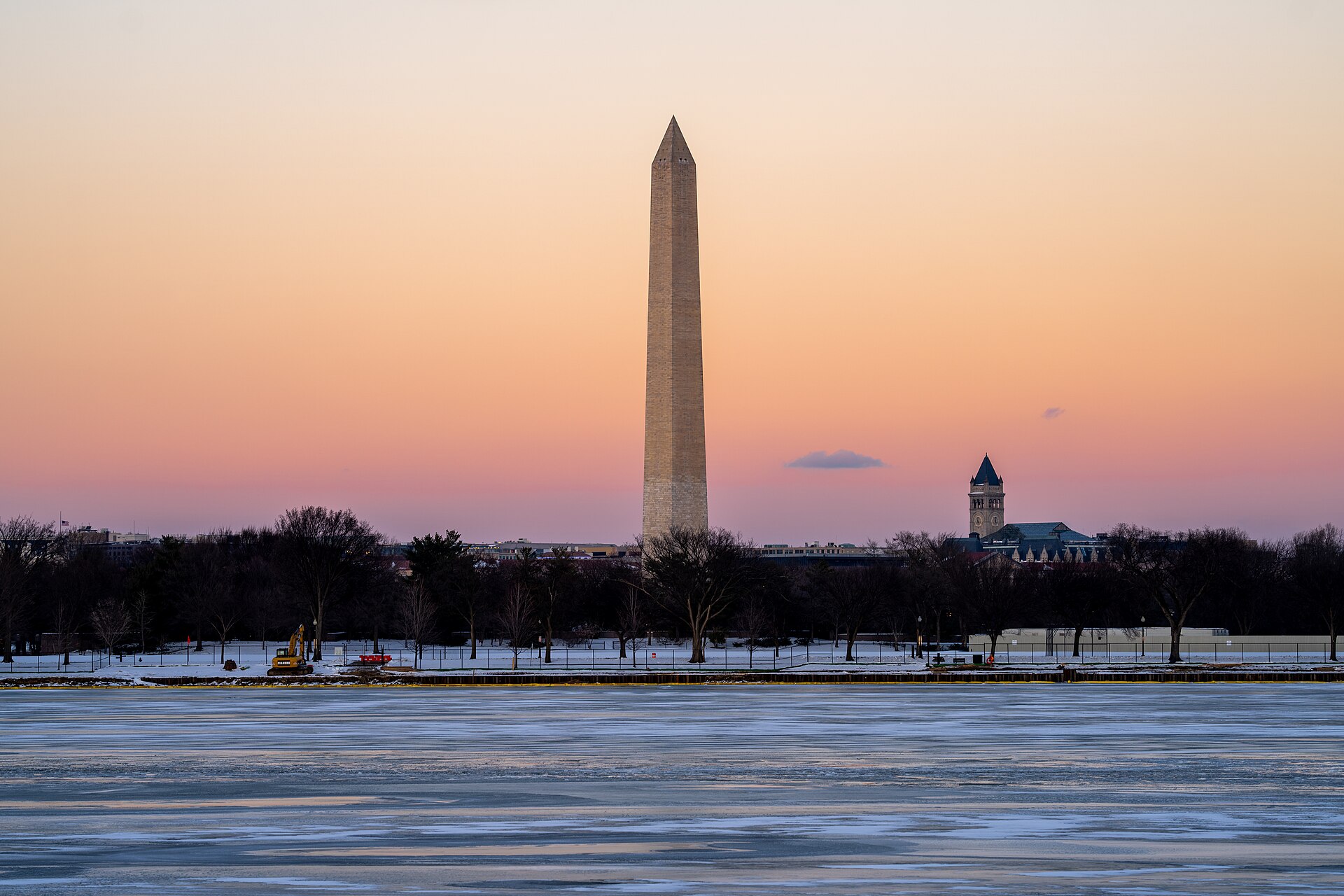 GuideWashington, DCWashington is more than a monument checklist. The strongest stay balances the Mall's civic landscape with Smithsonian depth, Capitol Hill context, neighborhood life, and a realistic plan for walking, security, timed access, weather, and recovery.Read the Full Guide
Why Travel There
Plan North America by the kind of trip you actually want.
North America works beautifully when you want meaningful variety without complicated long-haul logistics: Alaska cruises, national parks, rail journeys, Canadian mountain routes, beach time, and city stays can all be shaped around comfort and time.
Best For
- No-passport or close-to-home planning
- Rail journeys and national parks
- Alaska, Canada, Hawaii, and U.S. regional escapes
Destination Guides
Explore North America
Alaska
Choose the access, route, and pace that make Alaska's scale meaningful.
Alaska is several trips inside one state. Southeast fjords and ports, Denali and the Interior, Anchorage and the Kenai Peninsula, rail corridors, wildlife, glaciers, and expedition access require different logistics. The strongest plan starts with cruise, land, or a deliberate combination—then protects enough time for the route to work.
California
Build one great journey from coast, cities, wine country, mountains, and desert.
California is not a list of famous cities. The right trip chooses a geographic spine—Northern California, Highway 1, Southern California, or the national parks—and gives each stop a distinct purpose. This guide helps you decide what belongs together, what needs more time, and what should wait for another journey.
Canada
Rockies. Rail. Coastlines. Culture.
Canada rewards a clear regional point of view: mountain scale in the Rockies, Pacific energy in British Columbia, French-influenced culture in Quebec, or a longer rail story. The strongest itinerary gives one Canada enough time to feel complete.
Florida
Build the right journey from theme parks, cities, islands, beaches, wetlands, and spaceflight.
Florida works when the trip has a point of view. Choose family entertainment, a South Florida road journey, Gulf Coast restoration, nature, or a larger state narrative—then connect only the chapters that earn their travel time.
Great Lakes
Build a freshwater journey around landmark cities, island resorts, harbor towns, and shores that feel like inland seas.
The Great Lakes are not one drive-around-the-water checklist. Strong trips choose a geographic spine—Chicago and Wisconsin, northern Michigan, or the Lake Erie cities—then protect ferry schedules, seasonal access, and enough nights for places with very different rhythms.
Hawaii
Choose the islands that fit—then give each one enough time to become more than a view.
Hawaii is an island system, not a single resort promise. Oʻahu layers Honolulu, Waikīkī, royal history, museums, food, and surf culture; Maui balances resort time with Haleakalā and the Road to Hāna; Hawaiʻi Island adds living volcanoes and enormous driving scale; Kauaʻi rewards travelers who prioritize nature and a quieter rhythm. The strongest plan protects culture, community, and realistic island time.
Mexico
Cancún, Cabo, and the Riviera Maya — each version of Mexico is completely different.
Mexico is often treated as a single beach category, but the strongest trips begin by separating the country's very different travel personalities. Riviera Maya and Cancun bring Caribbean water, all-inclusive resorts, cenotes, and Mayan ruins. Cabo brings desert-meets-sea scenery, Pacific drama, whale watching, villas, and polished luxury resorts. Mexico City brings food, art, architecture, neighborhoods, and cultural depth that can turn a beach trip into something much richer.
New England
Build the right regional journey from history, coast, mountains, villages, food, inns, and season.
New England is not a six-state checklist. The strongest journey chooses a regional spine—Boston and history, Maine and the coast, foliage and mountains, or a longer grand circuit—then protects enough time for two-lane roads, character inns, weather, and the towns between landmarks.
New Orleans
Build a culture-first city stay around music, food, history, neighborhoods, and the Mississippi River.
New Orleans is more than a French Quarter checklist. The strongest trip balances iconic streets with living neighborhoods, live music with thoughtful cultural context, Creole foodways with Louisiana’s wider Cajun traditions, and late nights with heat-aware, realistic pacing.
New York City
Build the right city stay from icons, neighborhoods, performance, food, history, and room to breathe.
New York rewards selection. Choose the landmarks that matter, the neighborhood rhythm that fits, and a realistic daily geography—then let museums, Broadway, parks, food, and borough life form one coherent city story.
Pacific Northwest
Choose the right balance of cities, islands, rainforest, mountains, wine country, and Pacific coast.
The Pacific Northwest is a regional journey, not a Seattle–Portland checklist. The strongest trip chooses a Washington or Oregon spine, treats ferries and scenic drives as operating days, protects lodge and city time, and uses season, weather, mobility, and road tolerance to decide what belongs.
Route 66
Build an American road journey around the miles that matter—not a race to collect every shield.
Route 66 is a 2,400-plus-mile corridor of changing alignments, working communities, preserved roadside businesses, major cities, and landscapes from the Great Lakes to the Pacific. The strongest journey decides how much road to follow, where Interstate connectors protect time, and which places deserve more than a photograph.
Southwest
Choose the right balance of national parks, desert culture, restorative stays, and road-trip scale.
The Southwest is not one loop and not one climate. The strongest journey chooses an Arizona, Utah, or New Mexico spine, protects canyon and cultural bases, respects tribal sovereignty, and treats altitude, heat, shuttles, seasonal access, and long drives as part of the design.
Texas
Build a Texas journey around distinct cities, Hill Country, Gulf culture, and the desert scale of the west.
Texas rewards regional decisions. The strongest trip treats Austin, San Antonio, Dallas–Fort Worth, Houston, Hill Country, and West Texas as different experiences, then connects only the combinations that fit the traveler’s time, season, and tolerance for distance.
U.S. National Parks
Choose the right parks, season, route, lodging, and pace—not the longest possible checklist.
America's national parks are a collection of distinct operating environments, not one interchangeable trip type. The strongest journey starts with one geographic spine, protects meaningful time inside each park, and plans entrances, permits, wildlife hours, altitude, weather, lodging, and gateway logistics before adding another icon.
Washington, DC
Shape a capital stay from national stories, living neighborhoods, public institutions, and room to absorb them.
Washington is more than a monument checklist. The strongest stay balances the Mall's civic landscape with Smithsonian depth, Capitol Hill context, neighborhood life, and a realistic plan for walking, security, timed access, weather, and recovery.