First-Visit Anchor
Seattle & Puget Sound
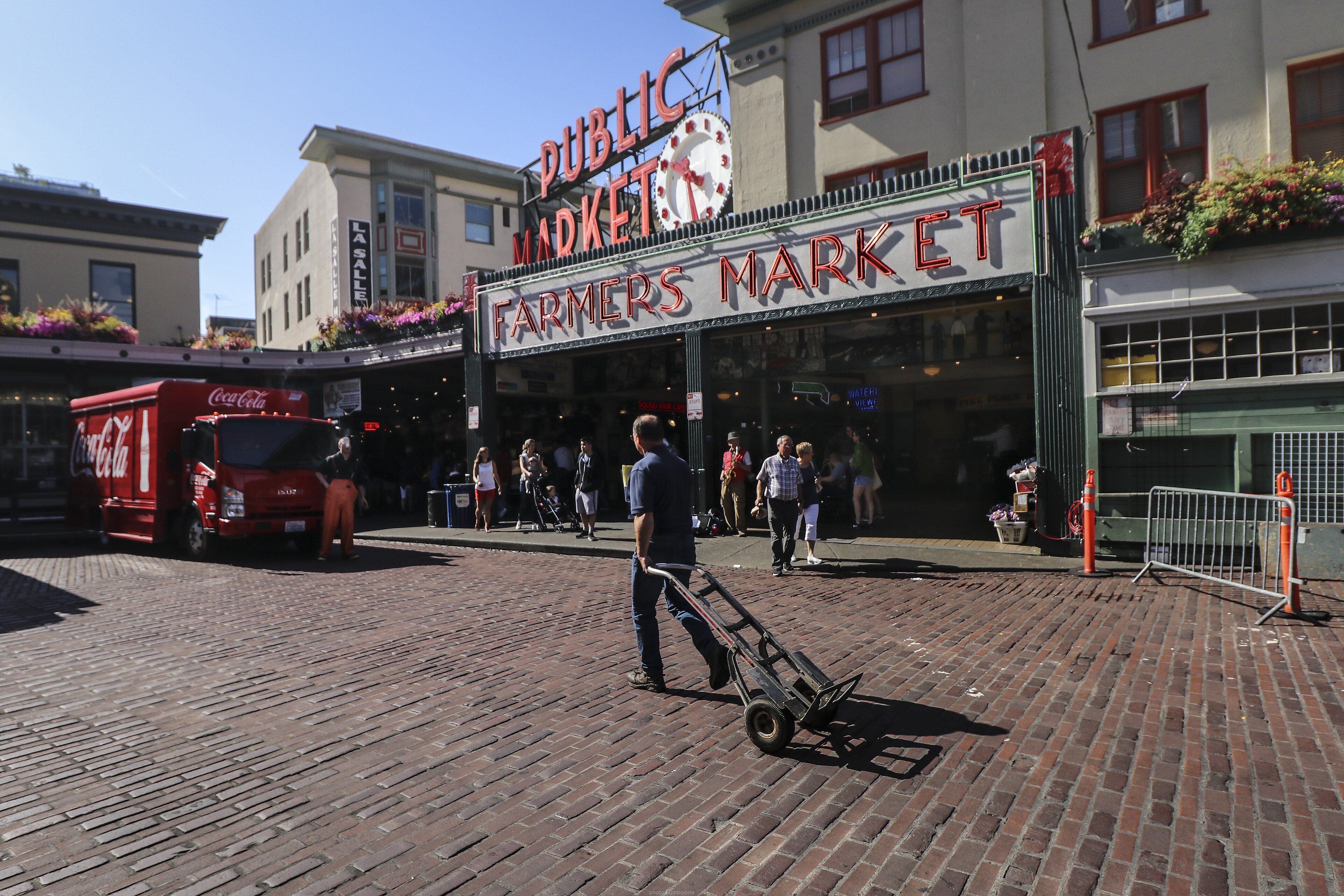
Seattle combines Pike Place Market, waterfront life, neighborhoods, museums, design, coffee, seafood, and Puget Sound context as both a gateway and a destination.
United States Signature Collection
Choose the right balance of cities, islands, rainforest, mountains, wine country, and Pacific coast.
The Pacific Northwest is a regional journey, not a Seattle–Portland checklist. The strongest trip chooses a Washington or Oregon spine, treats ferries and scenic drives as operating days, protects lodge and city time, and uses season, weather, mobility, and road tolerance to decide what belongs.
Travel styles
Experience Explorer
Six chapters separate city culture, islands, rainforest coast, alpine Washington, Portland-region food and wine, and the Oregon coastal road.
Seattle combines Pike Place Market, waterfront life, neighborhoods, museums, design, coffee, seafood, and Puget Sound context as both a gateway and a destination.
Advisor insight
Choose Washington or Oregon first, then pair one city with one or two nature bases. Islands, Olympic, Rainier, Portland, wine country, and the Oregon Coast are rewarding because they receive time—not because they fit on one map.
Traveler fit
Advisor guidance
Water and mountains distort the map. Sea-Tac traffic, ferry check-in, peninsula roads, city parking, trail access, and scenic stops can turn a short mileage figure into a full operating day.
Weather is part of the region. Coastal fog, rain, mountain snow, wildfire smoke, and road closures can change views and activities without making the trip a failure.
Common planning mistakes
Norma, Dock 10 Travel
Honest tradeoffs
Best Ways to Experience the Pacific Northwest
Four journey shapes serve different state priorities, movement tolerances, activity levels, and budgets.
Best forFirst-time travelers who want Seattle, Olympic texture, Portland, and one coherent Oregon coast or Gorge chapter.
Advisor noteUse an open-jaw SEA-to-PDX route, avoid San Juan and Rainier add-ons, and protect two nights in both cities or the key nature base.
Best forTravelers drawn to Seattle, San Juan wildlife and lodge time, and one major alpine or wilderness experience.
Advisor notePut islands before Olympic or Rainier, reserve both ferry directions, and never schedule a mountain arrival immediately after a fragile sailing.
Best forRoad-trip travelers who want Portland, Willamette Valley, Columbia Gorge, Cannon Beach, and a measured coast sequence.
Advisor noteUse Portland car-free first, then collect a vehicle for wine and coast; keep tasting and long coastal driving on different days.
Best forTravelers with two full weeks and a premium budget who want a selective Washington-and-Oregon journey without daily hotel changes.
Advisor noteChoose San Juan or deep Olympic—not both at maximum depth—then use an open-jaw transition to Portland, wine country, and the north Oregon Coast.
Pacific Northwest Decision Guide
State emphasis, landscape priority, and tolerance for movement define the route before individual stops do.
Islands and mountains or wine and coast
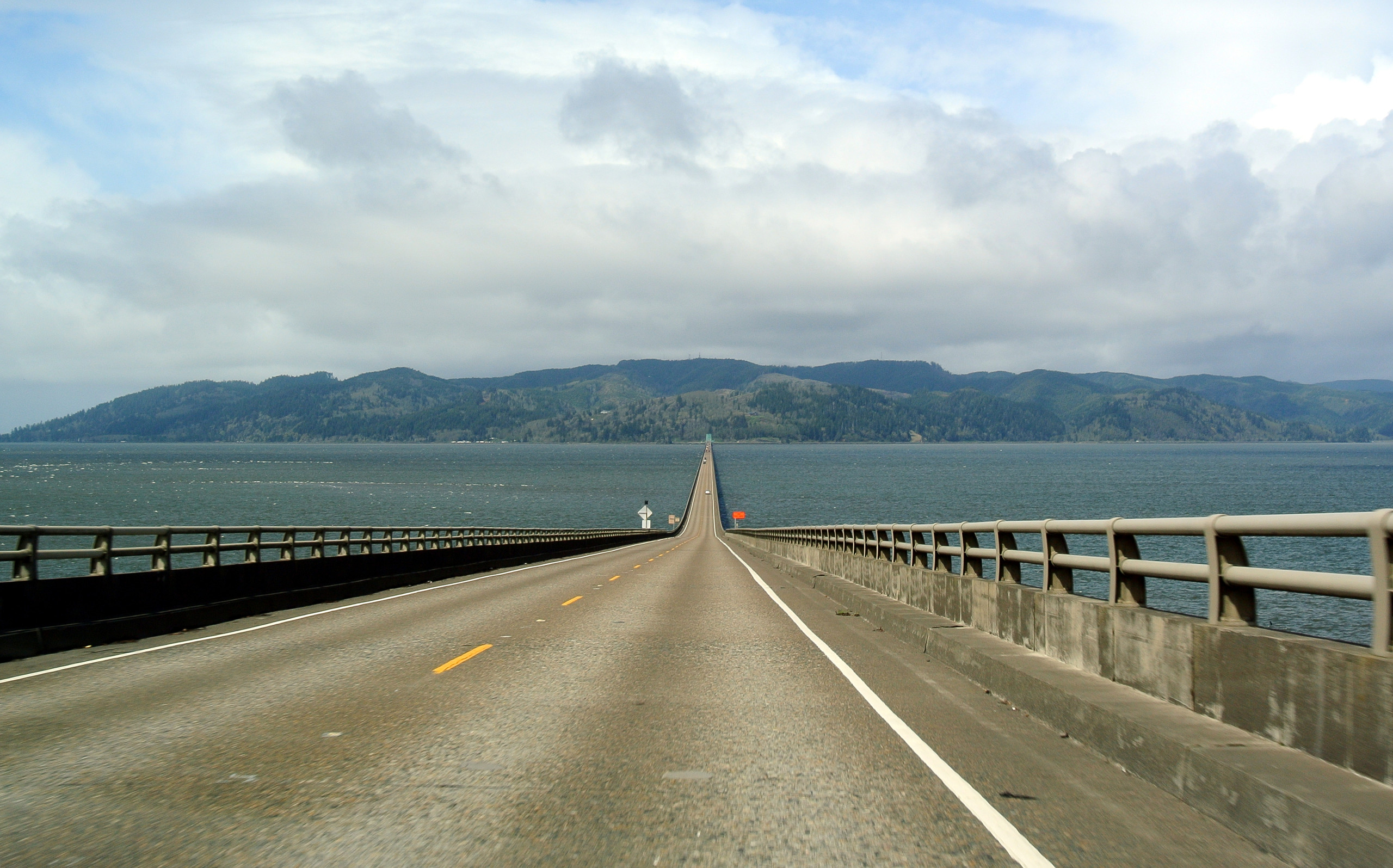
Washington emphasizes Seattle, ferries, islands, Olympic rainforest, wildlife, and alpine parks; Oregon emphasizes Portland, the Columbia Gorge, Willamette wine, and a more continuous coastal road trip.
Marine rhythm or alpine scale
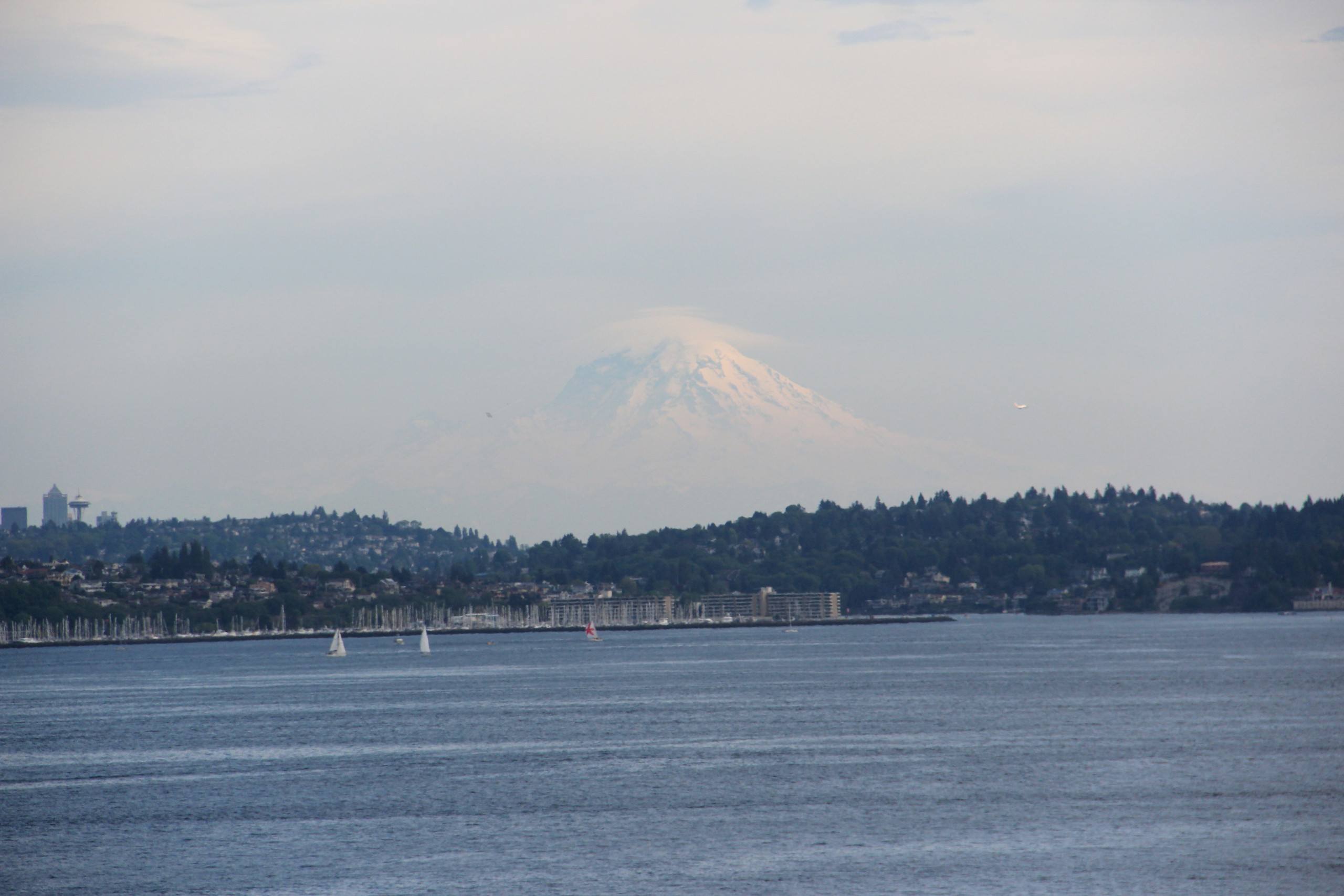
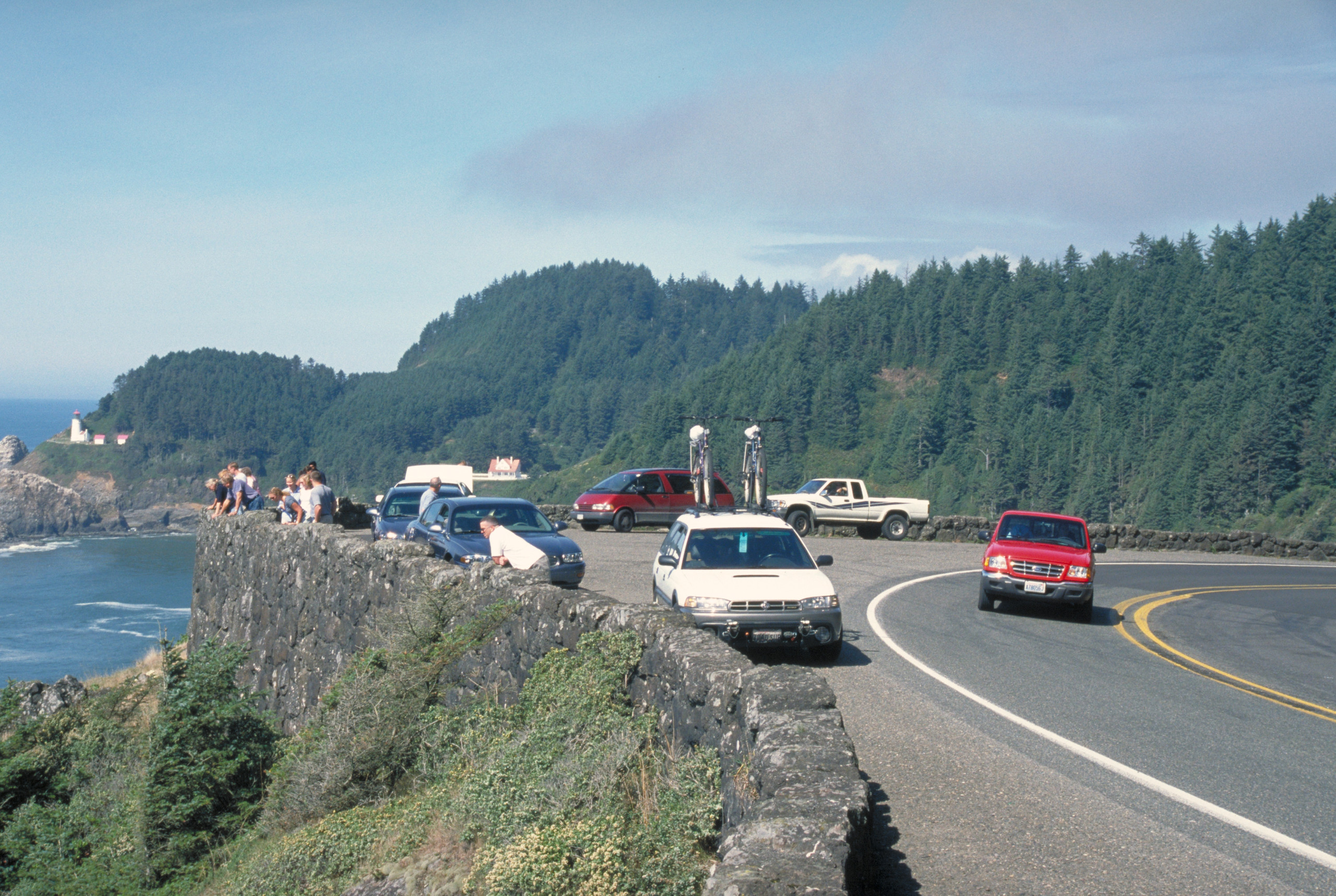
The Coast offers seafood towns, headlands, fog, tide, and scenic driving; the Mountains offer peaks, hiking, elevation, lodge positioning, smoke exposure, and seasonal road access.
Coverage or depth
A Road Trip connects contrasting landscapes through frequent moves; a Two-Base Stay pairs one urban base with one island, lodge, wine, mountain, or coastal base for deeper days and less packing.
Advisor-built Signature journeys
Investment estimates are planning ranges per person, based on two travelers sharing, and exclude international airfare unless stated otherwise. Final pricing depends on travel dates, availability and the personalized itinerary.
9 days
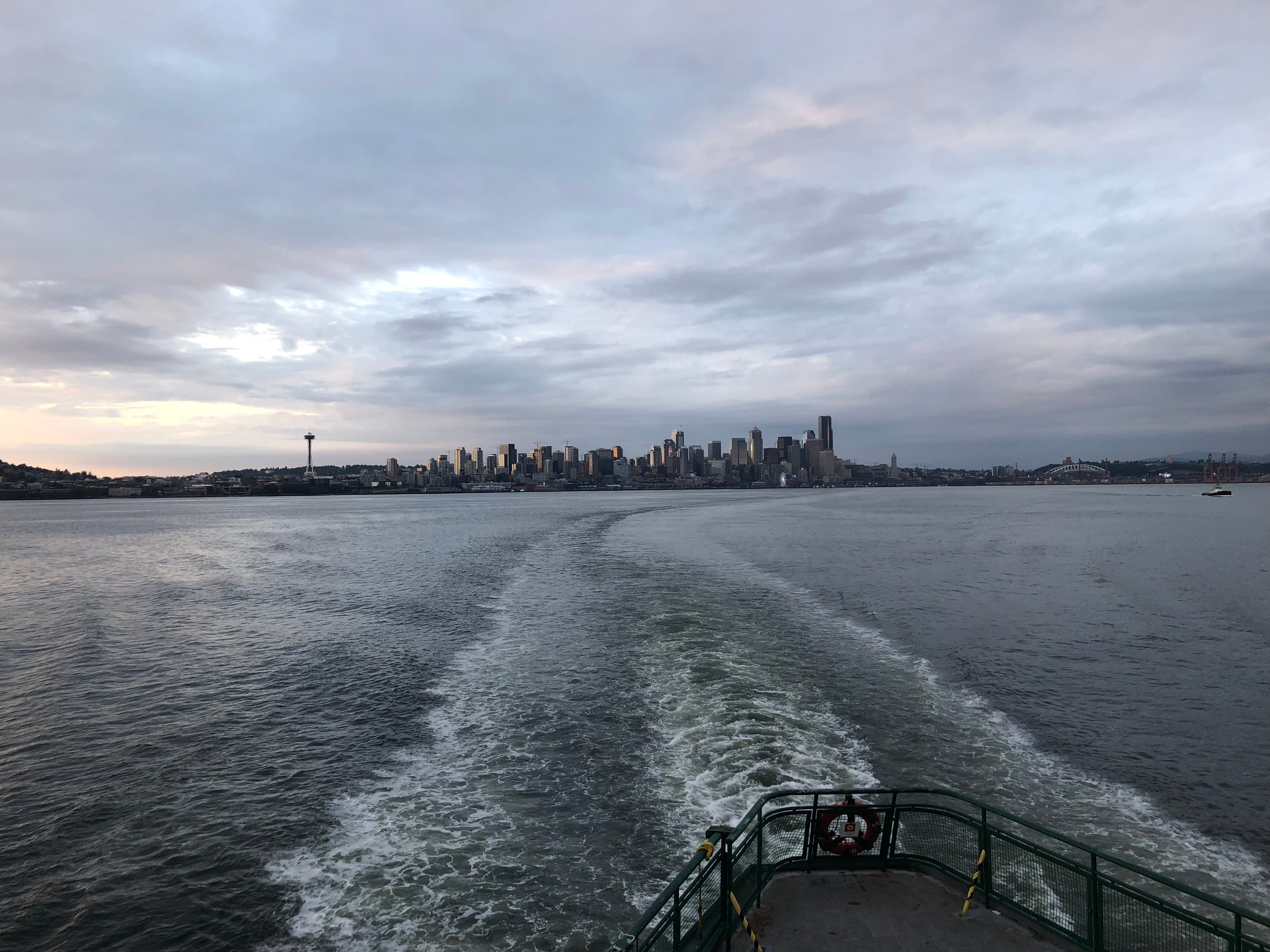
A first-time open-jaw journey linking Seattle, Olympic Peninsula texture, north Oregon Coast, Portland, and the Columbia Gorge without adding islands or Rainier.
Best for
First-time travelers who want both cities and a credible sample of rainforest, coast, food, and waterfalls.
Typical investment
From $3,575 per person
Route
Seattle (2 nights) → Bainbridge/Sequim and Olympic north side (2 nights) → Astoria or Cannon Beach (2 nights) → Portland (2 nights), fly PDX
What makes it special
One southbound spine makes Puget Sound, Olympic landscapes, Oregon coast, wine-and-food culture, and the Gorge feel like chapters rather than detours.
Reality check
The route is still a survey; Hoh depth, San Juan Islands, Mount Rainier, and the central Oregon Coast are deliberately excluded.
Advisor takeaway
Price the added night separately from the source product and verify whether the ferry, Olympic access, coast stops, and Gorge day are actually included.
Investment context
Investment estimates are planning ranges per person, based on two travelers sharing, and exclude international airfare unless stated otherwise. Final pricing depends on travel dates, availability and the personalized itinerary. Direct market anchor: Trafalgar Scenic Seattle, Portland and Oregon Coast, eight days from $3,575 per person on a reviewed 2026 departure listing. The GuidePilot version adds one pacing night; exact departure, hotels, room, meals, coach, ferry, admissions, taxes, fees, terms, and air require reconciliation.
10 days
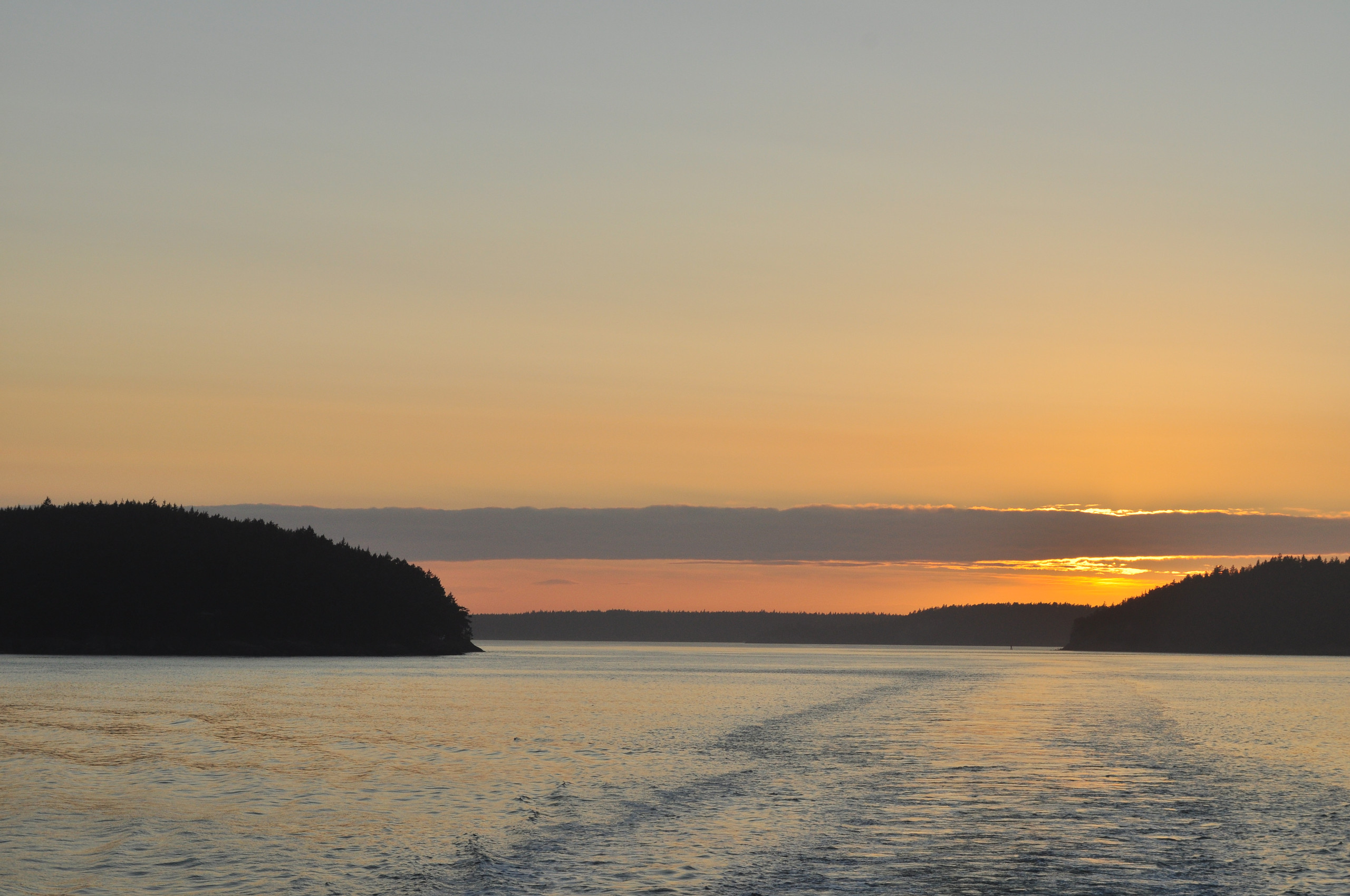
A Washington-focused journey combining Seattle, a two-night San Juan base, and one mountain-and-wilderness spine through Mount Rainier or Olympic.
Best for
Wildlife, island, hiking, lodge, photography, romantic, and active family travelers who accept ferry planning.
Typical investment
From $4,699 per person
Route
Seattle (2 nights) → Anacortes ferry → San Juan or Orcas (2 nights) → mainland buffer (1 night) → Mount Rainier south side (2 nights) → Olympic north side (2 nights) → SEA
What makes it special
Salish Sea wildlife, island pace, alpine Washington, and Olympic forest become distinct stays with a protected mainland buffer.
Reality check
Rainier plus Olympic makes this active; travelers seeking slower lodge time should choose one park and add a third island night.
Advisor takeaway
Reserve both vehicle-ferry directions and do not promise whales, clear peaks, or the Port Townsend crossing until live operations are confirmed.
Investment context
Investment estimates are planning ranges per person, based on two travelers sharing, and exclude international airfare unless stated otherwise. Final pricing depends on travel dates, availability and the personalized itinerary. Normalized direct market anchor: Southwest Adventure Tours Olympic National Park and the Pacific Northwest, eight days from $4,699 per person double occupancy for its reviewed 2026 departure, including Mount Rainier, Olympic, a Port Townsend–San Juan crossing, whale watching, lodging, selected meals, transport, entrance fees, taxes, and ferry. The GuidePilot route adds two Seattle/island nights; all additions require separate reconciliation.
9 days
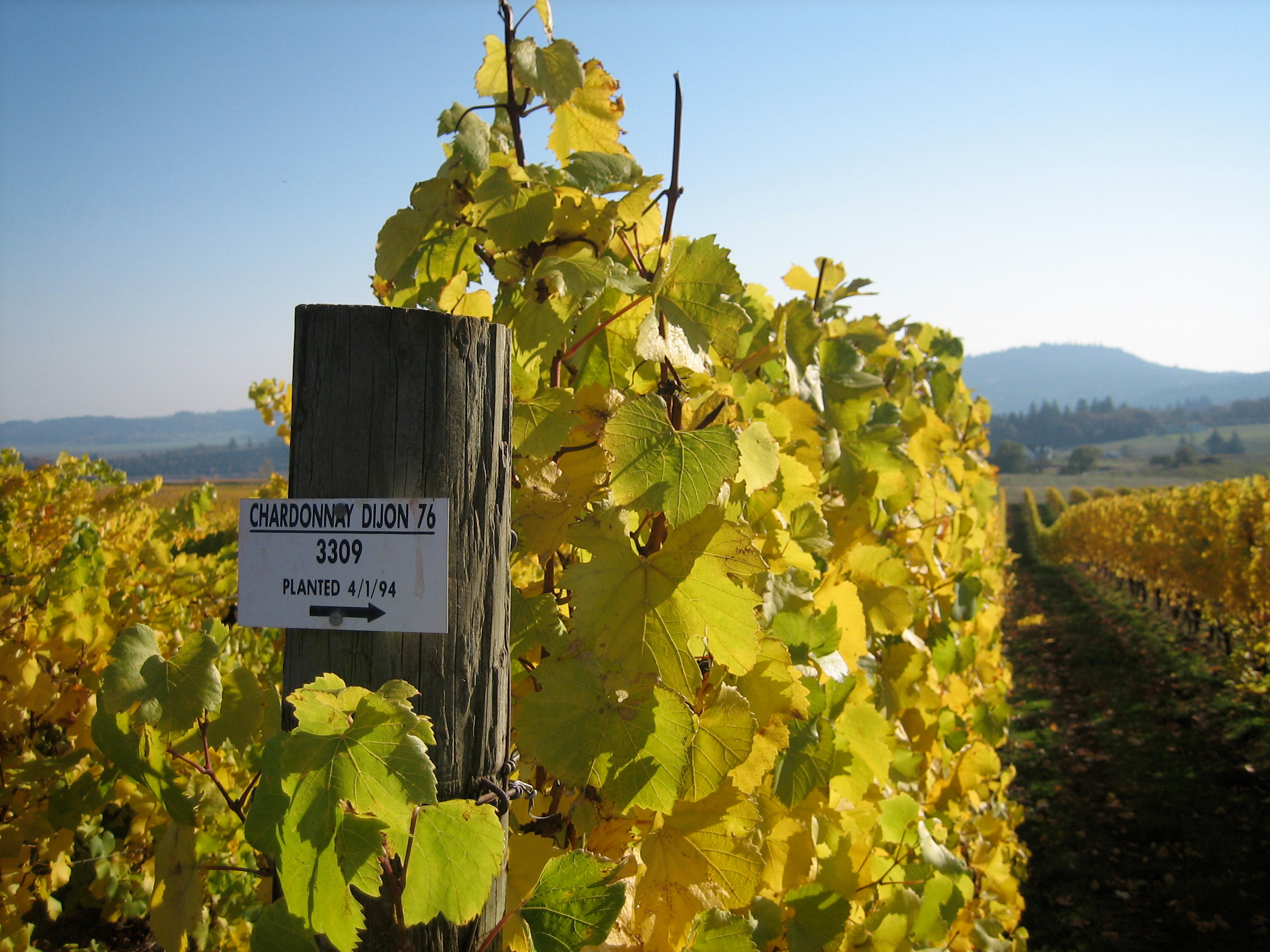
An Oregon-led road trip balancing Portland, Gorge waterfalls, Willamette wine, Cannon Beach, and a selective central-coast extension.
Best for
Food, wine, romantic, scenic-drive, soft-adventure, and coast travelers who prefer one-state coherence.
Typical investment
From $4,249 per person
Route
Portland (2 nights, no car) → Hood River/Columbia Gorge (2 nights) → Willamette Valley (2 nights) → Cannon Beach or Manzanita (2 nights) → PDX
What makes it special
City food, waterfall landscapes, vineyard stays, and Pacific headlands connect with short transfers and only three regional bases.
Reality check
Adding Newport or the southern coast requires more time; winery tastings and a long coast drive should never share the same day.
Advisor takeaway
Collect the car after Portland, use a designated driver for concentrated tastings, and confirm seasonal Gorge permits or shuttle rules.
Investment context
Investment estimates are planning ranges per person, based on two travelers sharing, and exclude international airfare unless stated otherwise. Final pricing depends on travel dates, availability and the personalized itinerary. Normalized premium market anchor: Backroads Oregon Columbia River Gorge and Willamette Valley Biking Tour, six days from $4,249 per person on reviewed 2026 positioning. The Signature journey changes activity mix and adds Portland plus the north/central Oregon Coast, so hotels, vehicle, winery appointments, guiding, meals, tastings, taxes, fees, terms, insurance, and air require line-by-line reconciliation.
15 days
A premium two-state journey joining Seattle, one island or Olympic chapter, alpine Washington, Portland, Willamette Valley, and the north Oregon Coast.
Best for
Experienced travelers with two full weeks, a premium budget, and interest in cities, lodges, food, wildlife, mountains, and coast.
Typical investment
Planning benchmark from $12,500 per person
Route
Seattle (2 nights) → San Juan Islands or deep Olympic (3 nights) → Mount Rainier (2 nights) → Portland (2 nights) → Columbia Gorge (2 nights) → Willamette Valley (2 nights) → north Oregon Coast (2 nights), fly PDX
What makes it special
The route delivers the region's strongest contrasts while using an open-jaw spine, premium transfers where they save time, and multiple two-night stays.
Reality check
Including both deep Olympic and the San Juans would overfill fifteen days; one must be selected, and weather can reorder mountain and marine activities.
Advisor takeaway
Treat $12,500 as an benchmark only and reconcile one-way rental, private transfers, ferry contingencies, premium lodge minimums, and cancellation terms.
Investment context
Investment estimates are planning ranges per person, based on two travelers sharing, and exclude international airfare unless stated otherwise. Final pricing depends on travel dates, availability and the personalized itinerary. GuidePilot planning benchmark, not a directly comparable supplier product: synthesized from current Trafalgar, Southwest Adventure Tours, Backroads, Orbridge, and American Cruise Lines regional positioning plus premium city, island, lodge, private-driving, wildlife, wine, and open-jaw components. Every hotel, ferry, vehicle, guide, activity, meal, tax, fee, term, insurance, and air element requires live sourcing and reconciliation.
Travel Planning Center
Twenty practical decisions organize geography, ferries, driving, season, lodging, travelers, and investment.
Compare the Collection
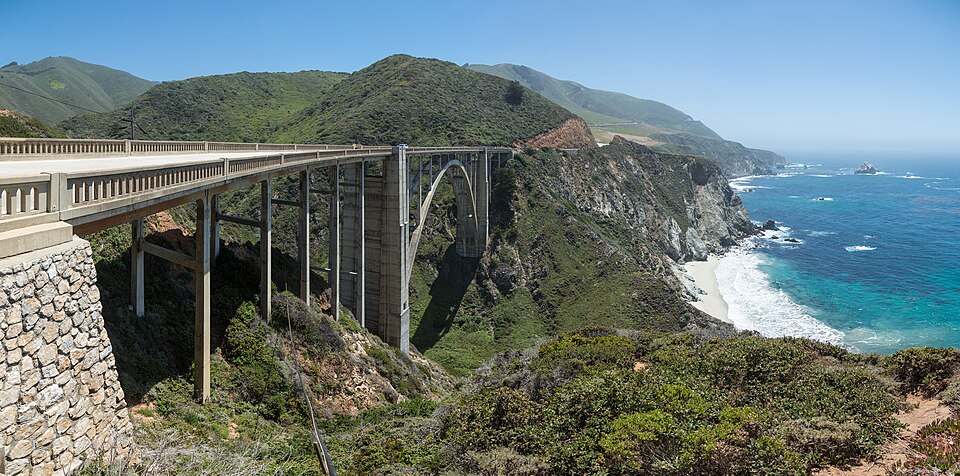
Build one great journey from coast, cities, wine country, mountains, and desert.
Warmer coast, major cities, wine, and a longer north–south state journey.
Choose the Pacific Northwest for ferries, rainforest, islands, and a cooler coast; choose California for broader urban and climate contrast.
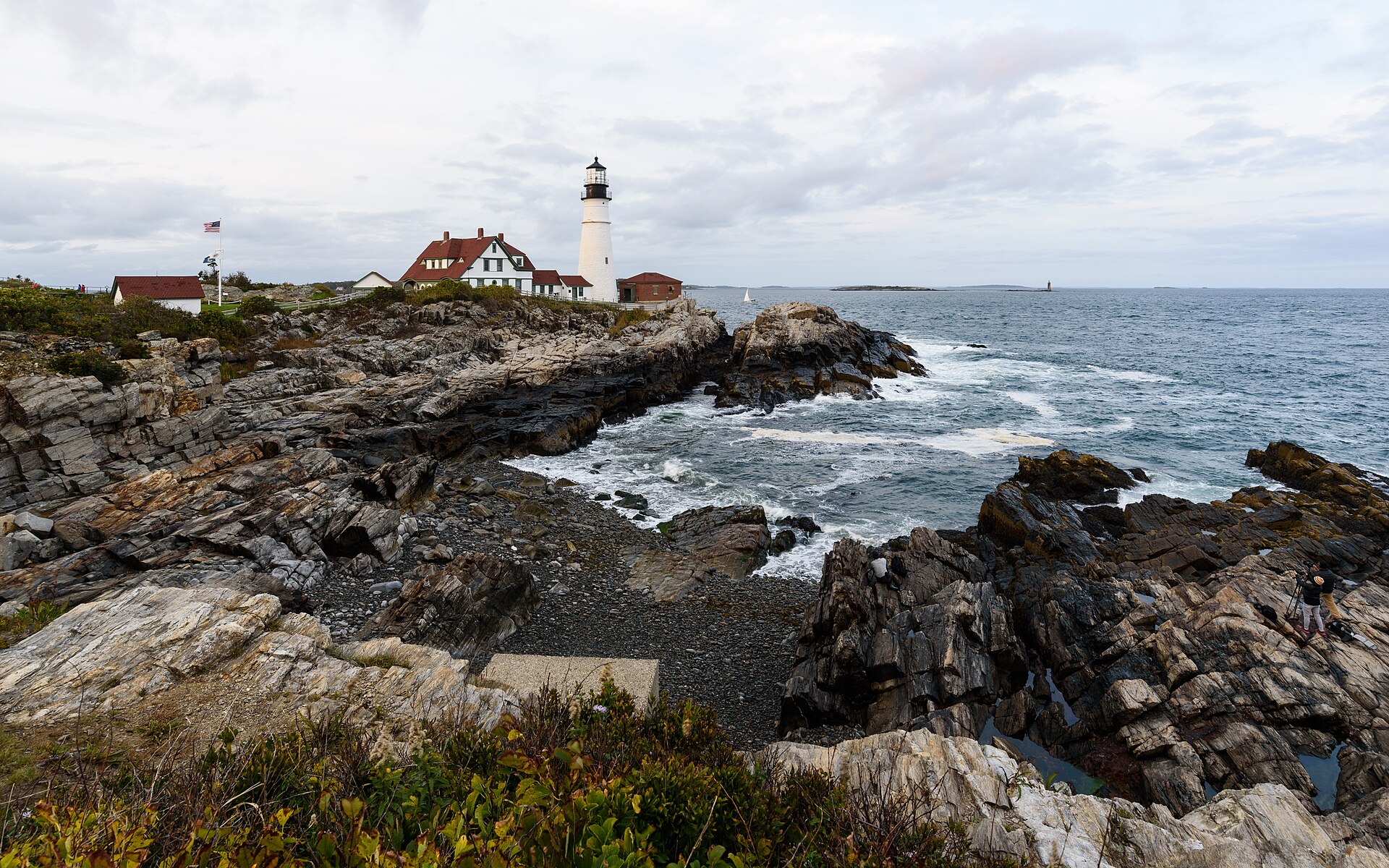
Build the right regional journey from history, coast, mountains, villages, food, inns, and season.
Historic towns, Atlantic coast, inns, and autumn foliage.
Both reward scenic driving; the Pacific Northwest leads with islands, volcanoes, rainforest, and modern city culture.
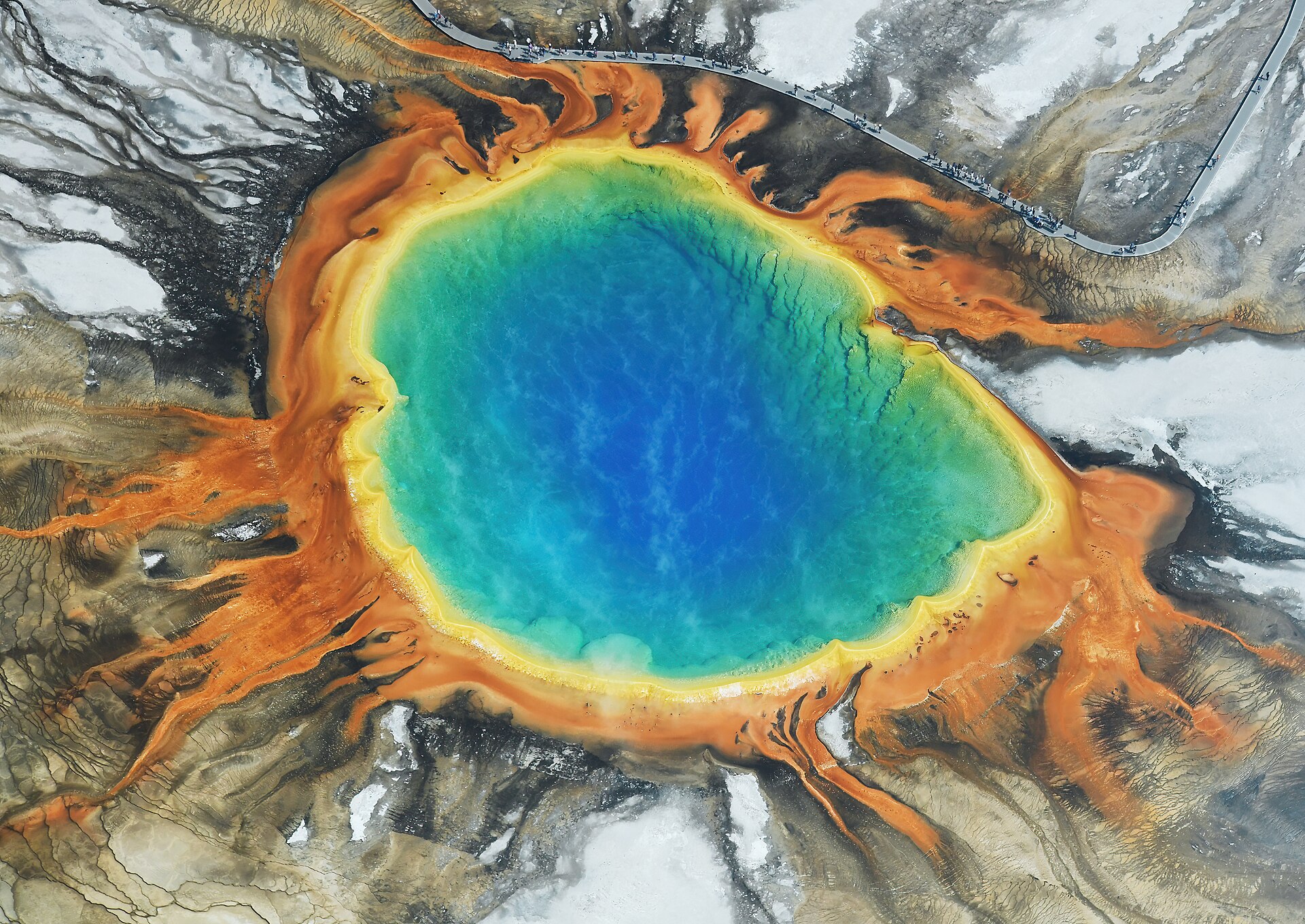
Choose the right parks, season, route, lodging, and pace—not the longest possible checklist.
A park-led journey where protected landscapes dominate the route.
Choose Pacific Northwest when Seattle, Portland, food, wine, islands, and coast matter as much as national parks.
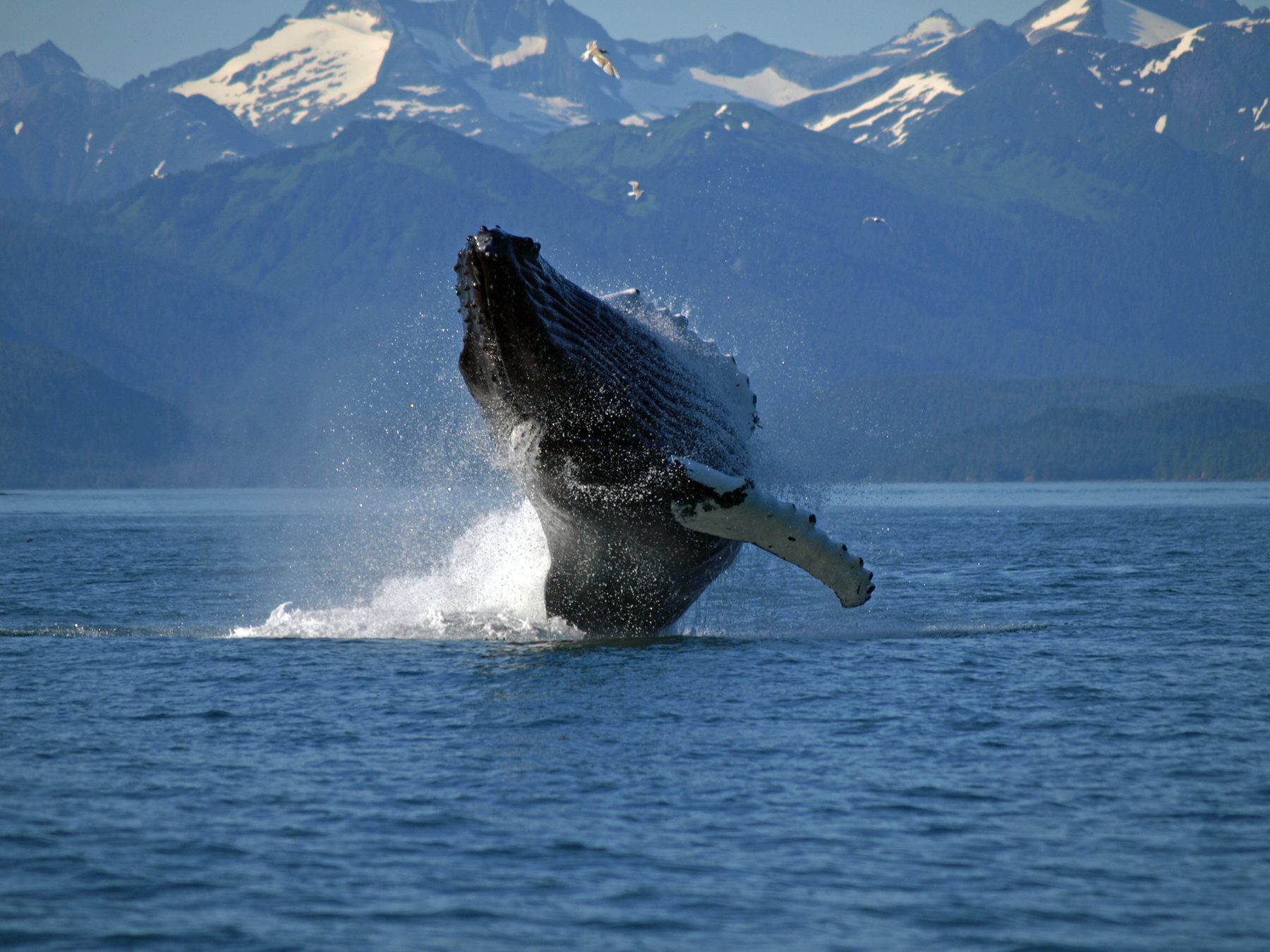
Choose the access, route, and pace that make Alaska's scale meaningful.
Larger-scale wilderness, glaciers, marine wildlife, and expedition logistics.
Choose the Pacific Northwest for easier city-and-nature integration; choose Alaska for remoteness and wilderness scale.
Advisor note: Compare the defining experience first—regional city-and-nature integration, warmer coast, historic towns, park immersion, or large-scale wilderness—then compare season, movement, and investment.
Pacific Northwest FAQ
Use eight or nine days for one focused Washington or Oregon journey, ten or eleven for deeper state travel, and thirteen to fifteen for a defensible two-state route.
Choose Washington for Seattle, islands, Olympic, wildlife, and alpine parks; choose Oregon for Portland, the Gorge, wine country, and a coherent coastal road trip.
Yes with roughly nine or ten days, two island nights, reserved ferry space, a mainland buffer, and selective Olympic coverage. Adding Rainier or Oregon usually requires more time.
Not for most central Seattle or Portland stays. A car is generally needed for island vehicles, Olympic, Rainier, North Cascades, wine country, the Gorge, and the Oregon Coast.
July through September generally offers the broadest mountain access, but demand and smoke risk rise. Late spring and early fall can be excellent when rain, fog, snow, and reduced services are acceptable.
Yes with stop-specific planning. Ferries, scenic drives, viewpoints, city attractions, and selected paths can work well, but exact boarding, rooms, surfaces, restrooms, and weather alternatives must be confirmed.