
Advisor Starting Point
Budapest
Chain Bridge, Pest boulevards, cafés, markets, music, and Danube views make Budapest a full city journey rather than a cruise extension.

Destination Guide
Budapest's grand Danube drama, thermal culture, and a countryside worth more than a passing glance.
Hungary is strongest when Budapest receives real depth and the route chooses one purposeful extension—Lake Balaton, the Danube Bend, Eger, Tokaj, or southern wine country. Baths, food, music, and twentieth-century history need thoughtful pacing, not a capital checklist.
Travel styles
Experience Explorer
Choose the capital, river, lake, wine region, and cultural rituals that should define the trip.
Chain Bridge, Pest boulevards, cafés, markets, music, and Danube views make Budapest a full city journey rather than a cruise extension.
Advisor insight
Budapest deserves at least four nights. Add only one countryside direction on a weeklong trip; Balaton, Tokaj, Eger, and the Danube Bend offer different reasons to travel.
Traveler fit
Advisor guidance
Budapest spans both sides of the Danube, and the best hotel location depends on nightlife, views, hills, transit, and mobility. 'Central' does not describe one uniform experience.
Beyond Budapest, rail and road times, winery appointments, lake season, and regional hotel quality vary. Choose the extension by traveler promise, not proximity alone.
Common planning mistakes
Norma, Dock 10 Travel
Honest tradeoffs
Best Ways to Experience Hungary
Budapest works independently with selective private guiding; wine regions and complex countryside days often justify a driver.
Best forFirst-time travelers wanting Buda, Pest, Parliament, baths, markets, music, food, and neighborhood time.
Advisor noteUse a private guide for the first history-led day, then balance independent city time with one well-chosen bath.
Best forTravelers adding Szentendre, Visegrád, or Esztergom without changing hotels.
Advisor noteA private day solves timing and interpretation; river services are seasonal and should not drive the plan unchecked.
Best forTravelers prioritizing Tokaj, Eger, Villány, or Badacsony with appointments and regional food.
Advisor noteChoose one region by wine style, travel direction, and season; use a driver-guide for safe, substantive tastings.
Best forTravelers connecting Budapest and Vienna by rail with distinct Danube, music, bath, and imperial chapters.
Advisor noteProtect at least four Budapest nights and three Vienna nights before adding Bratislava or Prague.
Advisor-built trip ideas
Investment estimates are planning ranges per person, based on two travelers sharing, and exclude international airfare unless stated otherwise. Final pricing depends on travel dates, availability and the personalized itinerary.

5–6 days
A substantial city journey across Buda, Pest, Parliament, markets, baths, cafés, and the Danube.
Best for
First-time visitors who want Budapest to feel complete.
Typical investment
$3,500–$6,500 per person
Route
Pest → Parliament and Danube → Buda Castle → bath and neighborhood day
What makes it special
Grand architecture, river light, thermal ritual, markets, and layered history create a distinctive capital experience.
Reality check
One hotel cannot be equally close to every priority; location must fit the traveler's rhythm.
Advisor takeaway
Choose one bath intentionally and use an expert guide for the first history day.
Investment context
Planning range per person, based on two travelers sharing accommodations. International airfare is excluded. Final pricing varies by season, hotel category, transportation, and private-guiding choices. Driven by Budapest hotel category, private guiding, bath access, food experiences, performances, and season.

8–10 days
Budapest followed by Eger, Pécs, or another focused heritage region with a distinct cultural identity.
Best for
Travelers who want a fuller national story without excessive bases.
Typical investment
$5,500–$9,500 per person
Route
Budapest → selected heritage region → Budapest or onward gateway
What makes it special
The grand capital gives way to smaller-scale architecture, local food, and regional history.
Reality check
Choose one region; Eger, Pécs, and eastern Hungary do not form a simple short loop.
Advisor takeaway
Build the extension around a clear reason to travel and a quality hotel base.
Investment context
Planning range per person, based on two travelers sharing accommodations. International airfare is excluded. Final pricing varies by season, hotel category, transportation, and private-guiding choices. Driven by the selected regional base, private transport, local guiding, hotel category, and seasonal openings.

8–10 days
Budapest paired with Tihany, Badacsony, lakeside towns, and western Hungarian wine culture.
Best for
Summer and shoulder-season travelers wanting city energy followed by a slower lake chapter.
Typical investment
$5,500–$10,000 per person
Route
Budapest → Tihany or Balatonfüred → Badacsony and western Balaton
What makes it special
Danube architecture transitions to lake panoramas, abbey views, vineyards, and relaxed evenings.
Reality check
Balaton is seasonal, and the right base depends on swimming, wine, nightlife, and transport goals.
Advisor takeaway
Use a driver for vineyard days and verify ferry and rail schedules.
Investment context
Planning range per person, based on two travelers sharing accommodations. International airfare is excluded. Final pricing varies by season, hotel category, transportation, and private-guiding choices. Driven by Balaton resort or wine-hotel category, season, private touring, lakeside transport, and vineyard experiences.

9–12 days
Budapest with one or two carefully sequenced wine regions selected for style, geography, and traveler interest.
Best for
Wine and food travelers seeking producer access and regional landscapes.
Typical investment
$7,000–$12,500 per person
Route
Budapest → selected wine region → optional second region or onward gateway
What makes it special
Thermal, market, and café culture leads into vineyards, cellar traditions, and regional kitchens.
Reality check
Tokaj, Eger, Villány, and Badacsony are not close substitutes; two regions require a longer journey.
Advisor takeaway
Use specialist guides and never ask travelers to self-drive tasting days.
Investment context
Planning range per person, based on two travelers sharing accommodations. International airfare is excluded. Final pricing varies by season, hotel category, transportation, and private-guiding choices. Driven by Tokaj, Eger, or Villány winery appointments, driver-guides, regional hotels, dining, and route direction.
Travel Planning Center
Twenty practical decisions covering Budapest, baths, river experiences, countryside, and regional combinations.
Related Destinations

Imperial cities, musical traditions, and alpine chapters in balance.
Vienna, Salzburg, music, museums, the Wachau, and rail-polished travel.
Budapest and Vienna are the cleanest first pairing.
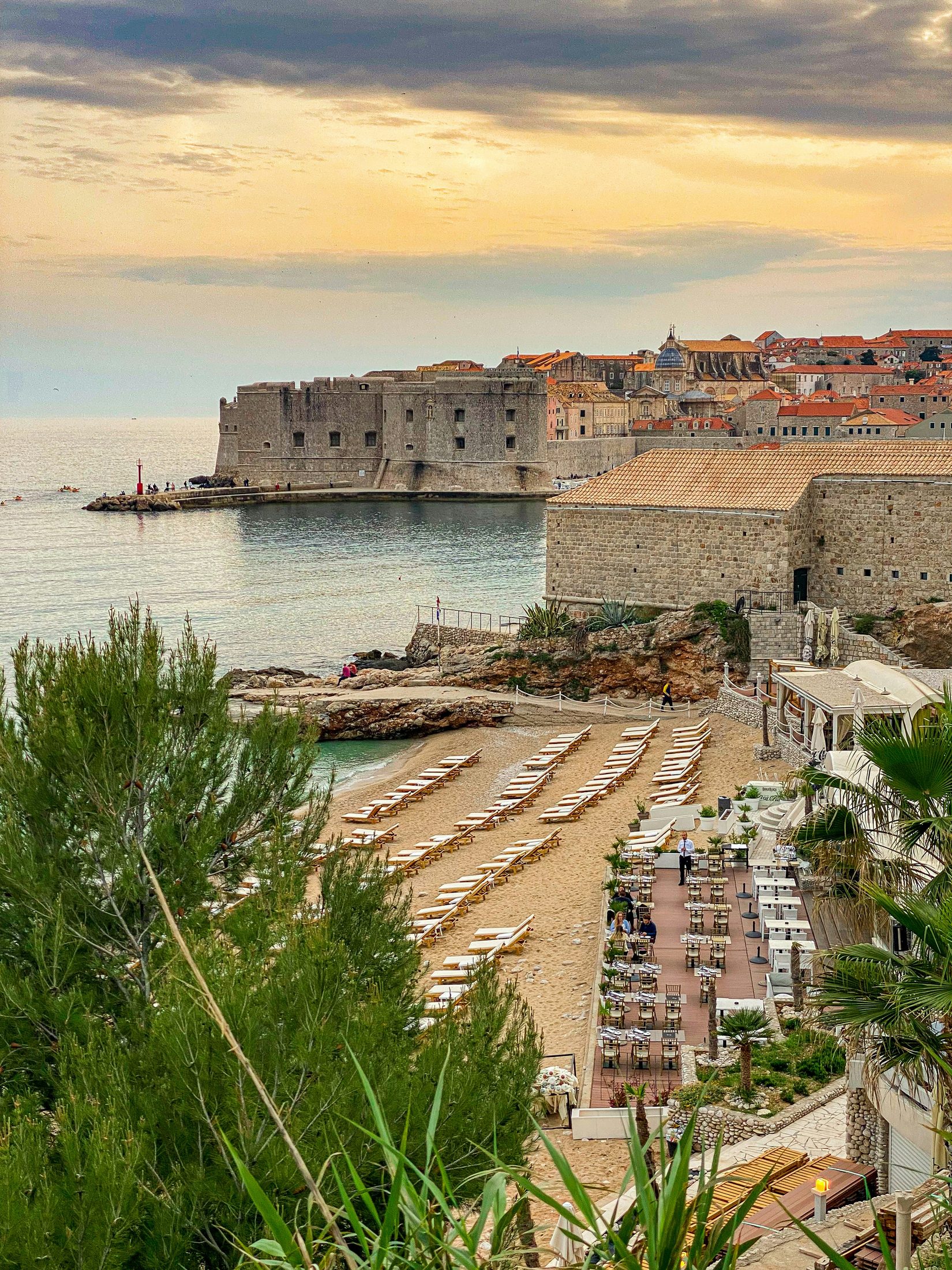
Adriatic coast, islands, Istria, historic towns, and a warmer southern contrast.
Use a flight or disciplined rail route and enough total nights.

Historic capitals, living cities, river valleys, and regional traditions.
Berlin, Bavaria, Rhine landscapes, and broader Central European history.
Germany belongs in a longer rail journey rather than a short Hungary add-on.
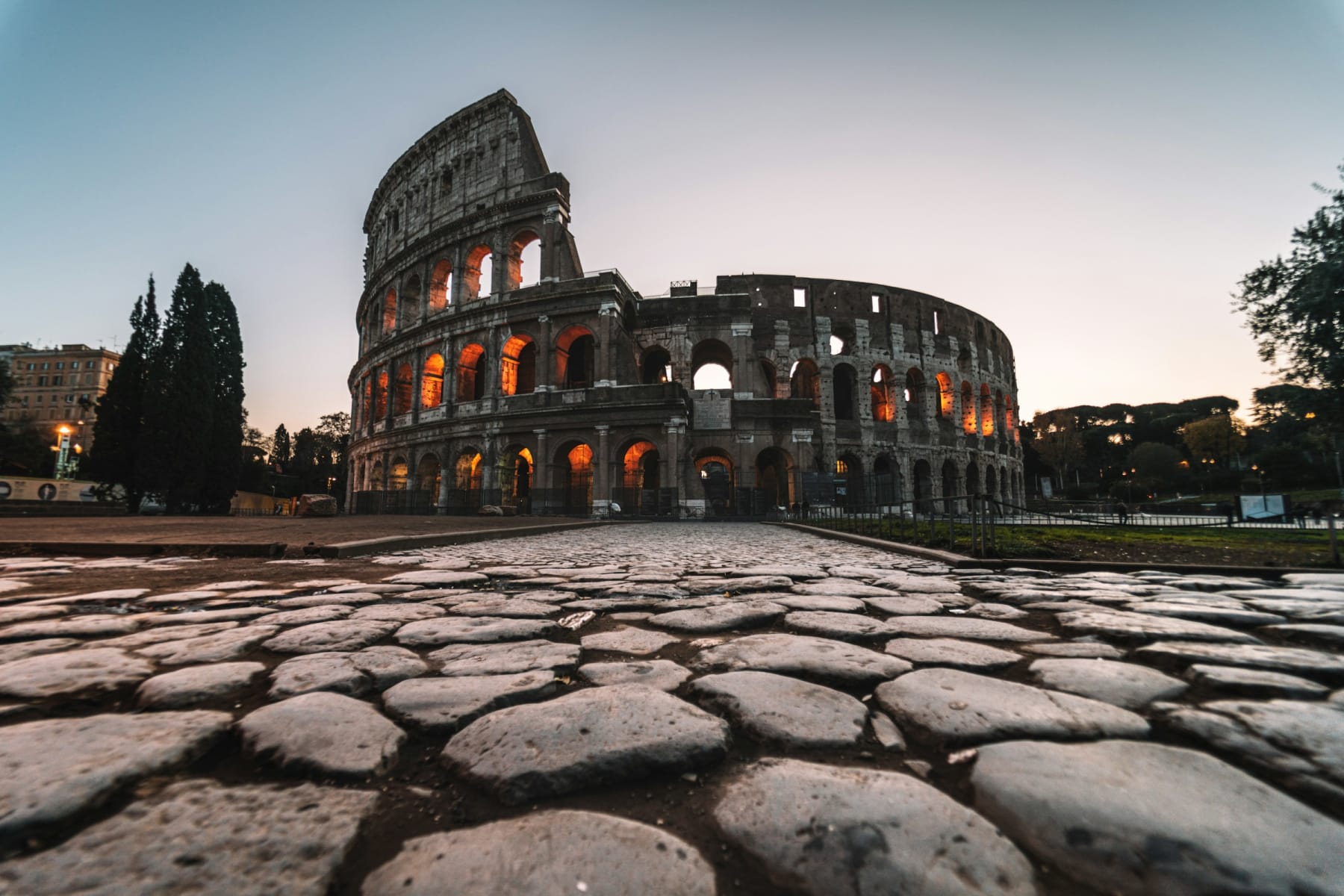
Food. Art. Coastlines. Timeless.
Art, food, cities, countryside, coast, and a Mediterranean contrast.
Treat Italy as a distinct second chapter with sufficient travel time.
Advisor note: Austria is usually the most natural first pairing. Keep Budapest at four nights or more before adding another capital.
Hungary FAQ
Plan five to six days for Budapest in depth. Eight to twelve days can add Lake Balaton, the Danube Bend, Eger, Tokaj, or another focused region.
Yes for a strong short journey. Add one regional chapter when you want vineyards, lake scenery, smaller cities, or a fuller national perspective.
Choose by architecture, atmosphere, crowd level, treatments, opening times, mobility, and comfort with mixed public bathing. Széchenyi, Gellért, and Rudas feel different.
A well-timed short cruise can frame Parliament and the illuminated riverfront, but it should complement rather than replace Buda and Pest exploration.
Yes. Budapest and Vienna connect naturally by rail. Protect at least four nights in Budapest and three in Vienna before adding more capitals.