
Advisor Starting Point
Kraków
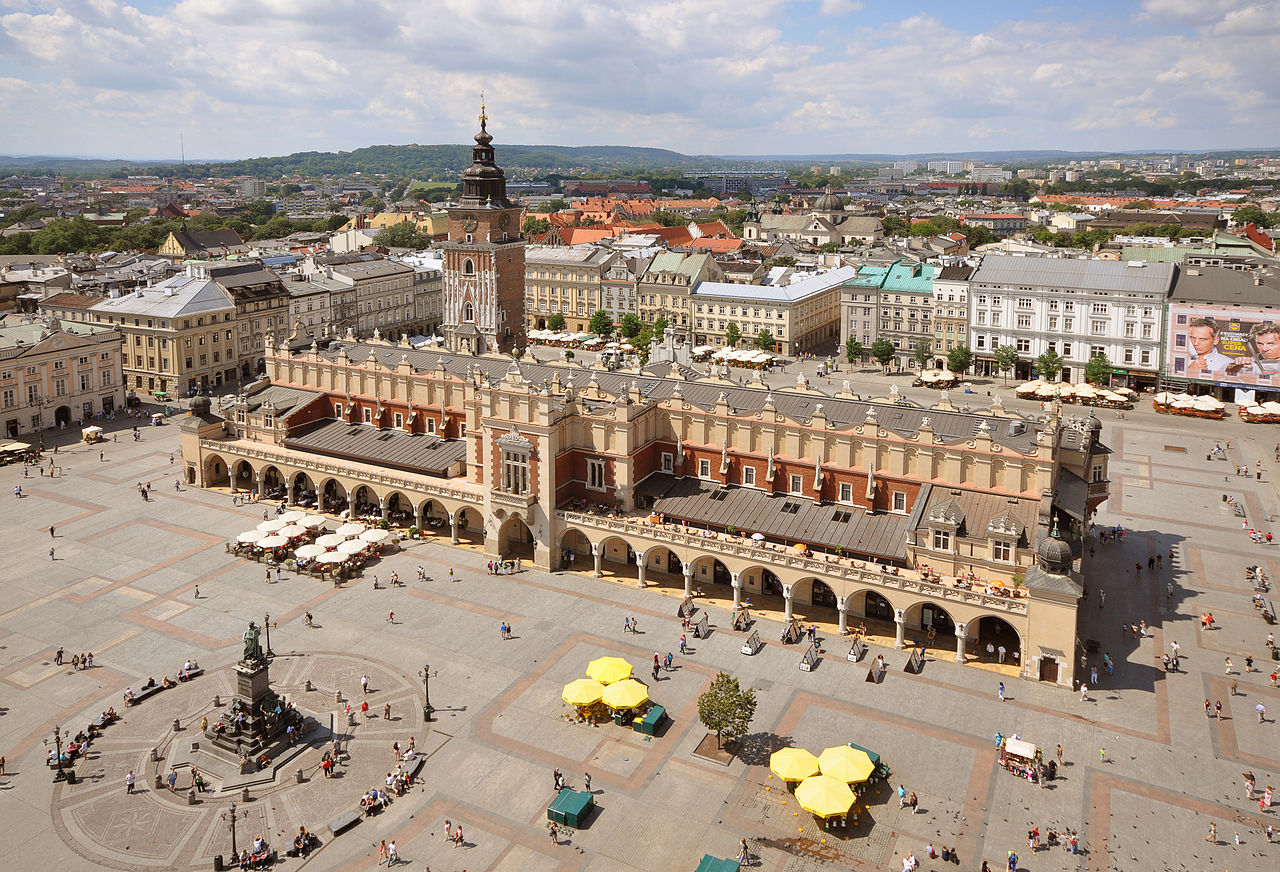
Main Square, Wawel, Kazimierz, museums, food, and nearby Wieliczka create Poland's most immediately atmospheric first base.
Destination Guide
Royal cities, rebuilt capitals, Baltic heritage, monumental castles, living food culture, and wild landscapes.
Poland rewards a route that gives Kraków and Warsaw different editorial roles, then adds Gdańsk, Malbork, the Tatras, or another region with purpose. Its difficult twentieth-century history deserves expert, sensitive interpretation alongside culture, food, art, and nature.
Travel styles
Experience Explorer
Choose the historic city, modern capital, Baltic chapter, castle landscape, mountain region, and food culture that should lead.
Main Square, Wawel, Kazimierz, museums, food, and nearby Wieliczka create Poland's most immediately atmospheric first base.
Advisor insight
Kraków and Warsaw are complements, not substitutes. Add Gdańsk or the Tatras only when the trip can support a distinct third chapter.
Traveler fit
Advisor guidance
Poland's history includes trauma that should not be reduced to sightseeing. Auschwitz-Birkenau and other memorial sites require preparation, respectful pacing, and expert interpretation.
The country is large. Kraków, Warsaw, Gdańsk, Białowieża, and the Tatras cannot all be treated as nearby add-ons.
Common planning mistakes
Norma, Dock 10 Travel
Honest tradeoffs
Best Ways to Experience Poland
Fast rail connects major cities; expert guides deepen history, while mountains and forests require separate logistics.
Best forFirst-time visitors wanting Poland's historic royal city and modern reconstructed capital in one rail-led route.
Advisor noteGive each city at least three nights and do not compare them as interchangeable old towns.
Best forTravelers prioritizing Wawel, Kazimierz, food, Wieliczka, and sensitive historical touring.
Advisor noteDo not place Wieliczka and Auschwitz-Birkenau on one compressed day.
Best forTravelers combining Kraków or Warsaw with Gdańsk, Malbork, and maritime history.
Advisor noteUse direct rail and protect three nights in Gdańsk for the city and one northern outing.
Best forTravelers wanting Kraków culture followed by Zakopane or a quieter mountain base.
Advisor noteMatch the mountain base to actual trail, spa, scenery, or winter goals—not simply name recognition.
Advisor-built trip ideas
Investment estimates are planning ranges per person, based on two travelers sharing, and exclude international airfare unless stated otherwise. Final pricing depends on travel dates, availability and the personalized itinerary.

8–10 days
A rail-led first journey giving Kraków and Warsaw distinct, substantial chapters.
Best for
First-time visitors seeking Poland's essential city contrast.
Typical investment
$5,000–$9,000 per person
Route
Kraków → Warsaw
What makes it special
Royal heritage, Kazimierz, reconstruction, national museums, Chopin, and contemporary culture create complementary stories.
Reality check
Do not fill every day with heavy history; balance guided visits with food, music, and unstructured time.
Advisor takeaway
Protect three or four nights in each city.
Investment context
Planning range per person, based on two travelers sharing accommodations. International airfare is excluded. Final pricing varies by season, hotel category, transportation, and private-guiding choices. Driven by city hotel category, private historical guiding, rail class, museums, food experiences, and season.

11–13 days
Poland's three most distinctive first-trip cities connected by rail, with Malbork as a focused northern day.
Best for
Culture and history travelers wanting national range without rural driving.
Typical investment
$7,000–$12,000 per person
Route
Kraków → Warsaw → Gdańsk and Malbork
What makes it special
Royal south, resilient capital, and maritime north feel genuinely different.
Reality check
Three bases are enough; adding the Tatras would make the route transfer-heavy.
Advisor takeaway
Give Gdańsk three nights and reserve Malbork around train times.
Investment context
Planning range per person, based on two travelers sharing accommodations. International airfare is excluded. Final pricing varies by season, hotel category, transportation, and private-guiding choices. Driven by three-city hotels, fast rail, private guiding, Malbork touring, and Baltic-season demand.

8–11 days
Kraków with Wieliczka and a deliberate Tatra or southern heritage chapter.
Best for
Travelers wanting one strong city plus underground, mountain, or regional contrast.
Typical investment
$5,500–$10,000 per person
Route
Kraków → Wieliczka → Zakopane or selected southern base
What makes it special
Royal city, carved salt chambers, food culture, and mountain landscapes build a concentrated southern route.
Reality check
Wieliczka contains long underground walking routes; review access before booking.
Advisor takeaway
Separate emotionally demanding historical visits from active or celebratory days.
Investment context
Planning range per person, based on two travelers sharing accommodations. International airfare is excluded. Final pricing varies by season, hotel category, transportation, and private-guiding choices. Driven by Kraków hotel category, Wieliczka, private regional guiding, Tatras lodging, transfers, and season.

13–15 days
Kraków, Warsaw, Gdańsk and Malbork, then a focused Tatra chapter or reverse sequence.
Best for
Travelers with two weeks who want Poland's urban range and one major landscape.
Typical investment
$9,000–$15,000 per person
Route
Kraków and Tatras → Warsaw → Gdańsk and Malbork
What makes it special
Royal squares, mountain peaks, resilient Warsaw, Baltic heritage, and a monumental castle span the country.
Reality check
Four bases are the practical maximum; Białowieża or the lakes need another trip.
Advisor takeaway
Use direct rail and one private mountain or castle day rather than driving the whole country.
Investment context
Planning range per person, based on two travelers sharing accommodations. International airfare is excluded. Final pricing varies by season, hotel category, transportation, and private-guiding choices. Driven by four regional chapters, premium rail, private castle and mountain touring, hotel category, and seasonal demand.
Travel Planning Center
Twenty practical decisions covering seasons, cities, history, rail, nature, and pairings.
Related Destinations

Prague's drama, Bohemian storybook towns, and Moravian wine country—edited with time to feel each place.
Prague, Bohemian heritage, spa towns, and Moravian wine.
Kraków and Prague pair well when each keeps three or four nights.

A compact Danube capital, dramatic Tatras, monumental castles, and historic towns that reward travelers who go beyond the obvious.
Bratislava, High Tatras, castles, and a quieter Central European chapter.
The Tatras create the strongest landscape connection.

Historic capitals, living cities, river valleys, and regional traditions.
Berlin, Dresden, Bavaria, Rhine landscapes, and broad history.
Berlin or Dresden can connect naturally with western or northern Poland.

Imperial cities, musical traditions, and alpine chapters in balance.
Vienna, Salzburg, music, museums, Danube, and Alps.
Austria belongs in a longer Central Europe route.
Advisor note: The Czech Republic, Slovakia, or Germany can pair logically by rail. Keep Poland's major cities substantive and avoid adding countries simply to increase the count.
Poland FAQ
Plan eight to ten days for Kraków and Warsaw. Eleven to thirteen days can add Gdańsk; thirteen to fifteen days can include one Tatra or regional landscape chapter.
Choose Kraków for royal heritage, preserved atmosphere, Kazimierz, and southern excursions. Choose Warsaw for reconstruction, major twentieth-century museums, Chopin, and contemporary culture. Strong first trips often include both.
Yes for Jewish history, Holocaust and memorial contexts, Warsaw's reconstruction, Solidarity, Malbork, family heritage, and complex historical interpretation.
Yes. Kraków, Warsaw, Gdańsk, and other major cities connect well by rail. Mountains, forests, lakes, and rural heritage may require drivers or careful local transport.
Prepare emotionally, use official or expert interpretation, allow respectful time, follow site guidance, and avoid stacking the visit with other intense or celebratory experiences.