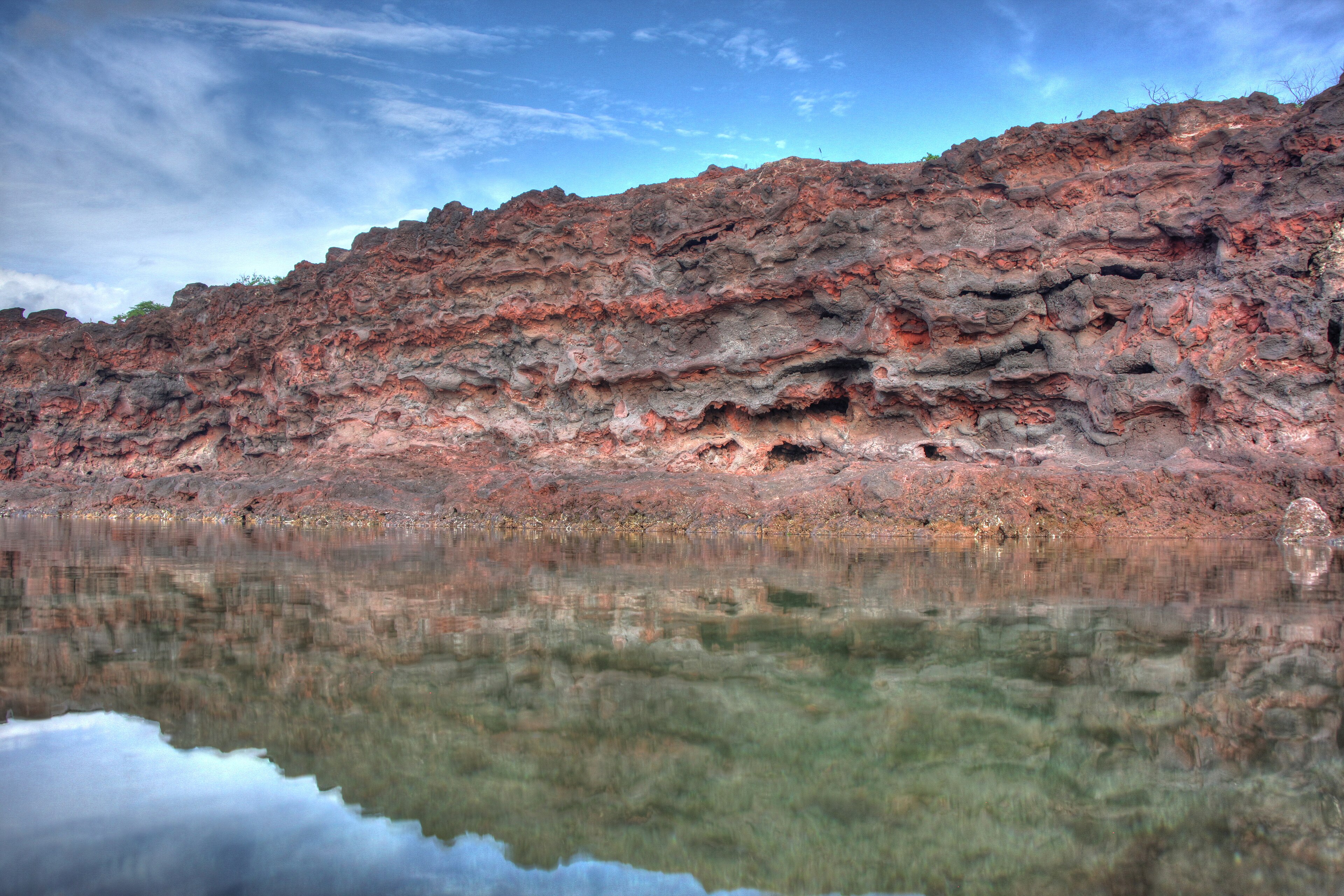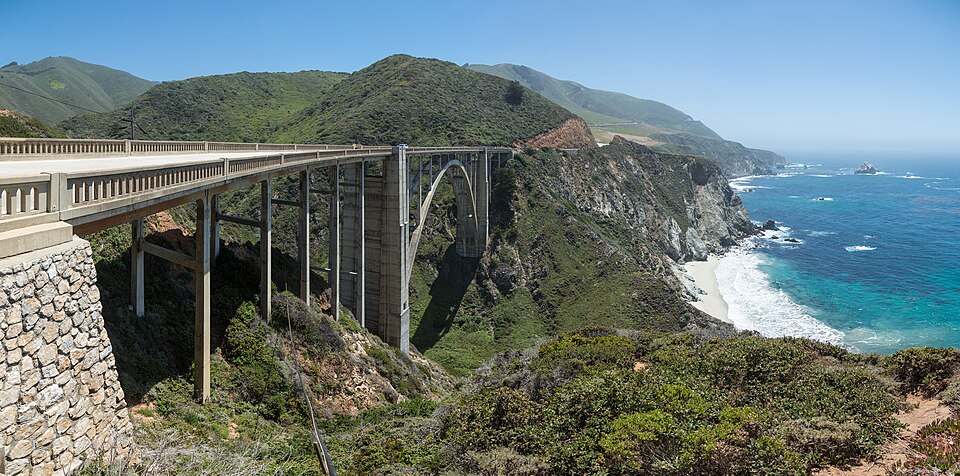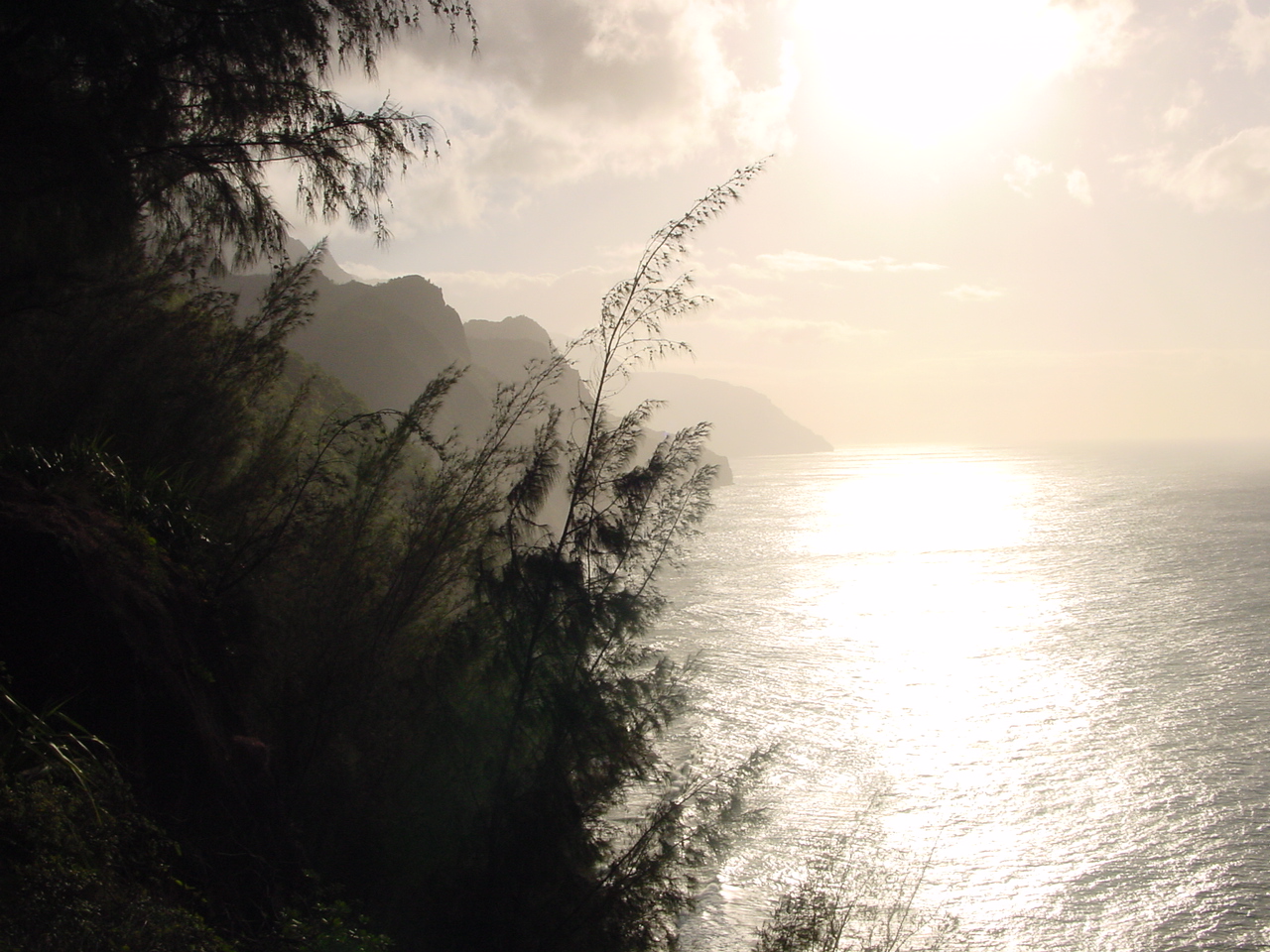
Sunlight crosses the Pacific and the layered sea cliffs of Kauai's Na Pali Coast

    United States Signature Collection

    Hawaii

    Choose the islands that fit—then give each one enough time to become more than a view.

    Hawaii is an island system, not a single resort promise. Oʻahu layers Honolulu, Waikīkī, royal history, museums, food, and surf culture; Maui balances resort time with Haleakalā and the Road to Hāna; Hawaiʻi Island adds living volcanoes and enormous driving scale; Kauaʻi rewards travelers who prioritize nature and a quieter rhythm. The strongest plan protects culture, community, and realistic island time.

    Island-fit before hotel selection
    Interisland days counted honestly
    Native Hawaiian culture in present tense
    Ocean, weather, road, and access safeguards

    Travel styles

    Best for

    Beach & IslandsFamilyRomance/HoneymoonOcean CruisesFood & WineAdventureLuxury TouringHistory & Heritage

    Experience Explorer

    Choose the Hawaii experience that should lead

    Six chapters distinguish four major visitor islands, living culture and food, and the logistics that determine whether an island mix feels spacious or fragmented.

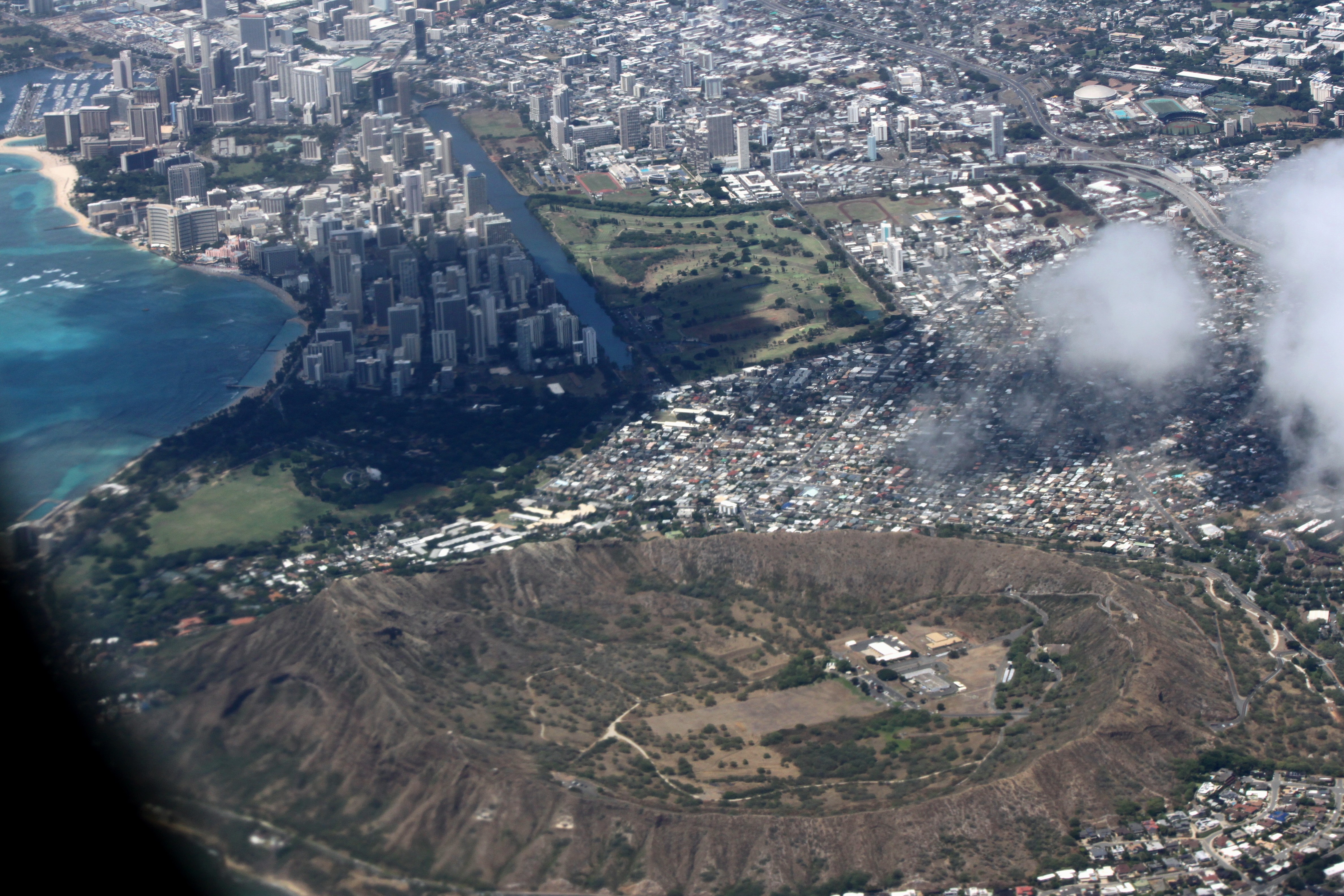
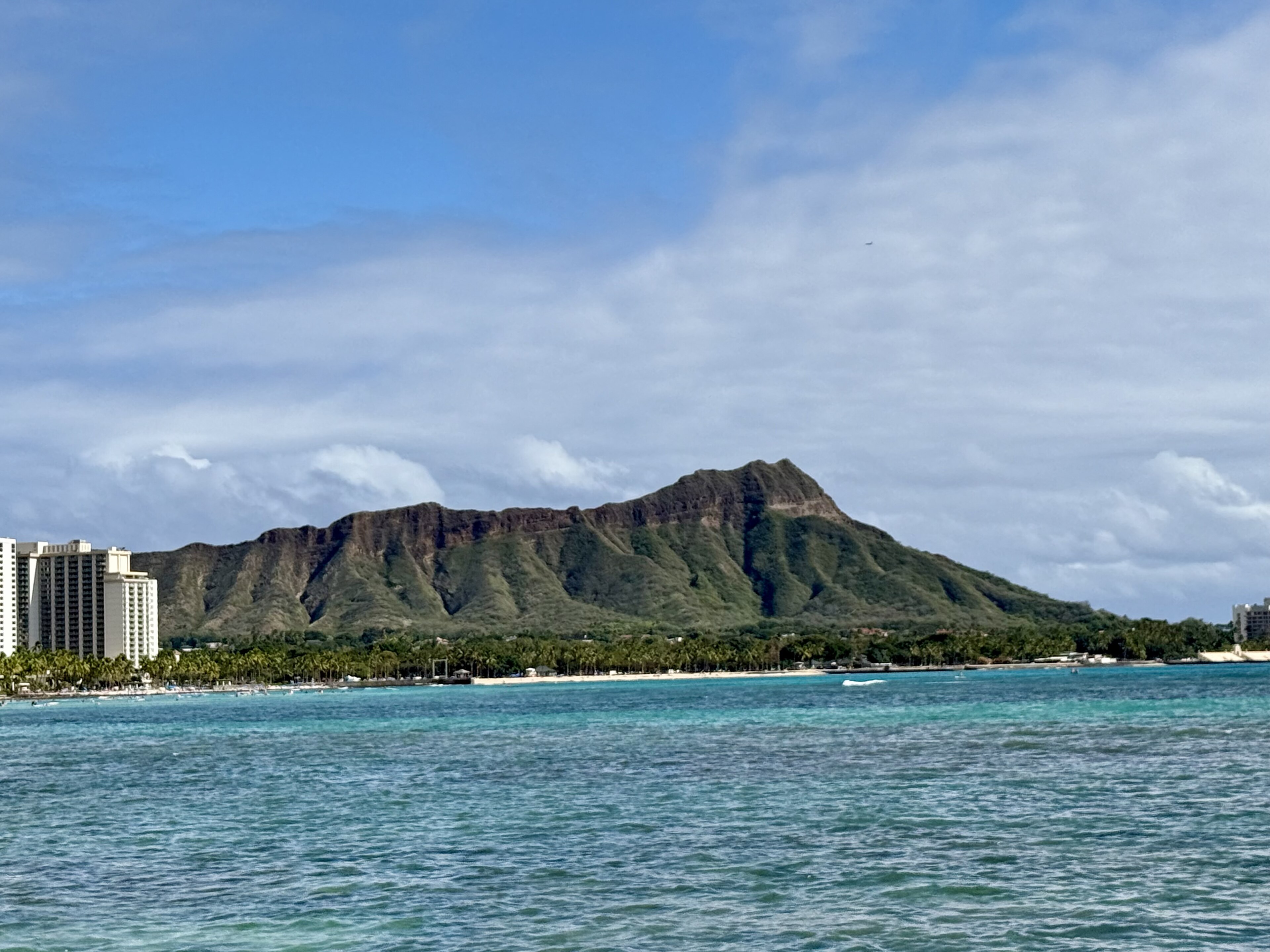
    Diamond Head rising behind Waikiki's turquoise shoreline and Honolulu hotels on Oahu
    First-Visit Anchor

    Oʻahu — Honolulu, Waikīkī & Hawaiian History

    Combine Waikīkī and Honolulu's food and museums with ʻIolani Palace, Bishop Museum, Pearl Harbor context, Diamond Head, and a selective North Shore day instead of treating Oʻahu as only an arrival airport.
    Advisor insight

    For most first trips, combine Oʻahu with one neighbor island over nine to eleven nights—or stay on one island for six to eight nights. Every flight change consumes more than its scheduled airtime once hotel checkout, rental return, airport arrival, baggage, a new car, and the next check-in are included.

    Traveler fit

    Hawaii is a strong fit if

    • You want a U.S. trip with distinct island landscapes, deep culture, and strong resort infrastructure.
    • You can match the island to your priorities instead of asking one island to deliver every experience.
    • You value ocean, nature, food, history, relaxation, or soft adventure in a carefully paced combination.
    • You are willing to follow local access rules and treat Native Hawaiian culture as living, not decorative.

    Advisor guidance

    Advisor Reality Check

    Island-hopping is aviation. A short interisland flight can consume most of a usable day after hotel, car, airport, baggage, and check-in steps.

    Ocean and mountain conditions can change quickly. Reservations, closures, weather, surf, wildfire recovery, and community guidance must be checked for the exact dates.

    Common planning mistakes

    • • Choosing a resort before choosing the right island and coast.
    • • Using four- or five-night island splits that leave no recovery or weather margin.
    • • Treating every waterfall road, beach access, sacred place, or social-media location as automatically open to visitors.
    • • Describing Native Hawaiian culture only through a luau or mixing Hawaiian and wider Polynesian traditions without context.

    Norma, Dock 10 Travel

    Honest tradeoffs

    Hawaii may not be ideal if

    • You want an inexpensive, all-inclusive beach week with minimal local transportation.
    • You dislike rental cars but want extensive neighbor-island exploration.
    • You need guaranteed calm ocean, summit visibility, or waterfall conditions.
    • You want to collect several islands in one week.

    Best Ways to Experience Hawaii

    Choose contrast without sacrificing depth

    Four journey styles create distinct combinations of city, resort, culture, scenery, and adventure.

    Ask Norma to Compare Travel Styles
    Advisor Pick

    Classic Hawaii

    Best forFirst-time travelers who want Oʻahu history and energy plus a restorative Maui finish.

    Advisor noteUse four nights on Oʻahu and five on Maui; the open-jaw pattern avoids returning to Honolulu solely for the flight home when schedules allow.

    Maui & Kauaʻi Escape

    Best forCouples and repeat visitors prioritizing resorts, scenery, quiet, and selective adventure over city time.

    Advisor noteProtect at least four nights per island and let season, North Shore weather, boat conditions, and resort style determine the order.

    Big Island Adventure

    Best forTravelers who prioritize volcanoes, landscape variety, astronomy, snorkeling, coffee country, and road-based exploration.

    Advisor noteA split between the volcano/Hilo side and Kona or Kohala can reduce backtracking, but every hotel change should earn its place.

    Grand Hawaii

    Best forTravelers with nearly two weeks who want Oʻahu, Hawaiʻi Island, Kauaʻi, and Maui with premium logistics.

    Advisor noteTwelve days is still active across four islands; use protected transfers, limited hotel zones, and no additional side trips that create another flight.

    Hawaii Decision Guide

    Resolve the choices that shape the whole trip

    Island count, neighbor-island fit, and desired energy matter more than a generic best-island ranking.

    Ask Norma for a Recommendation

    Advisor-built Signature journeys

    Recommended Hawaii Itineraries

    Investment estimates are planning ranges per person, based on two travelers sharing, and exclude international airfare unless stated otherwise. Final pricing depends on travel dates, availability and the personalized itinerary.

    Ask Norma to Compare Travel Styles
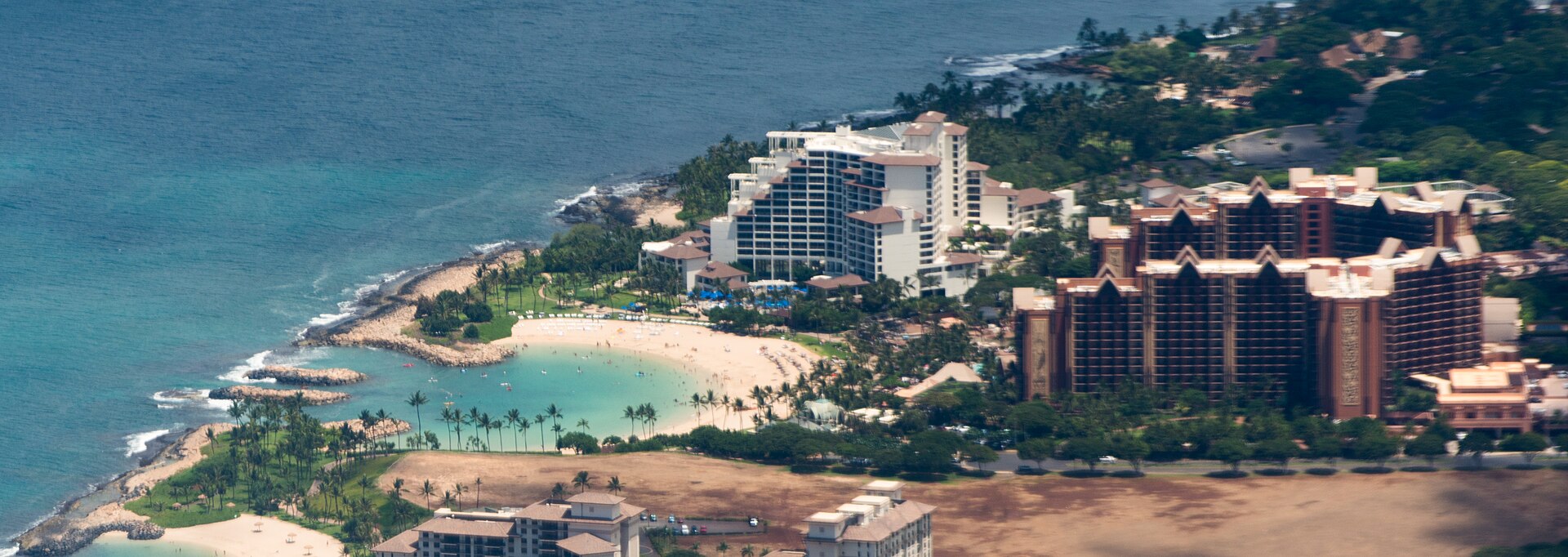
    Ko Olina lagoon, beach activity, and resort buildings on Oahu

    10 days

    Classic Hawaii

    Oʻahu history, food, and Waikīkī followed by Maui resort time, Haleakalā, Upcountry, and a selective scenic-road day.

    Best for

    First-time travelers wanting the clearest city-culture and neighbor-island resort contrast.

    Typical investment

    Planning benchmark from $4,995 per person

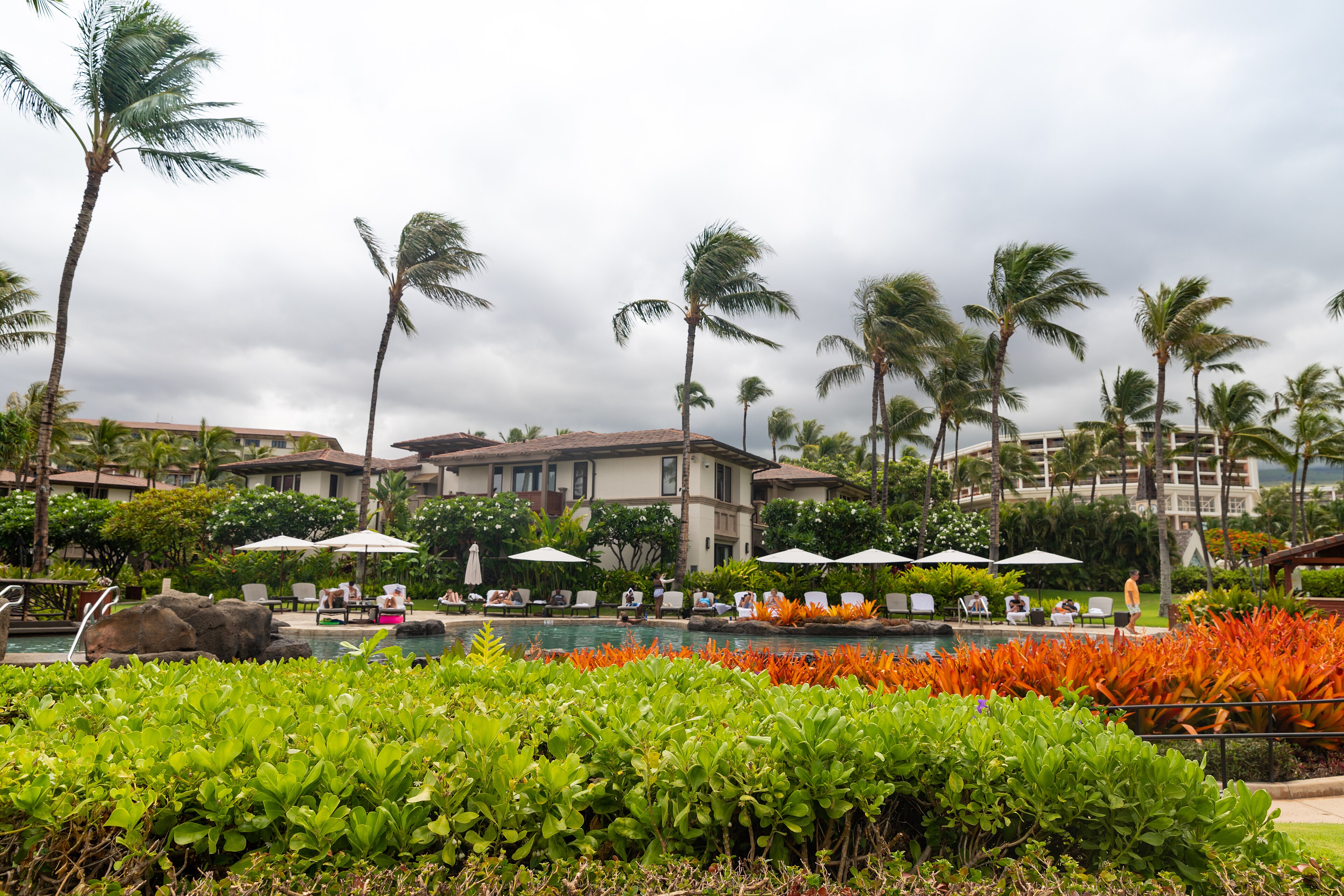
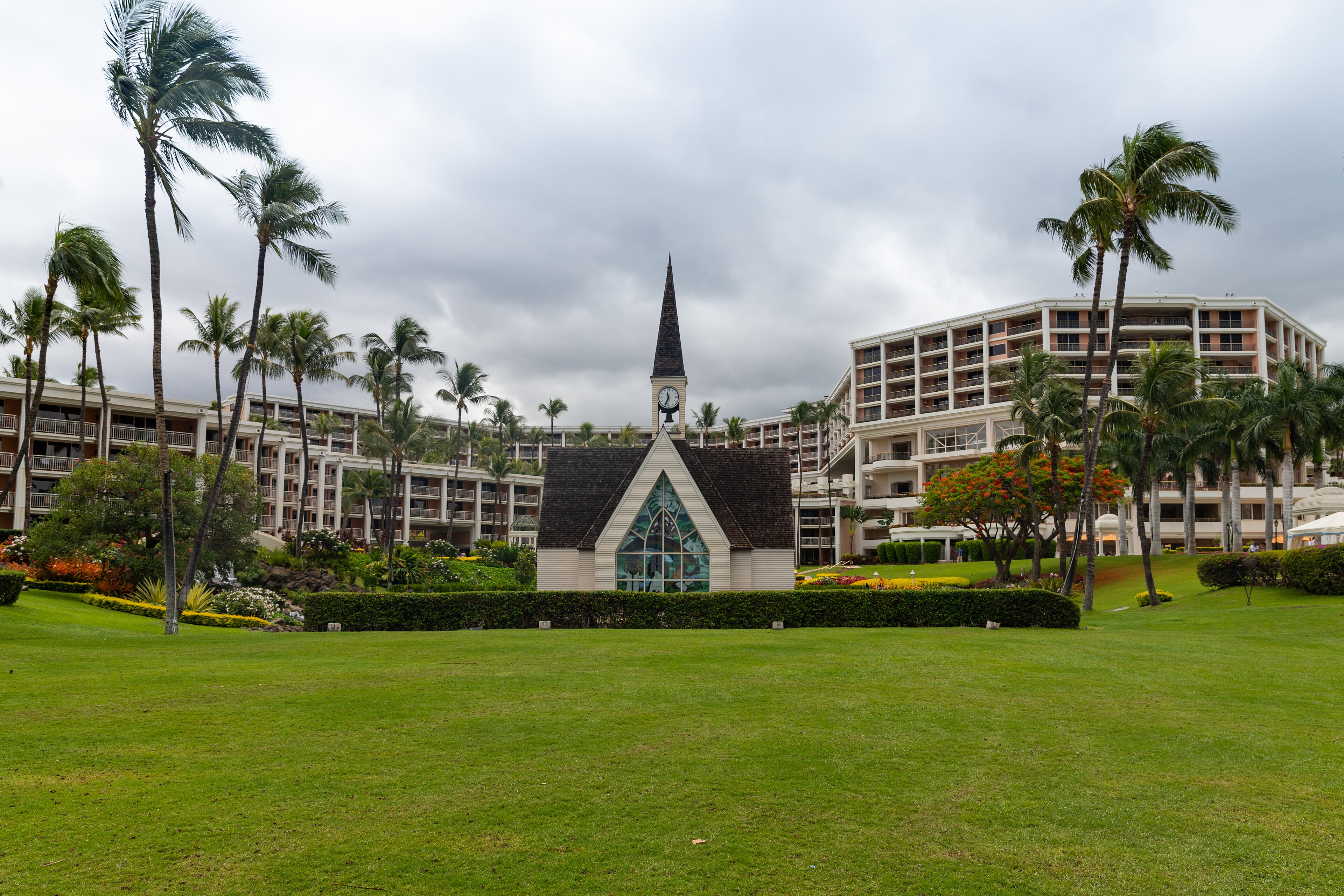
    Wailea resort gardens, pool, palms, and guest terraces on Maui

    9 days

    Maui & Kauaʻi Escape

    A two-island resort and nature journey pairing Maui's summit-to-sea range with Kauaʻi's cliffs, canyon, and quieter rhythm.

    Best for

    Couples, celebrations, and repeat visitors who value scenery, premium downtime, and selective adventure.

    Typical investment

    Planning benchmark from $5,995 per person

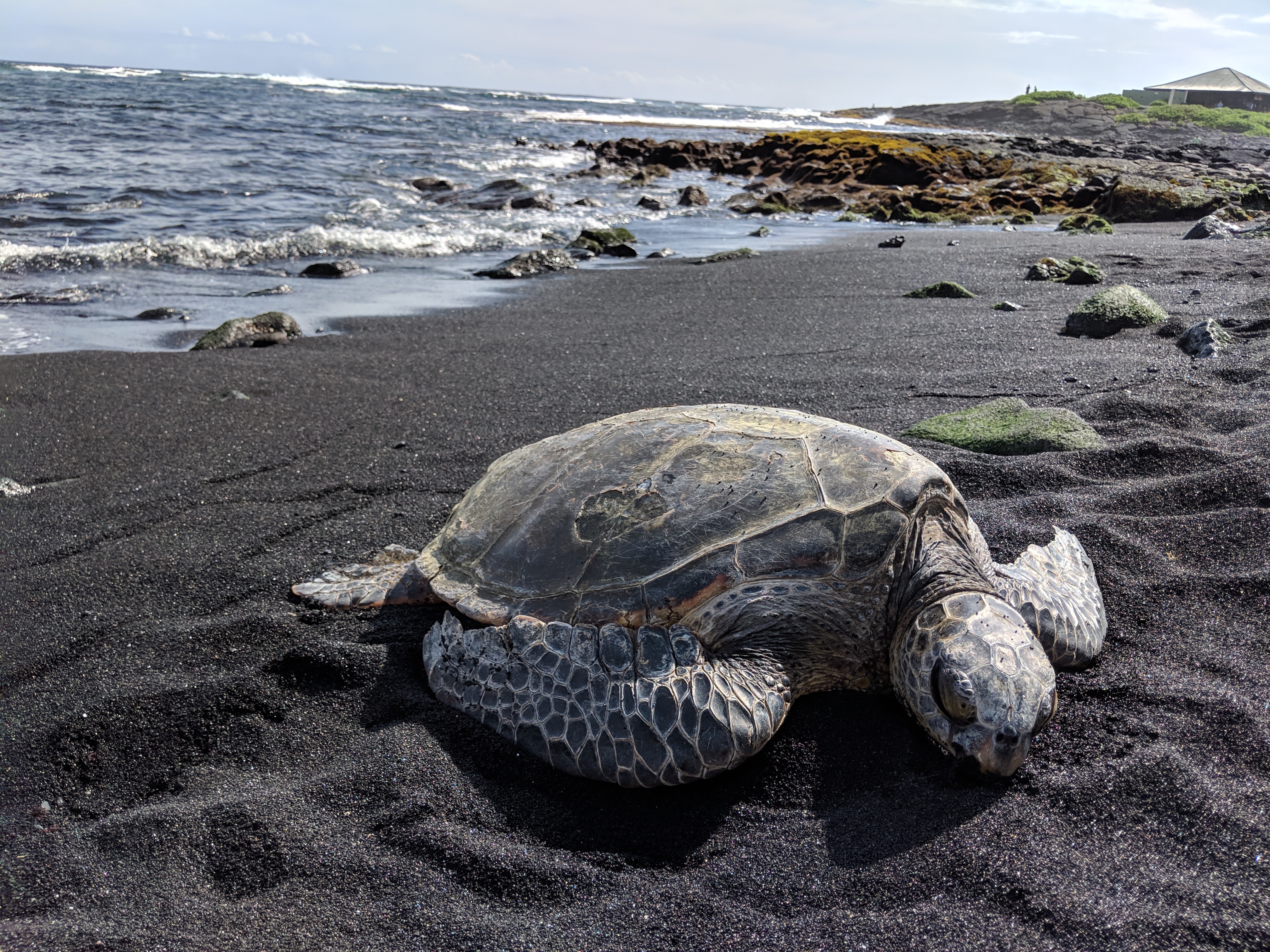
    A Hawaiian green sea turtle rests on the black volcanic sand at Punaluu Beach on Hawaii Island

    8 days

    Big Island Adventure

    A deeper Hawaiʻi Island journey combining volcano country, Kona or Kohala, black-sand landscapes, astronomy, coffee, and the ocean.

    Best for

    Active travelers and repeat visitors who prefer one large island's range over multiple airport days.

    Typical investment

    Planning benchmark from $4,499 per person

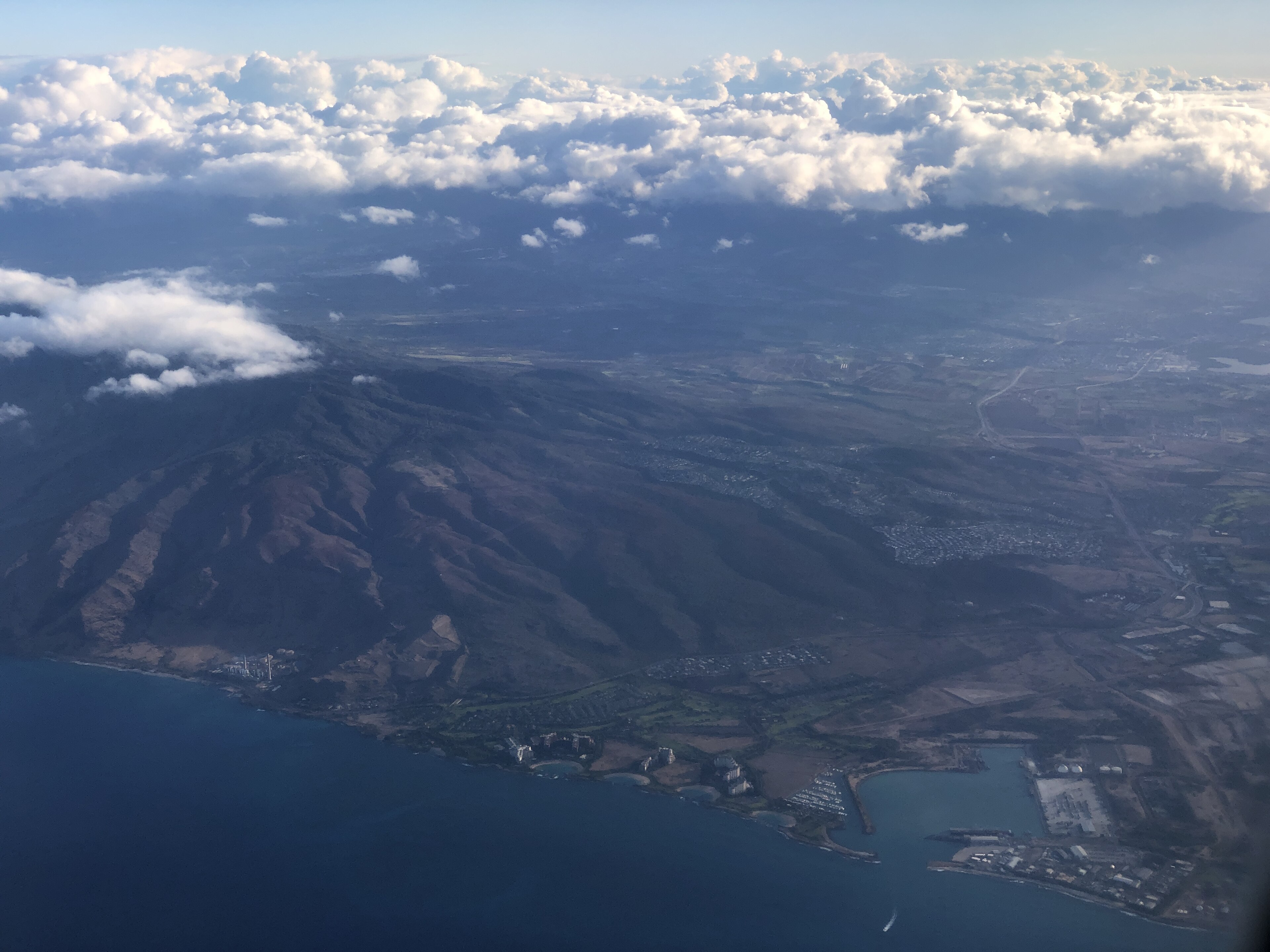
    Diamond Head crater, Waikiki Beach, Honolulu, and the Pacific seen together from the air

    12 days

    Grand Hawaii

    A premium four-island overview connecting Oʻahu, Hawaiʻi Island, Kauaʻi, and Maui with protected transfers and selective signature experiences.

    Best for

    Travelers who want broad island contrast, premium logistics, and guided cultural and natural interpretation in one journey.

    Typical investment

    Planning benchmark from $11,990 per person

    Hawaii Travel Planning Center

    Plan the islands as one operating system

    Use island fit, realistic transfers, reservations, culture, weather, and local conditions to turn inspiration into a workable trip.

    Ask Norma to Learn More
    Island Fit & Duration
    One-island depthSix to eight nights can create a complete trip.
    Choose the island whose culture, landscape, resort style, and driving pattern best match the traveler; protect unstructured time rather than adding a flight for variety.Ask Norma to Learn More
    Two-island balanceNine to eleven nights is the useful first-trip range.
    Pair Oʻahu with one neighbor island or combine two contrasting neighbor islands. Count the move as a travel day and use open-jaw air when practical.Ask Norma to Learn More
    Three or four islandsBreadth needs premium logistics and enough nights.
    Use about twelve days only for a deliberately active, coordinated journey. Do not add day trips that introduce additional airport transfers.Ask Norma to Learn More
    Family, honeymoon, and celebration fitThe occasion does not choose the island by itself.
    Match children, romance, privacy, dining, nightlife, activity, room layout, and pool or beach needs to the island and coast instead of using a generic honeymoon or family label.Ask Norma to Learn More
    Flights, Cars & Roads
    Interisland flight dayScheduled airtime is only one part of the move.
    Include hotel checkout, car return, airport arrival, baggage, security, flight variability, the next rental, driving, parking, and hotel check-in.Ask Norma to Learn More
    Rental-car strategyNeighbor islands usually need a car; Waikīkī may not.
    Price parking, airport versus neighborhood offices, additional drivers, and one-way rules. Do not take rentals onto prohibited or unsuitable roads.Ask Norma to Learn More
    Road to HānaA community road is not a race or checklist.
    Check official road conditions and community guidance, start with daylight, use legal parking, never trespass, avoid blocking traffic, and book an appropriate guided option when driving tolerance is uncertain.Ask Norma to Learn More
    Airport choicesHNL, OGG, LIH, KOA, and ITO shape the route.
    Compare mainland gateways, interisland schedules, rental inventory, and open-jaw fares. Hilo-in/Kona-out can protect Hawaiʻi Island time when the airfare and car rules work.Ask Norma to Learn More
    Culture, Community & Food
    Native Hawaiian present tenseHawaiian culture is living and contemporary.
    Use Native Hawaiian-led museums, guides, practitioners, and sources; distinguish the Hawaiian Kingdom, Native Hawaiian identity, and broader Polynesian traditions accurately.Ask Norma to Learn More
    ʻĀina, moana, and accessLand and ocean are home, culture, and living systems.
    Follow kapu and closure signs, never trespass for a social-media viewpoint, keep distance from wildlife, use reef-safe practices required locally, and ask before photographing cultural practice.Ask Norma to Learn More
    Food in contextLocal food reflects Native Hawaiian and many immigrant histories.
    Look beyond resort dining to fish, kalo, breadfruit, ranch and farm products, plate lunch, noodles, bakeries, coffee, and contemporary chefs while crediting traditions accurately.Ask Norma to Learn More
    Place names and local spendingNames carry history and locally rooted purchases have impact.
    Use Hawaiian place names and diacritics carefully, avoid invented translations, choose Native Hawaiian- and locally owned guides or businesses where appropriate, and never treat residential communities as attractions.Ask Norma to Learn More
    Parks, Ocean & Conditions
    HaleakalāSunrise requires a separate advance vehicle reservation.
    The National Park Service currently releases sunrise inventory up to 60 days and again two days ahead; summit weather can be wet, windy, and below freezing, and there is no food or fuel in the park.Ask Norma to Learn More
    Hawaiʻi VolcanoesConditions and viewing change.
    Use current NPS alerts, remain on legal public routes, never promise visible lava, allow for rain and sulfur sensitivity, and treat volcanic landscapes as culturally significant as well as geological.Ask Norma to Learn More
    Ocean safetyCalm-looking water can still be hazardous.
    Use lifeguarded beaches where possible, check official conditions, obey closures and local warnings, choose licensed operators, and match snorkeling, boating, and surf to actual ability.Ask Norma to Learn More
    Kauaʻi weather and accessNorth Shore, canyon, boat, and trail conditions are not interchangeable.
    Check road, park, permit, surf, rain, and operator status for the exact day; keep Nā Pali boat or air plans away from the departure day and retain a weather alternative.Ask Norma to Learn More
    Lodging, Season & Accessibility
    Resort coastMicroclimate and driving pattern matter.
    Choose Waikīkī, Wailea, Kāʻanapali, Kohala, Kona, Poʻipū, or the North Shore for the traveler—not by island name alone—and verify current recovery or construction context.Ask Norma to Learn More
    Season and weatherHawaii is year-round but not condition-free.
    Compare winter surf, windward rain, hurricane season, summit cold, whale season, school holidays, wildfire or flood recovery, and exact-activity conditions.Ask Norma to Learn More
    Mobility and sensory needsBeaches, boats, volcanic terrain, and historic sites vary.
    Verify step-free rooms, beach access, vehicle comfort, boat boarding, summit altitude, heat, rain, restrooms, walking surfaces, and medical access for each day.Ask Norma to Learn More
    Room and fee reconciliationThe marketed resort name does not define the booked experience.
    Verify exact view category, bedding, connecting-room policy, step-free access, renovation, parking, resort fee, breakfast, cancellation, and occupancy costs for the live dates.Ask Norma to Learn More

    Hawaii FAQ

    Questions that determine a successful island plan

    Which Hawaiian island is best for a first trip?

    There is no universal best island. Oʻahu offers the broadest history, food, museums, city life, and Waikīkī; Maui balances resorts and scenic variety; Kauaʻi is quieter and nature-led; Hawaiʻi Island offers volcanoes and the greatest landscape range with longer drives.

    How many islands should we visit?

    Choose one island for six to eight nights or two for nine to eleven nights. Three or four islands require more time, premium transfer planning, and comfort with active travel days.

    Do we need a rental car?

    Most Maui, Kauaʻi, and Hawaiʻi Island plans do. A Waikīkī stay can be partly car-free, with a short rental or guided days for farther Oʻahu exploration.

    Can we see lava?

    Never plan around guaranteed visible lava. Kīlauea activity and safe public viewing conditions change; use current National Park Service and USGS information for the exact dates.

    How should we approach Hawaiian culture respectfully?

    Learn from Native Hawaiian-led sources and practitioners, use correct place names, follow access and kapu signs, never trespass, ask before photographing cultural practice, support local businesses, and understand Hawaiian culture as living and contemporary.

    Are the Hawaii itinerary prices approved?

    Investment estimates are planning ranges per person, based on two travelers sharing, and exclude international airfare unless stated otherwise. Final pricing depends on travel dates, availability and the personalized itinerary.

    Island-fit planning
    Current operating reconciliation
    Cultural and environmental safeguards
    Legacy publication continuity preserved