Advisor Starting Point
Rotorua & Central North Island
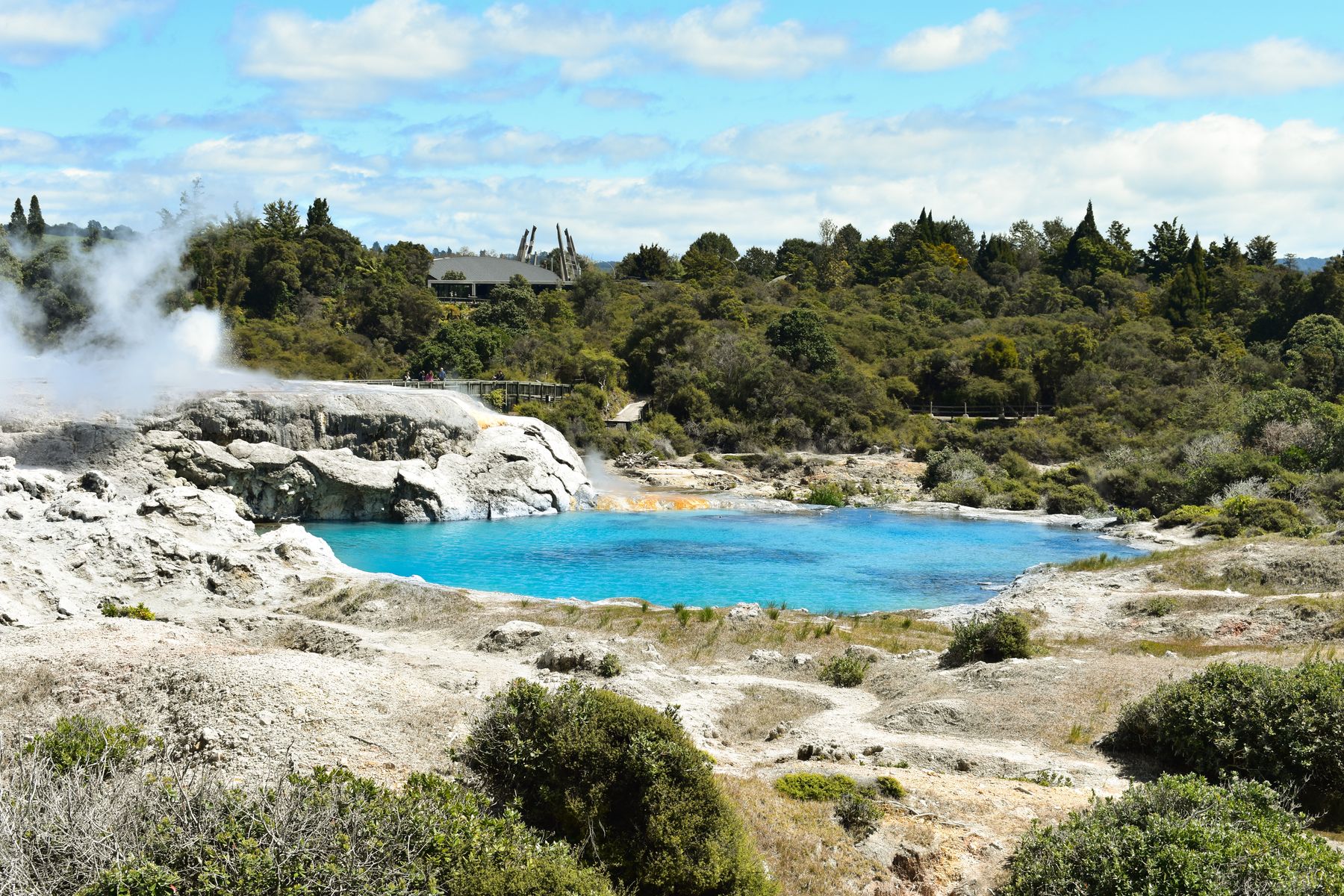
Geothermal landscapes, lakes, forests, and Māori-led experiences create the clearest North Island contrast when the host and place are treated specifically.
Destination Guide
Two islands. Distinct landscapes. A journey paced to breathe.
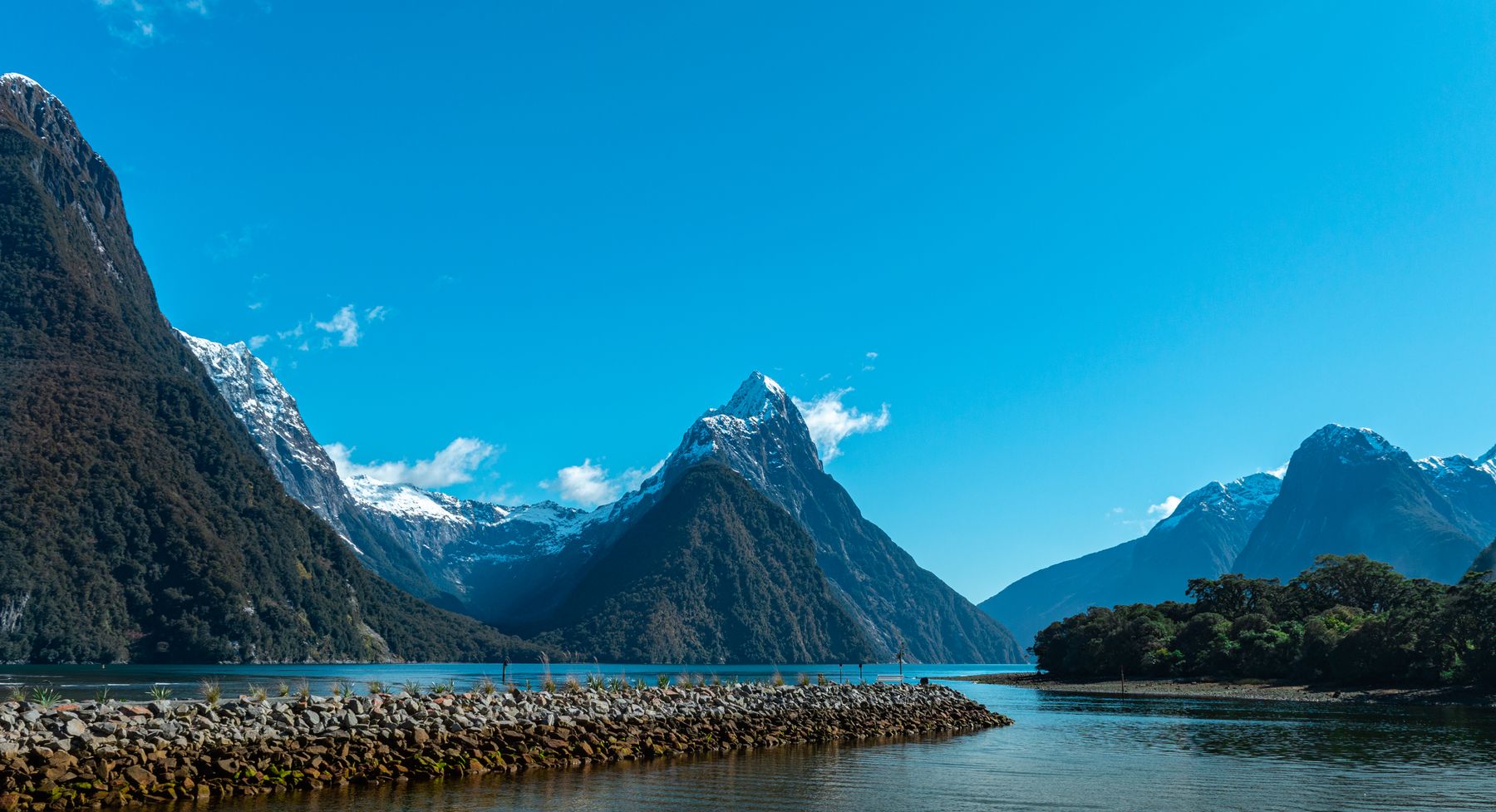
New Zealand rewards deliberate routing. The North Island brings Auckland, geothermal Rotorua, Māori-led cultural experiences, Wellington, and wine; the South Island brings the Southern Alps, Aoraki / Mount Cook, Queenstown, Fiordland, and long scenic transitions. The right trip chooses depth, honest drive times, and the right mix of self-drive, guiding, rail, ferry, and flight.
Travel styles
Experience Explorer
The strongest itinerary gives the North and South Islands different jobs instead of treating the country as one continuous scenic drive.
Geothermal landscapes, lakes, forests, and Māori-led experiences create the clearest North Island contrast when the host and place are treated specifically.
Advisor insight
Choose the island balance first. Rotorua plus one well-paced South Island circuit is stronger than six rushed bases.
Traveler fit
Advisor guidance
New Zealand looks compact, but winding two-lane roads, scenic stops, and weather make drive times longer than the mileage suggests.
Both islands need about 15–18 days for a credible highlights trip. Shorter journeys should choose one island or one focused chapter on each.
Common planning mistakes
Norma, Dock 10 Travel
Honest tradeoffs
Best Ways to Experience New Zealand
The best format may change by island or sector. Self-drive, private touring, small-group touring, rail, ferry, and flights all solve different planning problems.
Best forIndependent travelers comfortable driving on the left who want control over scenic sectors.
Advisor noteUse two- or three-night bases, drive in daylight, and avoid collecting a car for city days.
Best forMilestone travelers who value interpretation, comfort, and less driving fatigue.
Advisor notePrivate drivers add context and ease at a higher investment, but they cannot erase distance or weather.
Best forTravelers who prefer structure, social ease, and a guide managing daily logistics.
Advisor noteCompare group size, activity level, hotel geography, included experiences, and one-night frequency.
Best forNon-drivers and transportation enthusiasts willing to plan around fixed schedules.
Advisor noteScenic trains and Cook Strait ferry can enrich selected sectors; they are not a complete nationwide network.
Advisor-built trip ideas
Investment estimates are planning ranges per person, based on two travelers sharing, and exclude international airfare unless stated otherwise. Final pricing depends on travel dates, availability and the personalized itinerary.
9–11 days
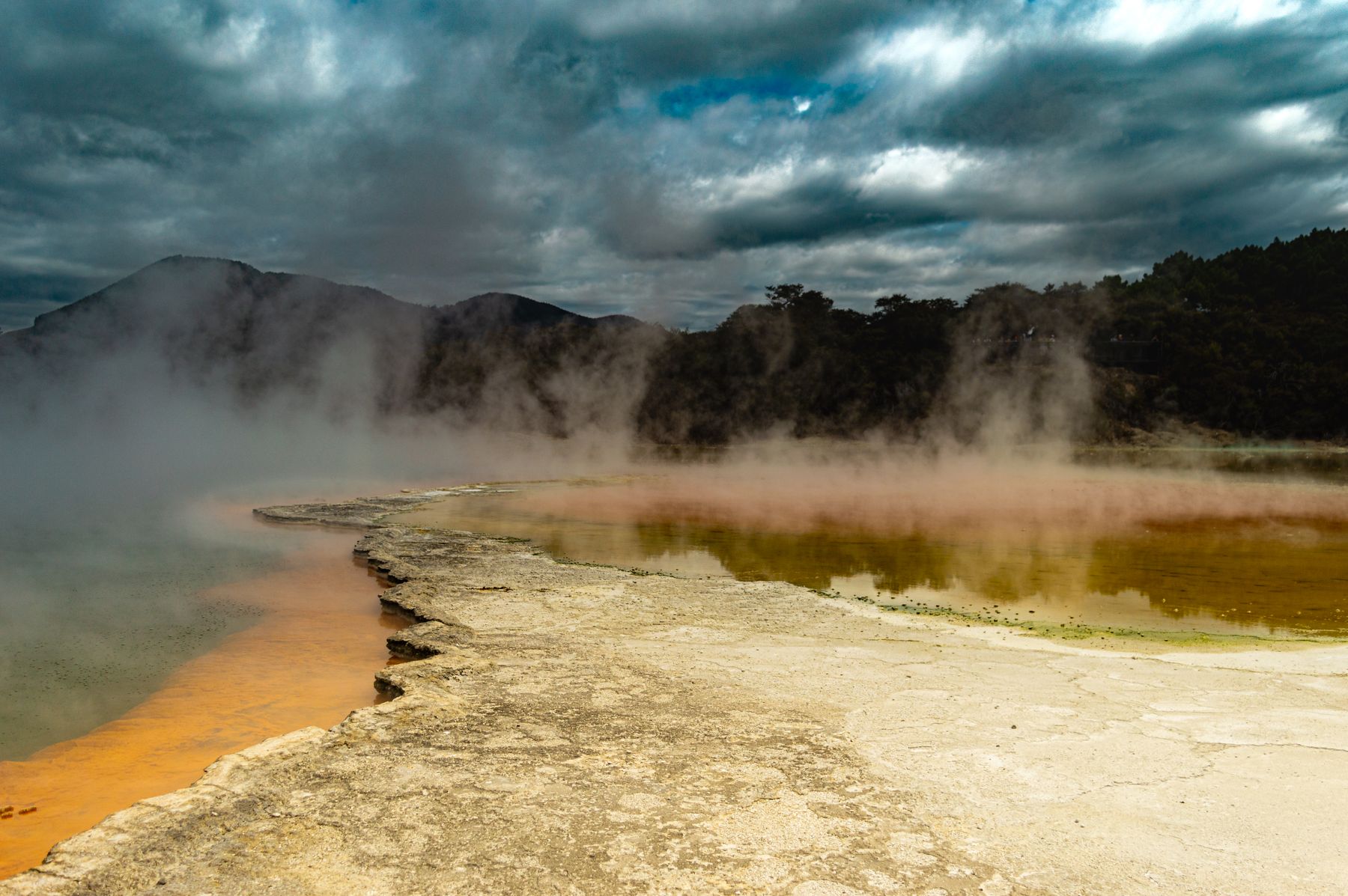
A culturally grounded North Island route balancing city arrival, geothermal landscapes, food, wine, and realistic road pacing.
Best for
Travelers who want culture, food, wine, and geothermal contrast without crossing both islands.
Typical investment
$6,500–$11,500 per person
Route
Auckland and Waiheke → Rotorua → Taupō or Hawke's Bay → Wellington
What makes it special
Māori-led interpretation and geothermal landscapes give the journey a character that alpine-only routes miss.
Reality check
Four regions work only when transitions remain humane and at least one optional stop is removed when time is short.
Advisor takeaway
Select Māori hosts for their own place and story rather than treating cultural experiences as interchangeable.
Investment context
Editorial planning guidance in U.S. dollars, not a quote or fixed package price. Based on two travelers sharing accommodations; international airfare is excluded. Upper-upscale lodging, rental car or private transfers, and selected Māori-led, geothermal, and food or wine experiences are assumed. No domestic flight is required; optional positioning airfare is excluded.
11–14 days
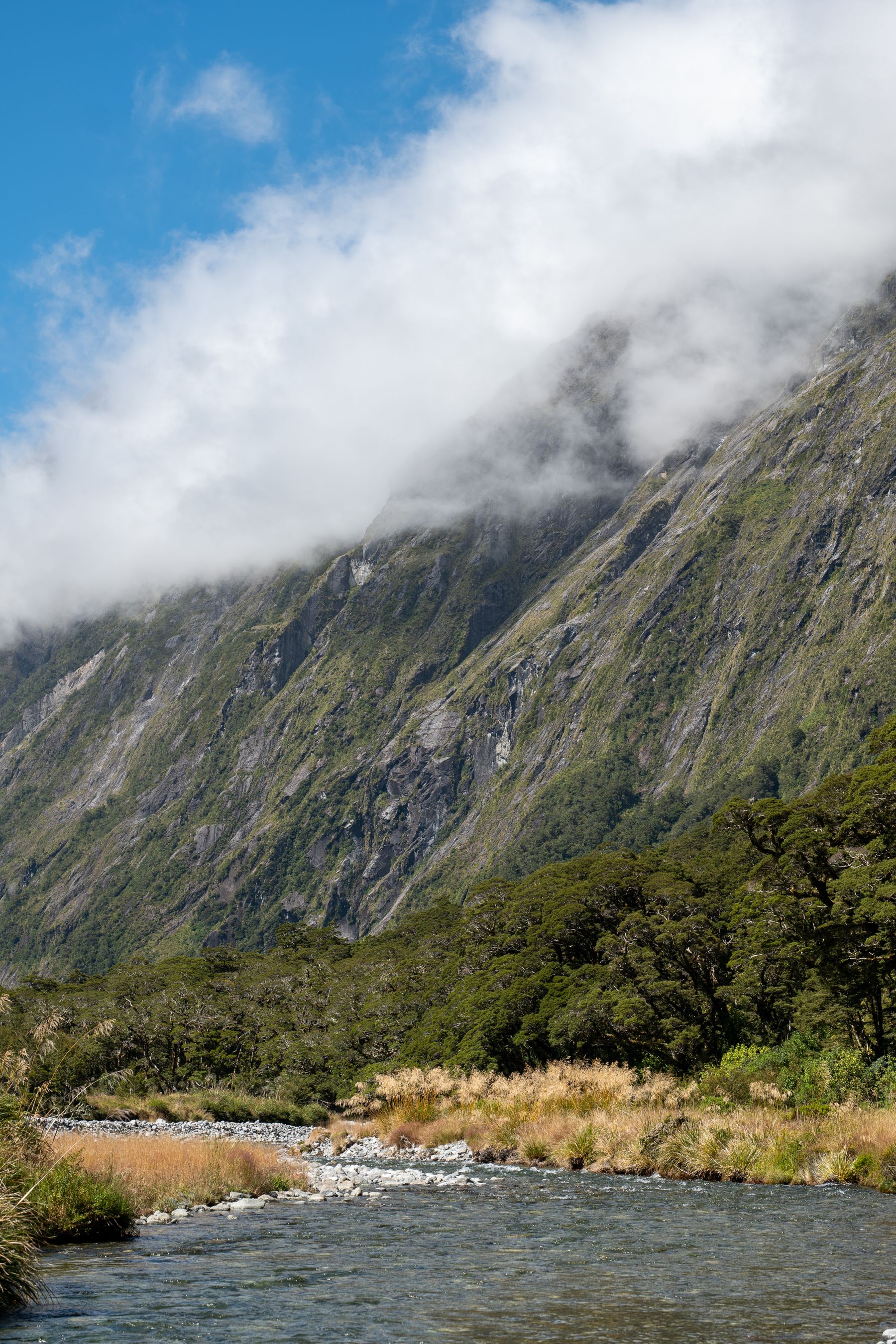
A deliberate alpine circuit linking Christchurch, Aoraki / Mount Cook, Queenstown, and Fiordland with one optional regional extension.
Best for
Landscape-led travelers who want the Southern Alps, Fiordland, wine, and comfortable activity.
Typical investment
$8,500–$15,000 per person
Route
Christchurch → Aoraki / Mount Cook → Queenstown → Te Anau and Fiordland, plus Central Otago or the West Coast when time supports it
What makes it special
The journey itself becomes the experience as alpine roads, lake towns, and Fiordland build in scale.
Reality check
Weather may change Aoraki visibility, roads, cruises, and scenic flights; do not guarantee a signature view.
Advisor takeaway
Choose one optional extension, not every famous South Island stop.
Investment context
Editorial planning guidance in U.S. dollars, not a quote or fixed package price. Based on two travelers sharing accommodations; international airfare is excluded. Premium lodging, rental car or mixed transfers, selected guided experiences, and optional scenic rail are assumed. No internal flight is required; optional gateway positioning airfare is excluded.
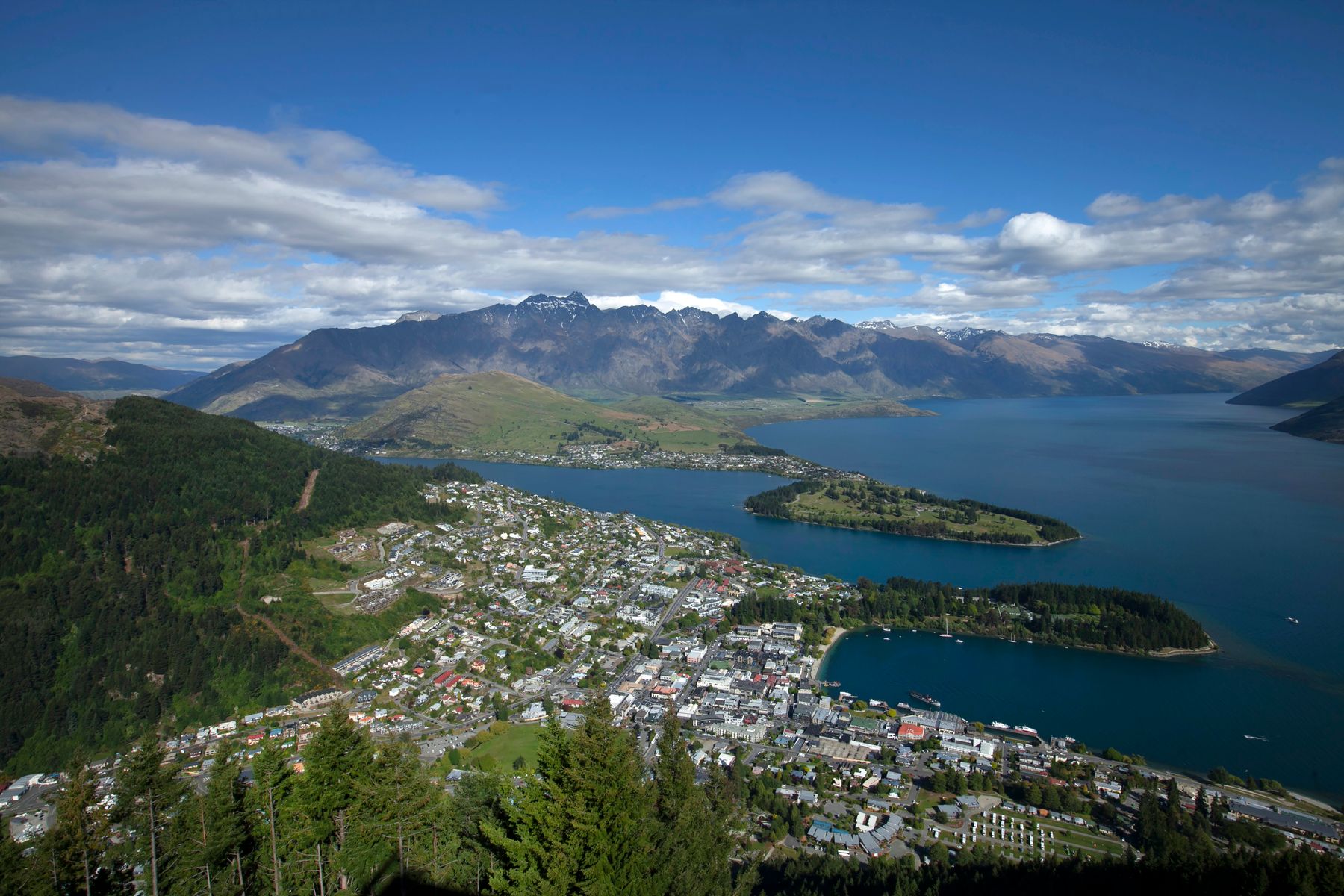
15–18 days
A credible first journey giving Rotorua and the North Island a distinct role before a focused South Island scenic circuit.
Best for
First-time visitors who want both islands without reducing either to an airport connection.
Typical investment
$12,000–$21,000 per person
Route
Auckland → Rotorua → Wellington → ferry or flight south → South Island scenic route → Queenstown and Fiordland
What makes it special
Geothermal and Māori-led North Island context creates a genuine counterpoint to the South Island's alpine scale.
Reality check
Fourteen nights is the practical floor; shorter versions create too many transitions and one-night stays.
Advisor takeaway
Use the ferry for journey value or fly when it protects the South Island chapter.
Investment context
Editorial planning guidance in U.S. dollars, not a quote or fixed package price. Based on two travelers sharing accommodations; international airfare is excluded. Upper-upscale lodging, rental car, selected guiding, and one required Cook Strait ferry or economy domestic flight are included. Final investment varies by ferry versus flight, route, lodge level, and season.
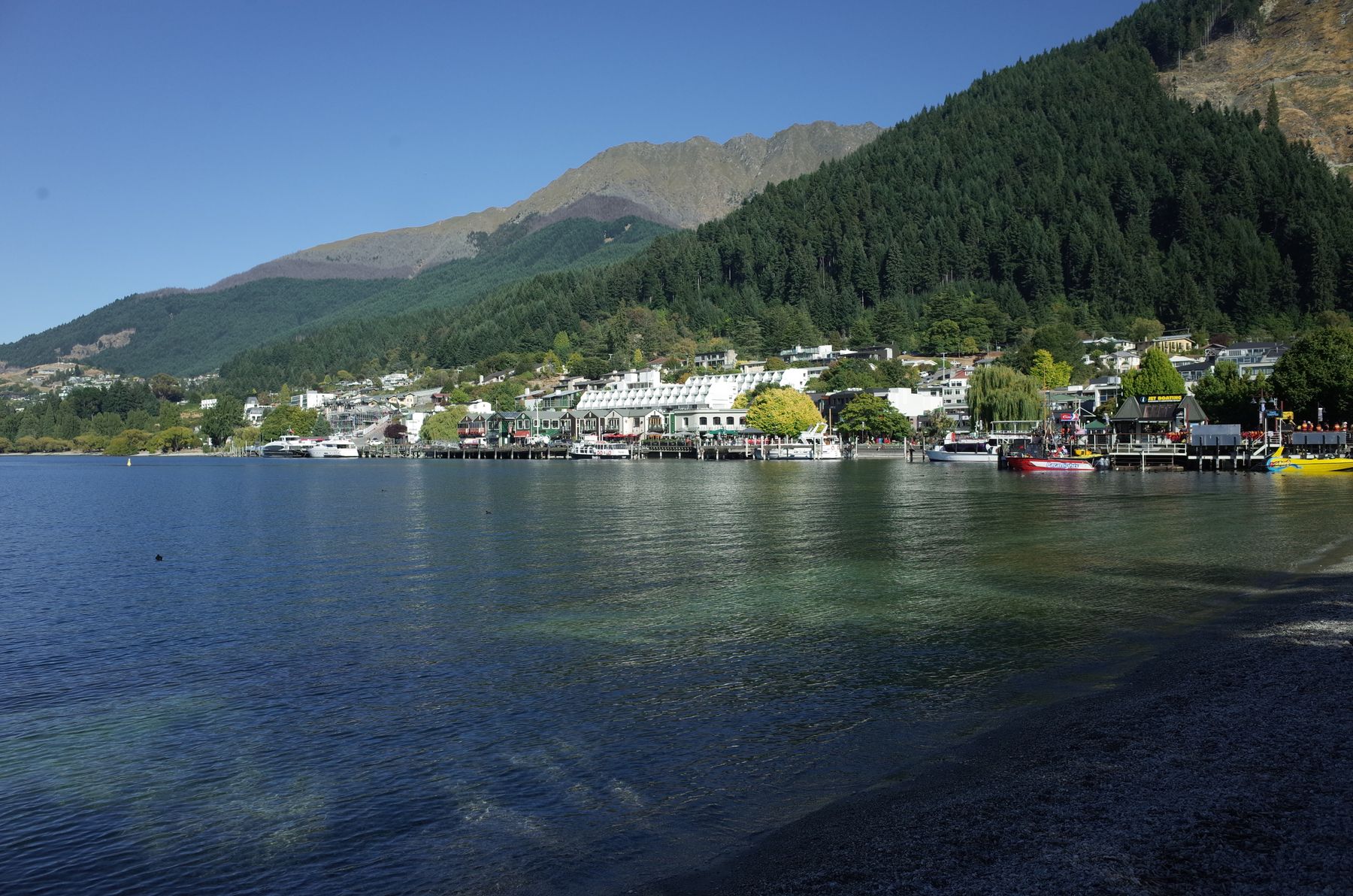
20–25 days
A high-touch national journey using fewer, stronger lodges and substantial private interpretation across both islands.
Best for
Milestone travelers seeking exceptional stays, private guiding, scenic aviation, and slower regional depth.
Typical investment
$22,000–$45,000 per person
Travel Planning Center
Twenty practical decisions covering season, island scope, roads, rail, ferries, cultural context, activities, and traveler comfort.
Related Destinations
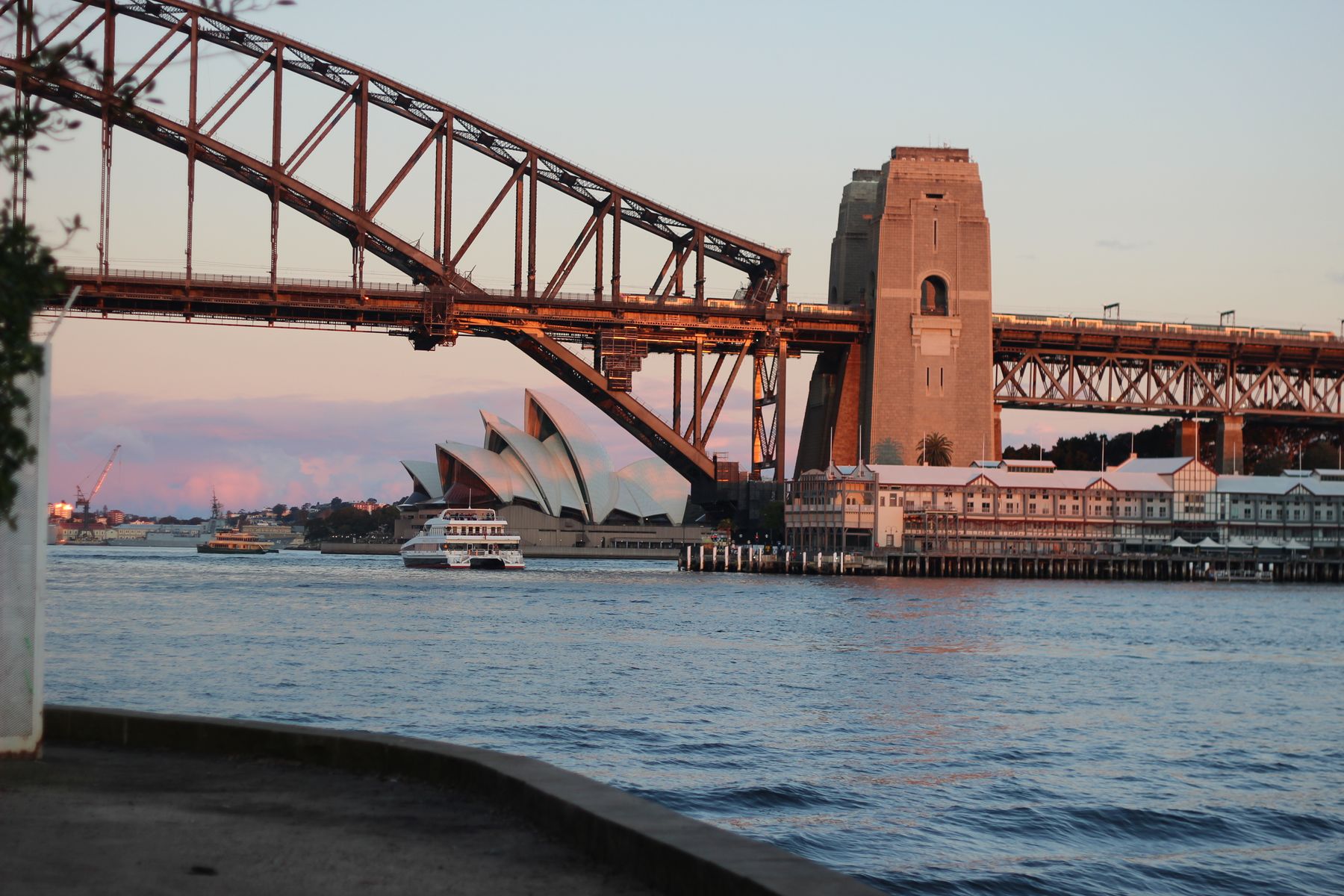
Iconic harbours, living reefs, ancient Country, remarkable wildlife, and distances that reward a deliberate route.
Cities, reef, Outback, wildlife, and continent-scale combinations.
Choose New Zealand for a tighter scenic journey with geothermal and Māori-led contrast.
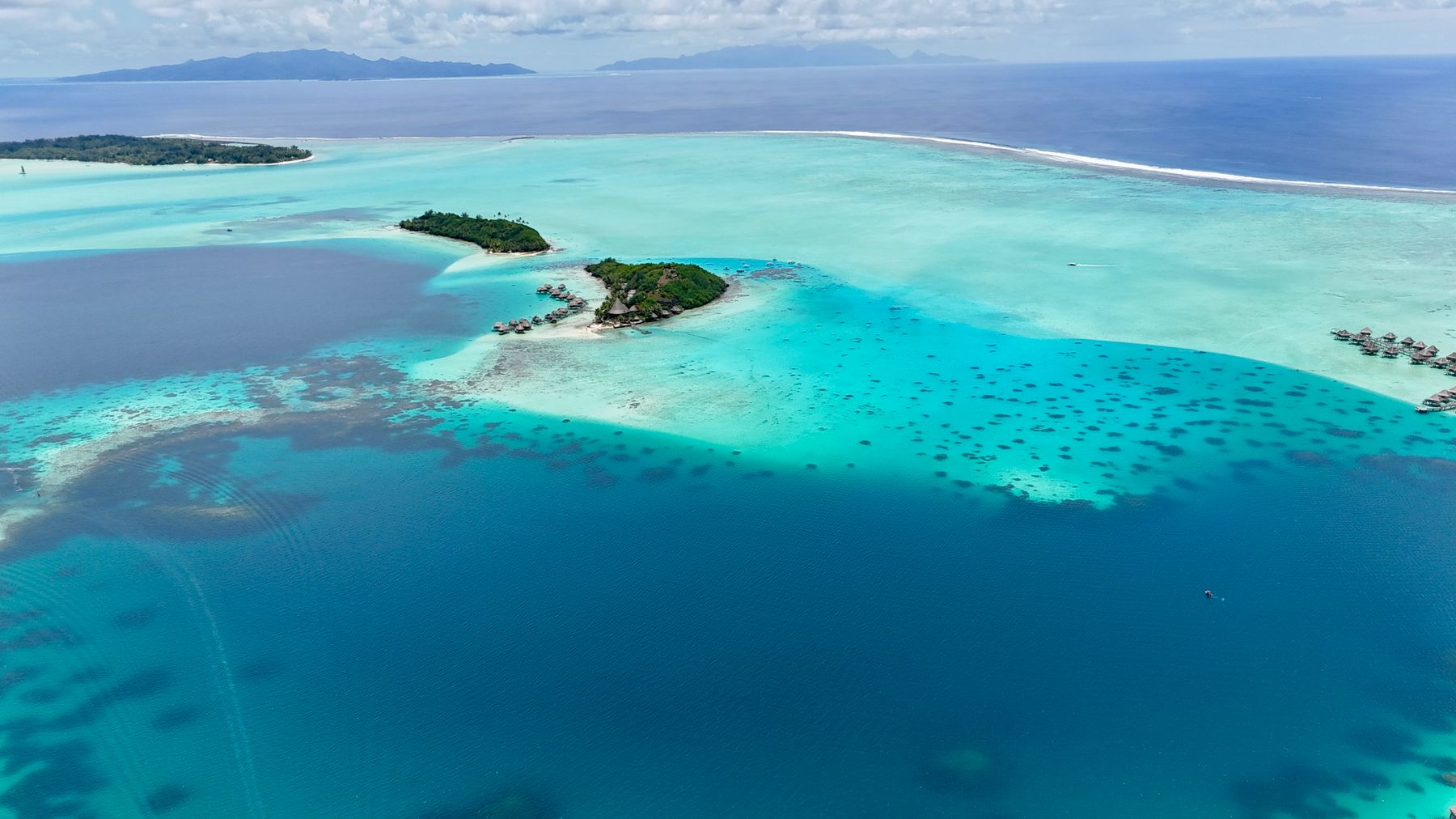
Lagoons, island combinations, resorts, and restorative pacing.
Choose French Polynesia for island-resort focus; New Zealand for active road journeys.
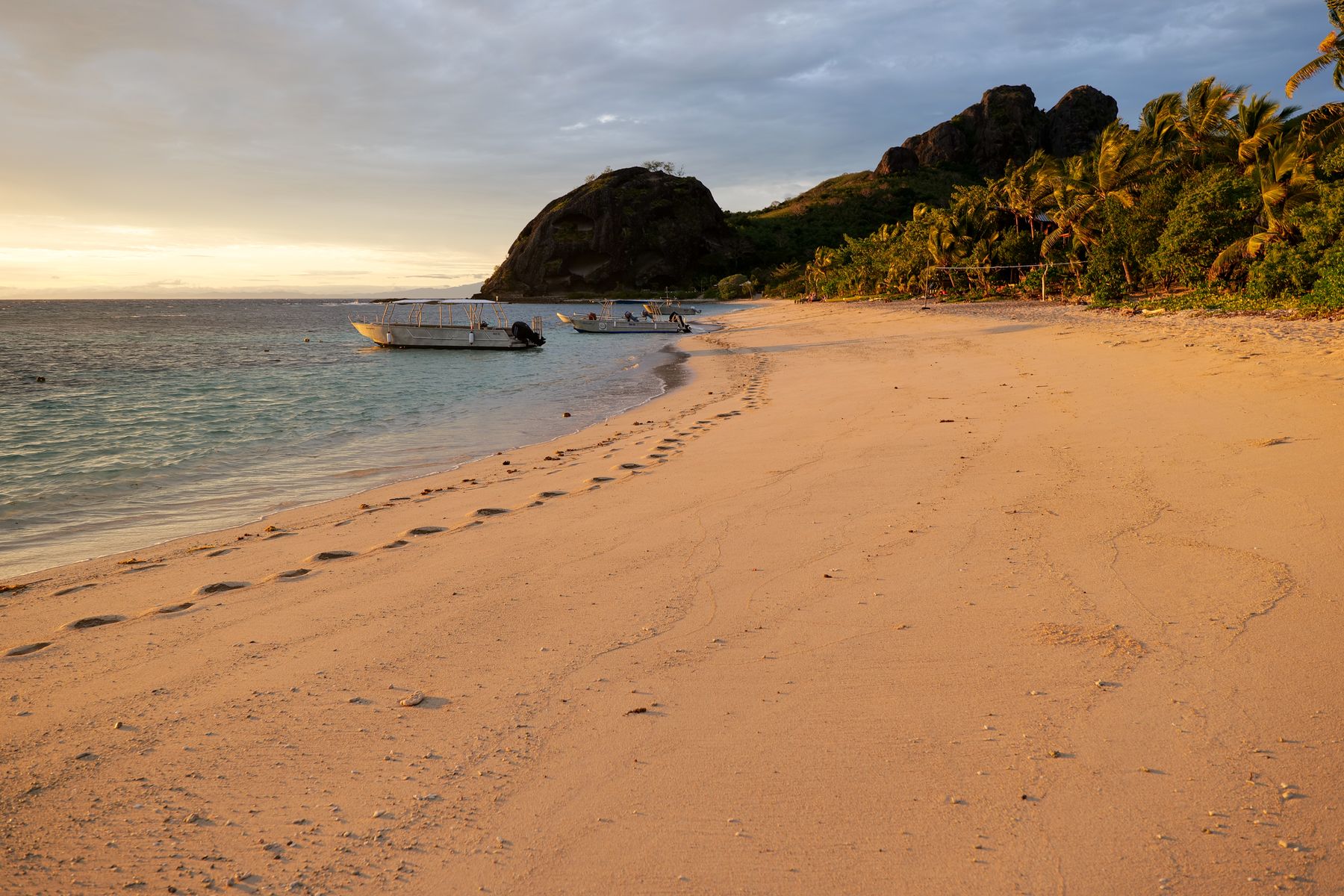
Island resorts, family travel, romance, reef time, and cultural connection.
Choose Fiji for beach-and-island ease; New Zealand for alpine and geothermal variety.

Fjords, Northern Lights, and midnight sun — timing changes everything.
Fjords, coastal villages, scenic rail, and European context.
Choose Norway for fjord-and-village culture; New Zealand for a two-island road journey.
Advisor note: Generic mountain scenery is not enough. Choose New Zealand when the geothermal North Island, alpine South Island, and transportation journey all matter.
New Zealand FAQ
Allow 9–11 days for a focused North Island journey, 11–14 for a focused South Island journey, 15–18 for both-island highlights, and 20–25 for a premium grand route.
Only with enough time. Under ten days, choose one island. At 12–14 days, combine one tightly focused chapter per island. Fifteen to eighteen days supports a credible highlights trip.
November through March offers the broadest touring conditions. October and April can work with more variability, while June through August is best for travelers deliberately choosing winter and skiing.
Self-drive suits confident, independent travelers; private touring adds interpretation and reduces fatigue. Many strong routes mix the two by sector.
The ferry adds coastal scenery and journey value but consumes time and can be weather-affected. A flight protects time. Compare schedules, onward car logistics, and the role of the crossing.
Choose Māori-led hosts, use names and macrons accurately, follow local guidance on protocol and photography, and avoid treating distinct iwi, hapū, communities, and places as interchangeable.