First-Visit Anchor
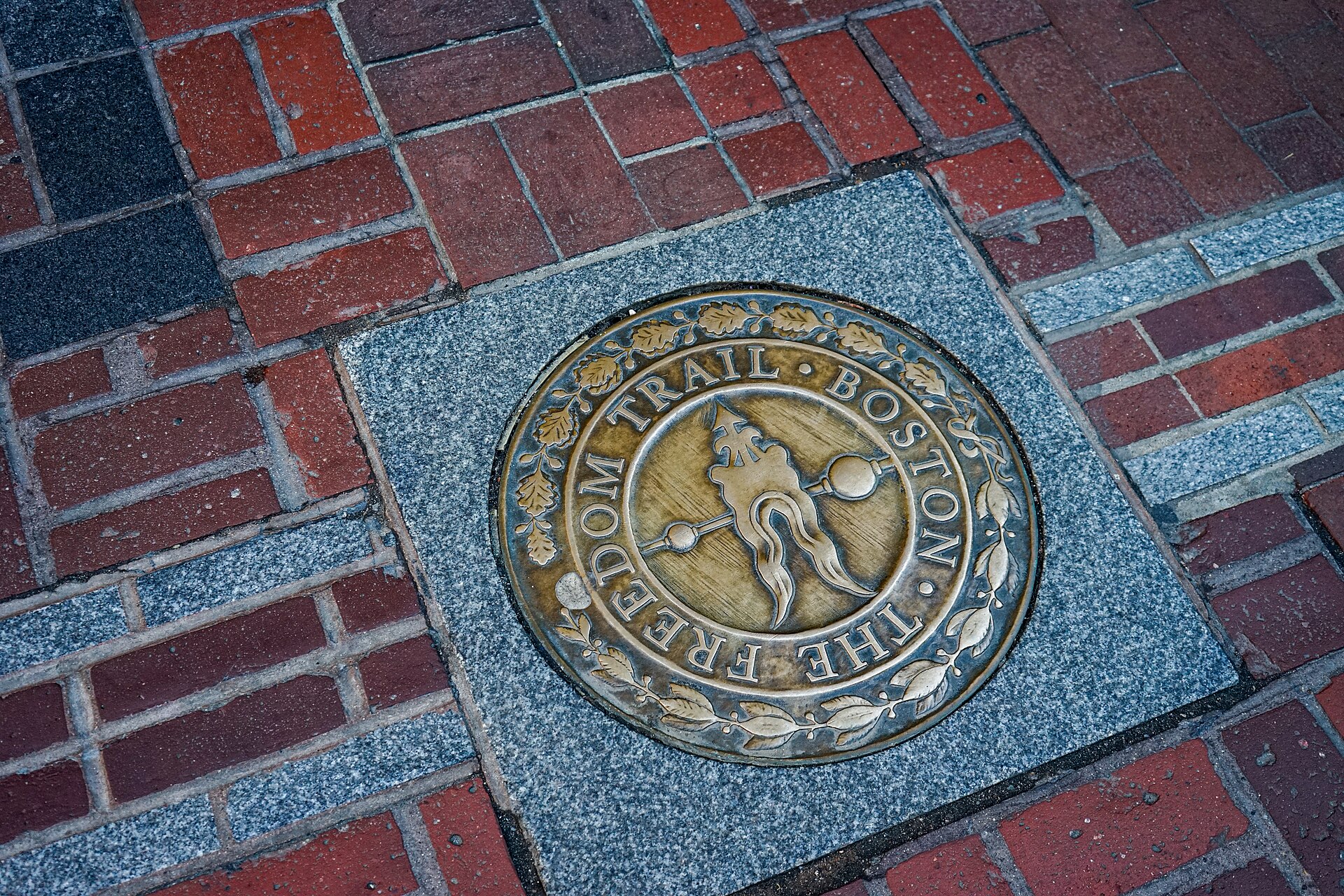
Boston & Revolutionary New England
Boston, Cambridge, the Freedom Trail, museums, universities, harbor history, and nearby revolutionary landscapes form the region's urban and historical gateway.
United States Signature Collection
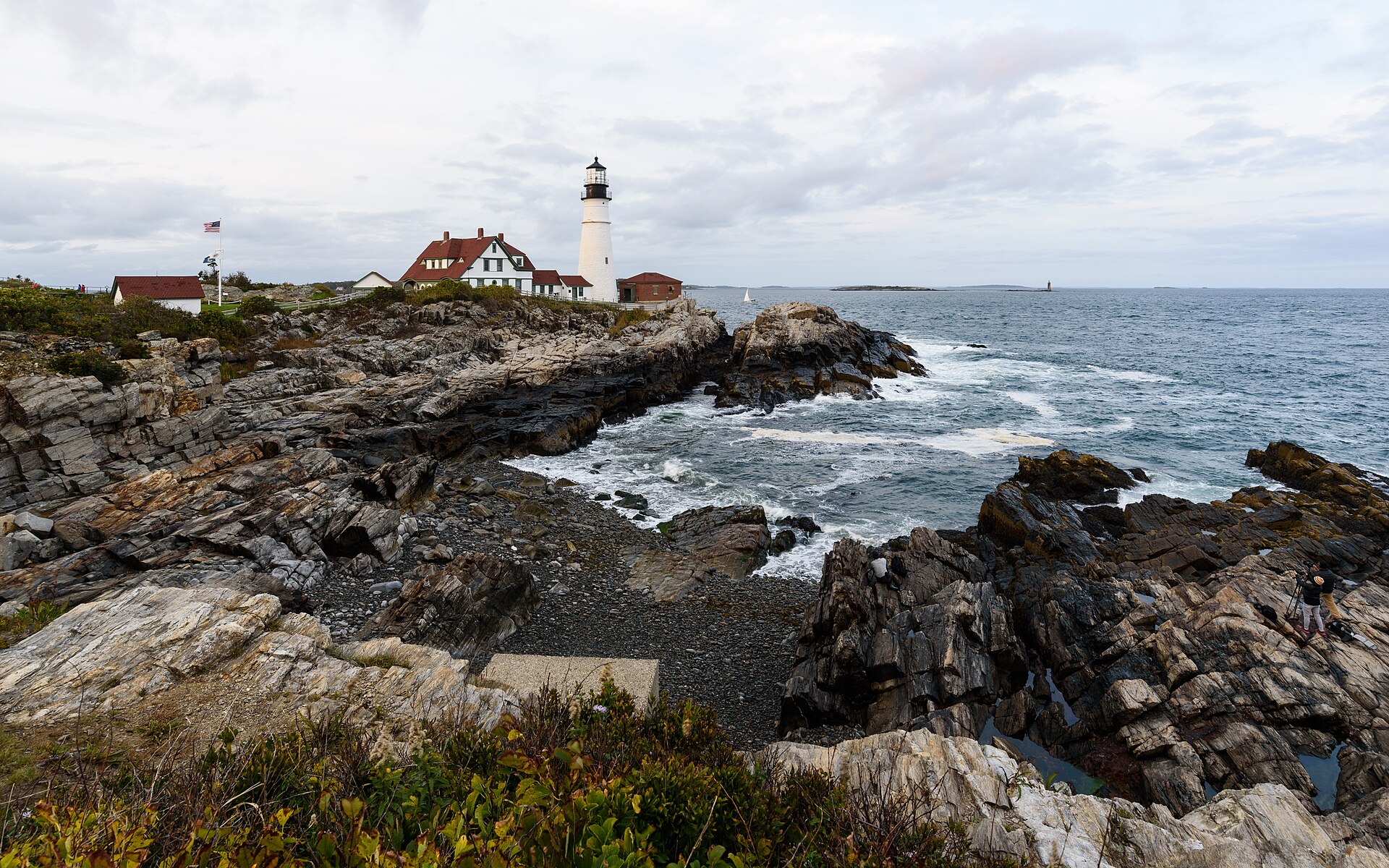
Build the right regional journey from history, coast, mountains, villages, food, inns, and season.
New England is not a six-state checklist. The strongest journey chooses a regional spine—Boston and history, Maine and the coast, foliage and mountains, or a longer grand circuit—then protects enough time for two-lane roads, character inns, weather, and the towns between landmarks.
Travel styles
Experience Explorer
Six distinct chapters connect the region's history, coast, mountains, villages, elegance, and country arts.
Boston, Cambridge, the Freedom Trail, museums, universities, harbor history, and nearby revolutionary landscapes form the region's urban and historical gateway.
Advisor insight
Begin with one anchor—Boston, the Maine coast, or the mountains—then add two contrasting bases. More state lines rarely create a better trip than fewer hotel changes and stronger local rhythm.
Traveler fit
Advisor guidance
New England distances look modest, but two-lane roads, town traffic, scenic stops, ferries, weather, and foliage congestion change the operating day.
Peak dates compress inn availability and rates. Foliage is never guaranteed for one town on one date, and summer coast, winter mountains, and shoulder seasons use different routes.
Common planning mistakes
Norma, Dock 10 Travel
Honest tradeoffs
Best Ways to Experience New England
The strongest routes are defined by intent, season, and pace—not by the number of states crossed.
Best forFirst-time travelers who want Boston, Vermont villages, the White Mountains, and a taste of the Maine coast.
Advisor noteUse a compact loop, protect two-night bases where possible, and let the season determine the exact mountain and coast sequence.
Best forTravelers drawn to Boston, Cape and island culture, Newport, Maine harbors, seafood, sailing, and Atlantic landscapes.
Advisor noteFerries and summer demand govern the route; do not force Acadia, Cape Cod, and Newport into one hurried week.
Best forTravelers willing to follow elevation and latitude through Vermont, New Hampshire, Maine, and western Massachusetts.
Advisor noteBook the scarce inns but keep daily scenic choices flexible; color moves and weather can reorder priorities.
Best forTravelers with nearly two weeks who value Boston, arts, villages, mountains, coast, landmark lodging, and measured regional depth.
Advisor noteUse an open-jaw route or carefully designed loop and spend for position, interpretation, and fewer long transfer days.
New England Decision Guide
Choose landscape, trip character, and season before choosing a route or inn.
Harbors or high country
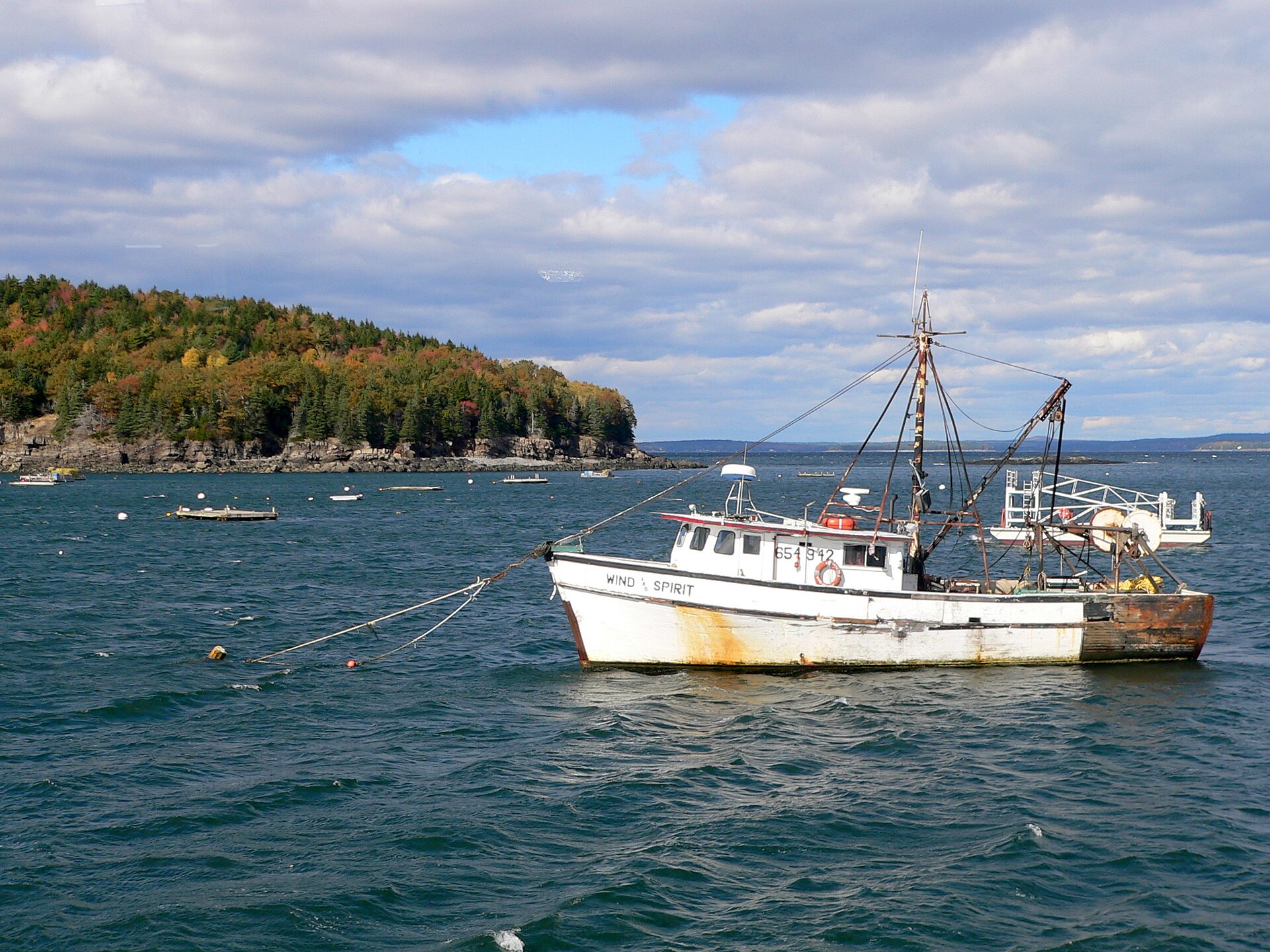
The Coast emphasizes seafood, sailing, islands, lighthouses, and Acadia; the Mountains emphasize villages, scenic roads, railways, hikes, farms, and seasonal color.

Urban context or country rhythm
Boston & History provide revolutionary context, museums, universities, and dining; Small-Town New England provides inns, farms, village greens, local craft, and slower evenings.

Maximum color or more breathing room
Peak Fall Foliage can deliver extraordinary color with premium demand and uncertain timing; Quieter Shoulder Season trades color certainty for availability, flexibility, and calmer towns.
Advisor-built Signature journeys
Investment estimates are planning ranges per person, based on two travelers sharing, and exclude international airfare unless stated otherwise. Final pricing depends on travel dates, availability and the personalized itinerary.
8 days
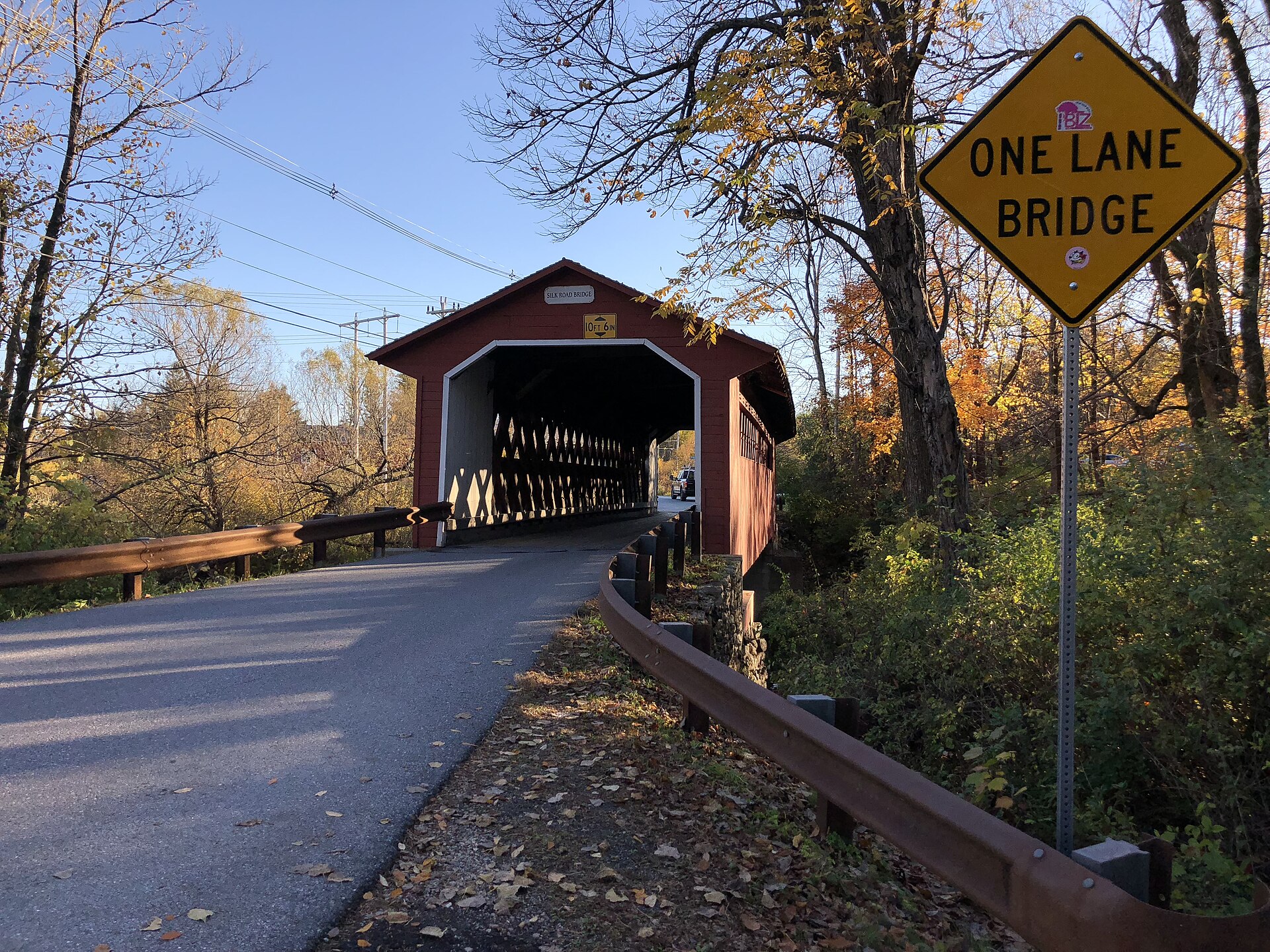
A first-time circuit joining Boston, Vermont villages, New Hampshire's White Mountains, and the southern Maine coast.
Best for
First-time travelers who want the region's history, village, mountain, and coast signatures in a manageable escorted shape.
Typical investment
From $4,799 per person
Route
Boston → Woodstock and Stowe → White Mountains → Portland and Kennebunkport
What makes it special
The region's four clearest first-visit contrasts become one legible route.
Reality check
Eight days requires selective stops and does not provide Acadia or deep Rhode Island and Berkshire coverage.
Advisor takeaway
Use Collette as a direct market anchor, then reconcile the GuidePilot route line by line before booking.
Investment context
Investment estimates are planning ranges per person, based on two travelers sharing, and exclude international airfare unless stated otherwise. Final pricing depends on travel dates, availability and the personalized itinerary. Direct market anchor: Collette Colors of New England, eight days from $4,799 per person, land only and double occupancy. Exact departure, hotels, room, route, admissions, meals, transfers, taxes, fees, and air require reconciliation.
8 days
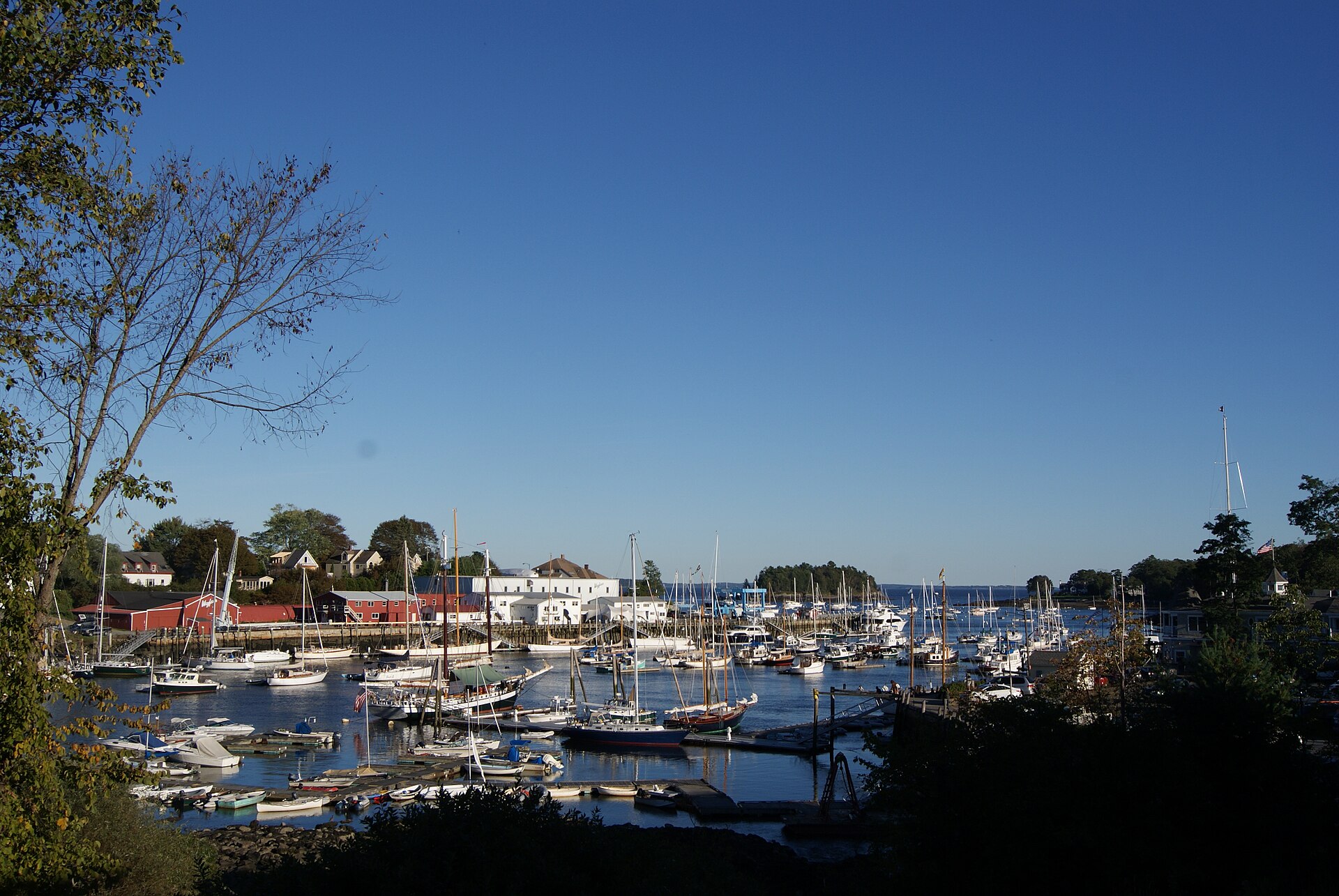
A premium Atlantic journey linking Boston history with Cape and island culture, maritime heritage, and Newport elegance.
Best for
Couples and coastal travelers who value sailing culture, seafood, strong hotels, and private interpretation.
Typical investment
From $8,390 per person
Route
Boston → Cape Cod → Nantucket or Martha's Vineyard → New Bedford → Newport
What makes it special
Maritime stories and Gilded Age coast replace the usual inland foliage circuit.
Reality check
This direct anchor does not include the Maine coast or Acadia; extending north requires additional nights and a new price reconciliation.
Advisor takeaway
Preserve the supplier's coastal scope rather than implying all-New-England coverage.
Investment context
Investment estimates are planning ranges per person, based on two travelers sharing, and exclude international airfare unless stated otherwise. Final pricing depends on travel dates, availability and the personalized itinerary. Direct premium market anchor: Tauck Seaside New England: Boston, Cape Cod & Newport, eight days from $8,390 per person for listed 2026 small-group positioning. Exact date, group size, hotels, islands, ferries, meals, transfers, admissions, taxes, fees, and air require reconciliation.
11 days
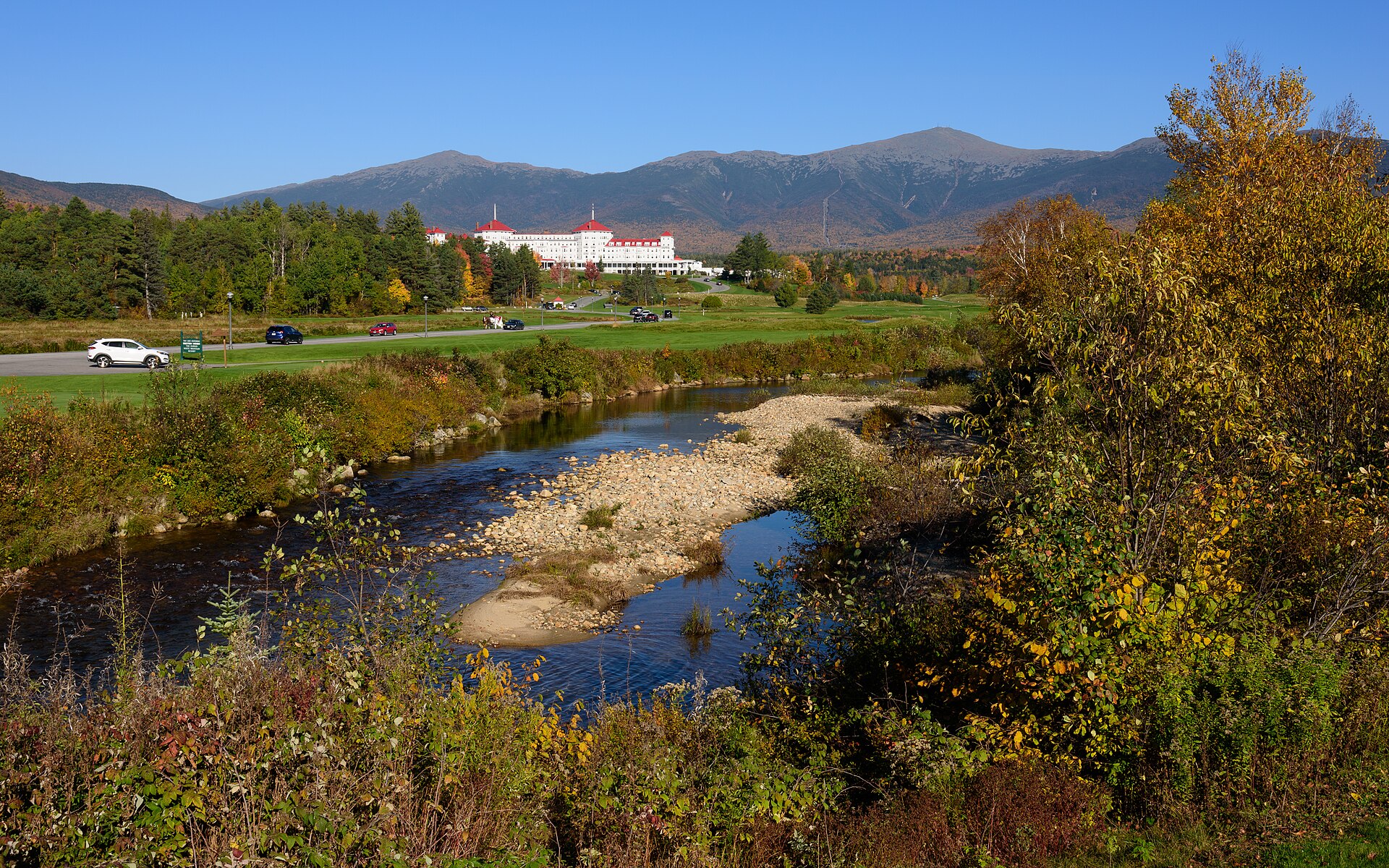
A learning-led autumn route through Massachusetts, Vermont, New Hampshire, and Maine with flexible scenic priorities.
Best for
Travelers who prioritize foliage, regional history, guided field trips, and a longer multi-state autumn circuit.
Typical investment
From $4,899 per person
Route
Boston loop → western Massachusetts → Vermont → White Mountains → Maine coast
What makes it special
Latitude, elevation, mountain roads, lakes, and coast provide several chances for seasonal color rather than one promised peak town.
Reality check
Color is variable and listed departures can sell out; the source's group program is not interchangeable with a private road trip.
Advisor takeaway
Keep the current shared-occupancy basis and never guarantee peak foliage.
Investment context
Investment estimates are planning ranges per person, based on two travelers sharing, and exclude international airfare unless stated otherwise. Final pricing depends on travel dates, availability and the personalized itinerary. Direct market anchor: Road Scholar On the Road: The Best of Fall in New England, eleven days/ten nights from $4,899 per person shared occupancy for listed 2026 dates. Exact date, room, lectures, field trips, meals, transport, taxes, gratuities, terms, and air require reconciliation.

12 days
A spacious premium circuit combining Boston, Berkshire arts, Vermont, the White Mountains, Portland, and landmark regional lodging.
Best for
Travelers with nearly two weeks who value interpretation, strong hotels, scenic depth, and a measured operating rhythm.
Typical investment
From $8,890 per person
Route
Boston → Berkshires → Vermont → White Mountains → Maine coast → Boston
What makes it special
History, arts, mountains, villages, coast, food, and landmark resorts receive room to coexist.
Reality check
Even twelve days cannot cover every island, Acadia, Connecticut, and Rhode Island without diluting the core route.
Advisor takeaway
Treat Tauck as a direct premium anchor and reconcile any GuidePilot customization before booking.
Investment context
Investment estimates are planning ranges per person, based on two travelers sharing, and exclude international airfare unless stated otherwise. Final pricing depends on travel dates, availability and the personalized itinerary. Direct premium market anchor: Tauck Grand New England, twelve days from $8,890 per person for current 2026 positioning. Exact departure, group size, hotels, room, route, guiding, admissions, meals, transfers, taxes, fees, terms, and air require reconciliation.
Travel Planning Center
Twenty practical decisions organize trip shape, movement, season, lodging, traveler needs, and investment.
Related Destinations

Build the right city stay from icons, neighborhoods, performance, food, history, and room to breathe.
Performance, major museums, global food, and intense neighborhood variety.
New York concentrates urban culture; New England uses a regional road journey to connect one major city with coast, villages, and mountains.

Shape a capital stay from national stories, living neighborhoods, public institutions, and room to absorb them.
National institutions, memorials, museums, and civic history.
Washington provides a concentrated capital stay; New England spreads American history across Boston, towns, landscapes, and maritime routes.
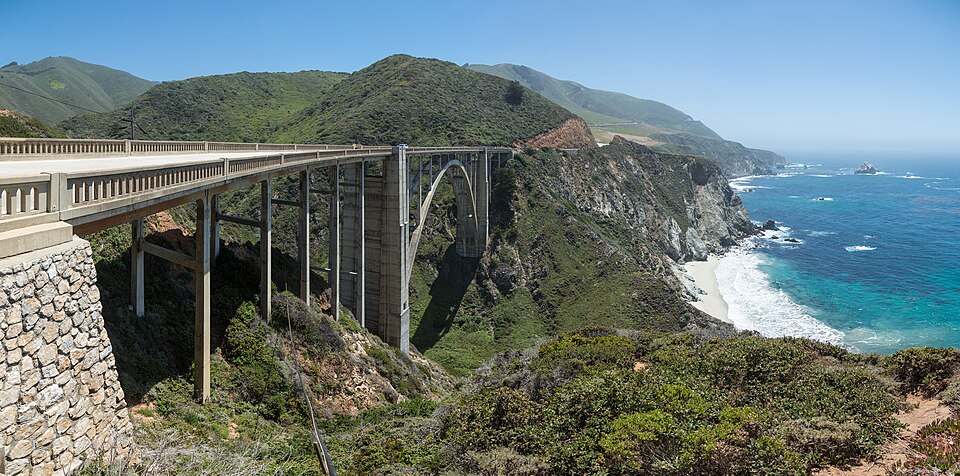
Build one great journey from coast, cities, wine country, mountains, and desert.
Pacific cities, coast, wine, parks, desert, and a larger road journey.
California operates at a much larger geographic scale; New England offers shorter transfers, stronger seasonality, and denser historic-town texture.
Advisor note: New England should be recommended by the desired route relationship—history and villages, coast, foliage and mountains, or a spacious grand circuit.
New England FAQ
Eight days supports one focused circuit. Ten or eleven supports coast or foliage depth. Twelve to fourteen gives a grand route room for two-night stays and contrasting regions.
A Boston loop can work for a compact inland-and-coast circuit. A one-way route can reduce backtracking when Acadia or deeper Maine is central, but airfare and rental drop fees must be compared.
No. Latitude, elevation, temperature, wind, rain, and storms shift color. Build a flexible regional sequence and verify current reports close to travel.
Usually not for a central stay. Walking, transit, rail, and transfers are generally more useful; collect a rental car when leaving for the regional route.
Yes, with detailed routing. Verify historic lodging, elevators, exact entrances, vehicle steps, ferry boarding, trail and town surfaces, seating, restrooms, and weather alternatives.