.jpg?width=1800)
Advisor Starting Point
Beijing
Imperial sites, hutong neighborhoods, contemporary design, dining, and art reward a focused plan rather than a citywide checklist.

Destination Guide
Imperial Capitals. Fast Trains. Regional Worlds.
China feels effortless only when the sequence is thoughtful. The strongest first journey balances major cities with slower cultural and landscape chapters, uses rail selectively, and leaves enough room for the small encounters that make the country memorable.
Travel styles
Experience Explorer
Choose the city, cultural, mountain, river, or culinary experiences that should lead your route.
Imperial sites, hutong neighborhoods, contemporary design, dining, and art reward a focused plan rather than a citywide checklist.
Advisor insight
Beijing and Xi'an deserve different rhythms. Add one landscape chapter—Guilin, Yunnan, or the Yangtze—before adding more cities.
Traveler fit
Advisor guidance
China's scale is the central planning truth. Station size, domestic connections, luggage, and one-night stops can create more friction than a map or timetable suggests.
High-speed rail is excellent on the right corridors, but flights, private transfers, permits, connectivity, and local payment tools still need to be designed route by route.
Common planning mistakes
Norma, Dock 10 Travel
Honest tradeoffs
Best Ways to Experience China
A good route combines independent movement with selective guiding, meaningful stays, and realistic transfer days.
Best forTravelers wanting Beijing, Xi'an, and one contrasting landscape chapter.
Advisor noteKeep Beijing and Xi'an substantial; add Guilin or another overnight only when it improves the rhythm.
Best forTravelers motivated by temples, craft, markets, dining, and regional traditions.
Advisor noteReserve high-priority meals and pair food experiences with place and people.
Best forLonger trips linking major cities with a carefully selected Three Gorges river chapter.
Advisor noteChoose the ship and cabin first; cruise schedules should shape the route rather than become a late add-on.
Best forTravelers with enough time for two distinct urban and cultural chapters.
Advisor noteProtect at least five purposeful nights in Korea instead of treating Seoul as a quick add-on.
Advisor-built trip ideas
Investment estimates are planning ranges per person, based on two travelers sharing, and exclude international airfare unless stated otherwise. Final pricing depends on travel dates, availability and the personalized itinerary.

10–12 days
Beijing, Xi'an, and Shanghai connected by high-speed rail and carefully paced cultural days.
Best for
First-time travelers seeking China's essential story.
Typical investment
$7,500–$13,000 per person
Route
Beijing → Xi'an → Shanghai
What makes it special
Imperial history, archaeological wonder, and modern city energy unfold in one coherent route.
Reality check
Three major cities still require purposeful pacing.
Advisor takeaway
Protect three nights in Beijing and use rail where it improves the story.
Investment context
planning range per person based on two travelers sharing accommodations. International airfare excluded. This is guidance, not a quote; final pricing varies by season, accommodations, transportation, guiding, and experience selection.

12–14 days
Chengdu, Dali, and Lijiang combine food, pandas, mountain scenery, and regional culture.
Best for
Travelers wanting food, landscapes, and regional depth beyond the classic cities.
Typical investment
$9,000–$16,000 per person
Route
Chengdu → Dali → Lijiang
What makes it special
The route trades national coverage for a more textured southwest chapter.
Reality check
Altitude, roads, and domestic connections need realistic pacing.
Advisor takeaway
Protect acclimatization and avoid treating Yunnan as a quick add-on.
Investment context
planning range per person based on two travelers sharing accommodations. International airfare excluded. This is guidance, not a quote; final pricing varies by season, accommodations, transportation, guiding, and experience selection.

13–16 days
Beijing, Xi'an, Chengdu or Chongqing, and a carefully selected Yangtze cruise chapter.
Best for
Travelers seeking history, cities, pandas, and a river journey.
Typical investment
$11,000–$22,000 per person
Route
Beijing → Xi'an → Chengdu or Chongqing → Yangtze → Shanghai
What makes it special
A river chapter changes the pace and reveals China beyond city sightseeing.
Reality check
Cruise schedules and cabin choices govern the route.
Advisor takeaway
Specify the ship and cabin before treating the Yangtze as a fixed inclusion.
Investment context
planning range per person based on two travelers sharing accommodations. International airfare excluded. This is guidance, not a quote; final pricing varies by season, accommodations, transportation, guiding, and experience selection.

17–21 days
A privately guided China journey with standout hotels, culinary access, and a carefully selected regional extension.
Best for
Travelers prioritizing comfort, access, and depth over checklist coverage.
Typical investment
$20,000–$40,000 per person
Travel Planning Center
Twenty practical decisions covering timing, rail, luggage, lodging, culture, access, and investment.
Related Destinations
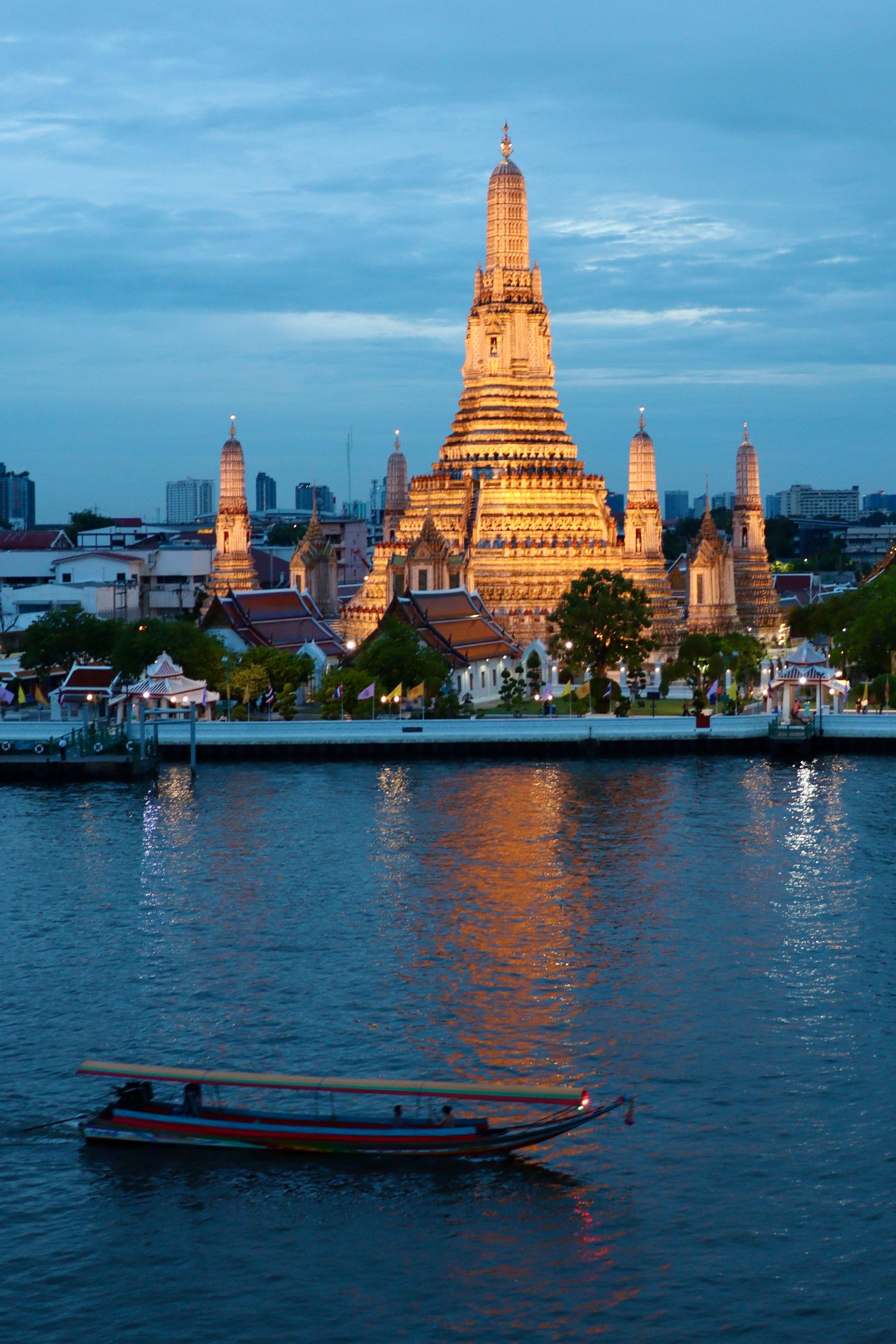
Bangkok, northern culture, food, and a warm-weather beach finish.
Thailand is more tropical and resort-oriented; China leads with rail, seasonality, and urban-cultural contrast.
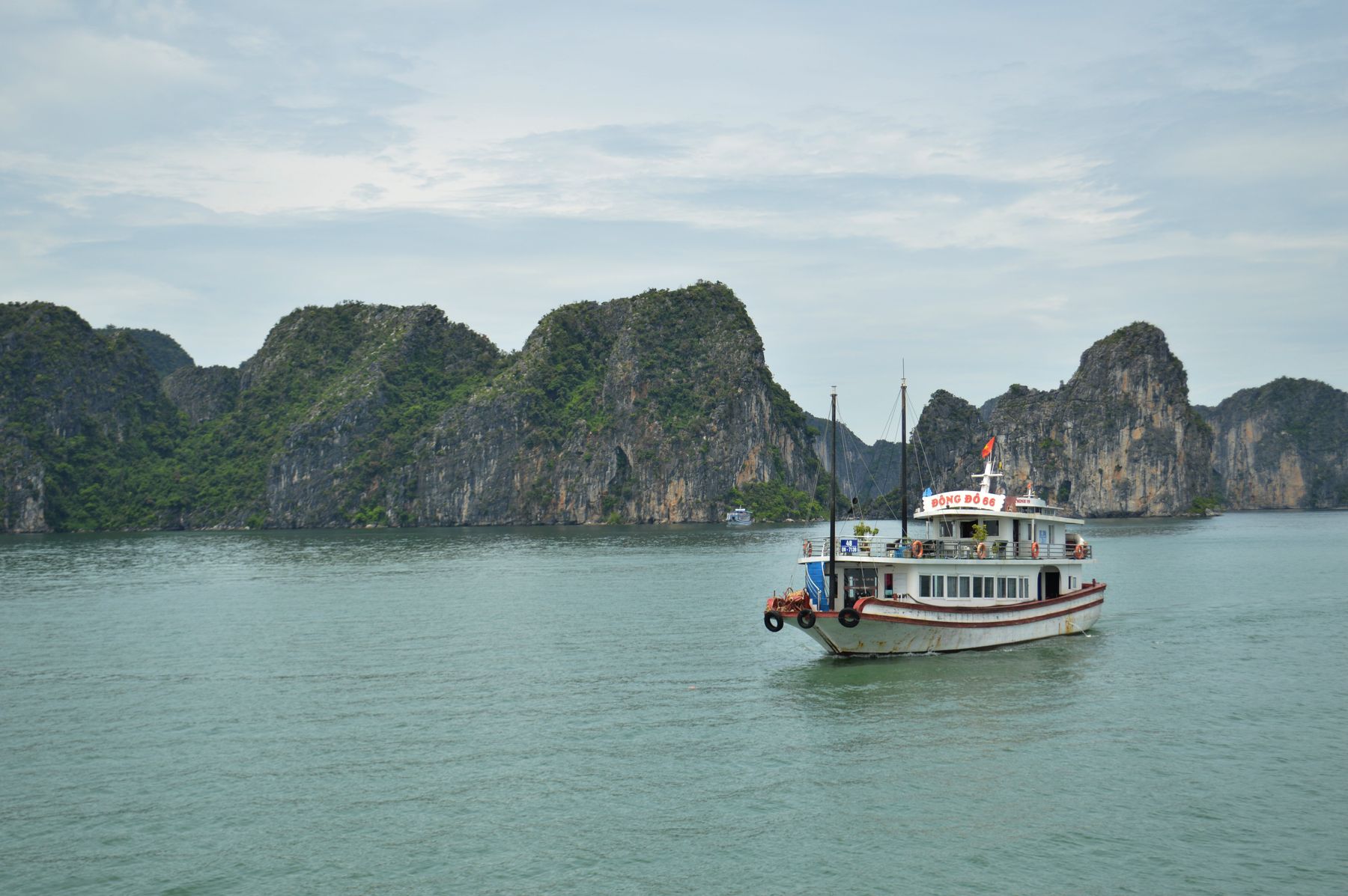
Hanoi, Ha Long Bay, Hoi An, river life, food, and layered history.
Vietnam favors guided overland and river experiences; China offers more independent rail movement.
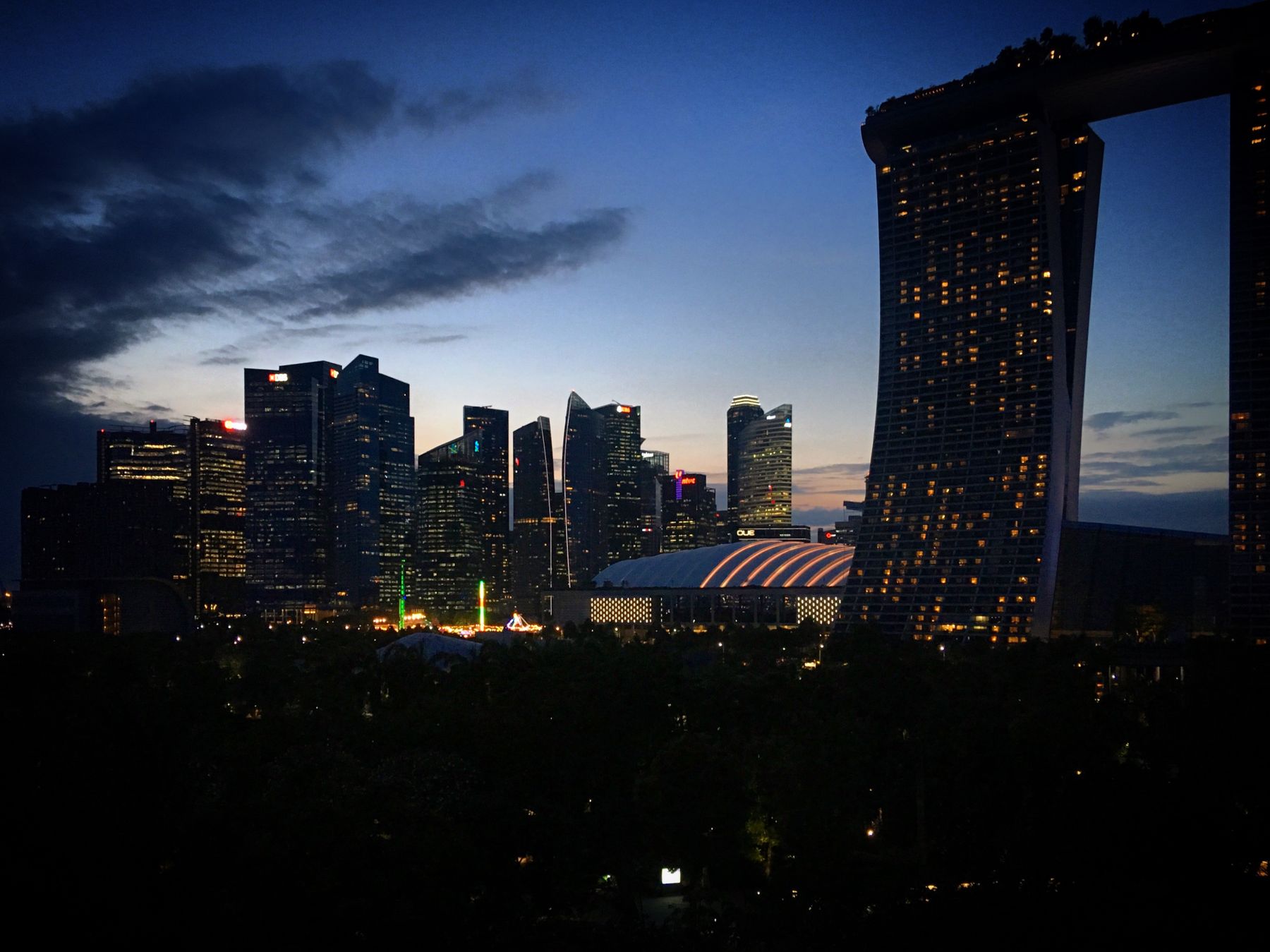
Architecture, food, gardens, and an easy premium stopover.
Singapore is compact and tropical; China rewards a longer multi-region journey.
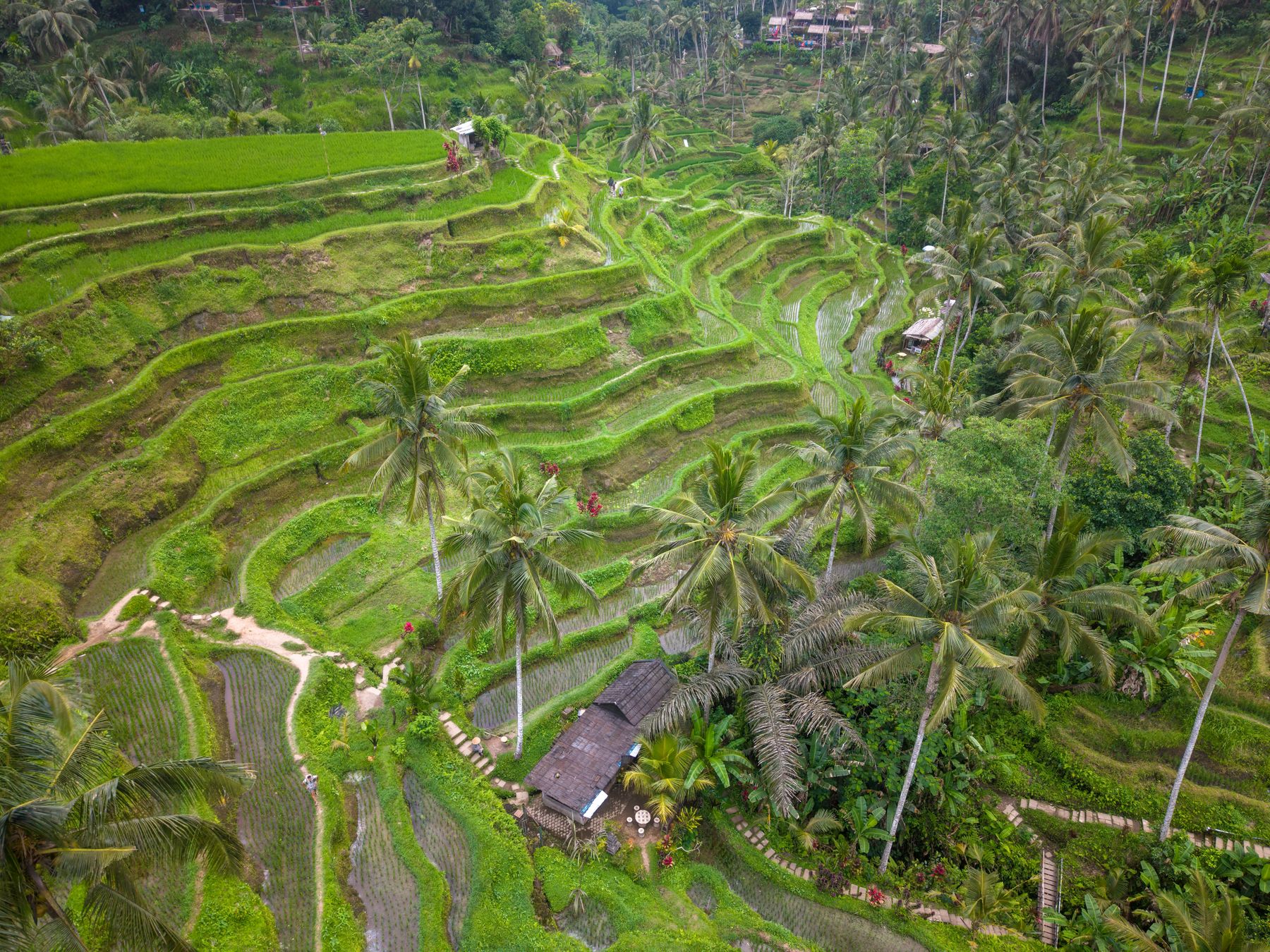
Temples, wellness, Ubud culture, landscapes, and restorative stays.
Bali emphasizes resort and private-driver rhythm; China centers cities, rail, and seasonal culture.
Advisor note: South Korea is the most natural two-country pairing, but only when both countries receive enough time.
China FAQ
Ten to twelve days supports a focused Beijing, Xi'an, and Shanghai journey. Twelve to sixteen days allows one meaningful regional extension such as Yunnan or the Yangtze.
Use high-speed rail on efficient corridors such as Beijing–Xi'an–Shanghai, then compare flights for distant regional extensions where a long rail day would consume meaningful trip time.
Most first trips include both. Give Beijing time for neighborhoods and contemporary culture, and use well-timed mornings and selective guiding for Xi'an's heritage sites.
Only when the trip has enough time and the right ship and cabin are available. A Three Gorges journey can add landscape and a slower rhythm, but its sailing schedule should shape the itinerary.
It can be with exact planning. Station transfers, elevators, temple stairs, walking distances, room layouts, baths, and vehicle alternatives should be reviewed individually.