The packing rule that matters most
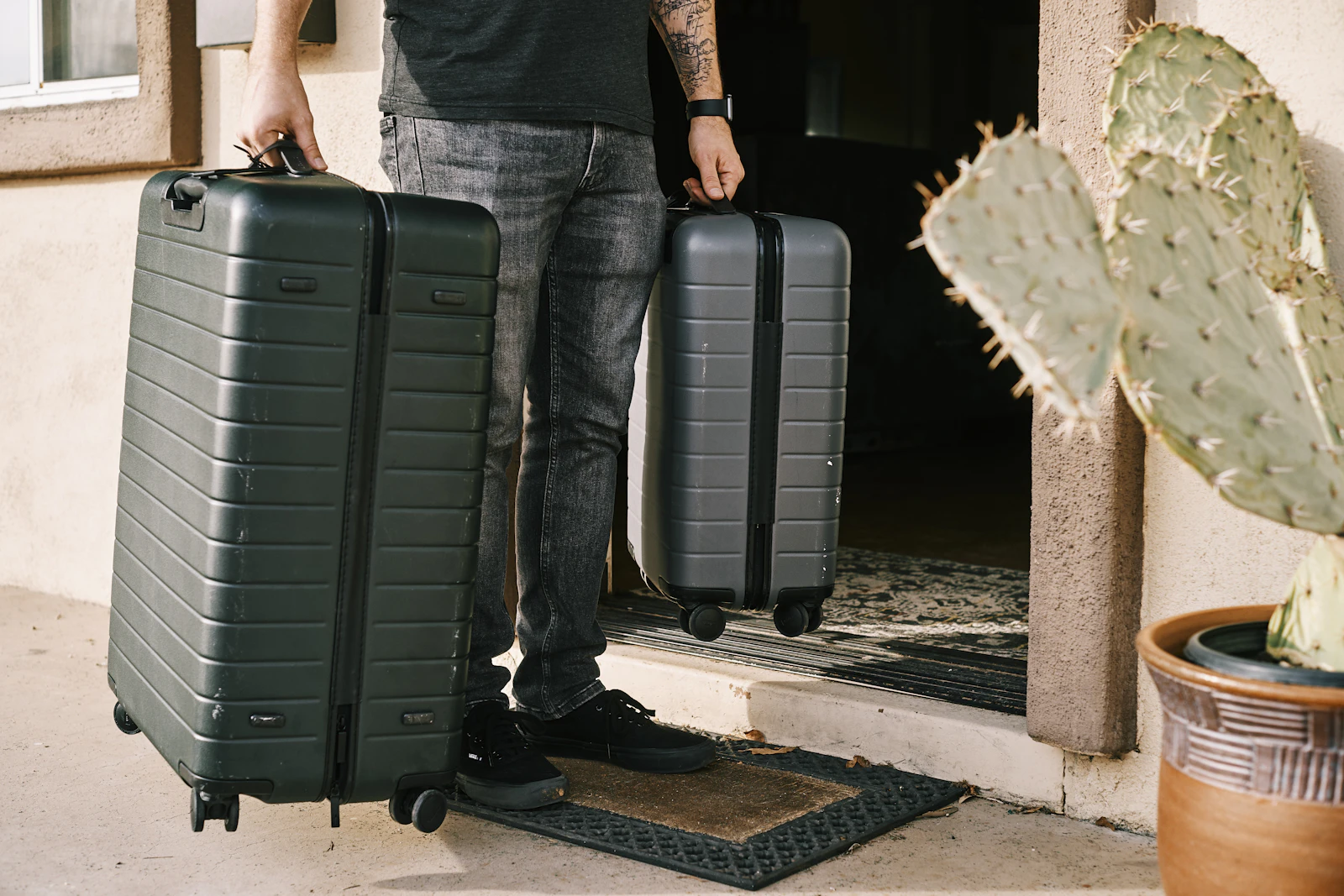
European river cruise cabins are smaller than ocean cruise cabins — typically 150–200 sq ft with limited closet space. The single most useful packing rule is: bring less than you think. Most lines have laundry service onboard, and casual dress is the norm even at dinner (no formal nights on river cruises). One medium suitcase plus a carry-on per person is plenty for a 7-night trip. Pack everything in mix-and-match neutrals and add color through scarves or a single statement piece.
Clothing by season
Spring (April–May) and fall (September–October): layers are essential. Pack light sweaters, a packable rain jacket, long pants, one or two short-sleeve shirts for warmer afternoons, and a scarf. Summer (June–August): light cotton, linen pants, sun hat, and a light cardigan for cool evenings on deck. Christmas markets (late November–December): a warm waterproof coat, gloves, hat, scarf, thermal layers, and waterproof boots are non-negotiable. Temperatures often hover around freezing and markets are entirely outdoors.
Shoes — the most important category
European old towns are cobblestoned. Most days include 2–4 miles of walking on uneven surfaces. Pack one pair of well-broken-in walking shoes (waterproof if traveling in shoulder season), one pair of casual evening shoes, and shower-friendly slip-ons. Do not bring brand-new walking shoes. Avoid heels entirely. Many guests pack one too many pairs of shoes and regret the suitcase space — three pairs total is plenty.
Dress code (or lack of one)
European river cruises have no formal nights. The standard dinner dress code is 'country club casual' — collared shirts and slacks for men, dresses, skirts, or nice pants for women. Even the captain's welcome dinner stays at this level. There is no need to pack a suit, tie, formal gown, or tuxedo. The space saved is significant.
Electronics and adapters
Bring a universal travel adapter that covers EU Type C/F plugs (most of Europe) and Type G (UK and Ireland, if your trip includes them). Most cabins now have at least one US outlet but no more than one. A small power strip is genuinely useful for charging multiple devices. Pack a portable battery for excursion days. Wi-Fi onboard is included but speeds vary — download podcasts, audiobooks, and Netflix shows before you board.
Documents and money
Bring your passport (valid at least 6 months past your return date), printed cruise documents, a printed copy of your travel insurance, two credit cards (one Visa or Mastercard primary, one backup — Amex acceptance is spotty in smaller European towns), and €100–€200 in euros for small purchases. Notify your card issuers of your travel dates. Photograph the front and back of your passport and store the images securely in cloud storage.
Small items that make the trip noticeably better
A refillable water bottle (tap water is safe almost everywhere in Europe), a daypack for excursions, a portable umbrella, a Buff or lightweight scarf for sun and wind, a small first-aid kit with blister bandages (Compeed brand is the gold standard), motion sickness tablets just in case (rare on rivers but useful for bus excursions), and a binocular pair for castle and wildlife viewing. Pack a folded duffel for souvenirs on the way home.
What NOT to bring
Skip: hair dryer (every cabin has one), iron (laundry service handles this and irons aren't allowed in cabins as a fire hazard), beach towel, formal wear, more than 3 pairs of shoes, full-size toiletries (most lines provide quality bath products), heavy guidebooks (download to your phone instead), and a laptop (your phone or tablet handles everything). Less is genuinely more on a river cruise.
Need Help Planning?
Our Travel Personality Quiz helps explore options for your style and budget.
Take the Quiz